
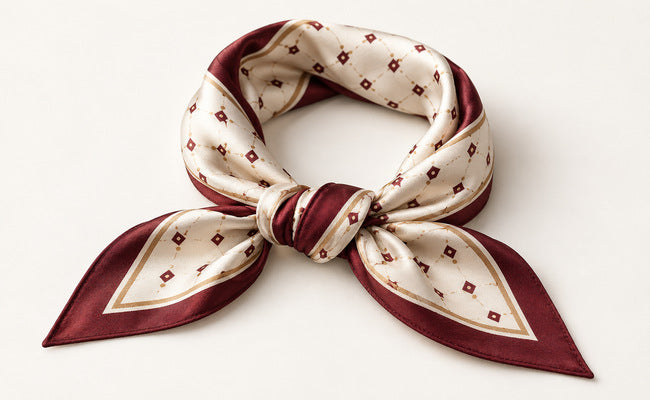

Wraps for coats
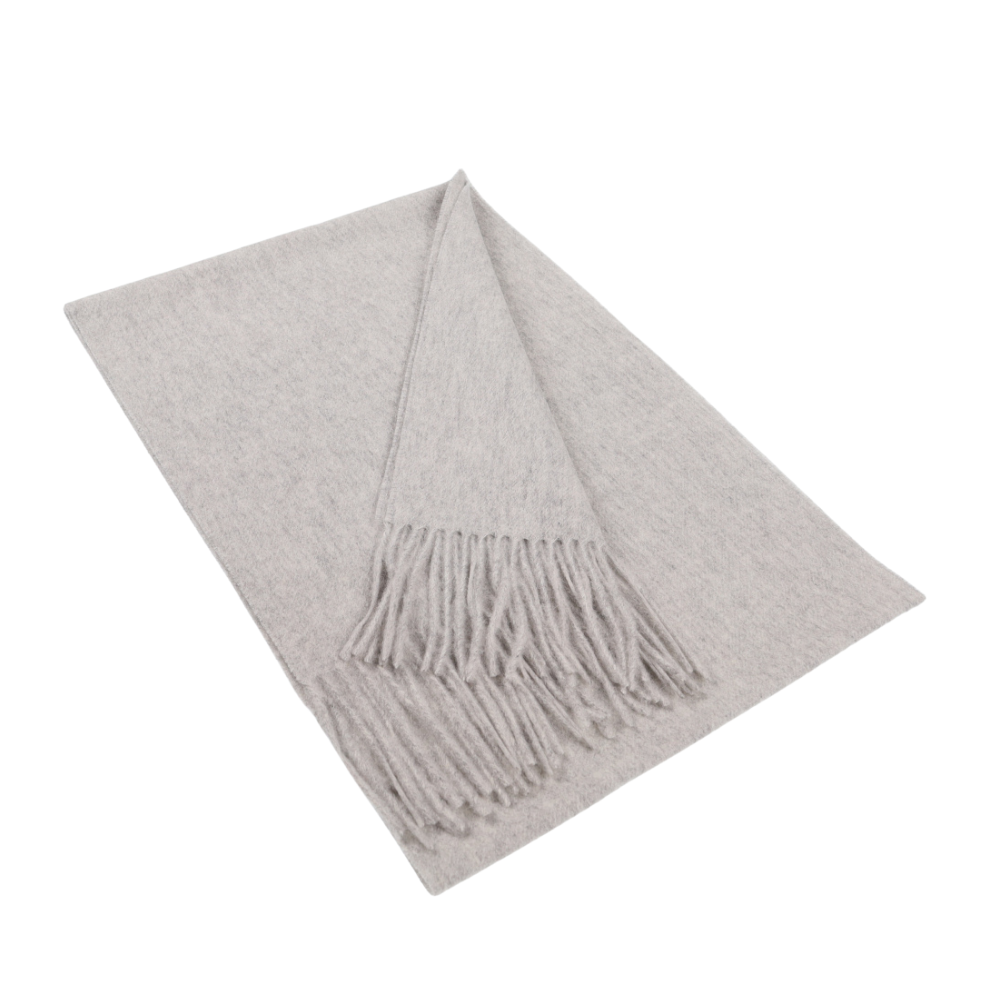
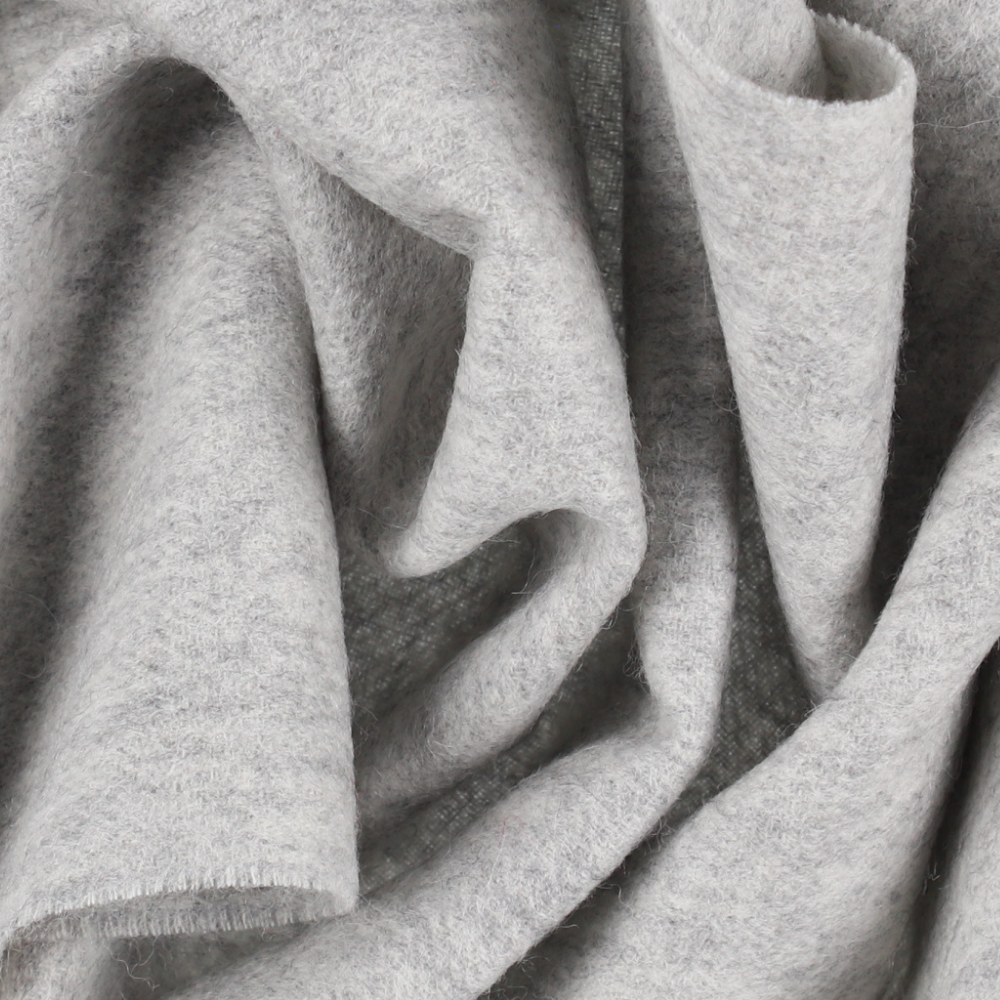
200×35 cm / 79×14 in
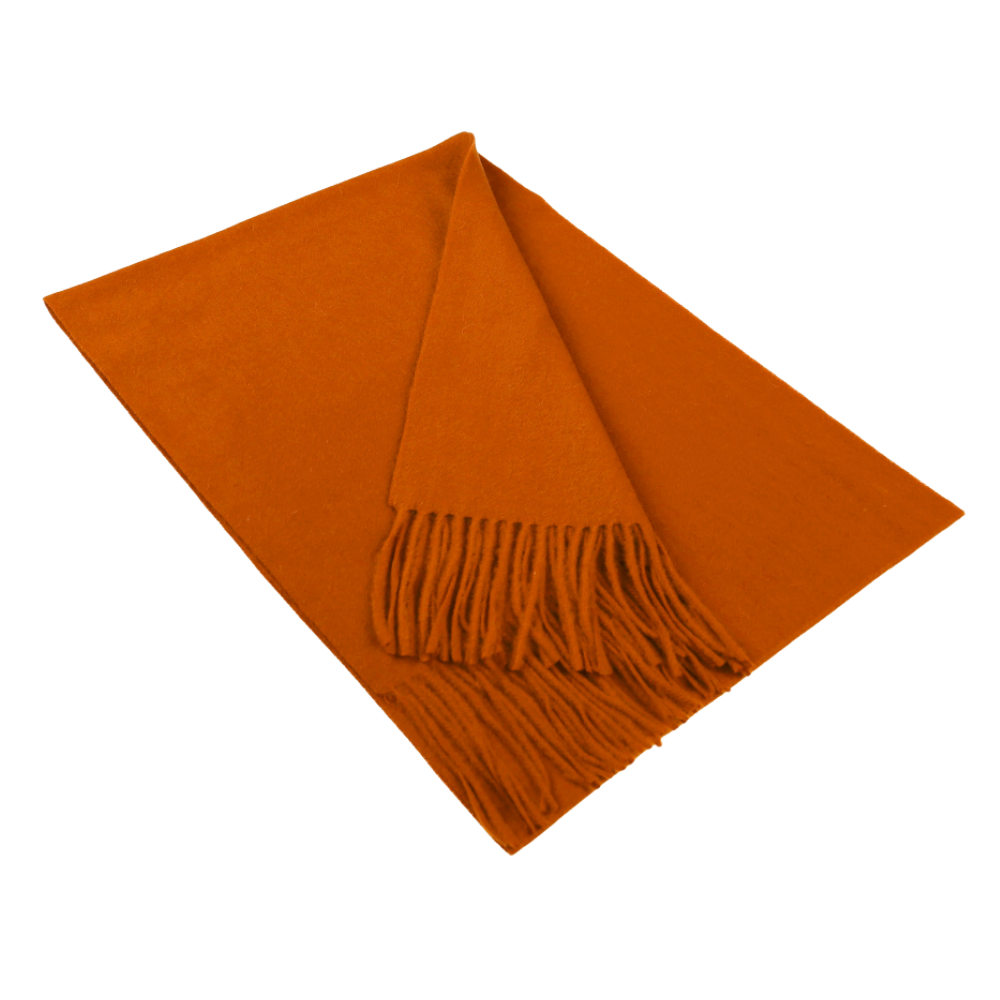
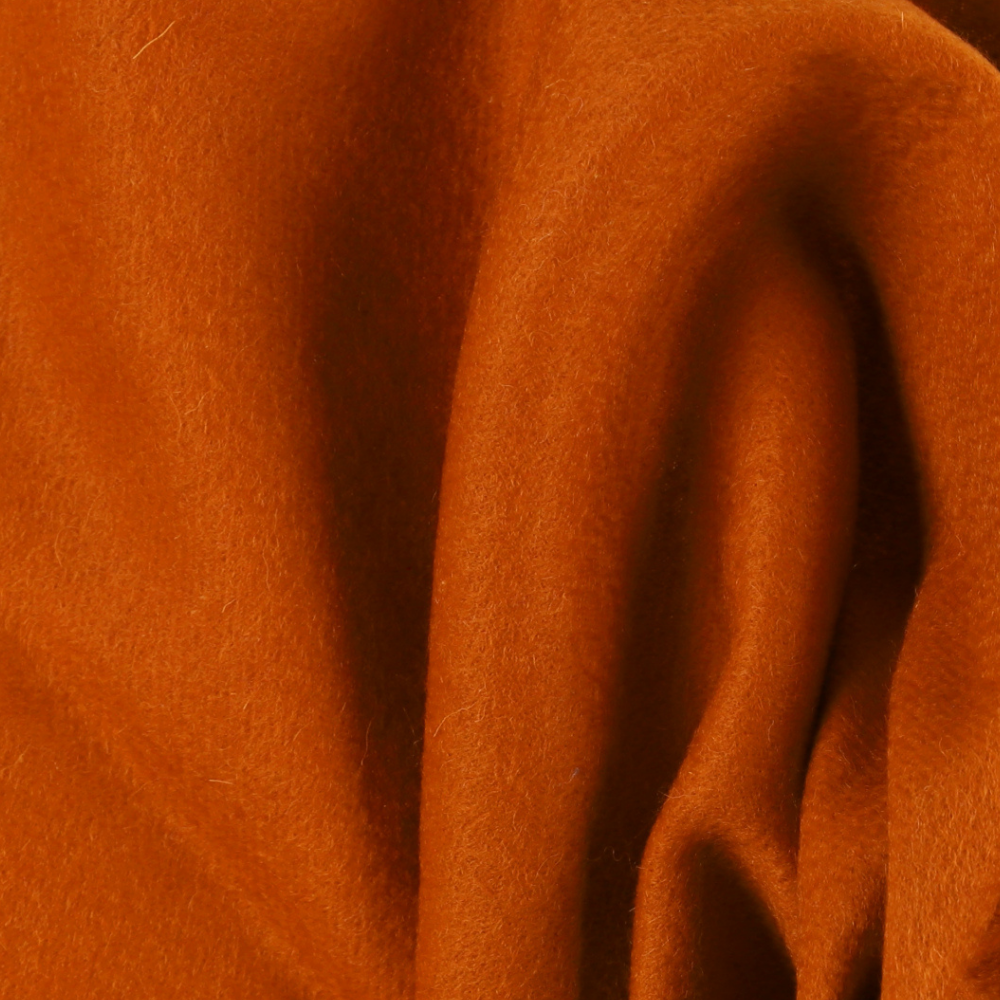
200×35 cm / 79×14 in
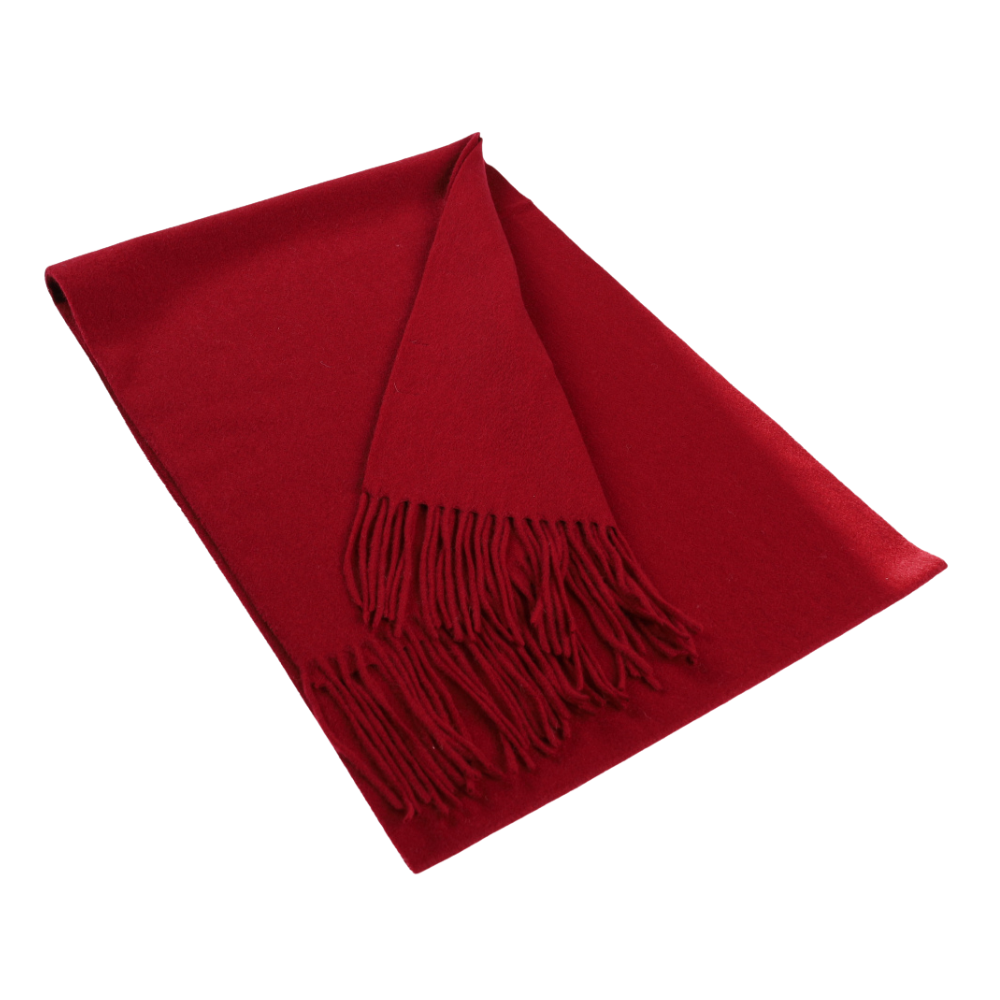
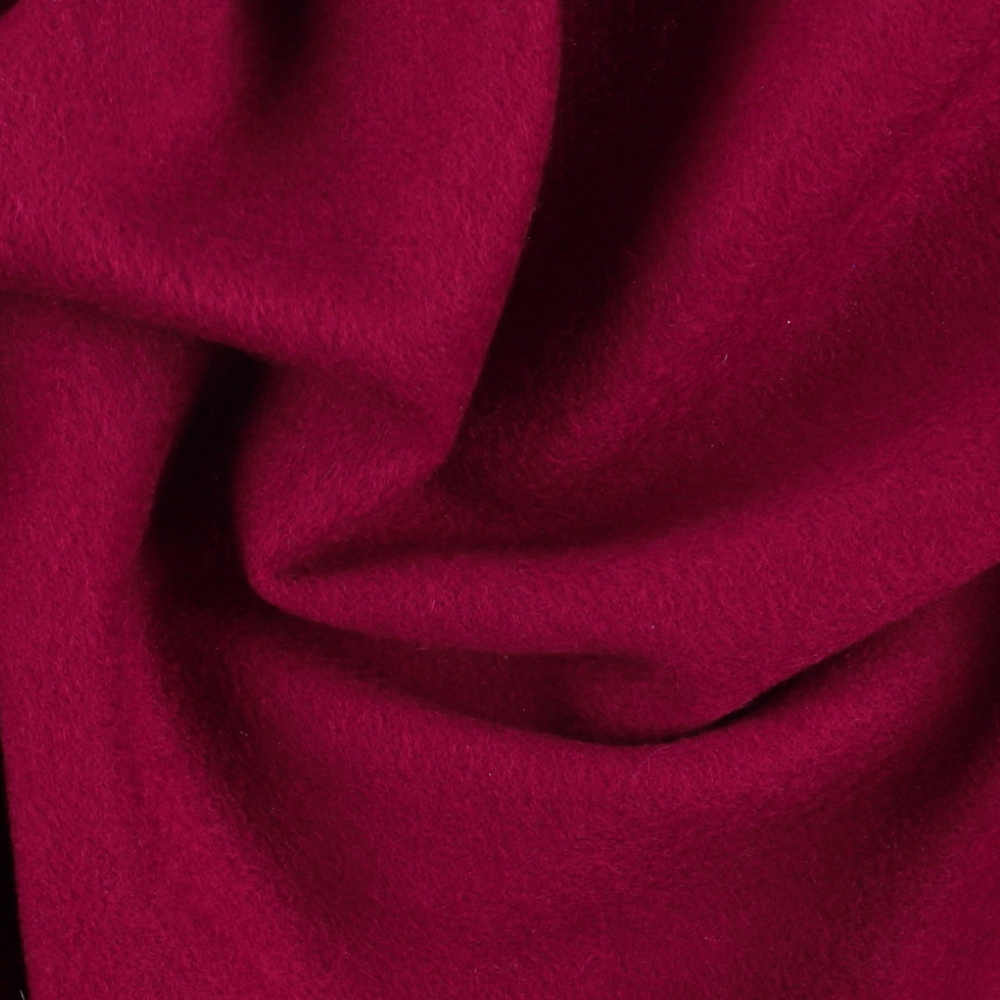
200×35 cm / 79×14 in
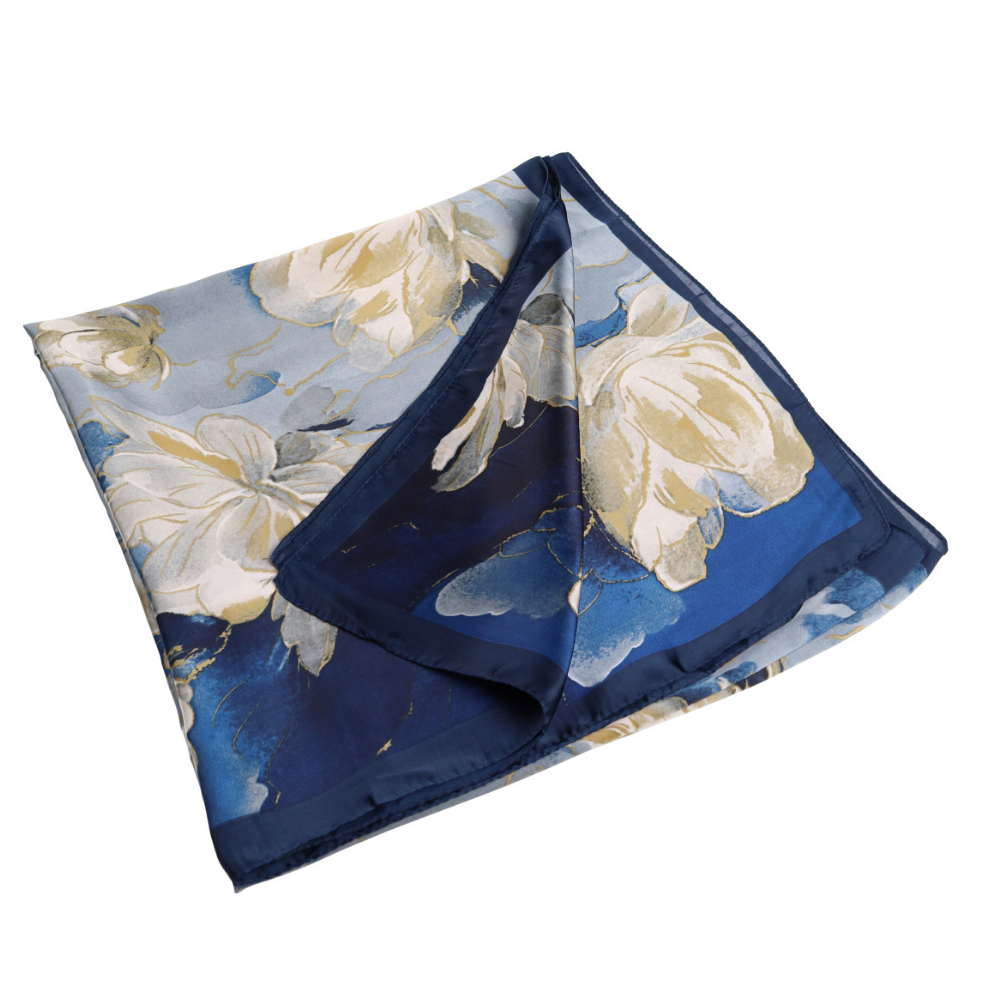
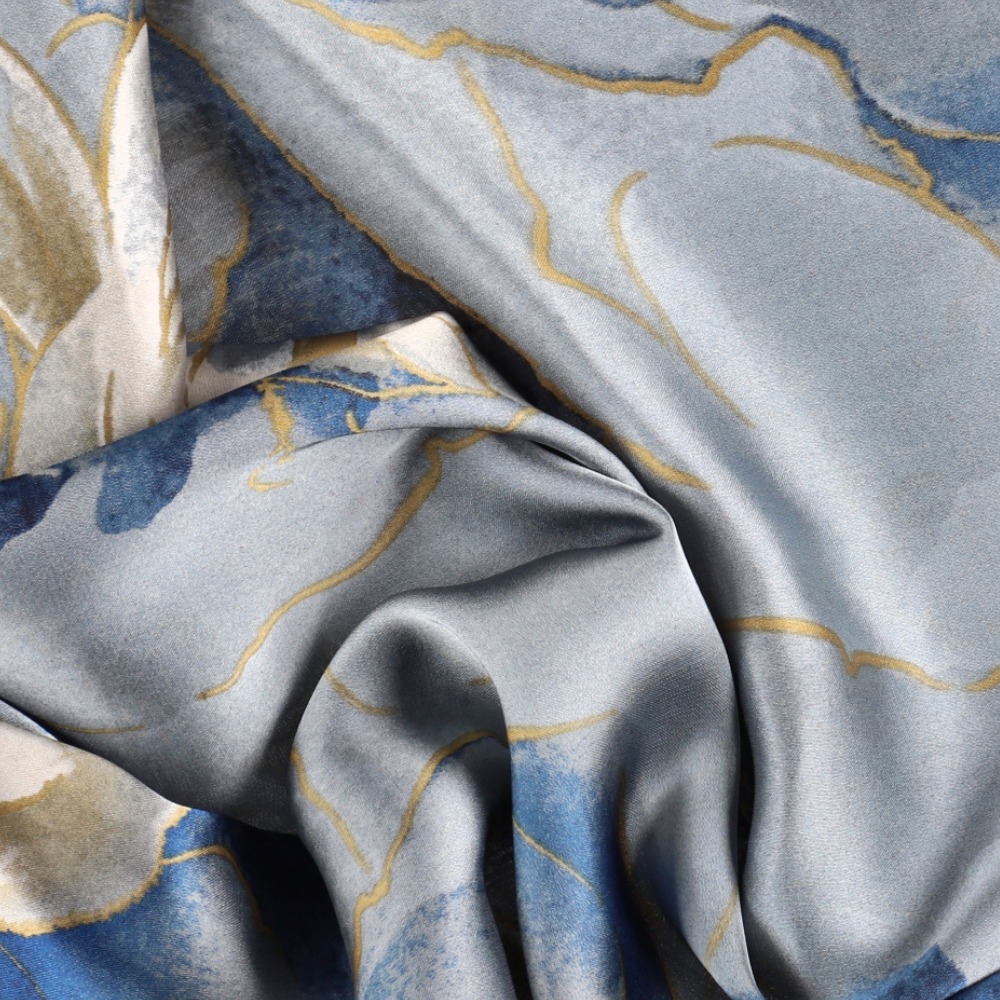
180×90 cm / 71×35 in
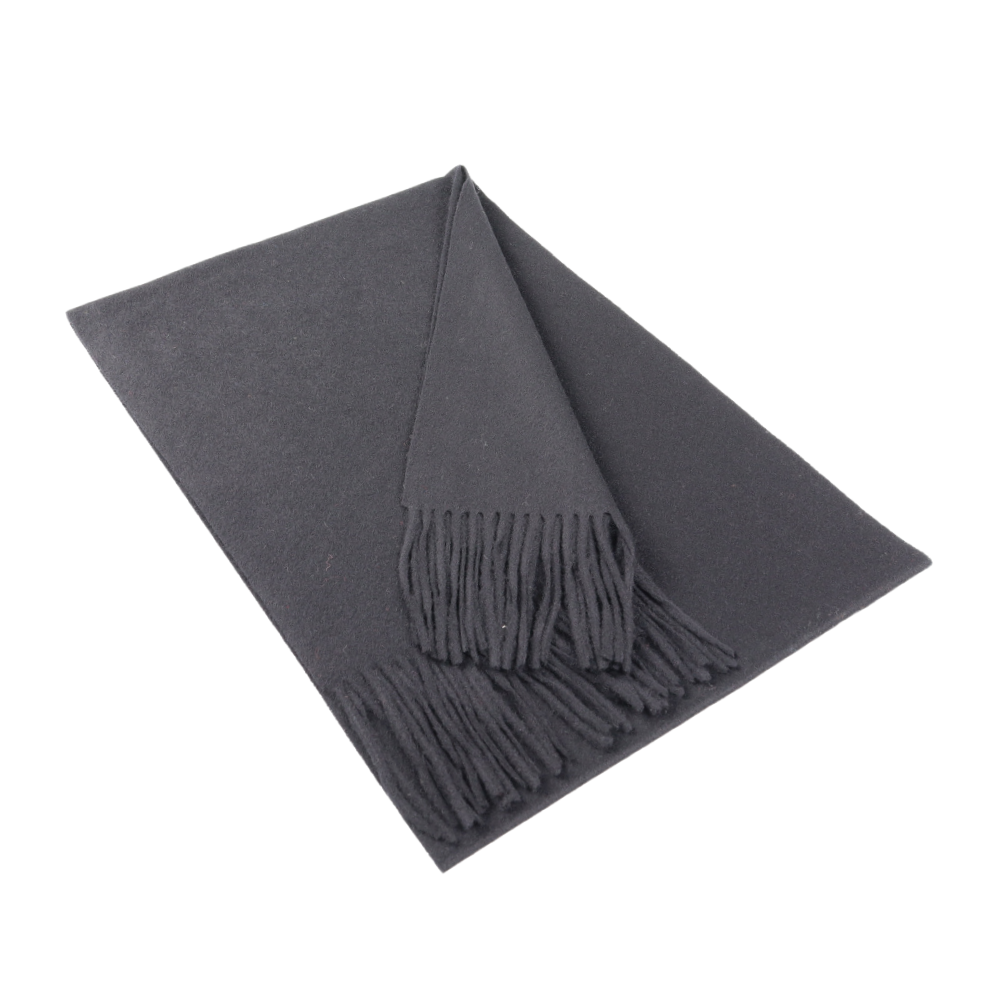
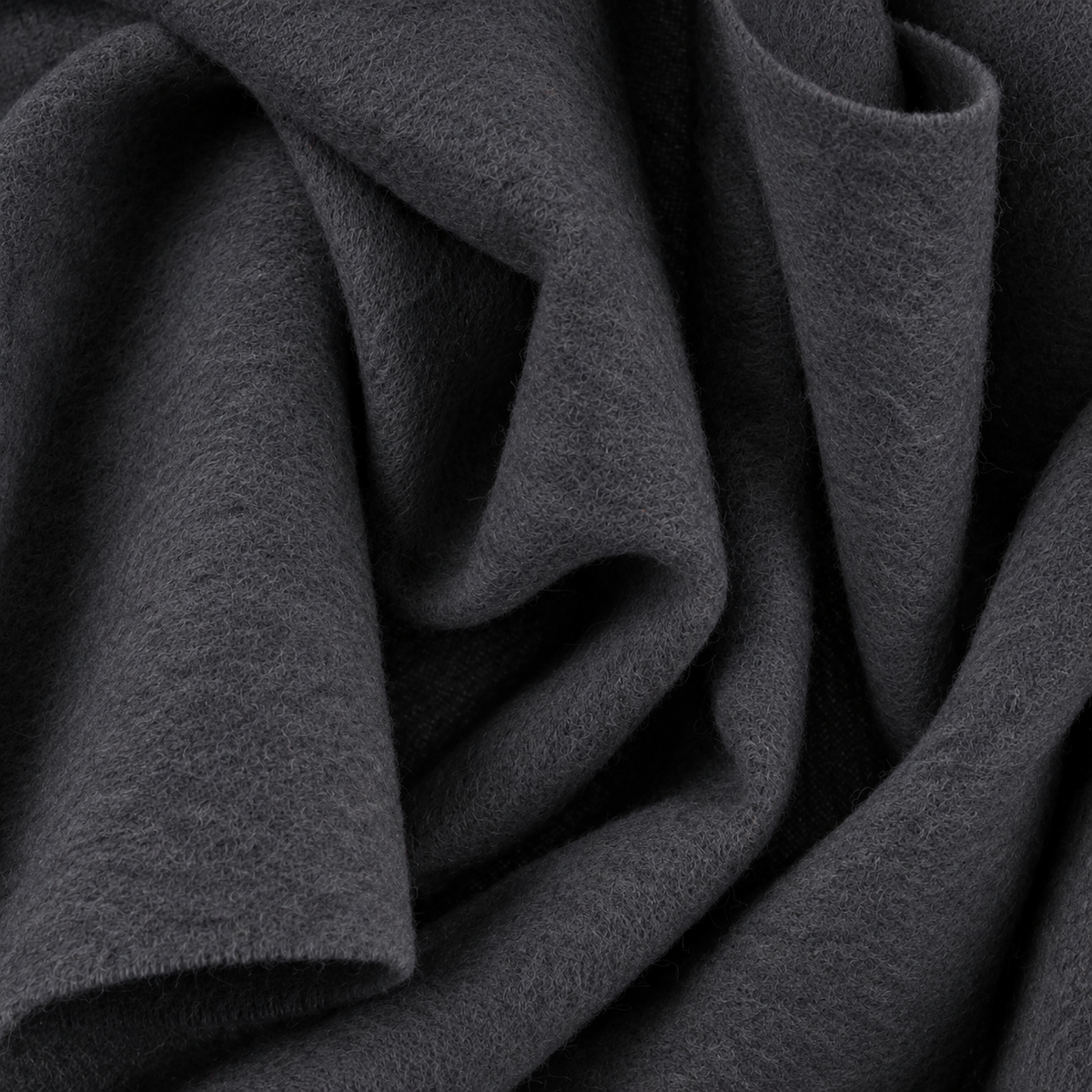
200×35 cm / 79×14 in
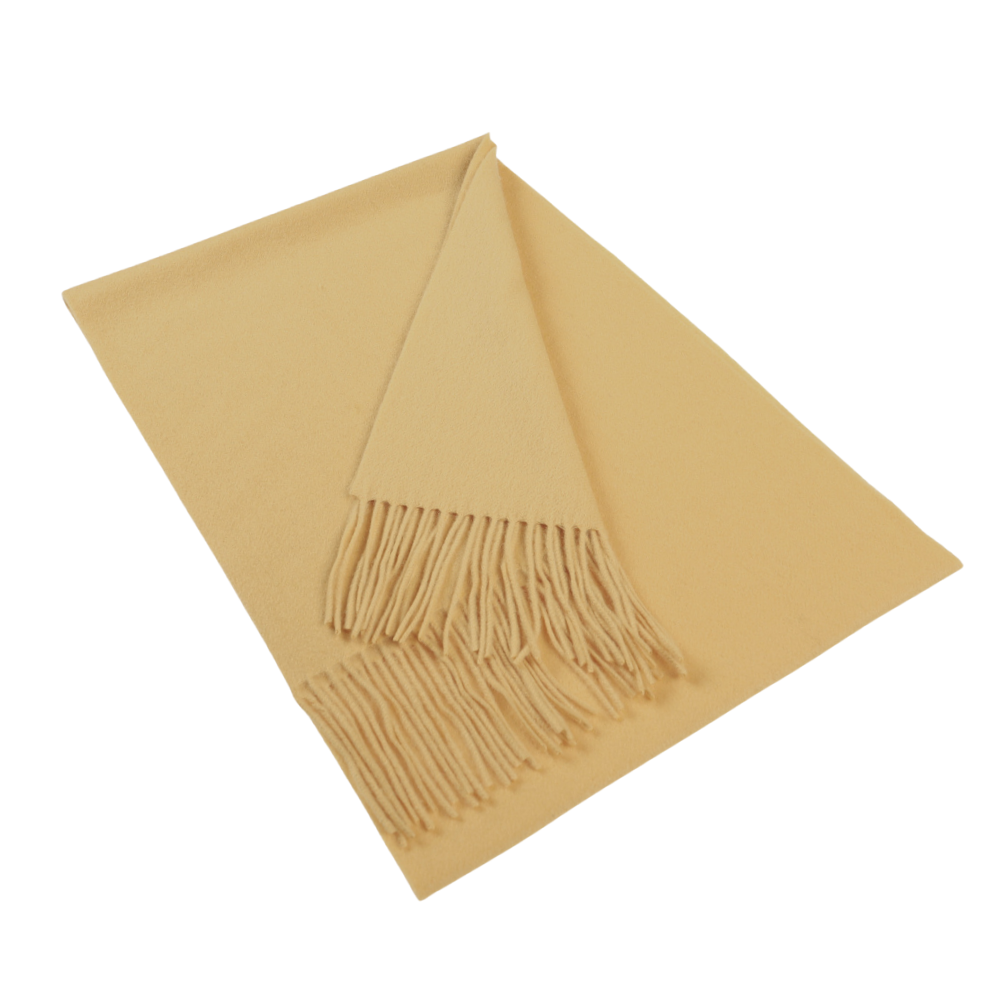
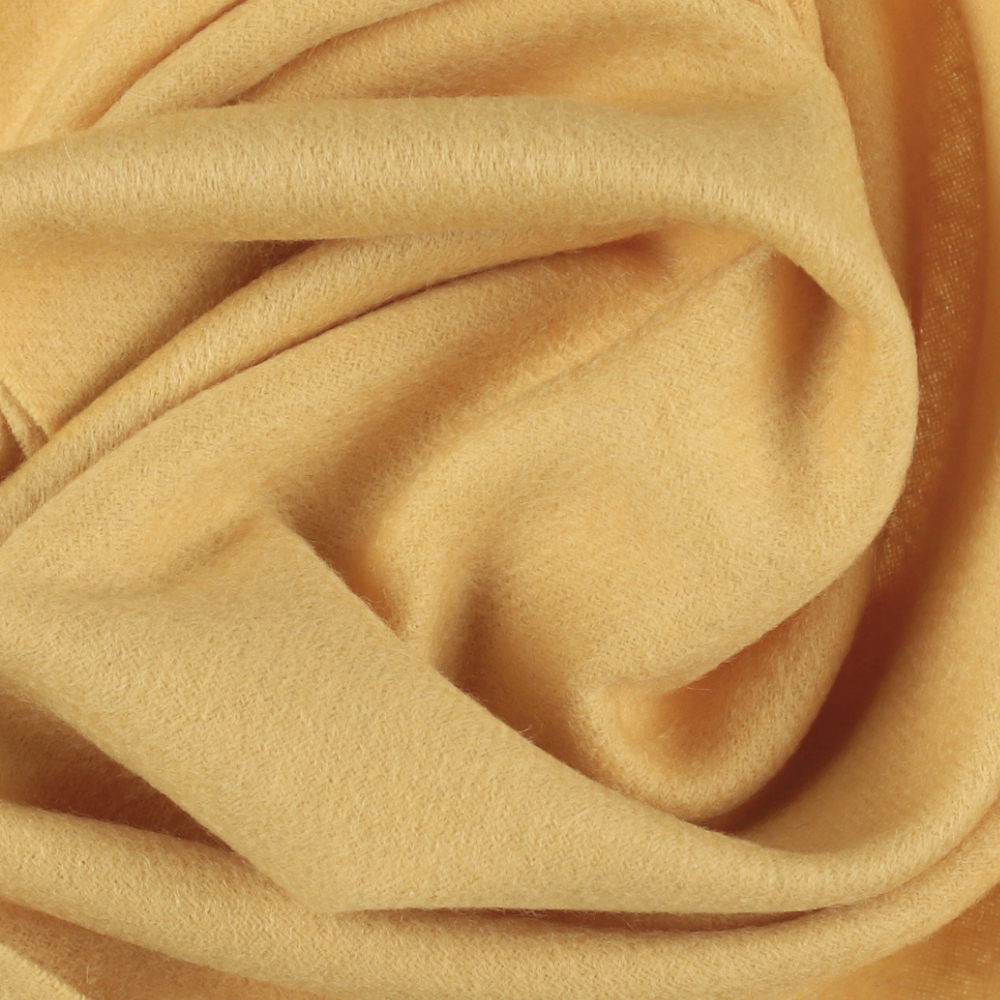
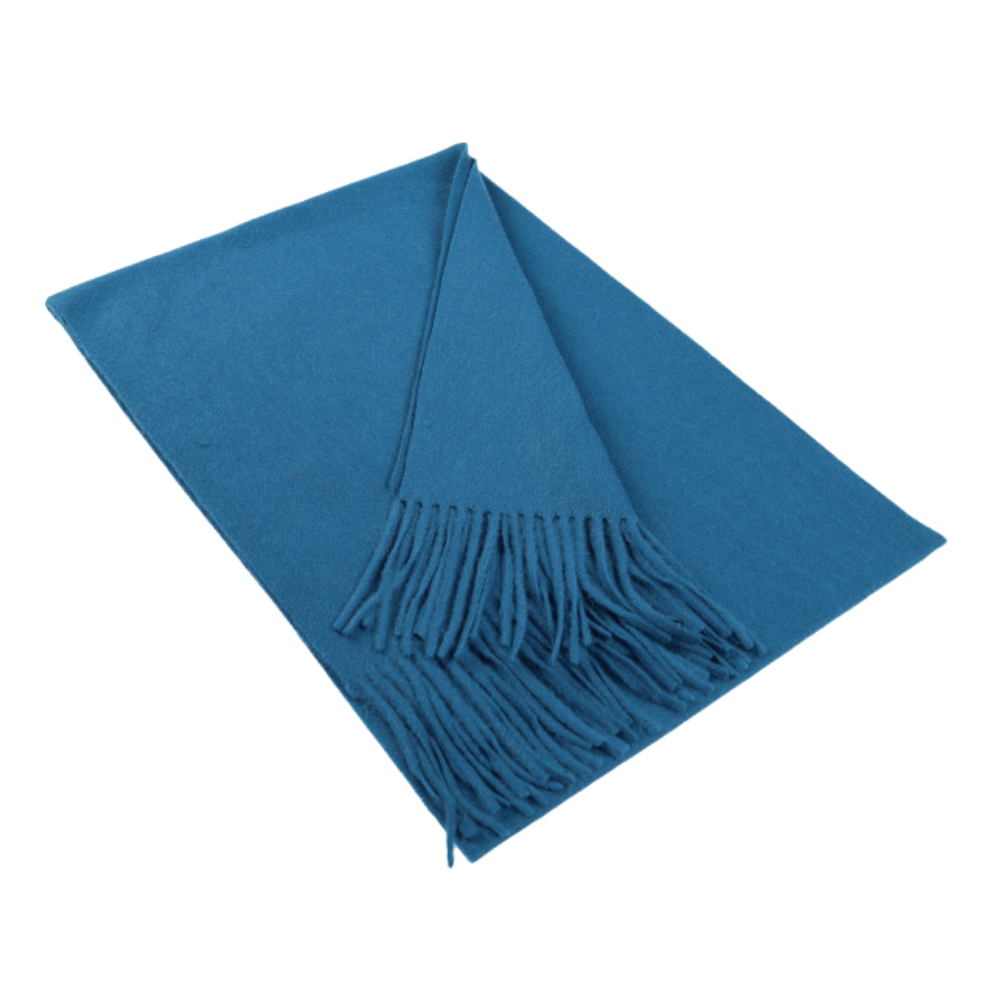
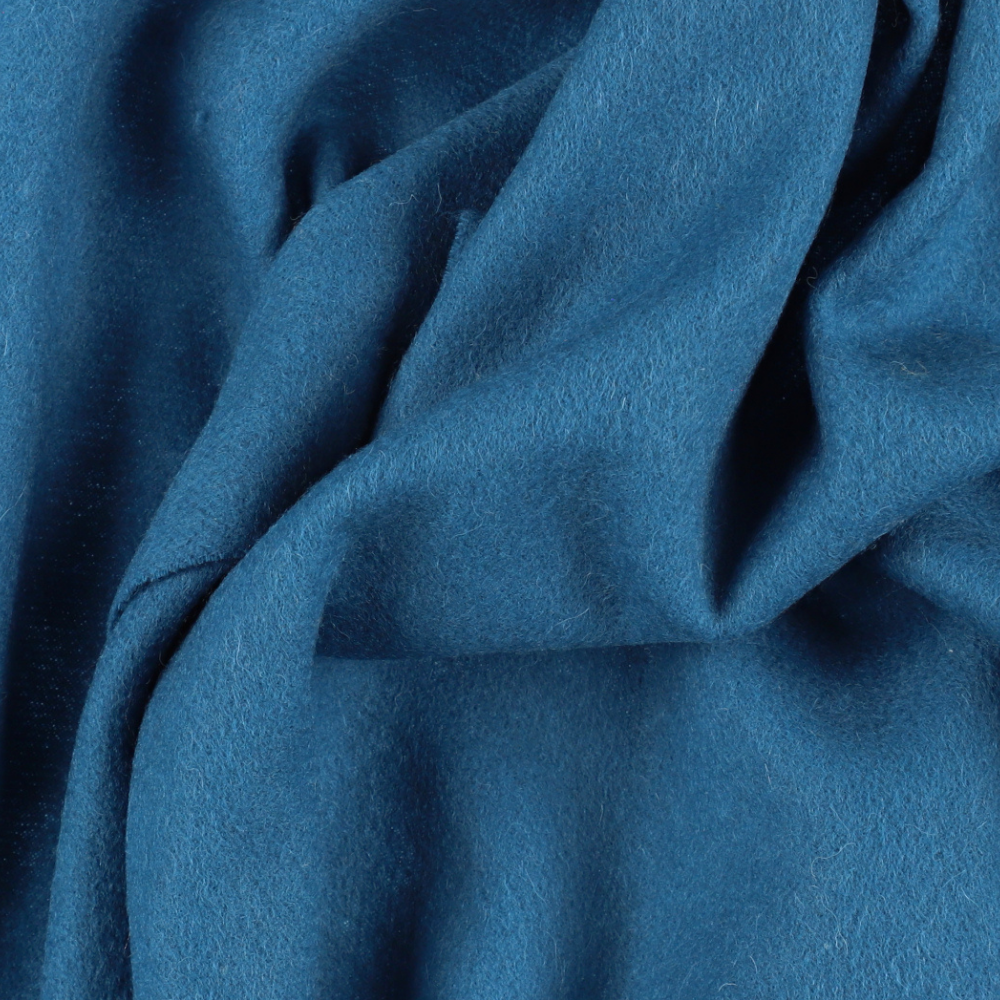
200×35 cm / 79×14 in
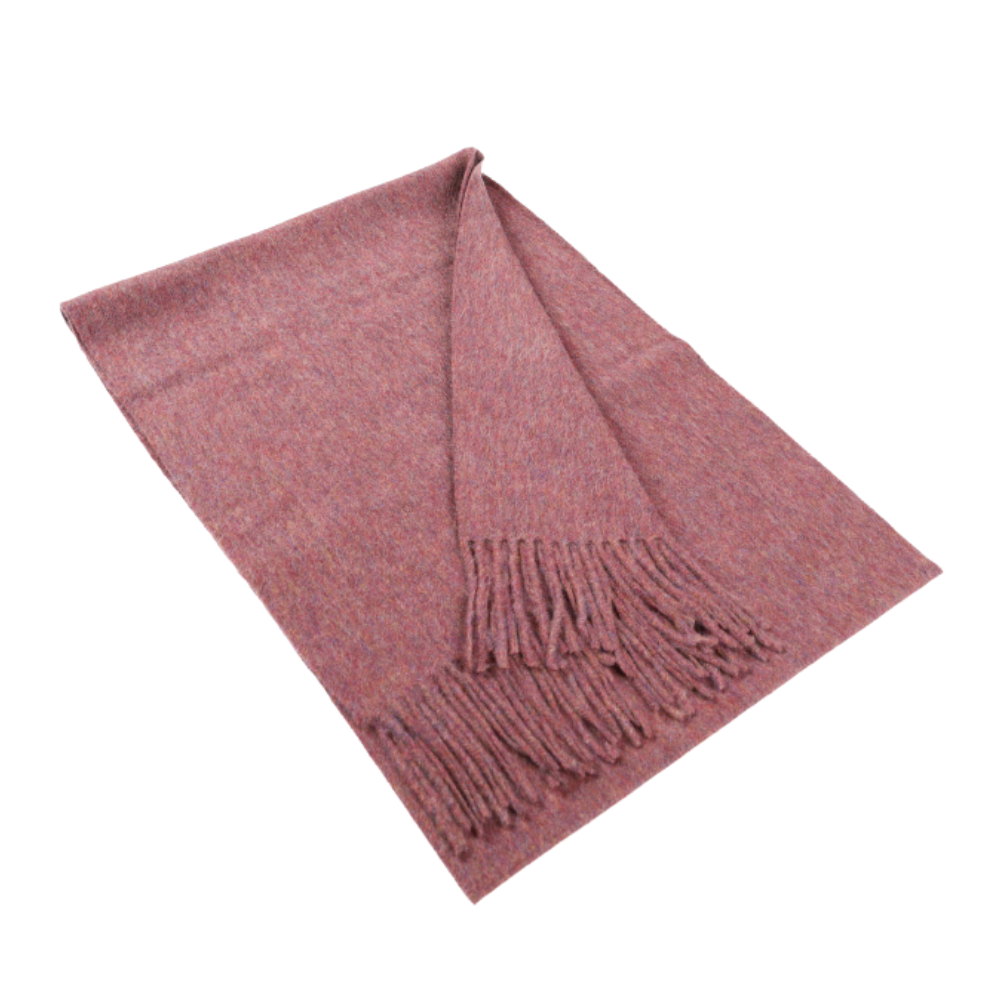
200×35 cm / 79×14 in
200×35 cm / 79×14 in
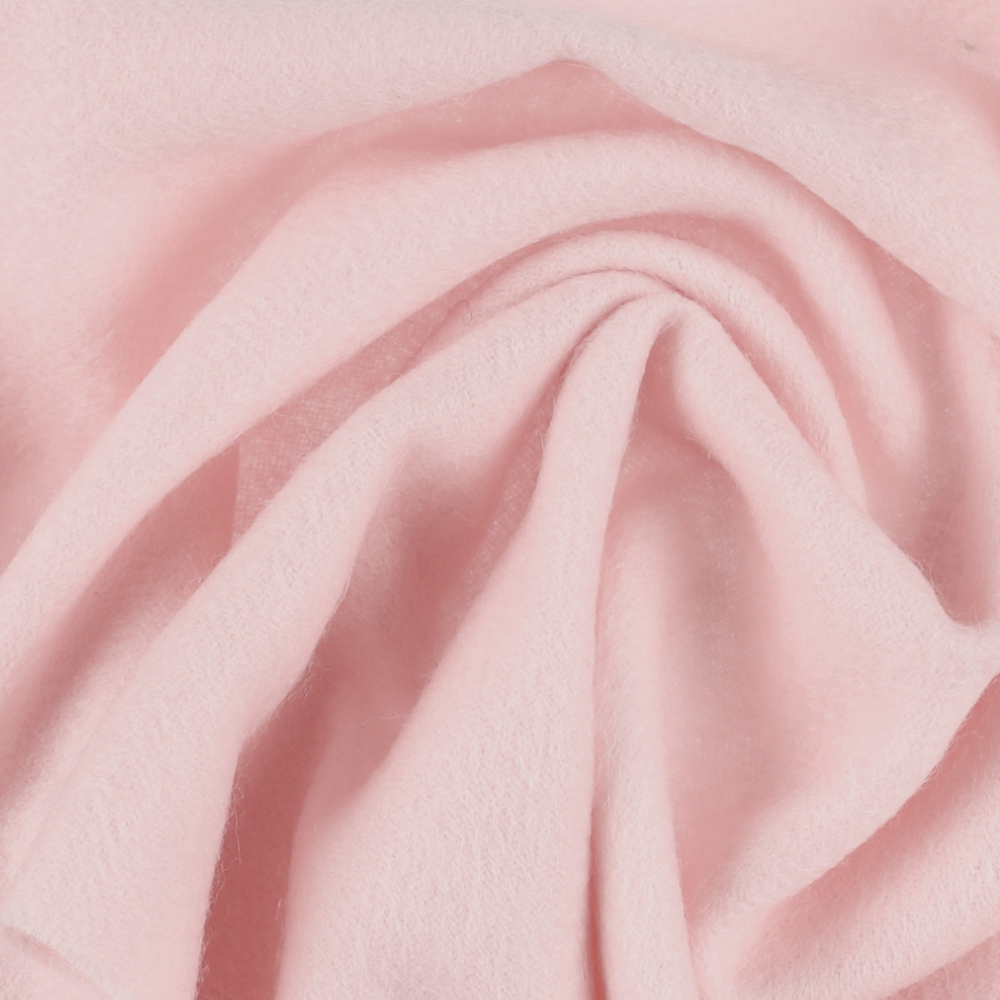
200×35 cm / 79×14 in
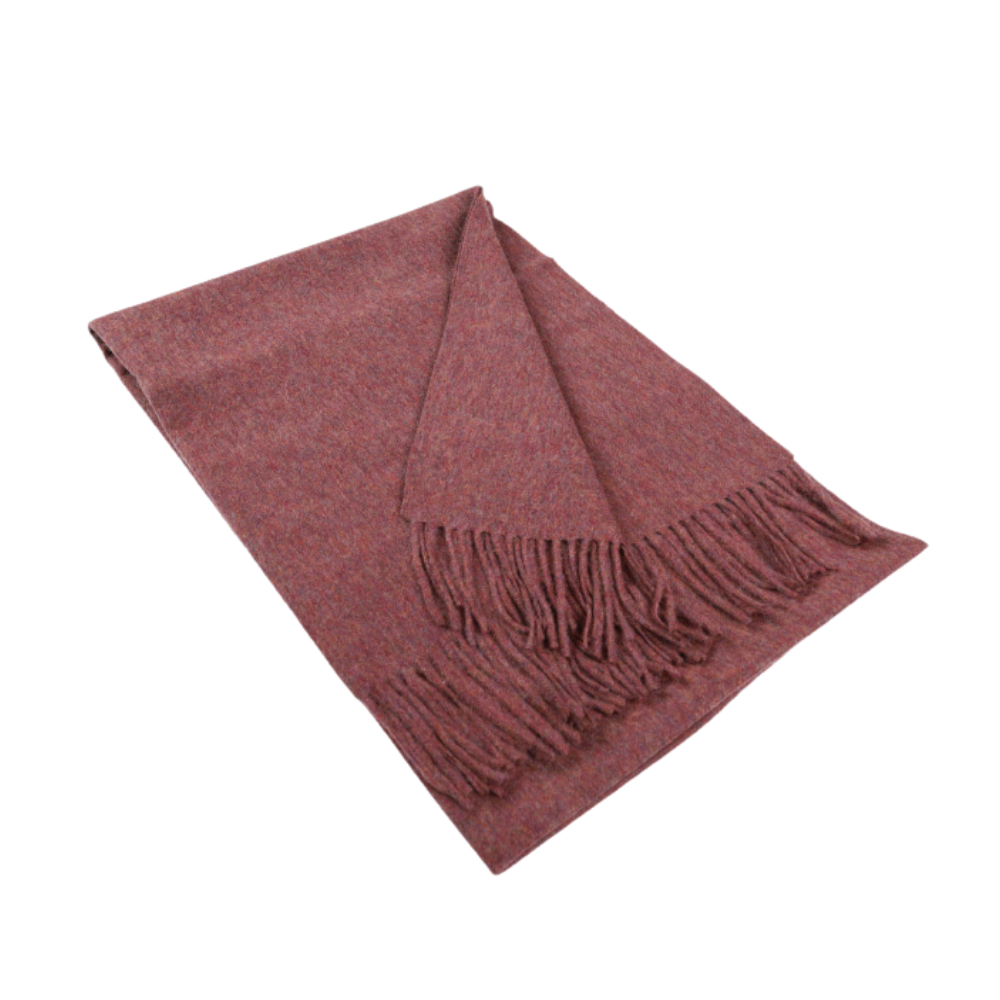
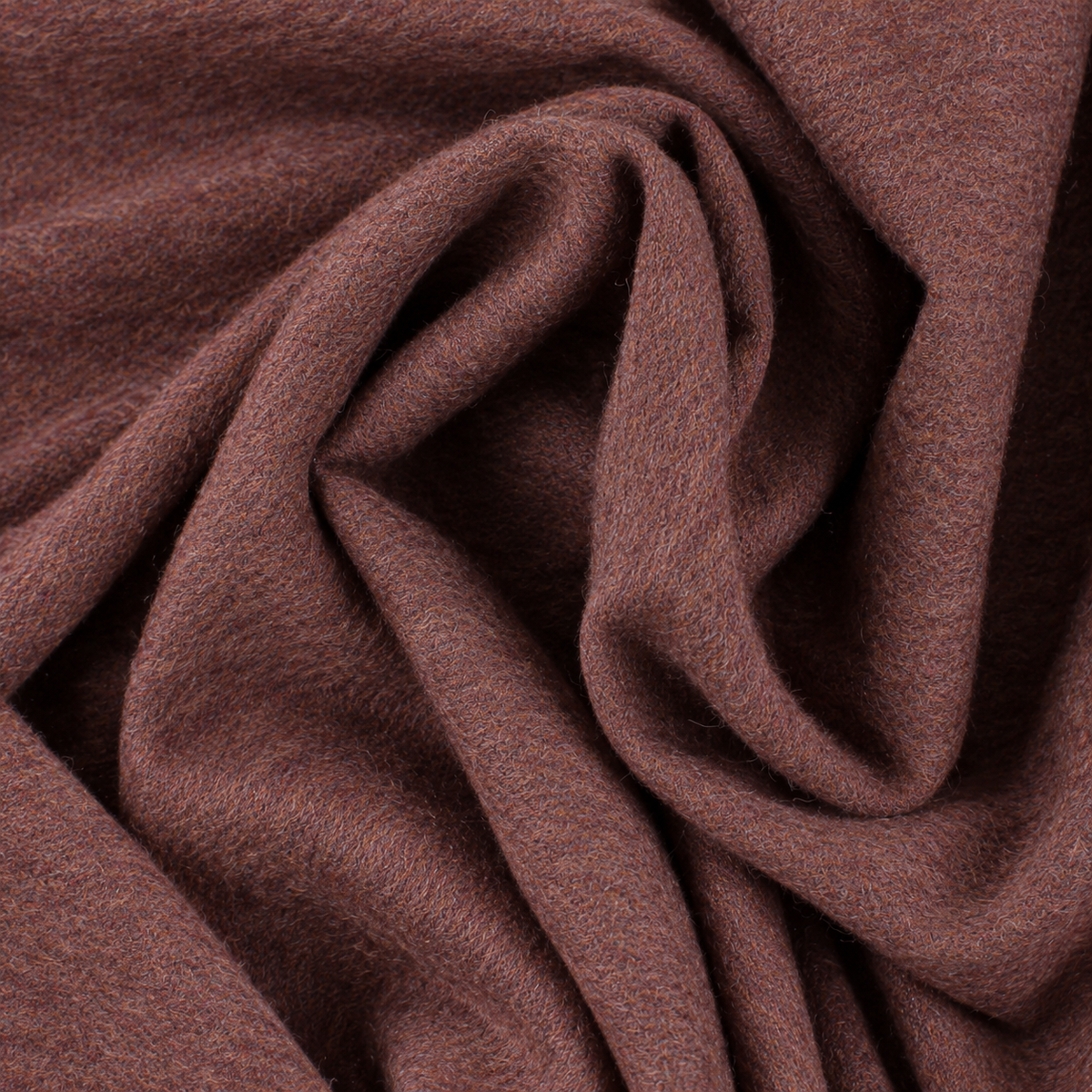
200×70 cm / 79×28 in
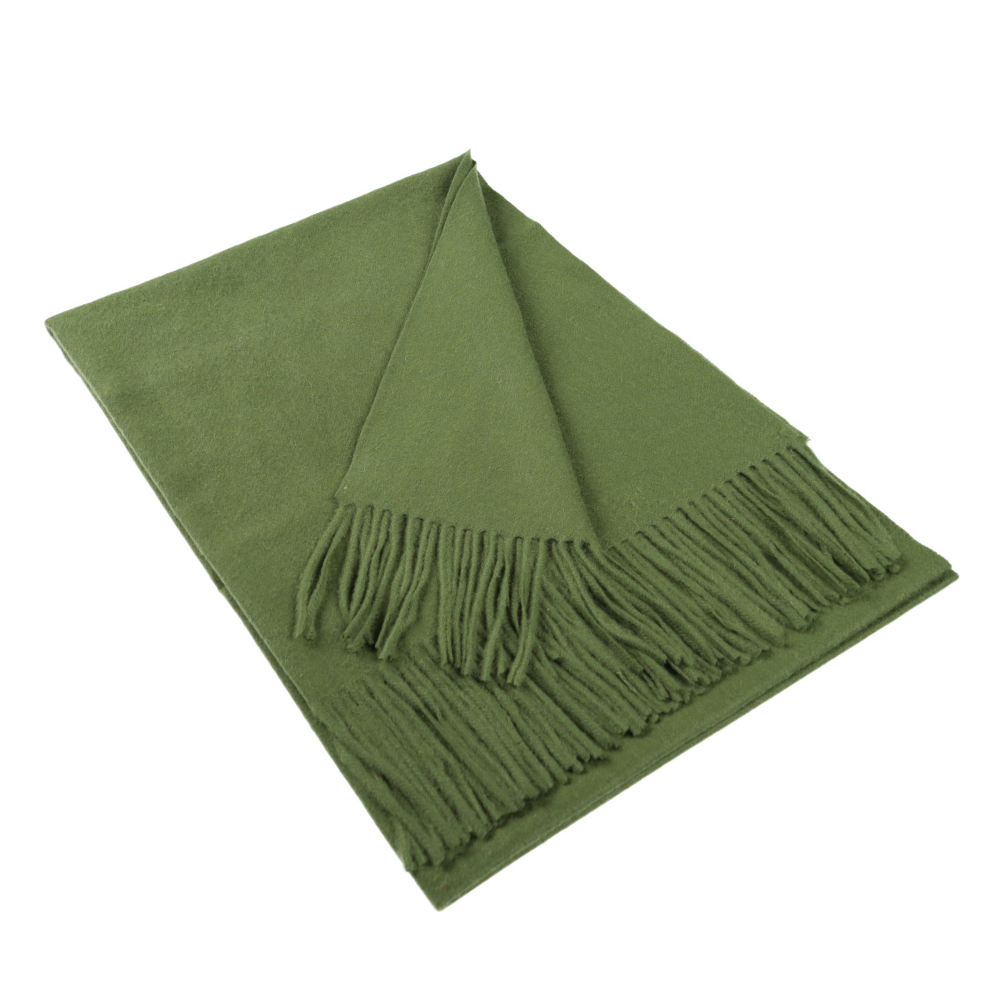
200×70 cm / 79×28 in
200×35 cm / 79×14 in
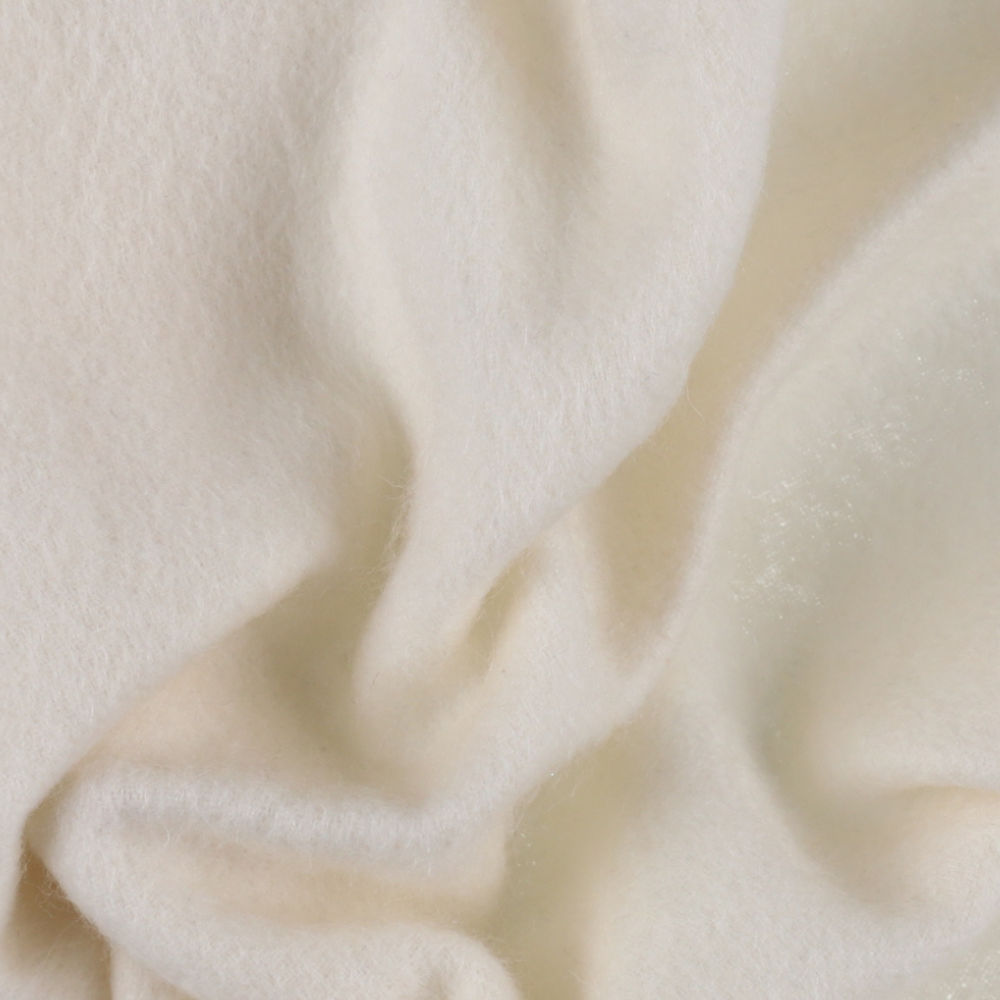
200×35 cm / 79×14 in
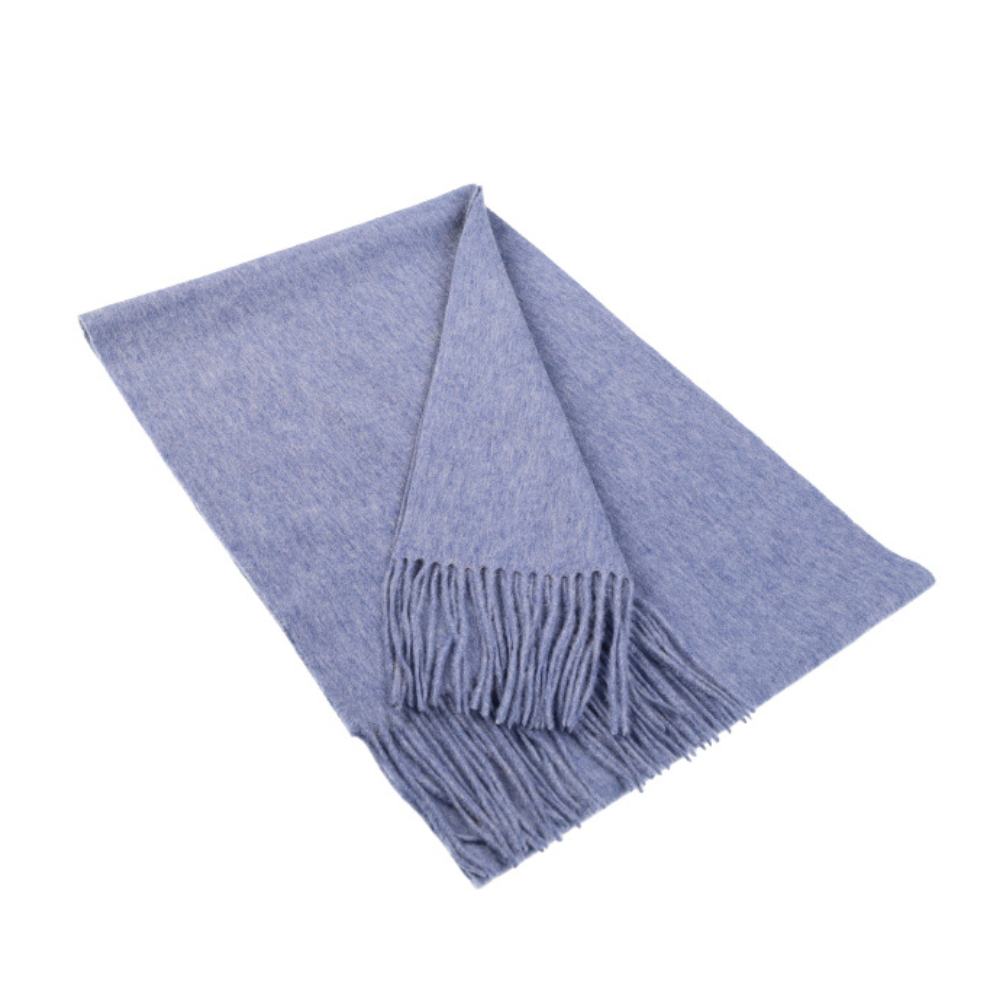
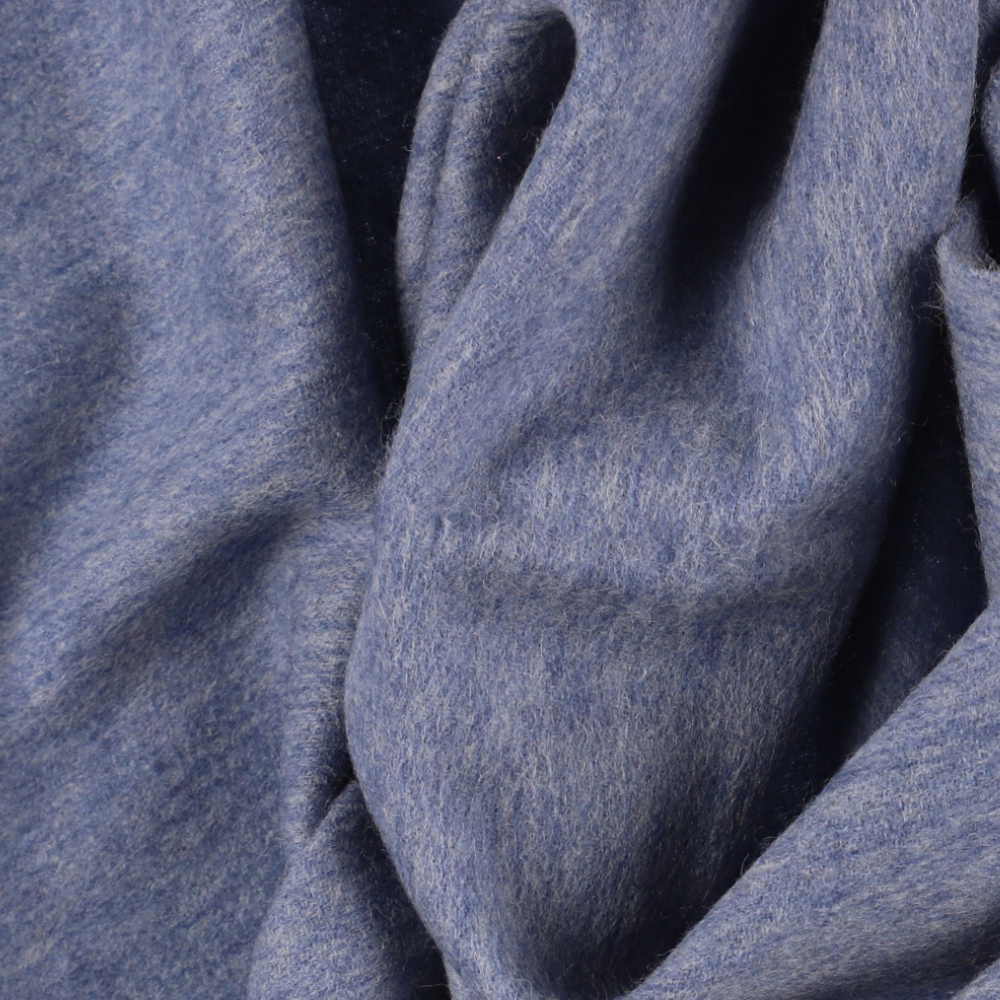
200×35 cm / 79×14 in
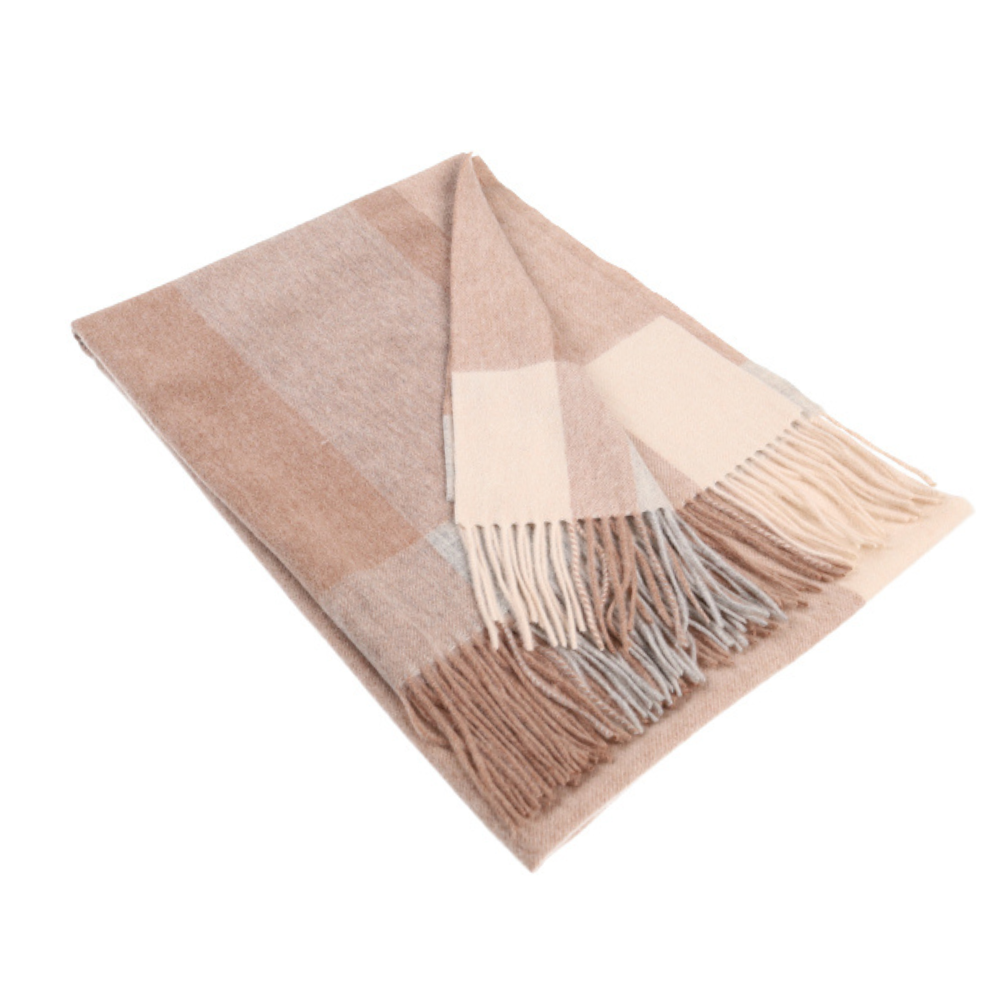
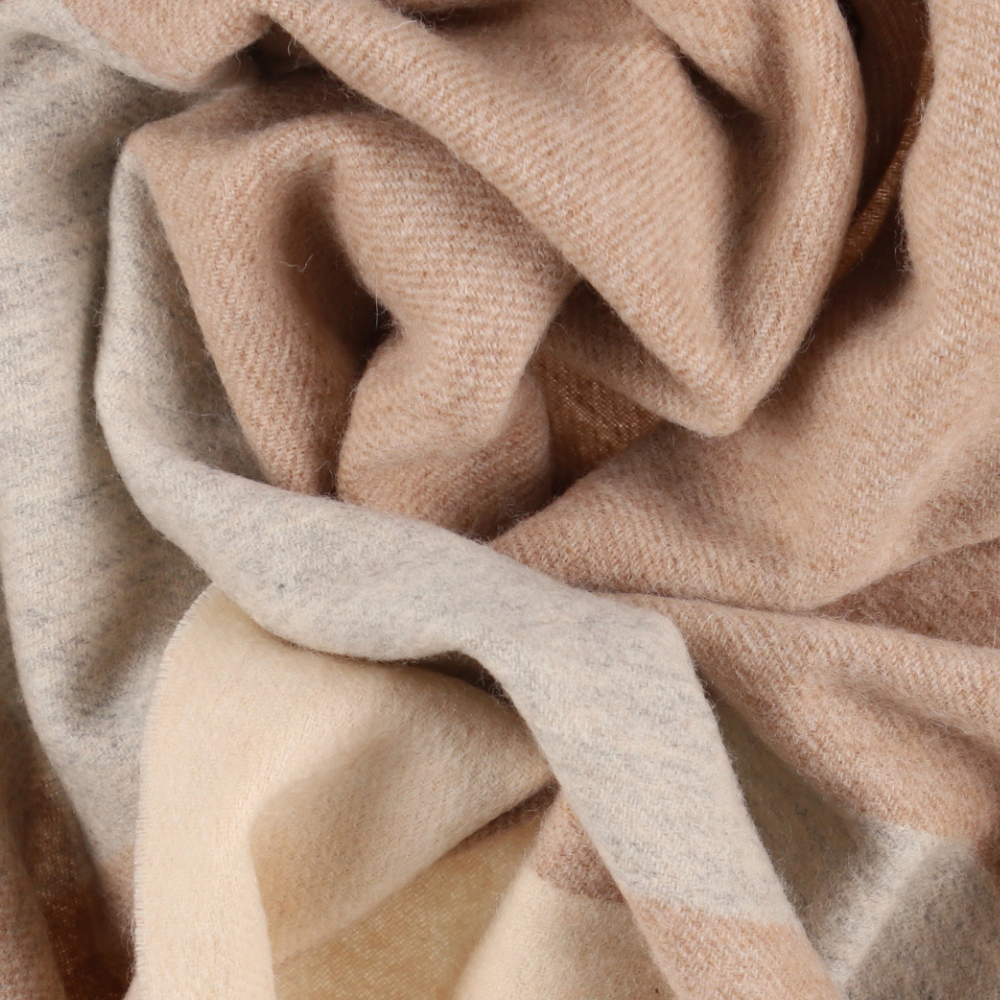
200×70 cm / 79×28 in
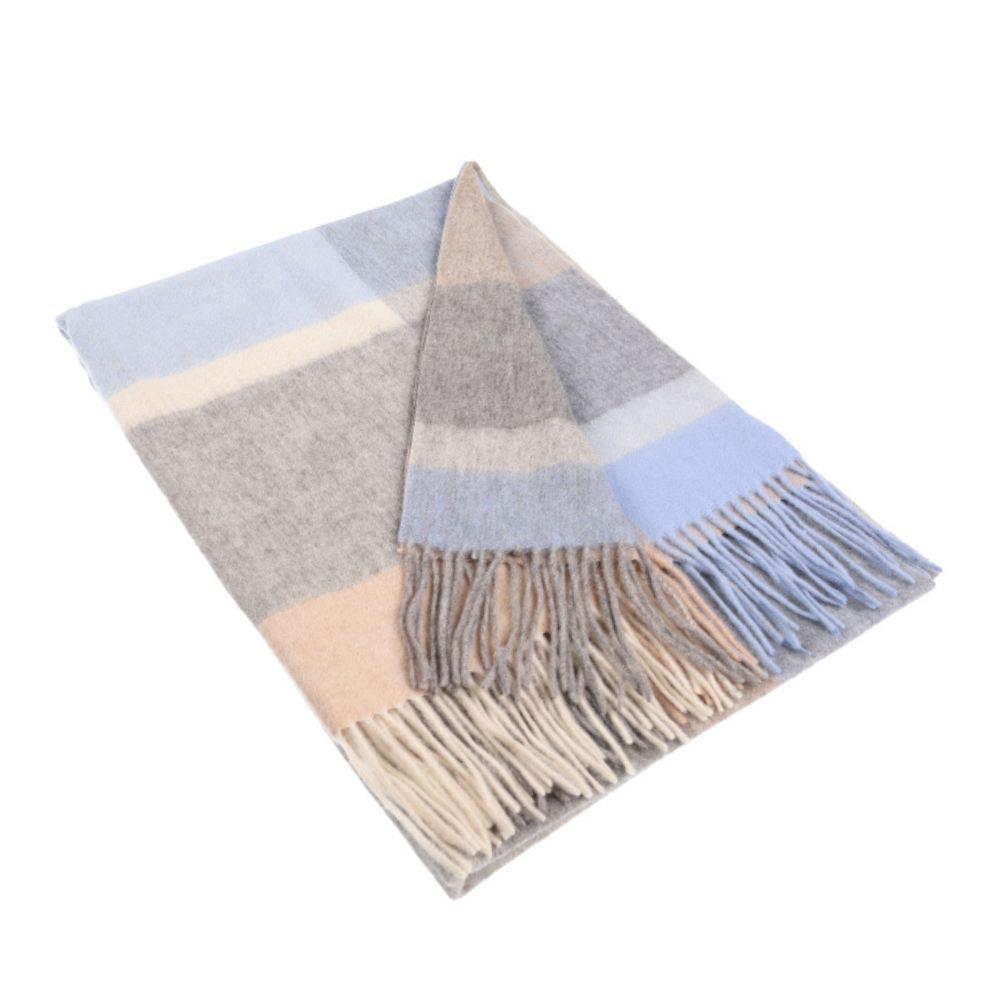
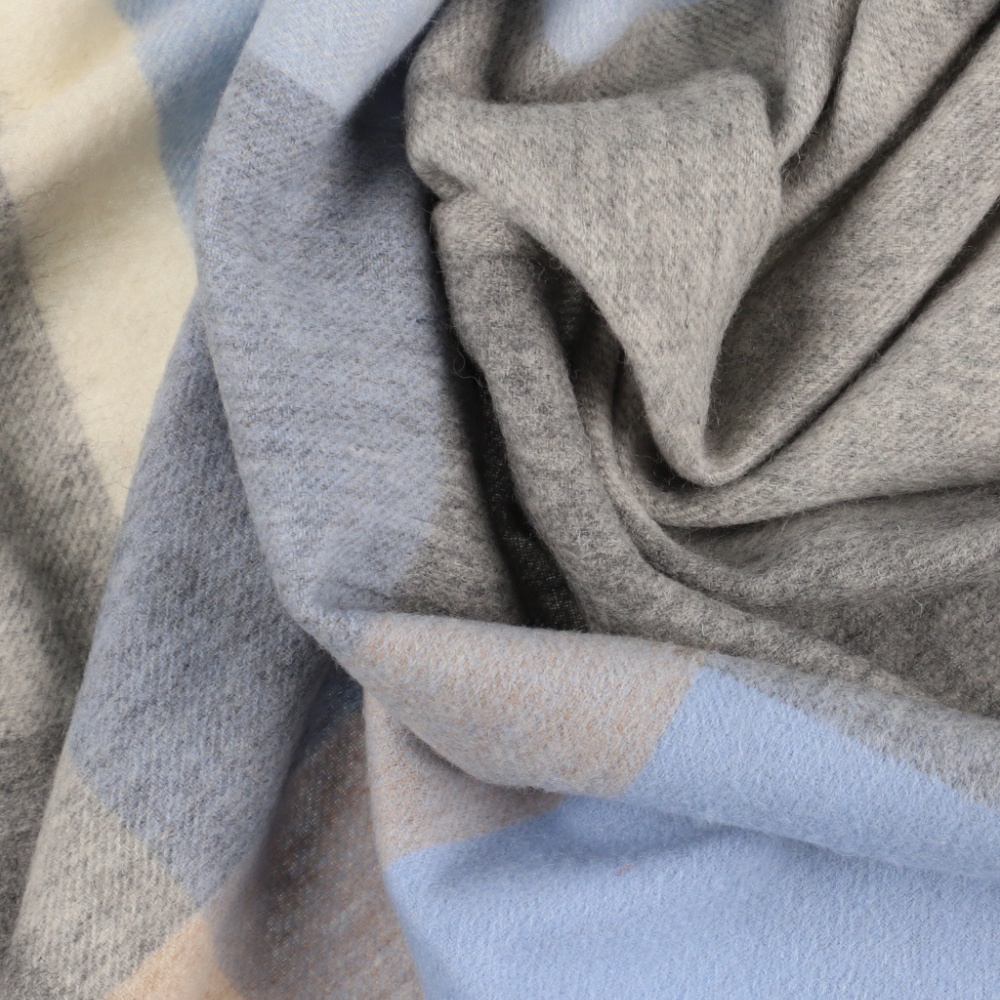
200×70 cm / 79×28 in
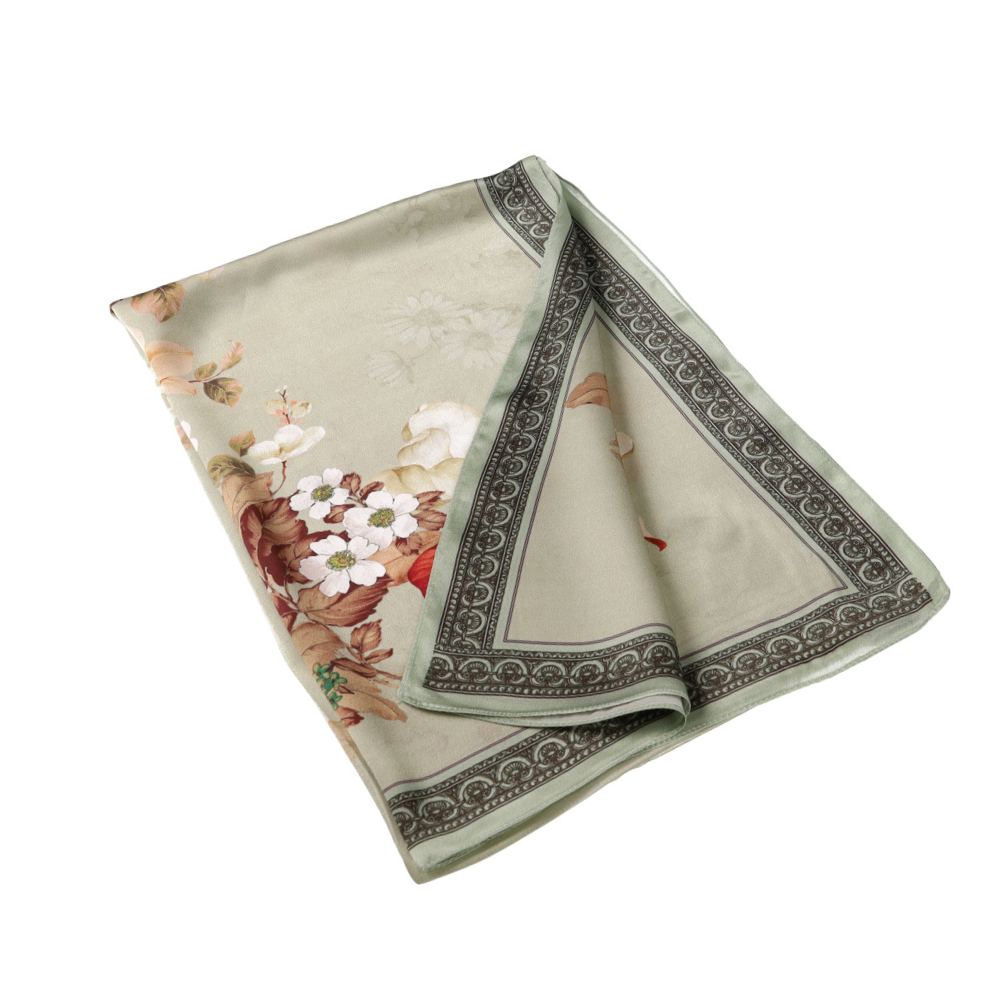
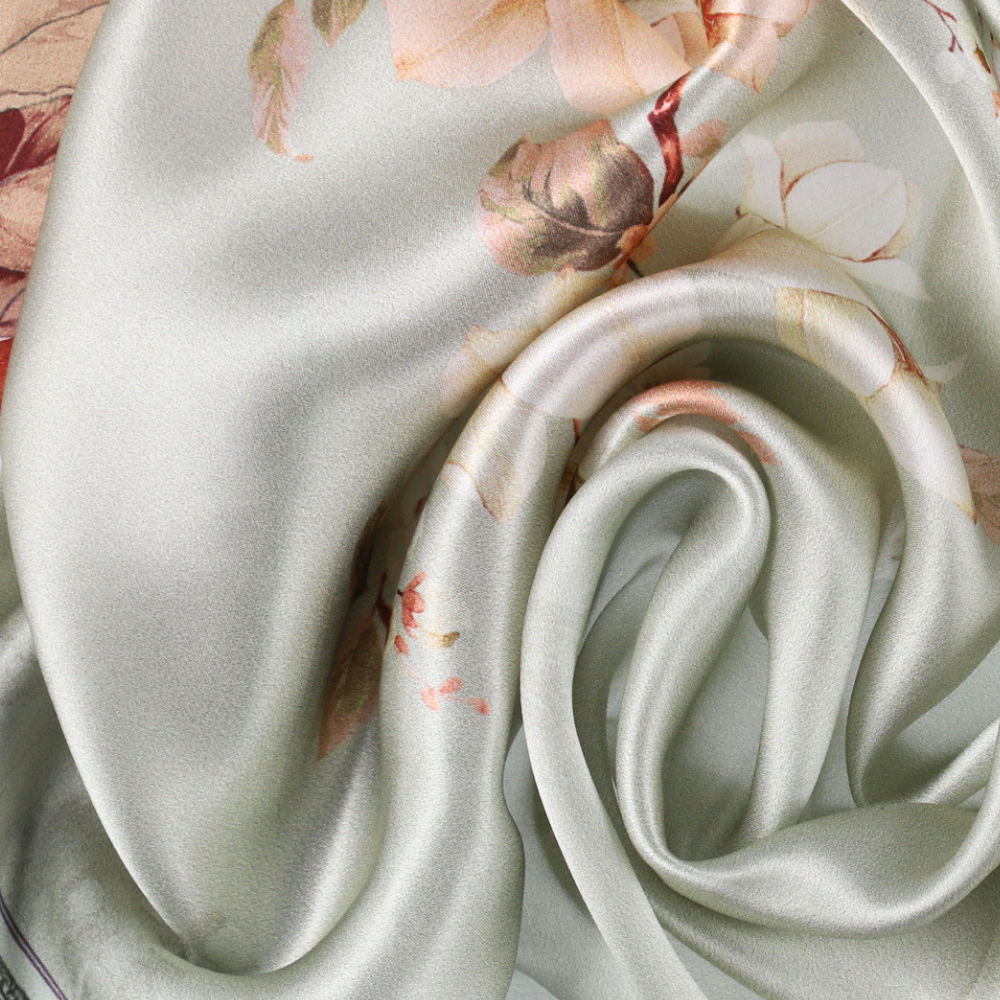
170×53 cm / 67×21 in
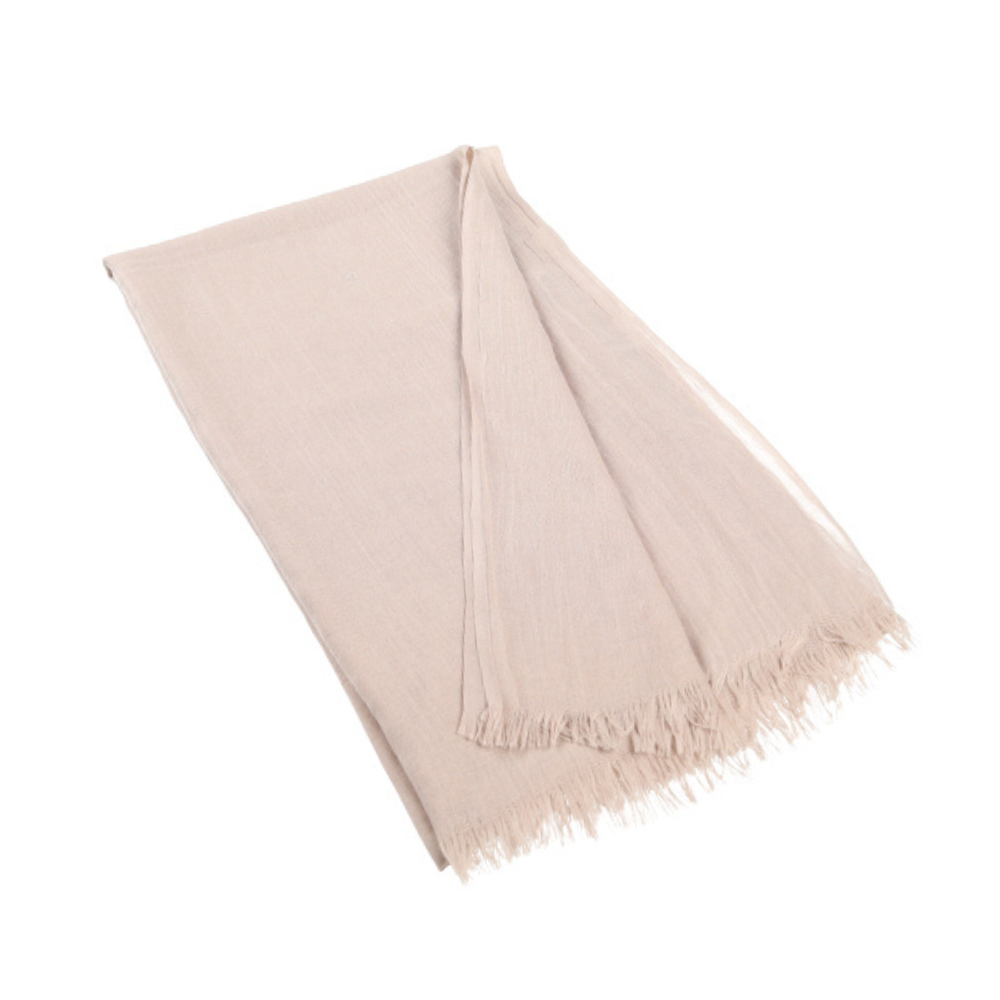
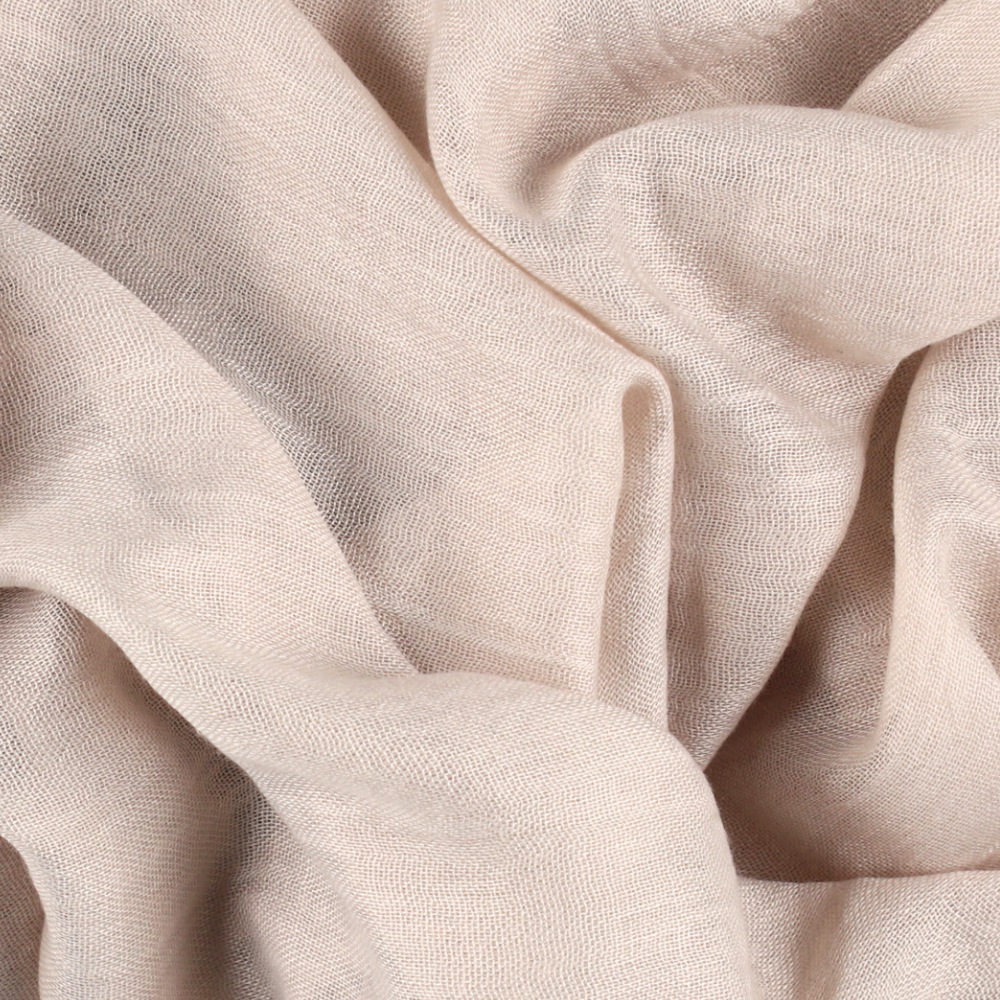
195×100 cm / 77×39 in
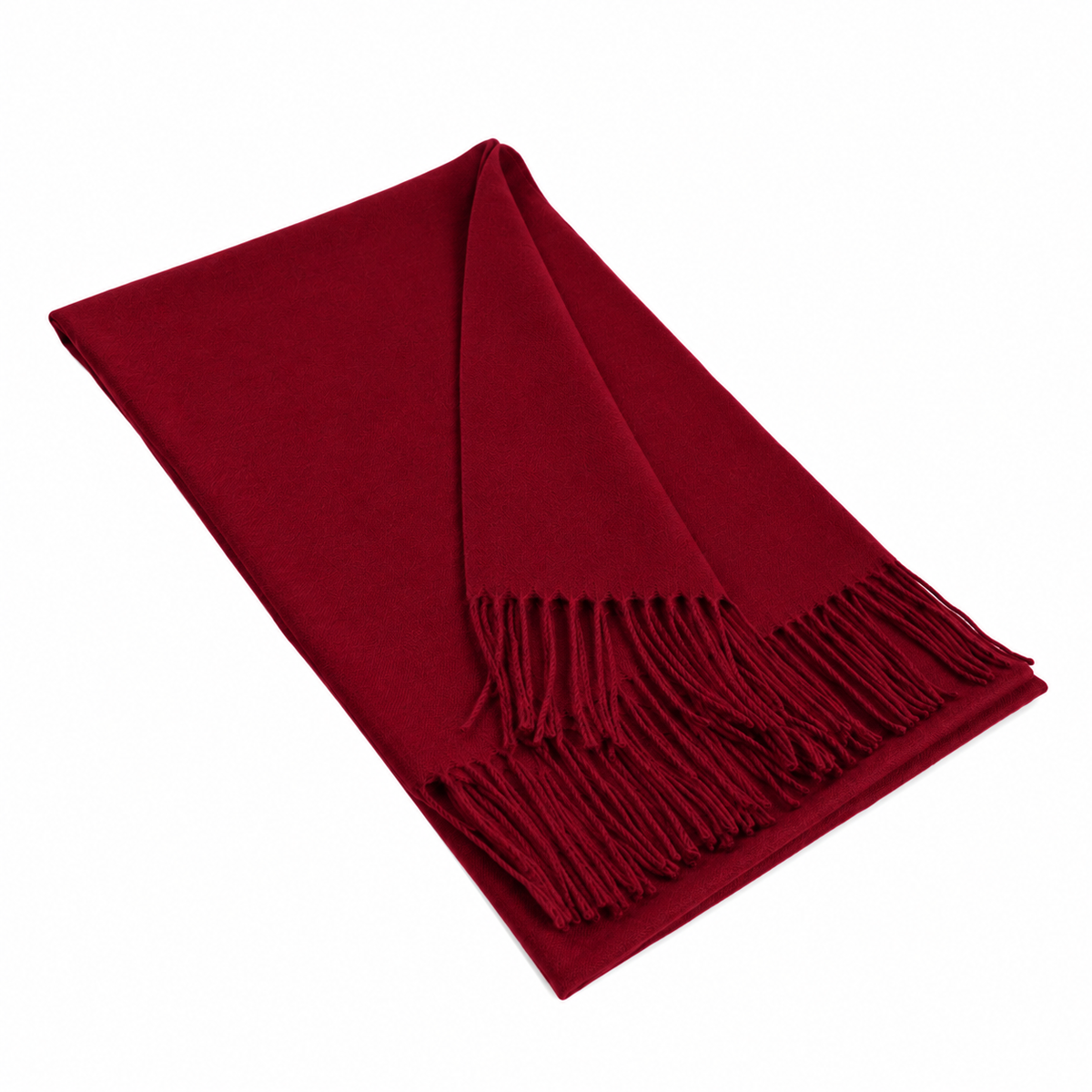
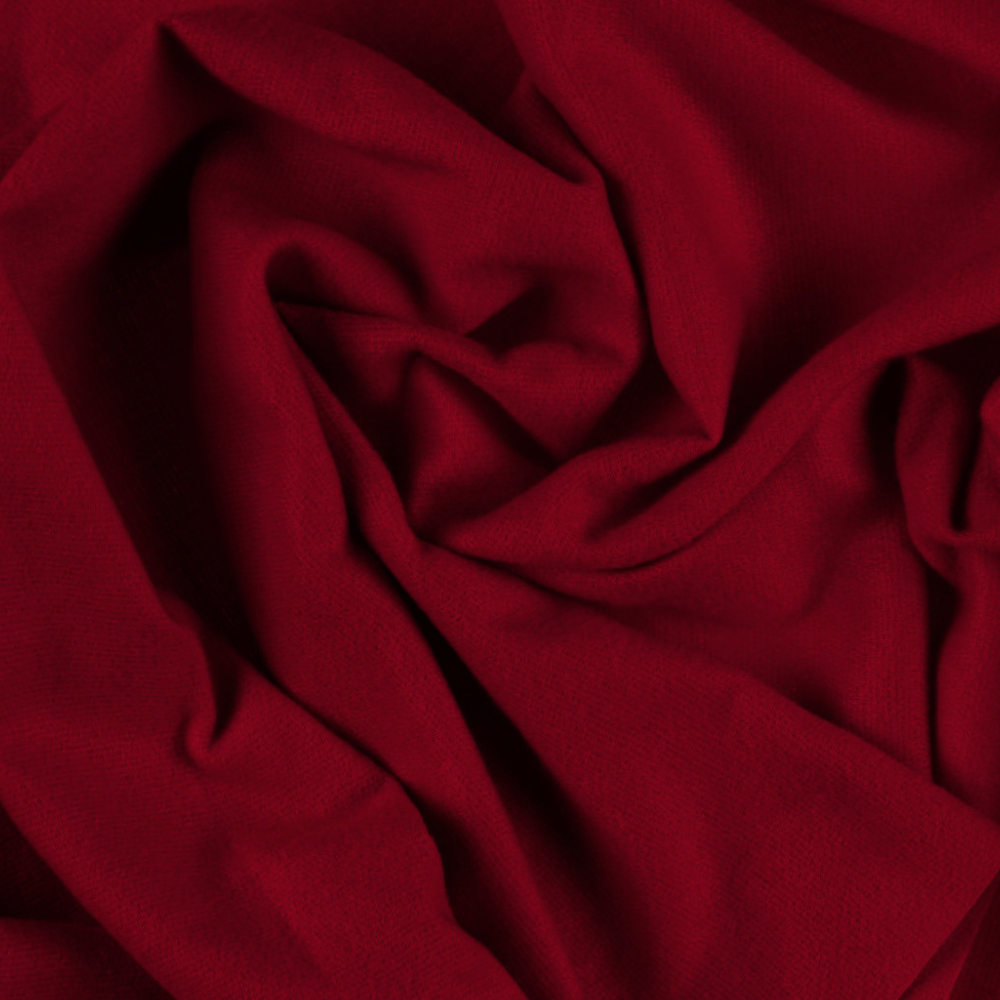
200×65 cm / 79×26 in
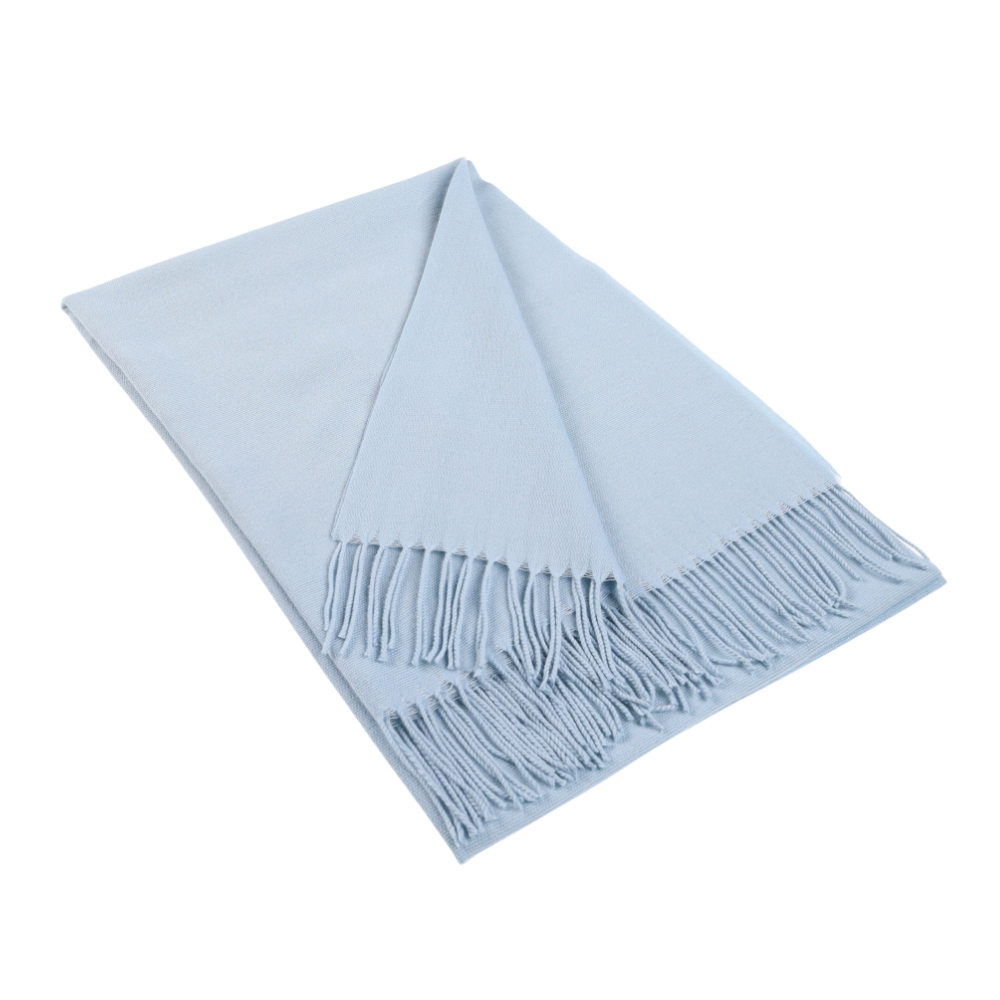
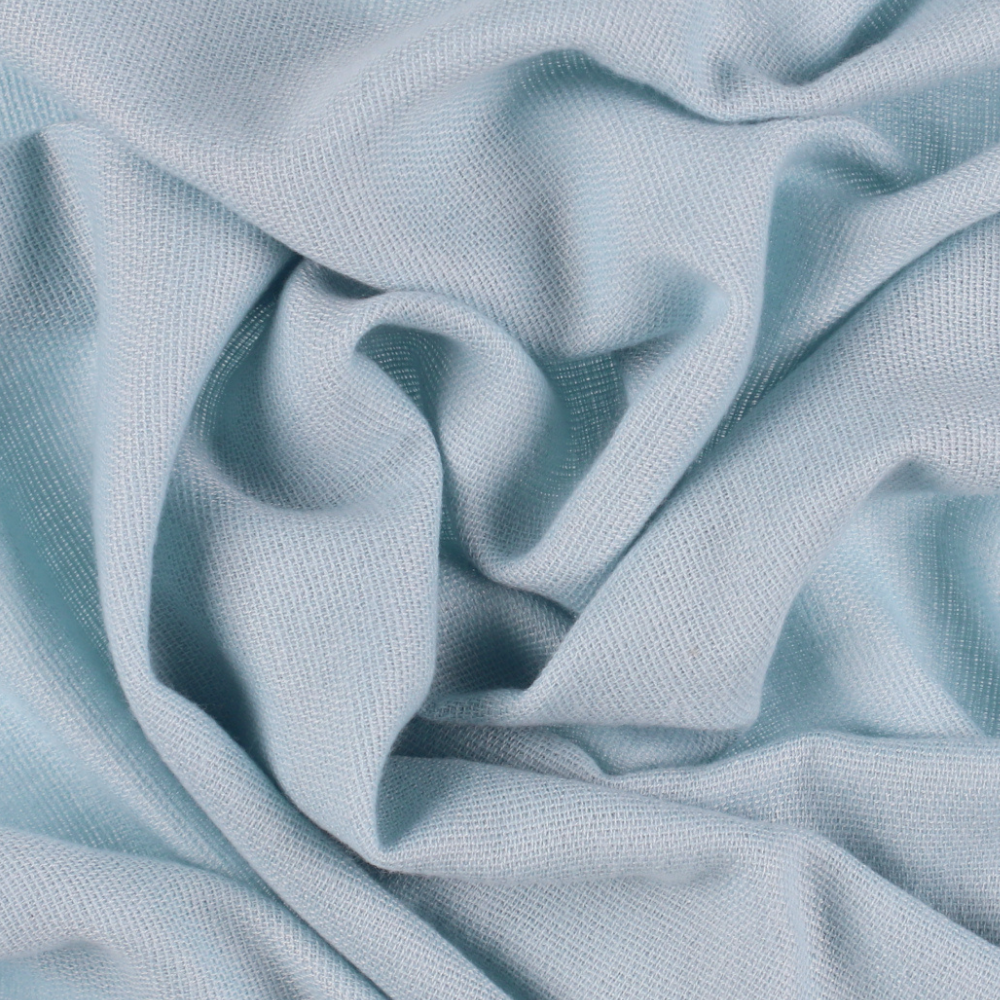
200×65 cm / 79×26 in
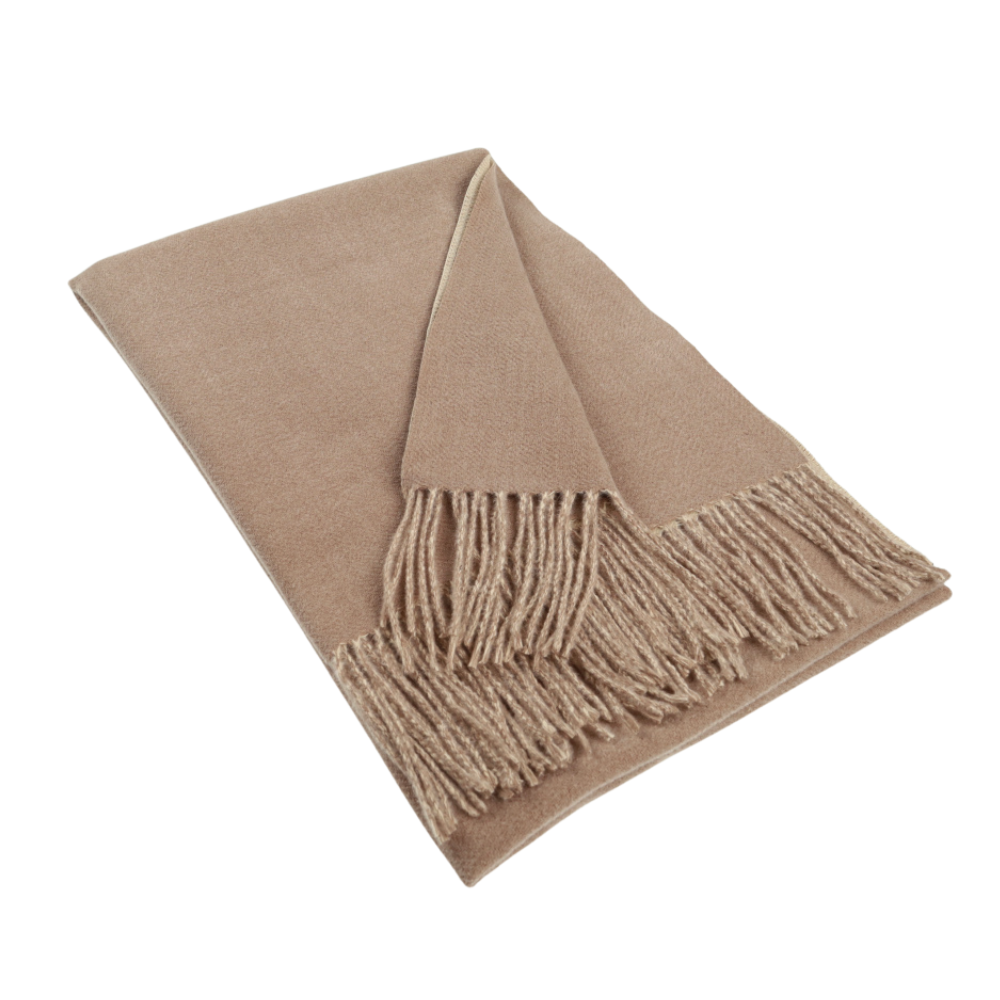
180×30 cm / 71×12 in
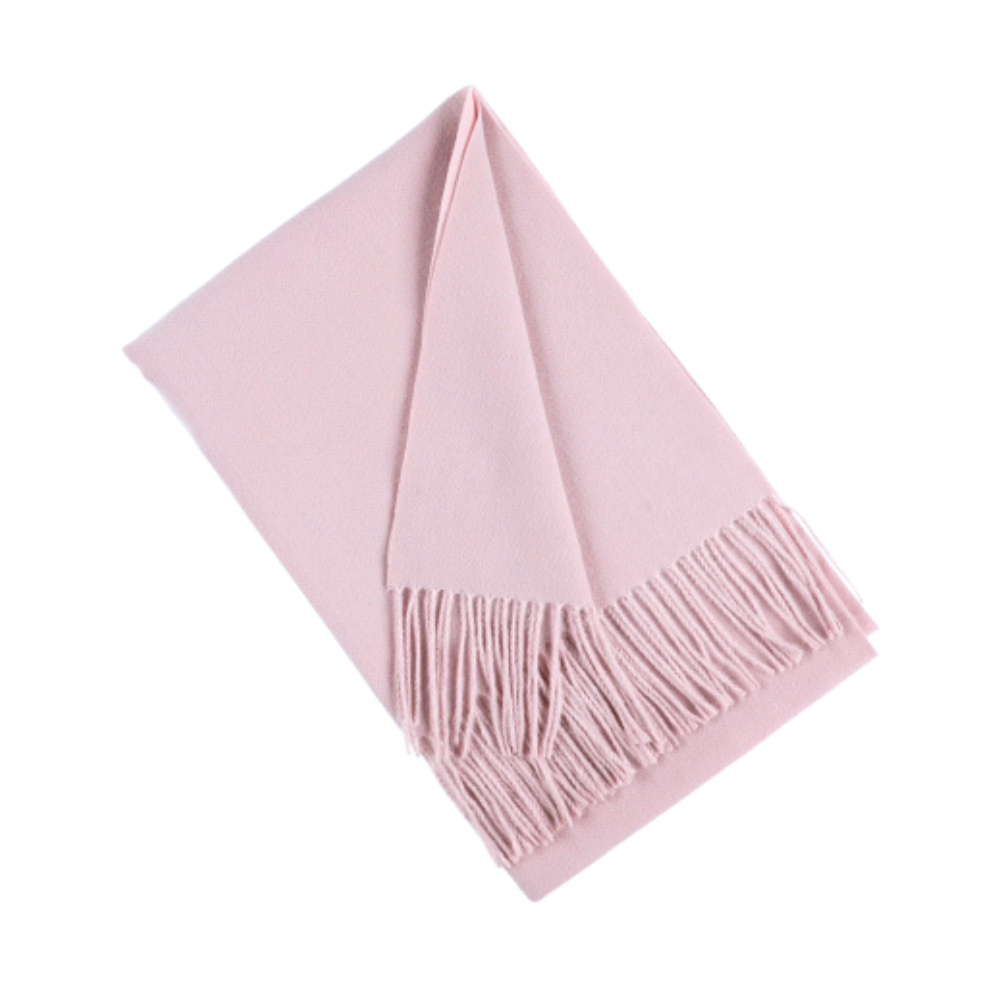
200×65 cm / 79×26 in
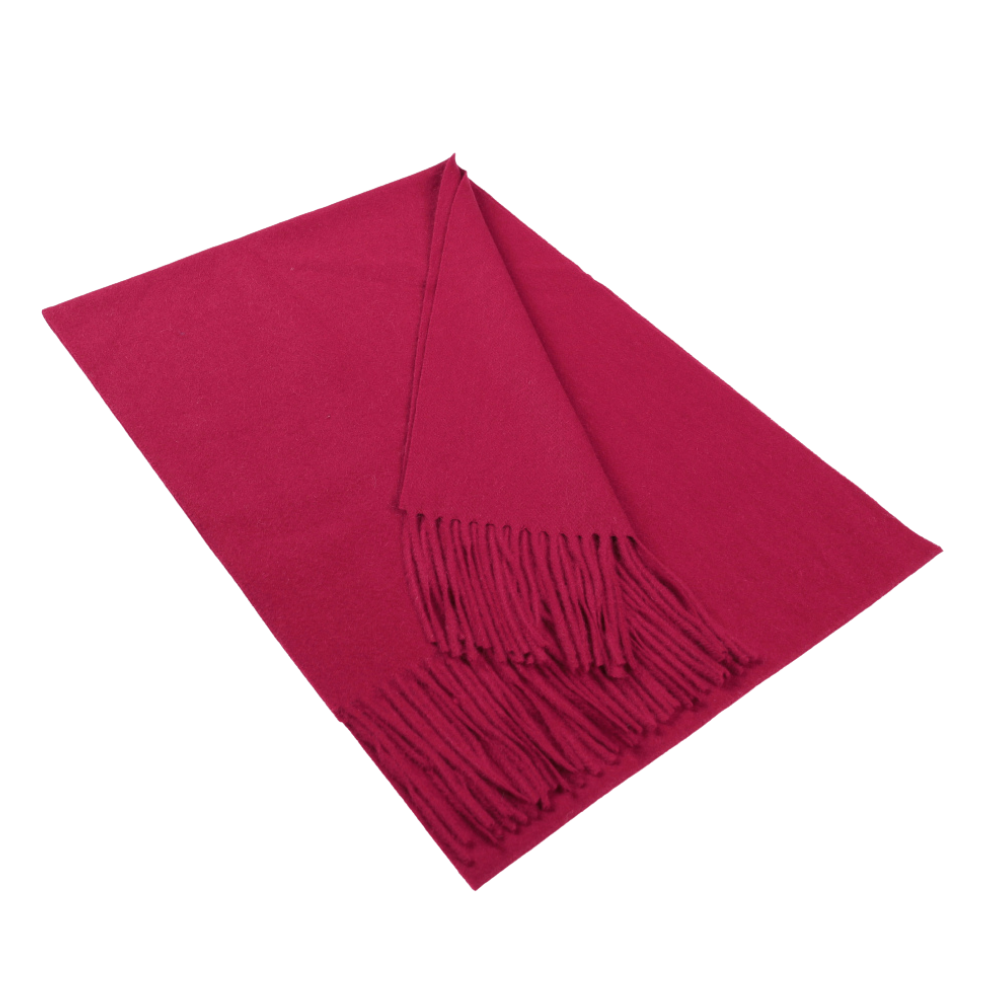
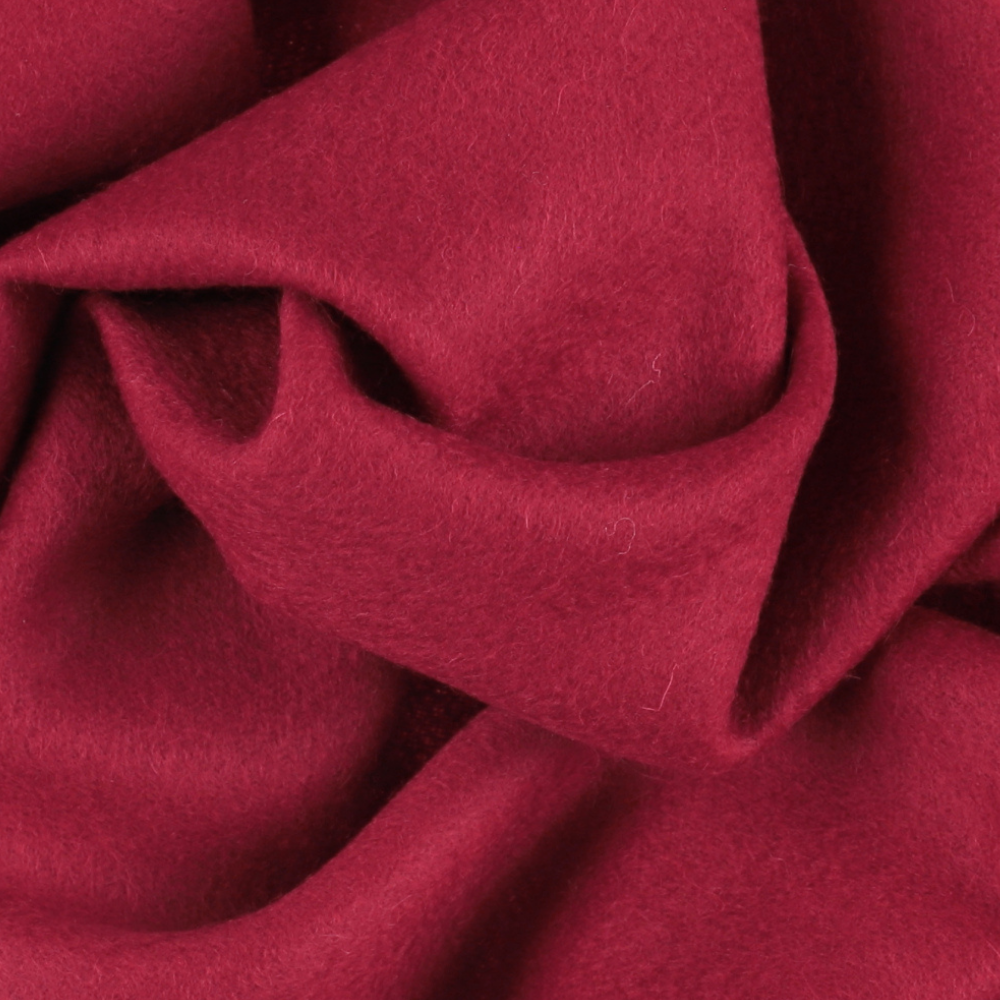
200×35 cm / 79×14 in
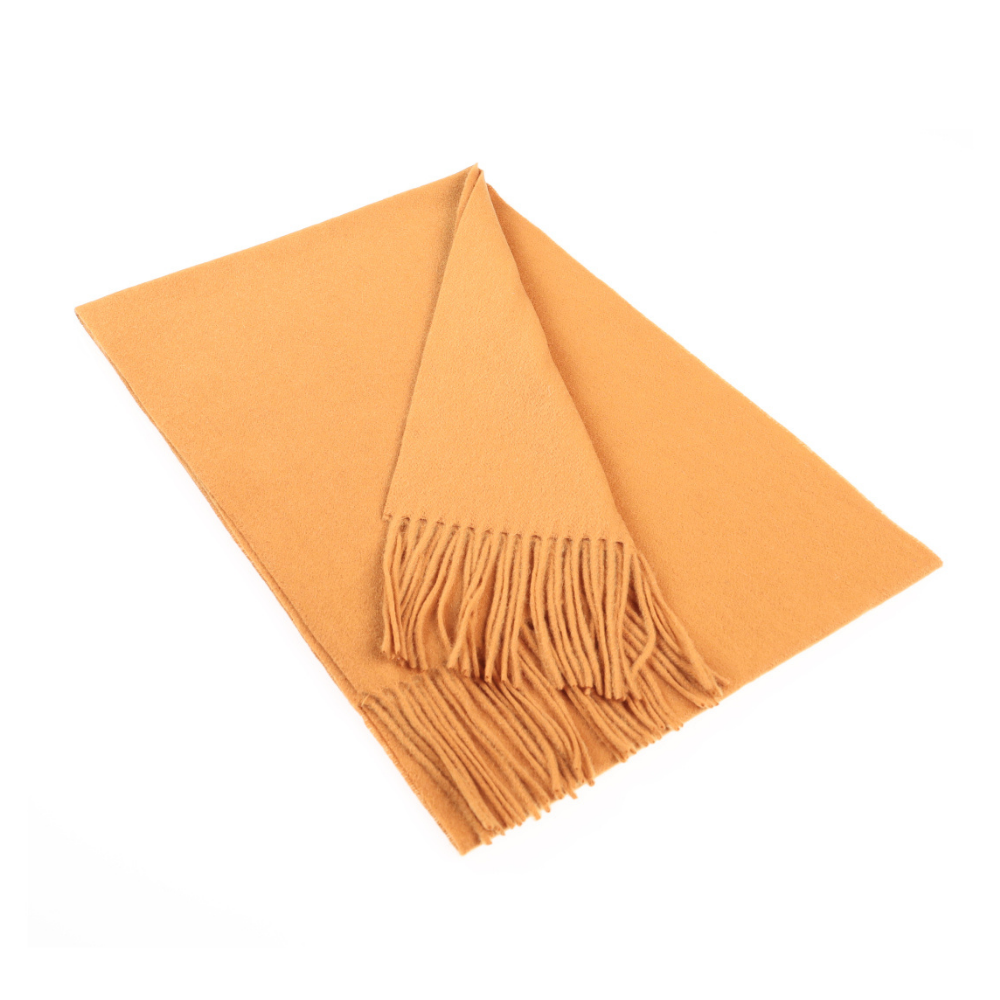
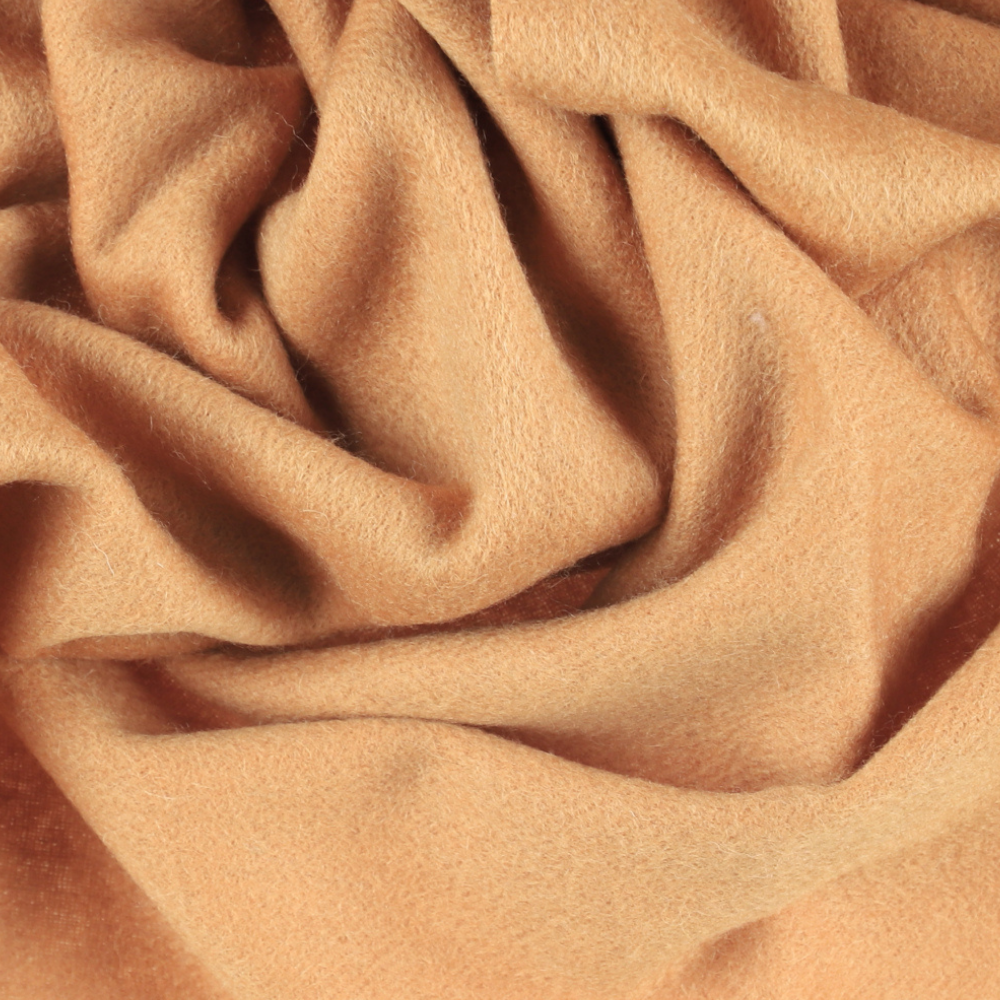
200×35 cm / 79×14 in
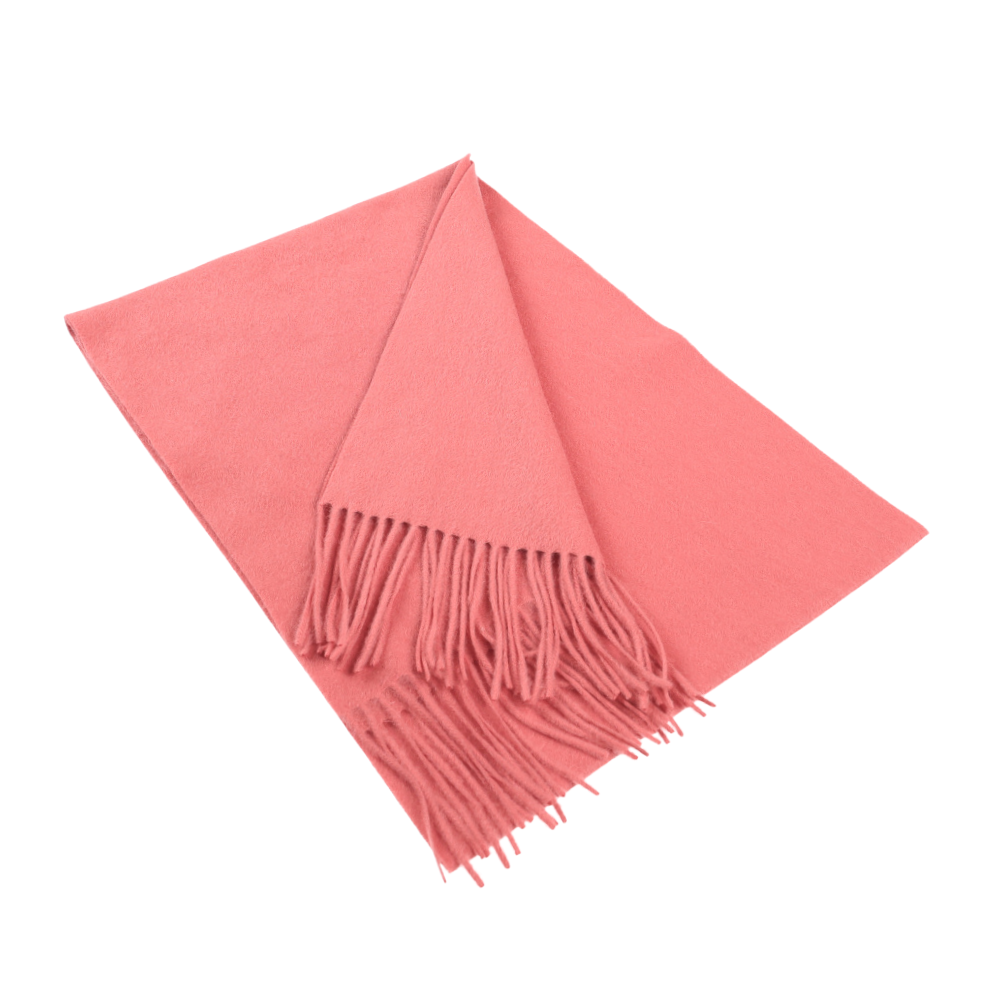
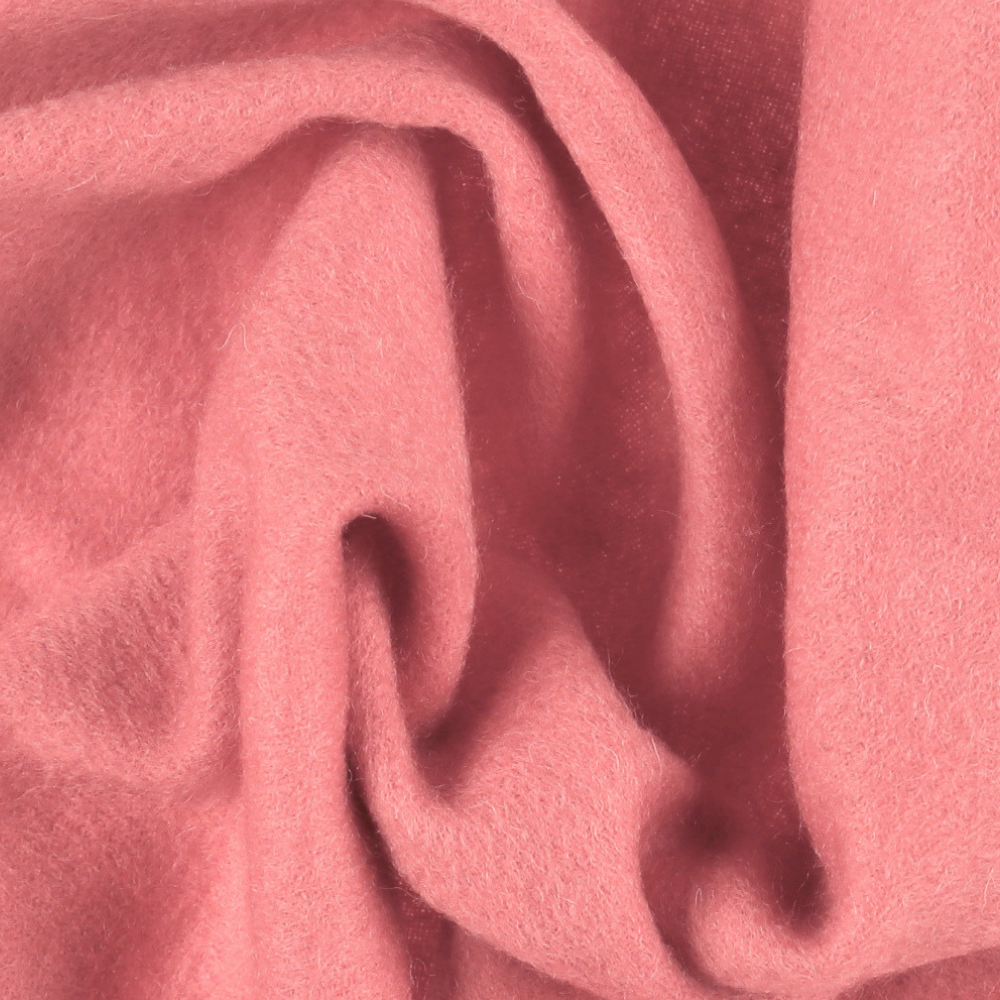
200×35 cm / 79×14 in
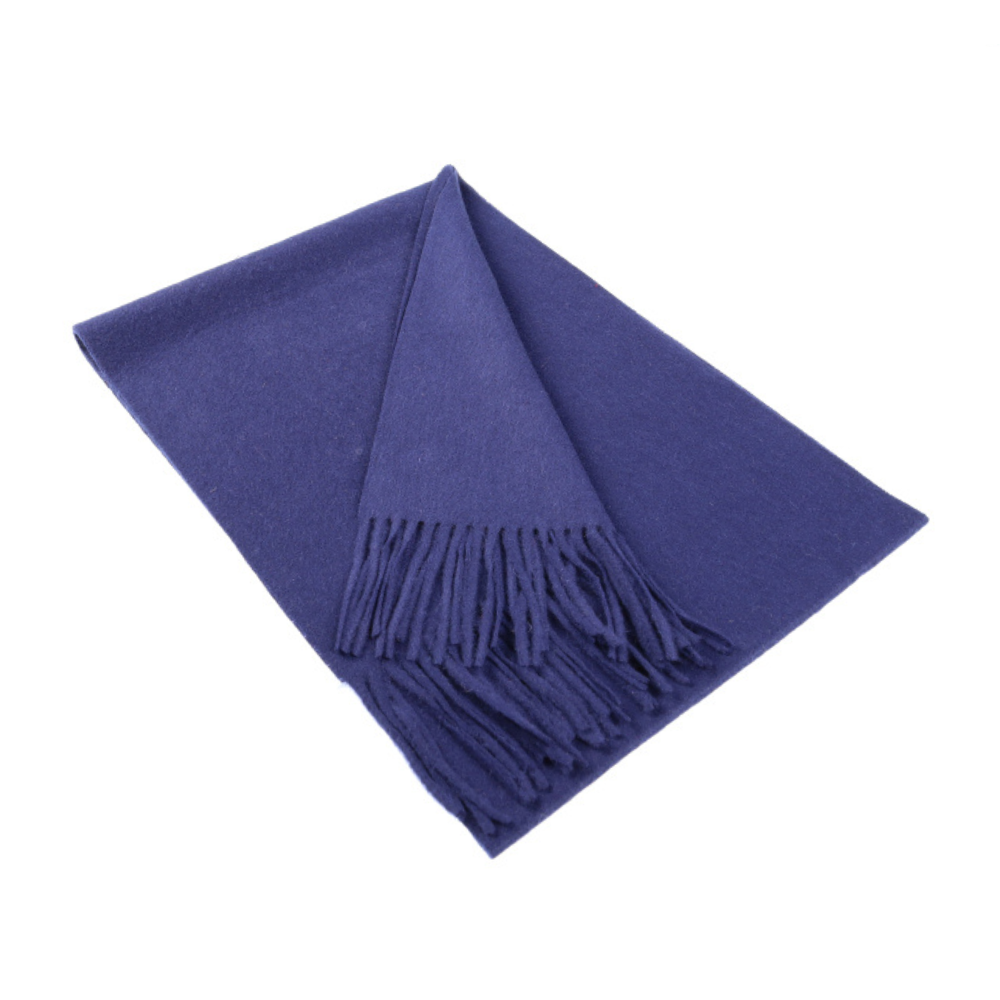
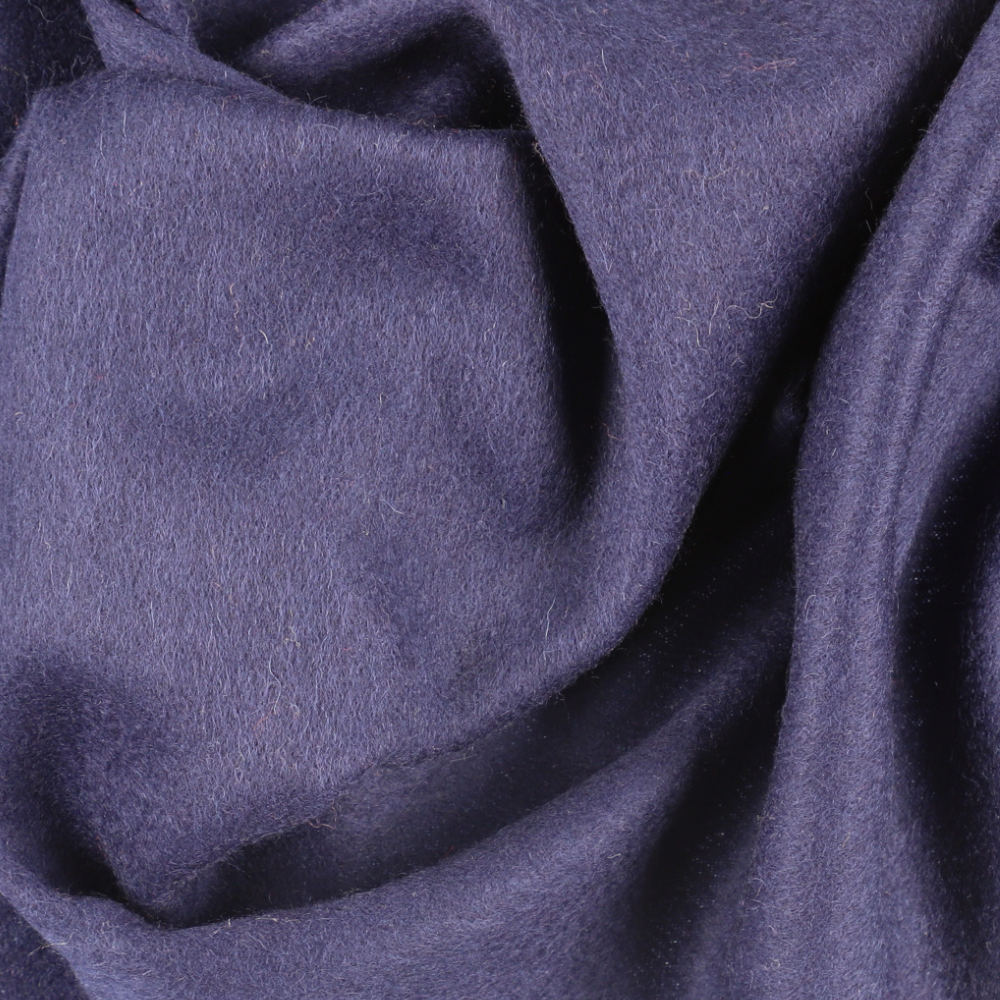
200×35 cm / 79×14 in
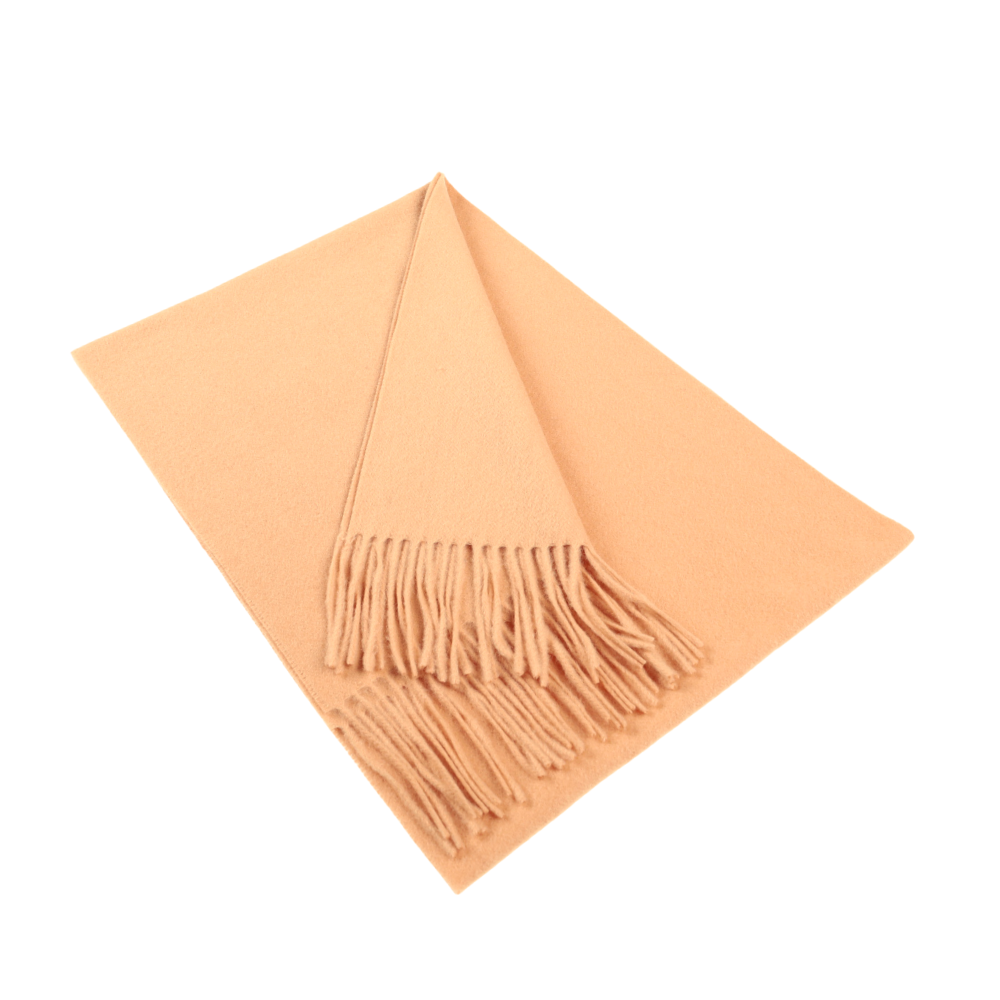
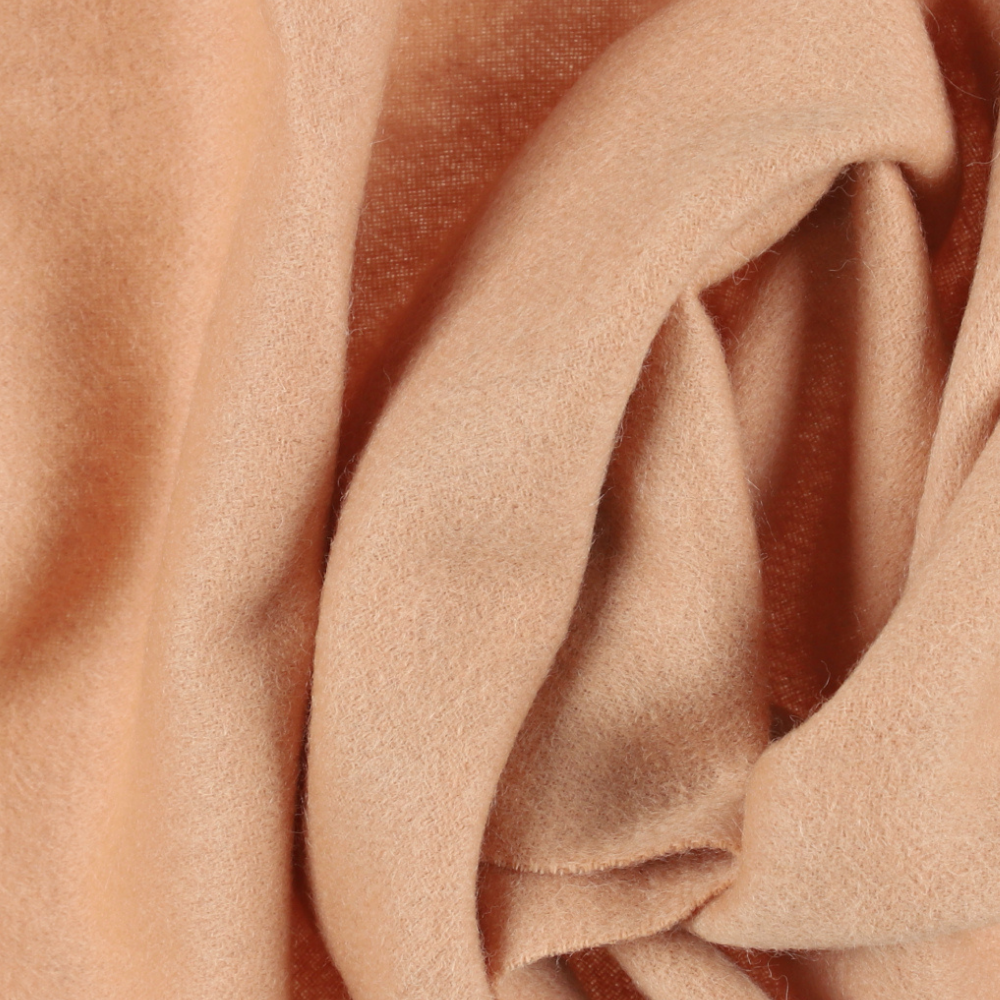
200×35 cm / 79×14 in
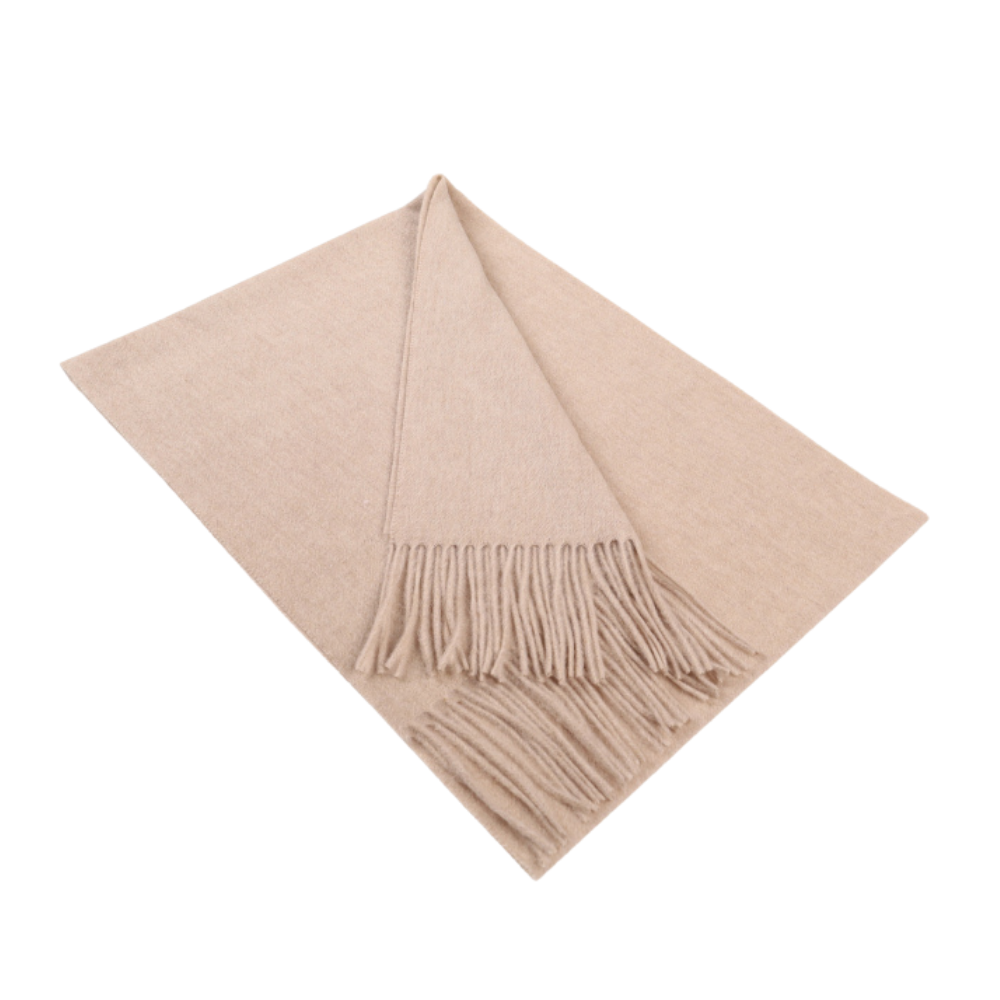
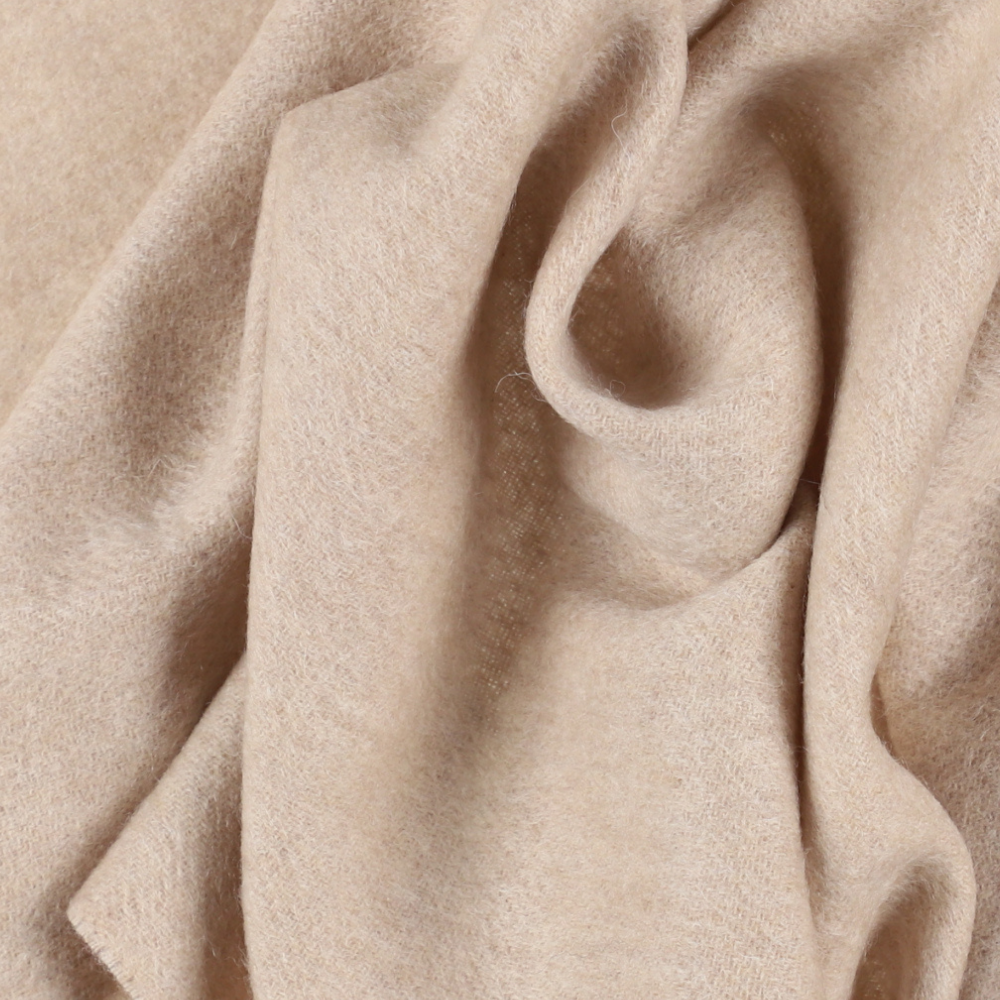
200×35 cm / 79×14 in
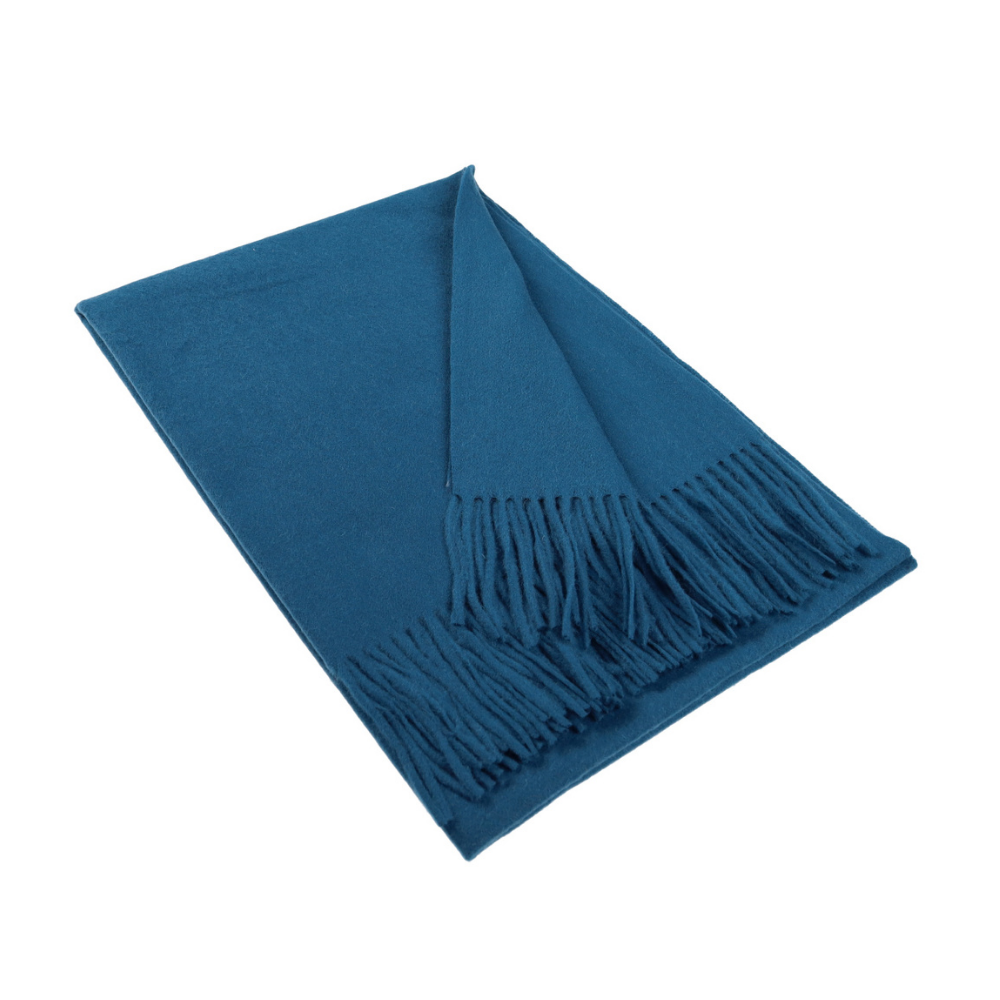
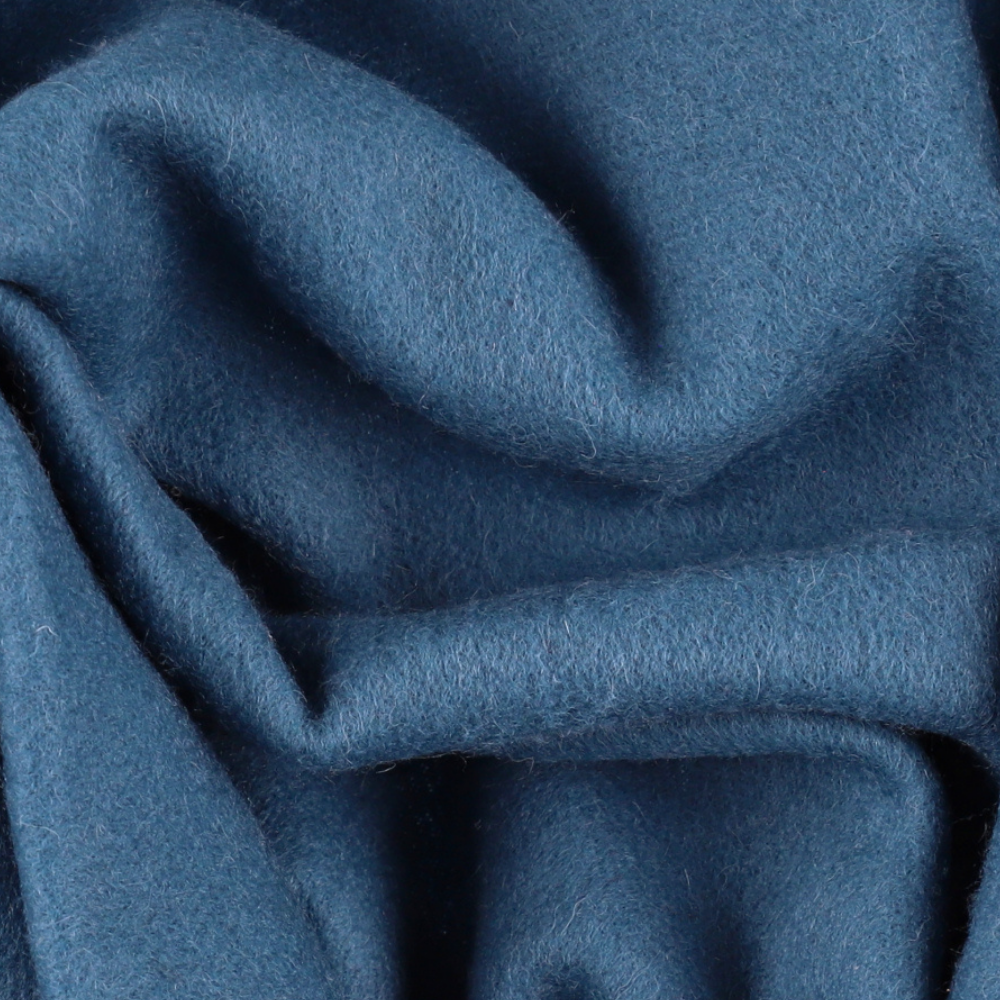
200×70 cm / 79×28 in
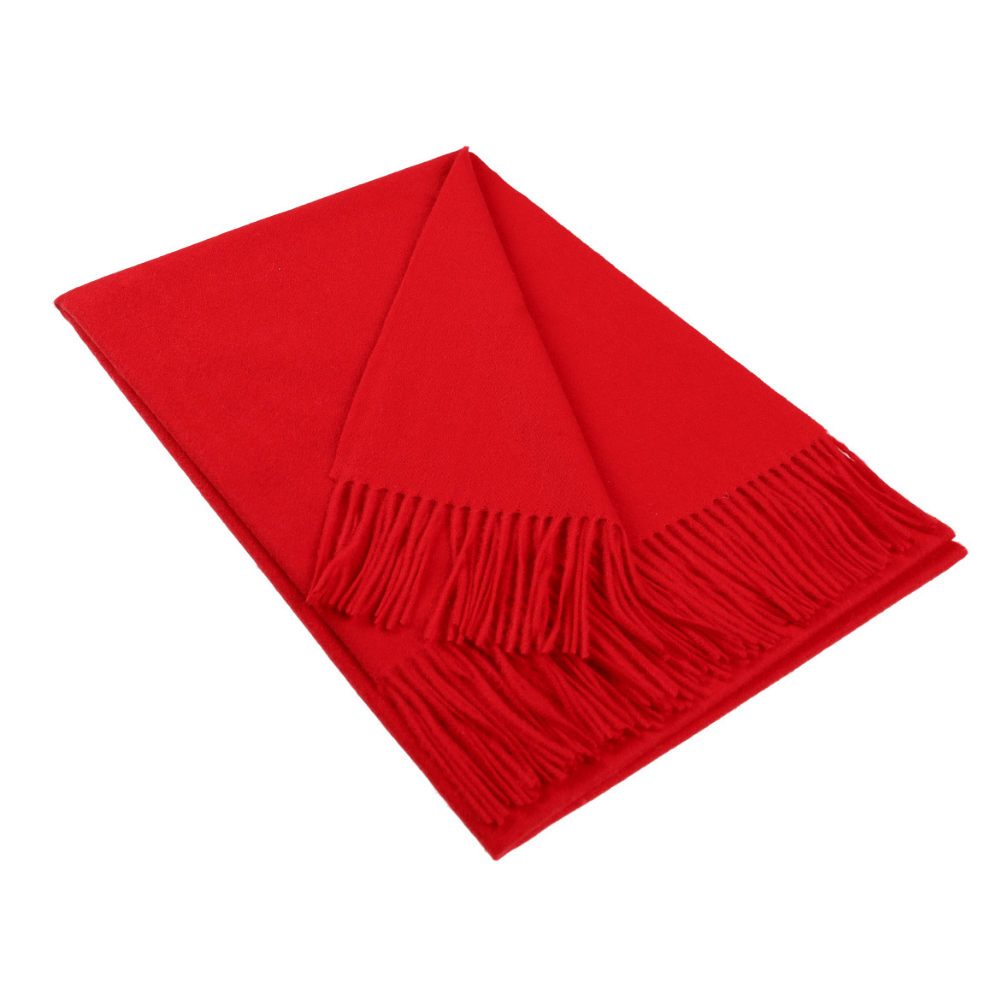
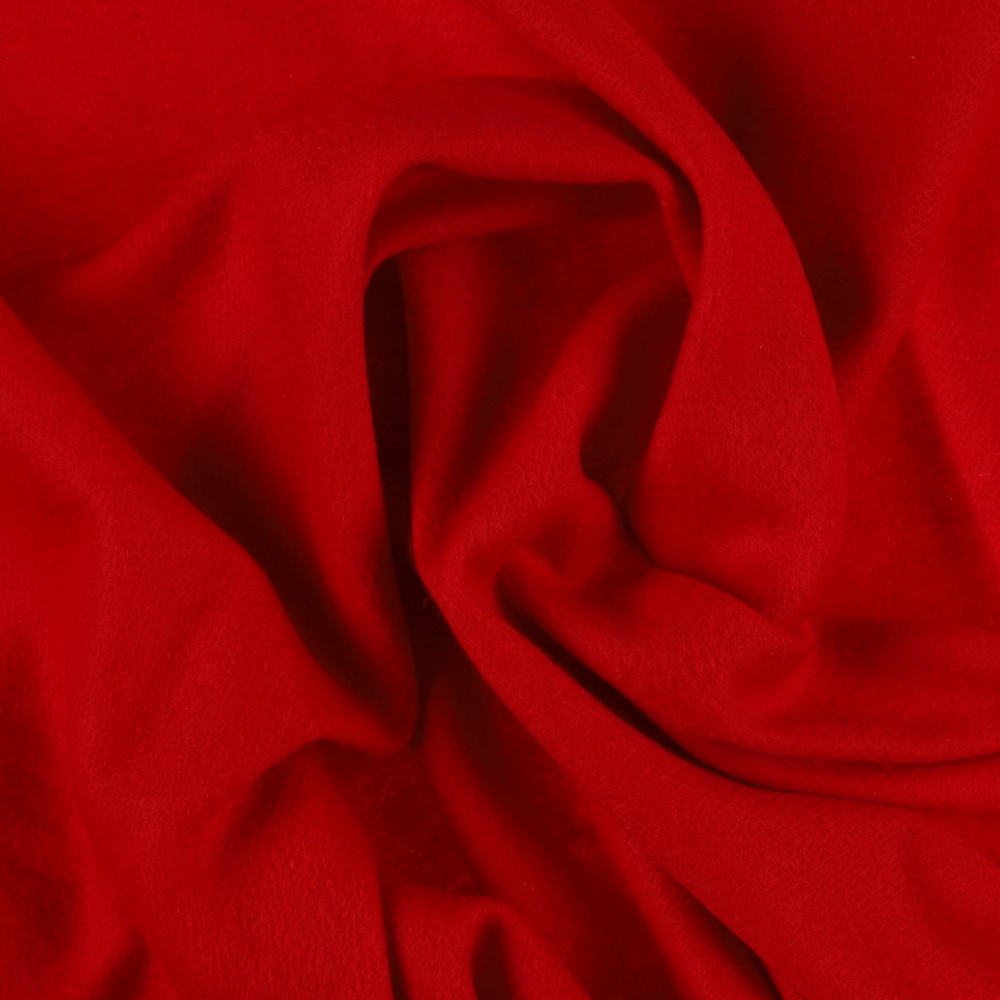
200×70 cm / 79×28 in
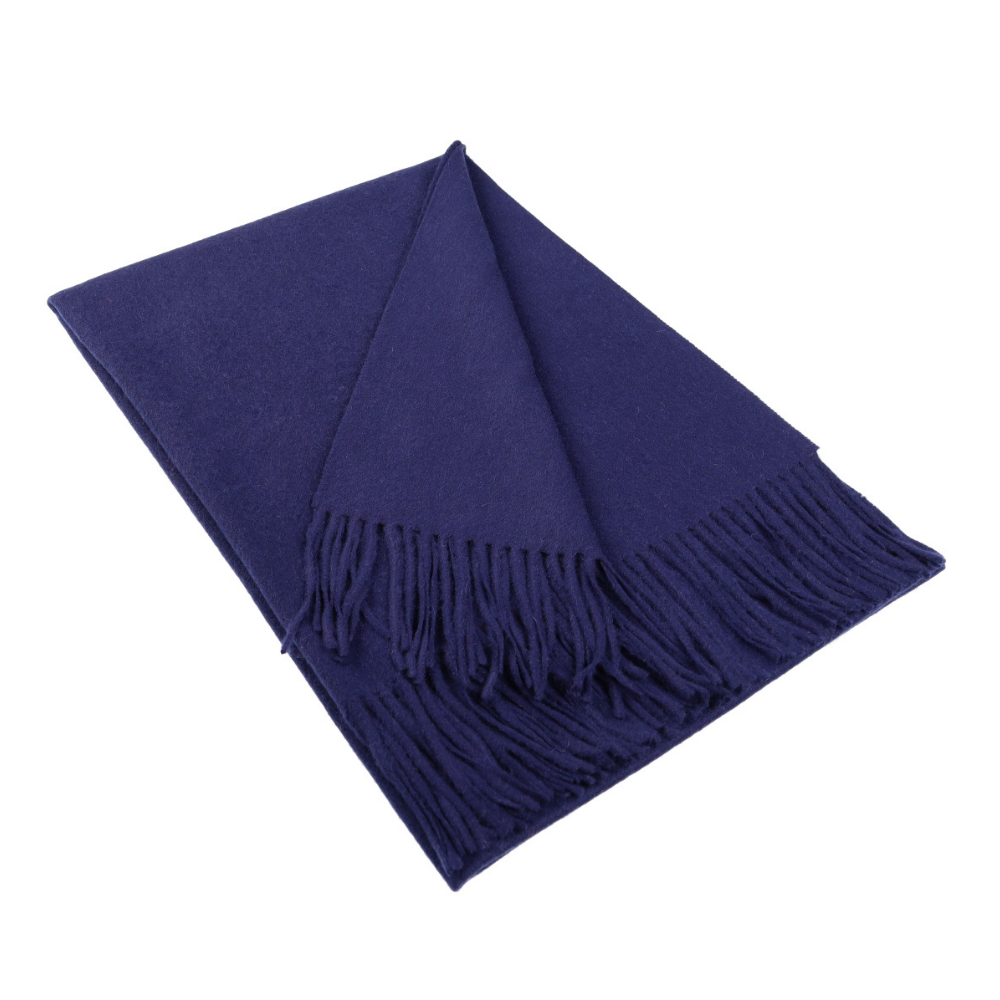
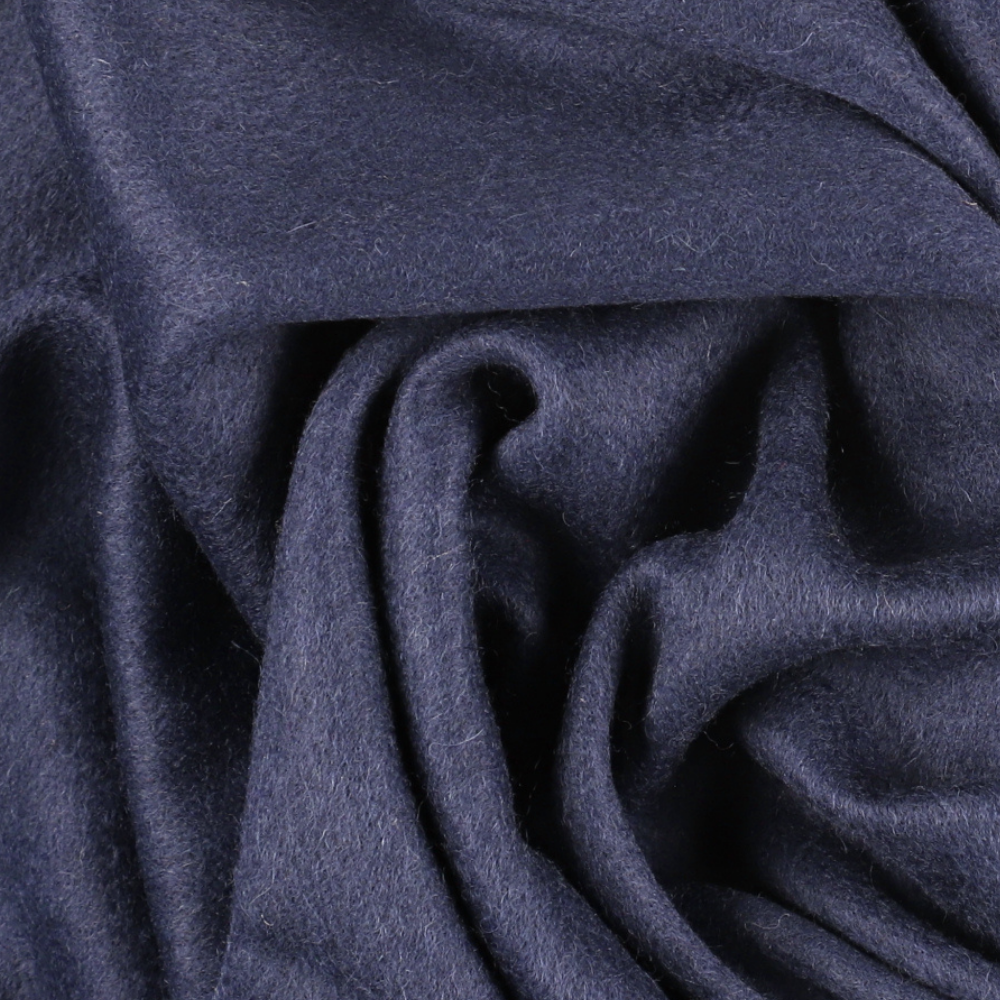
200×70 cm / 79×28 in
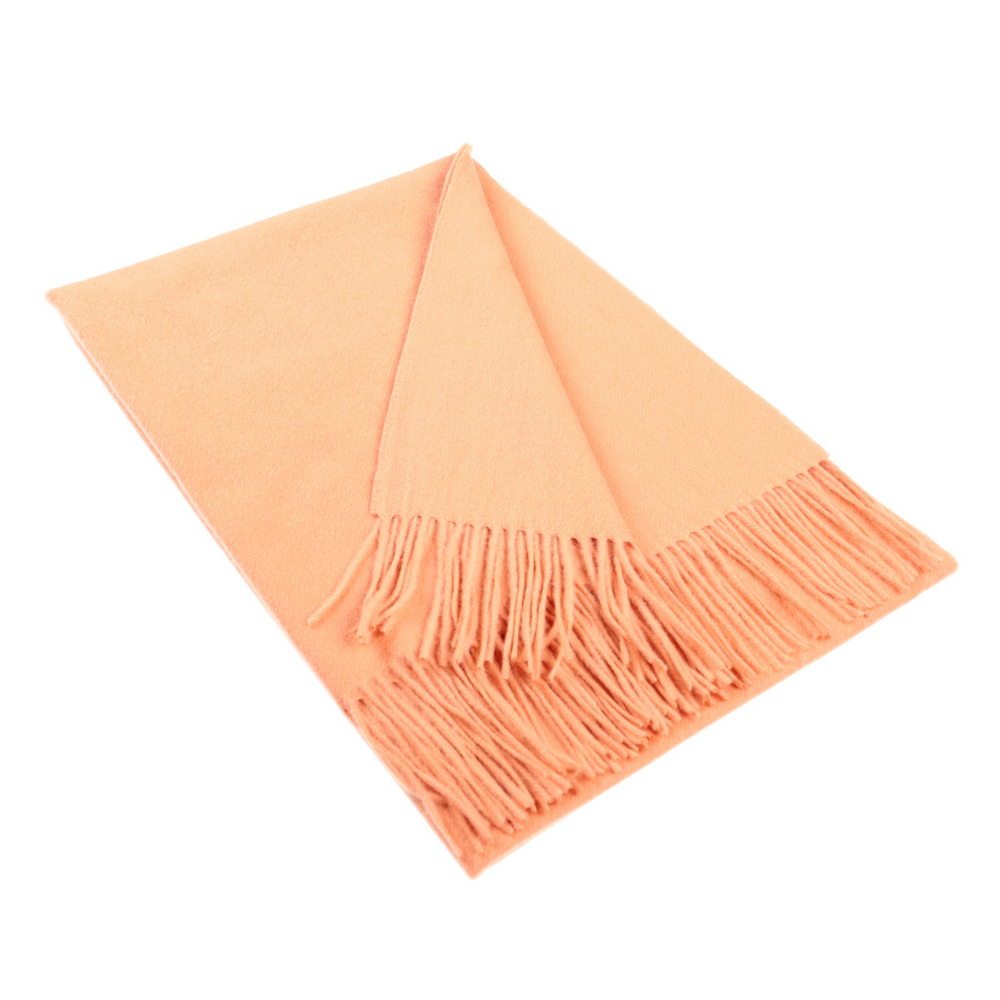
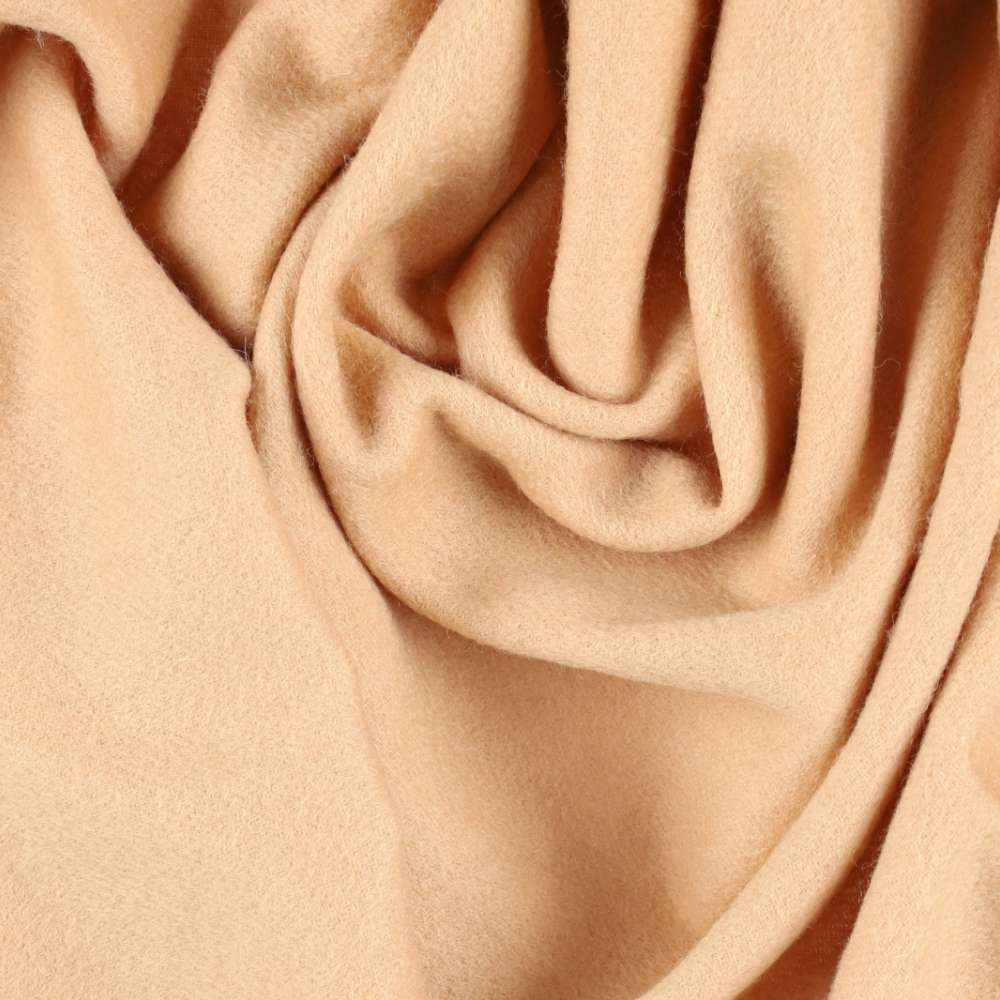
200×70 cm / 79×28 in
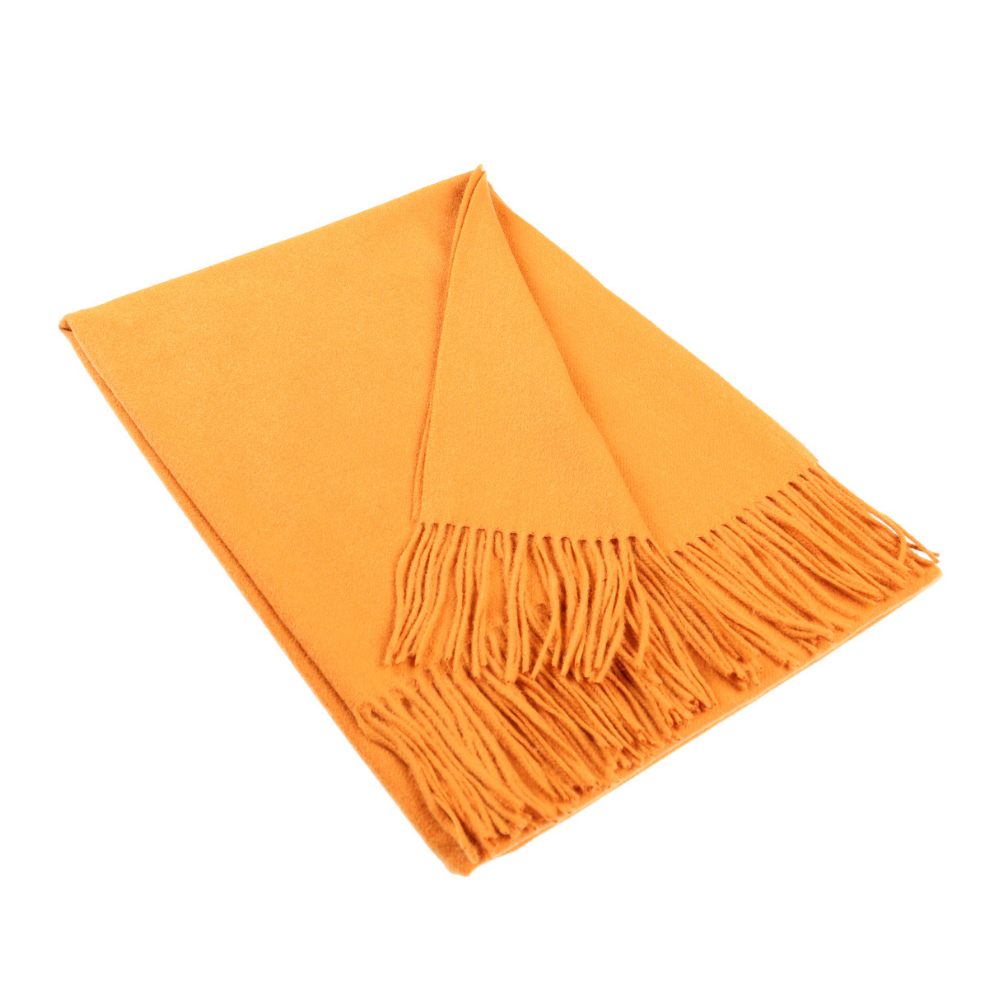
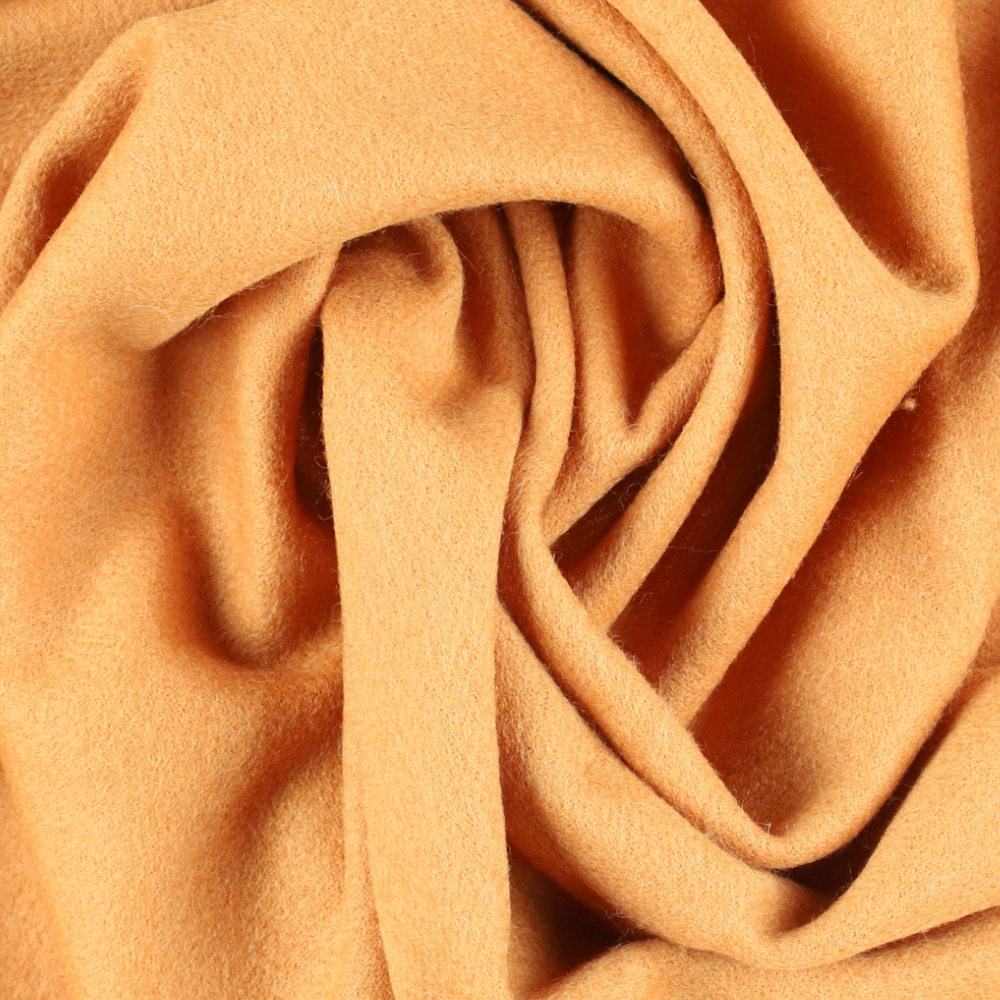
200×70 cm / 79×28 in
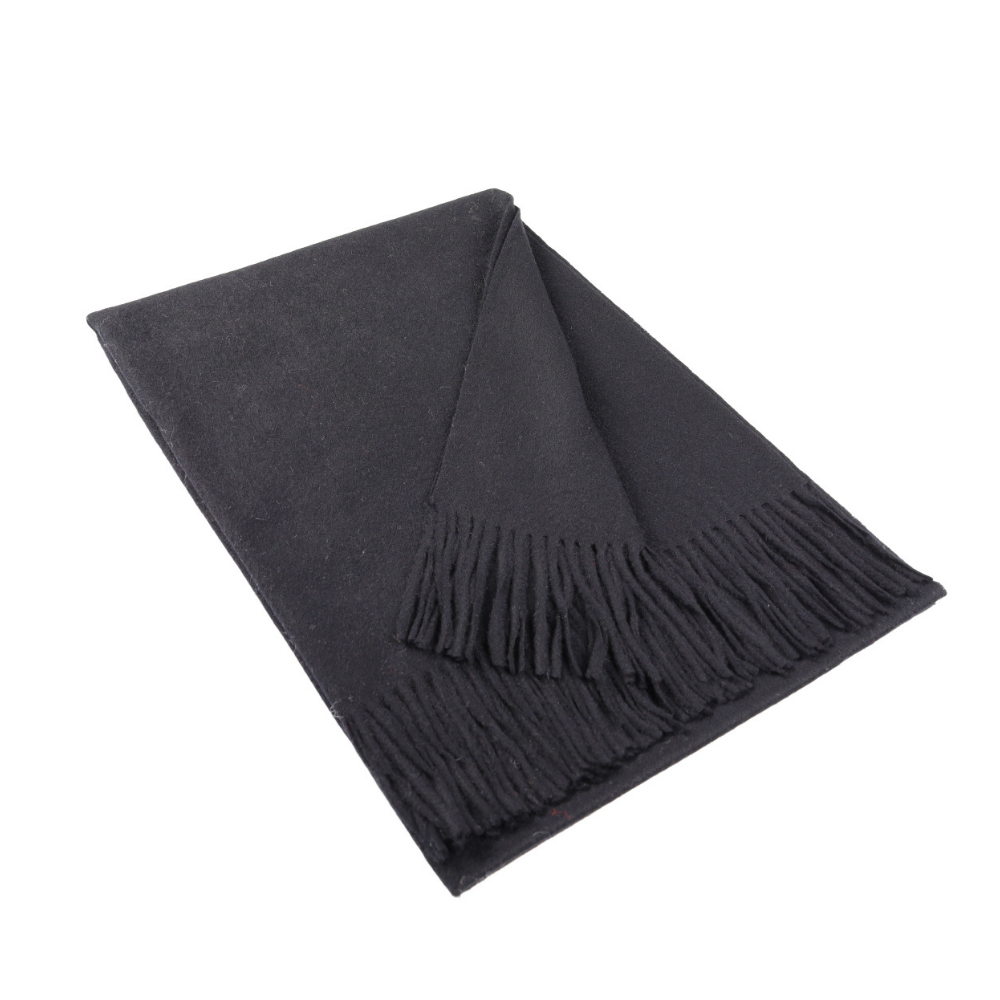
200×70 cm / 79×28 in
200×70 cm / 79×28 in
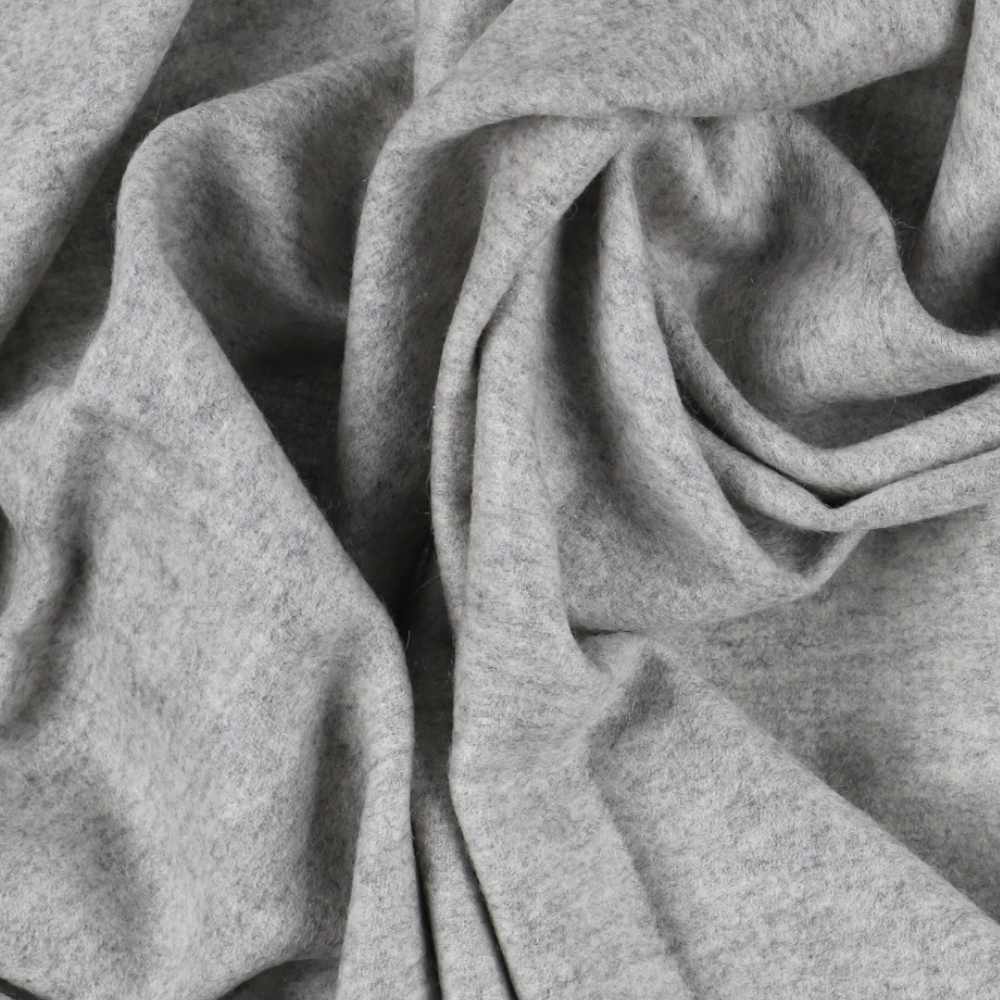
200×70 cm / 79×28 in
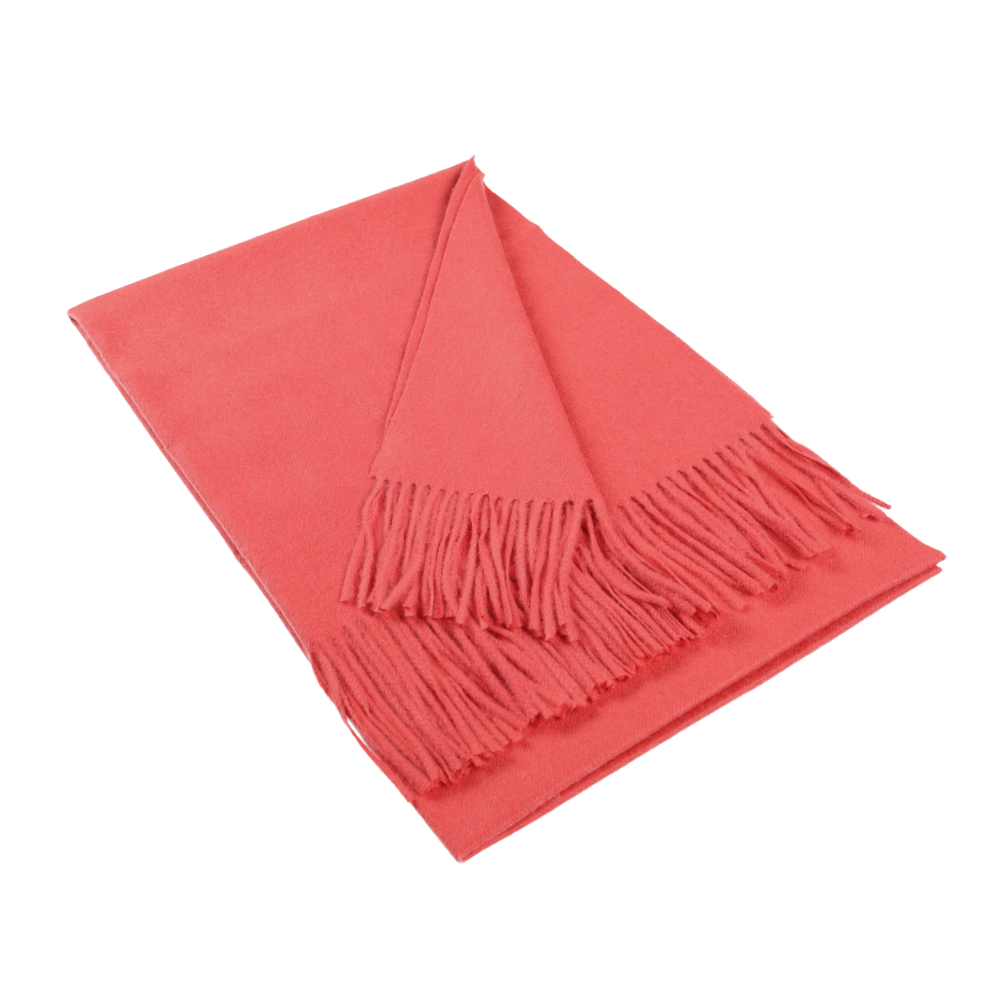
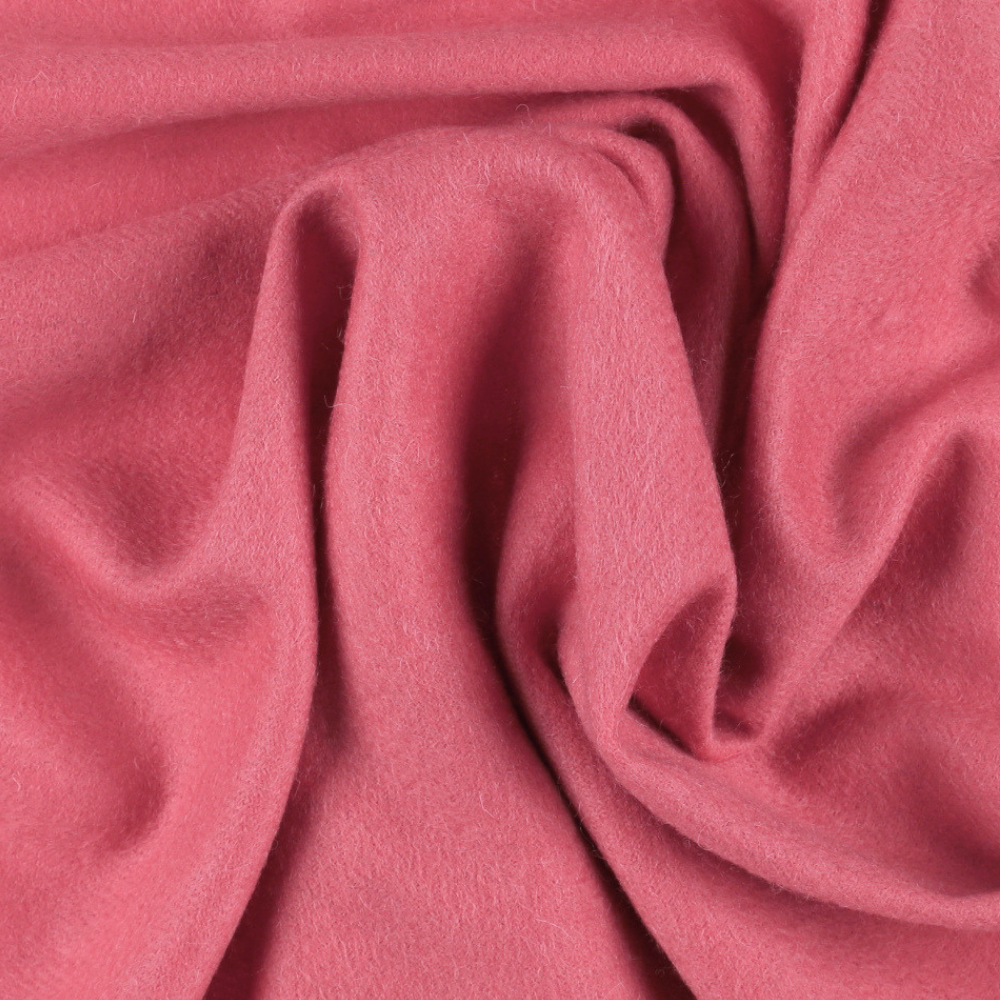
200×70 cm / 79×28 in
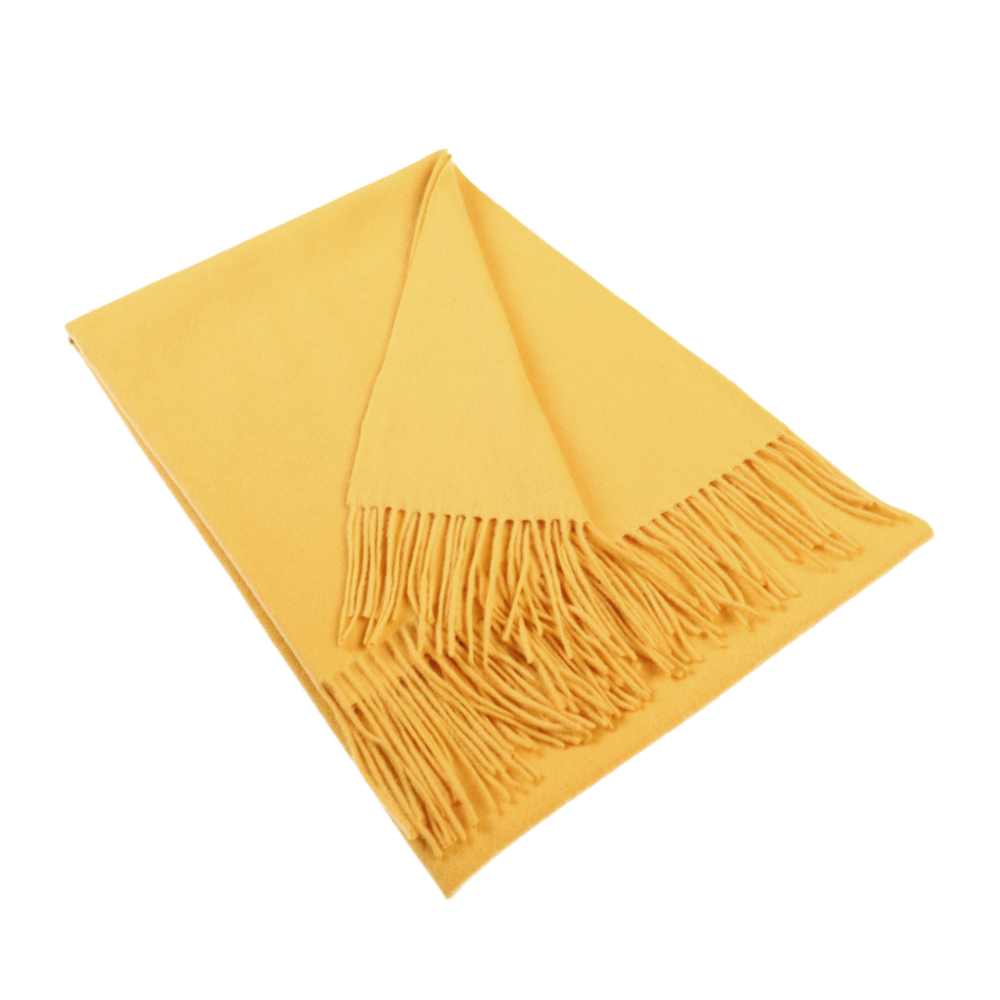
200×70 cm / 79×28 in
200×35 cm / 79×14 in
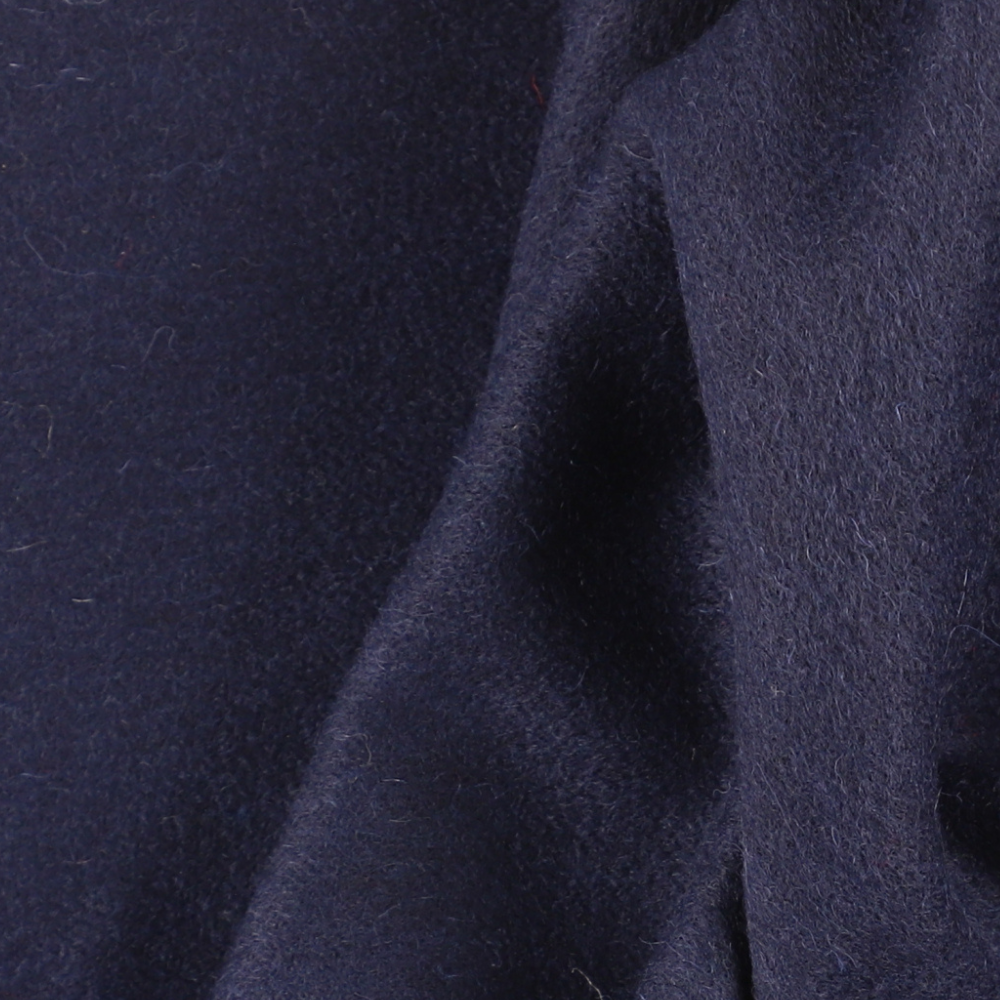
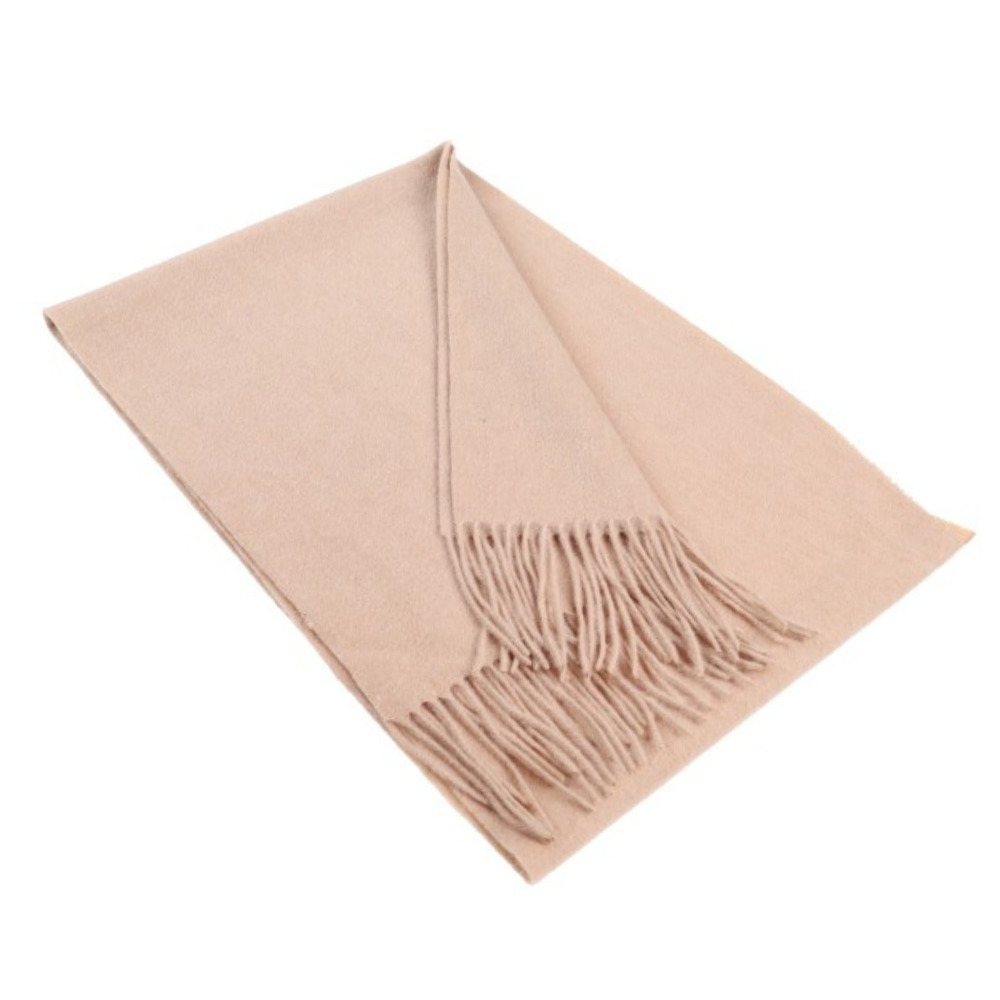
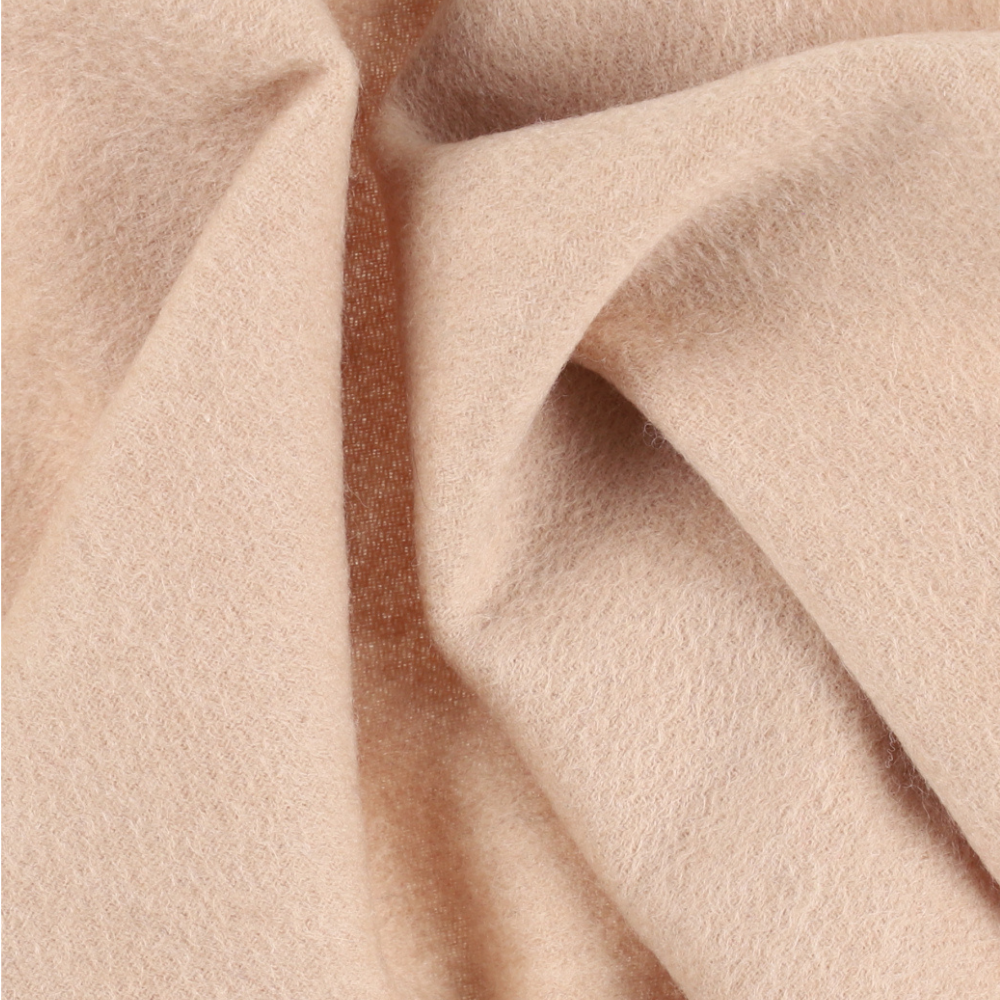
200×35 cm / 79×14 in
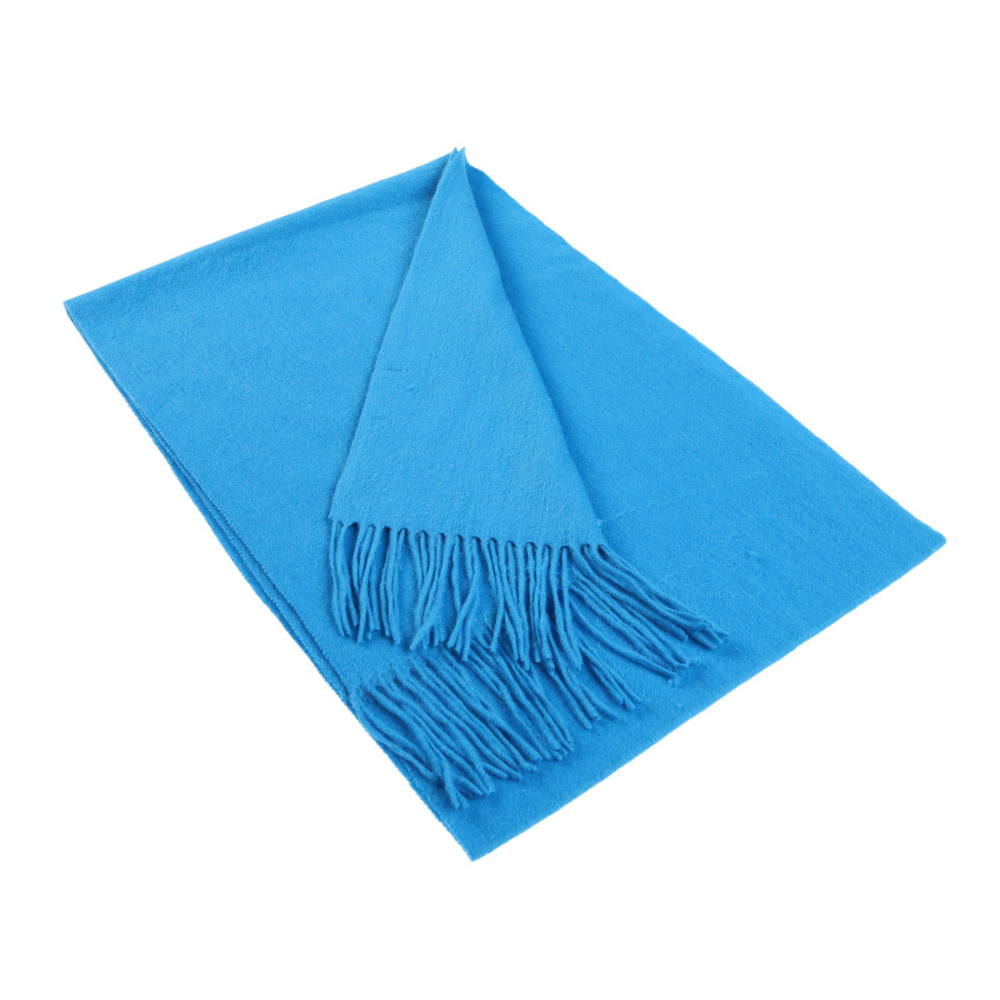
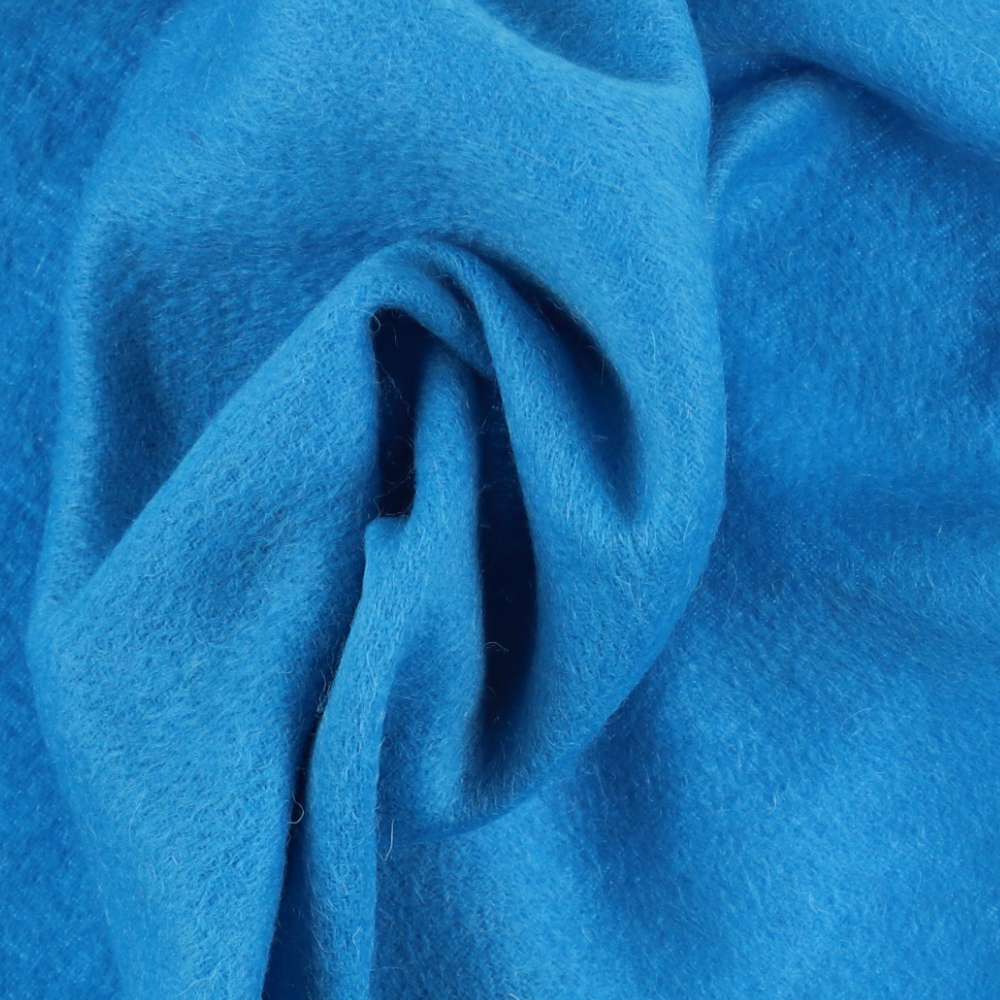
200×35 cm / 79×14 in
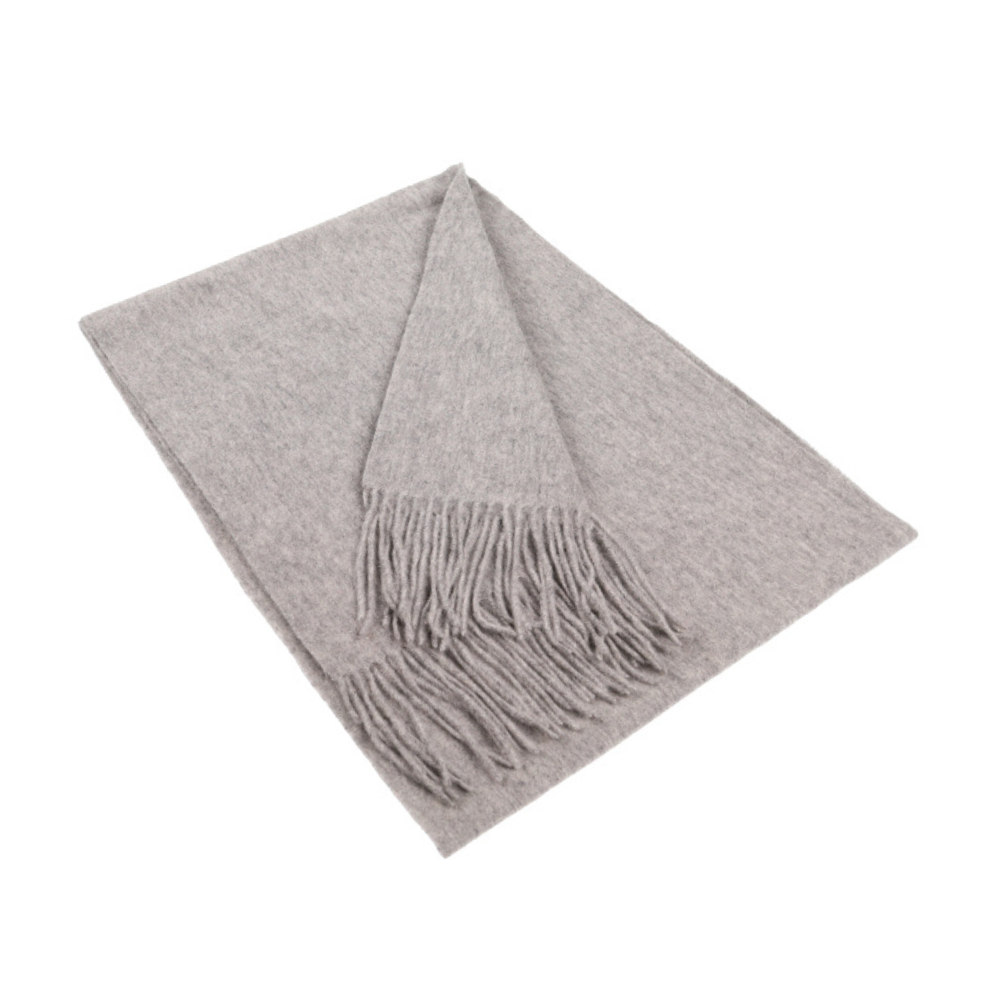
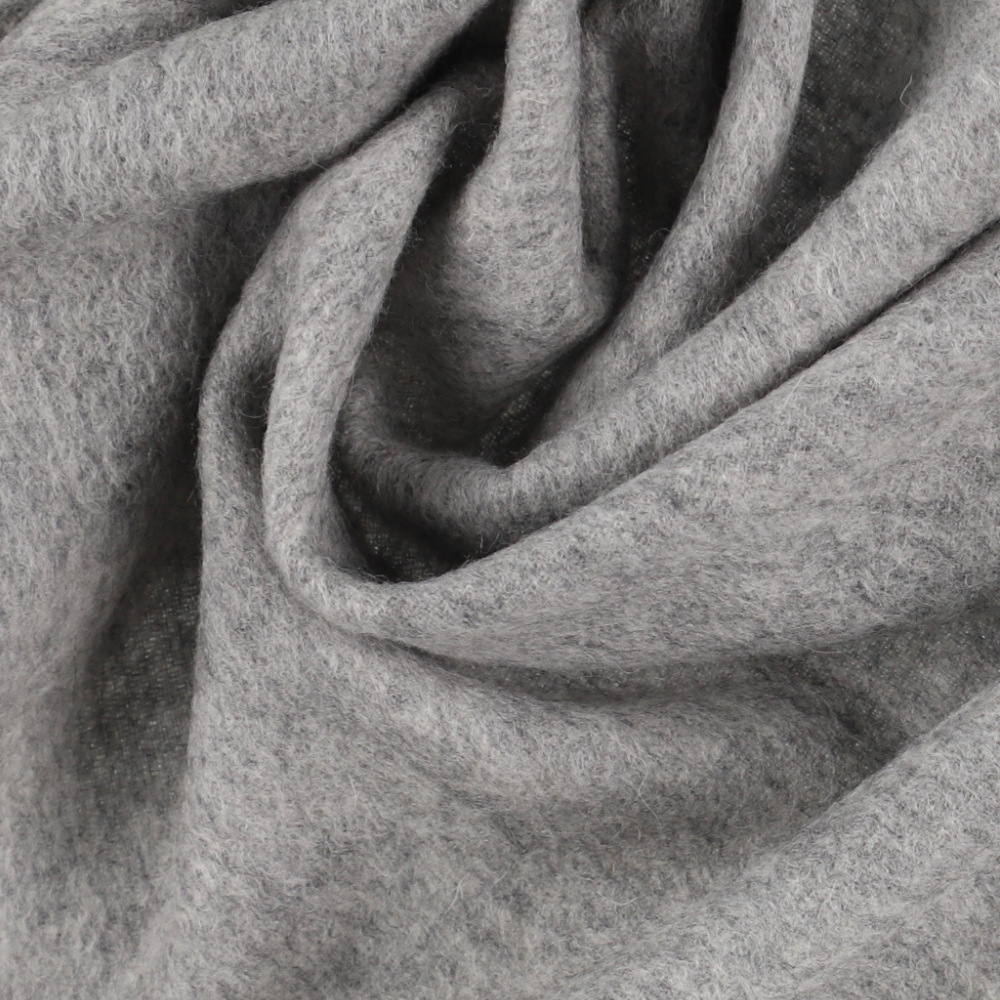
200×35 cm / 79×14 in
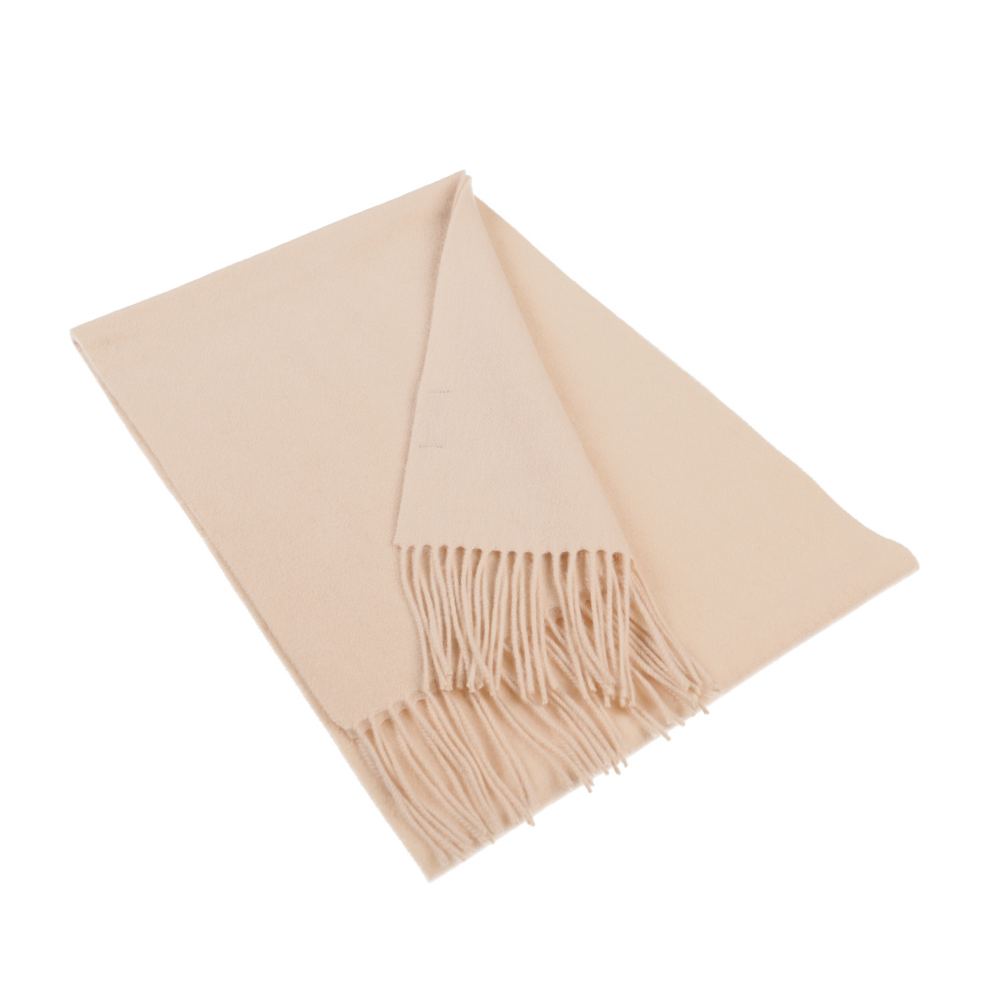
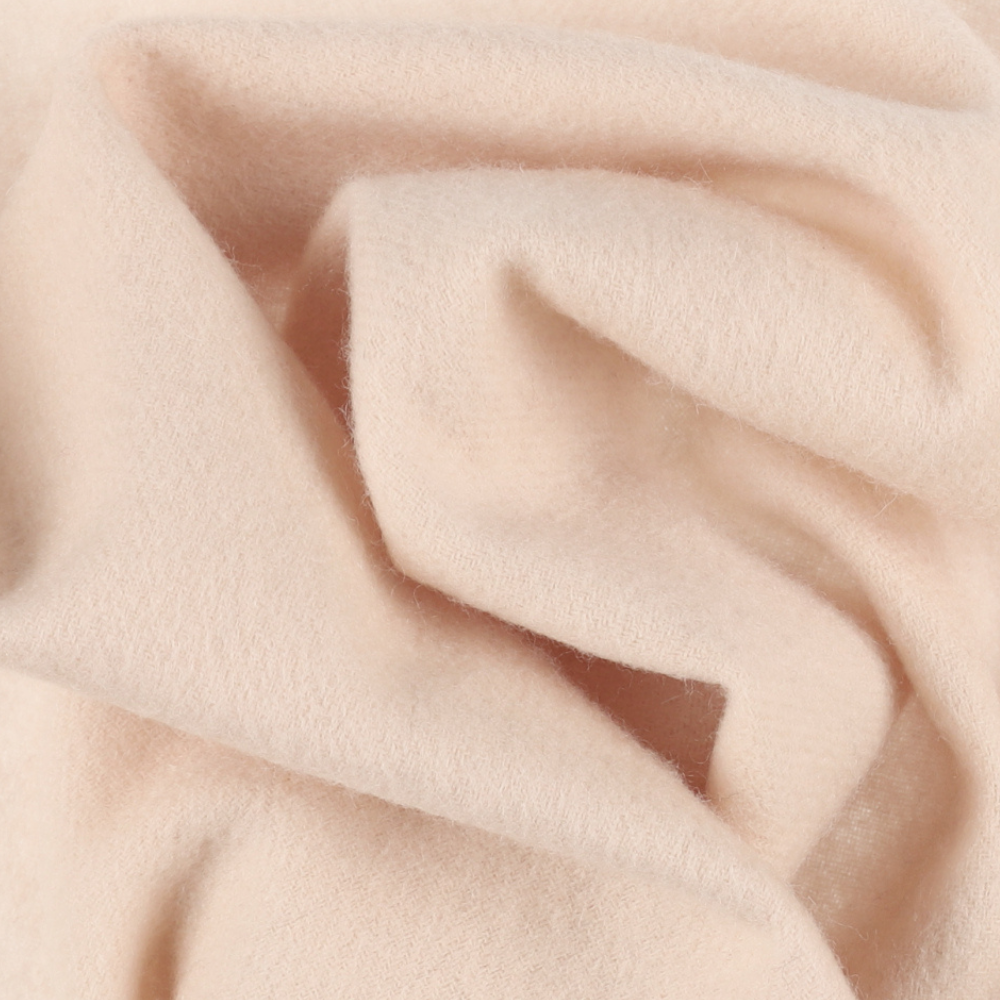
200×35 cm / 79×14 in
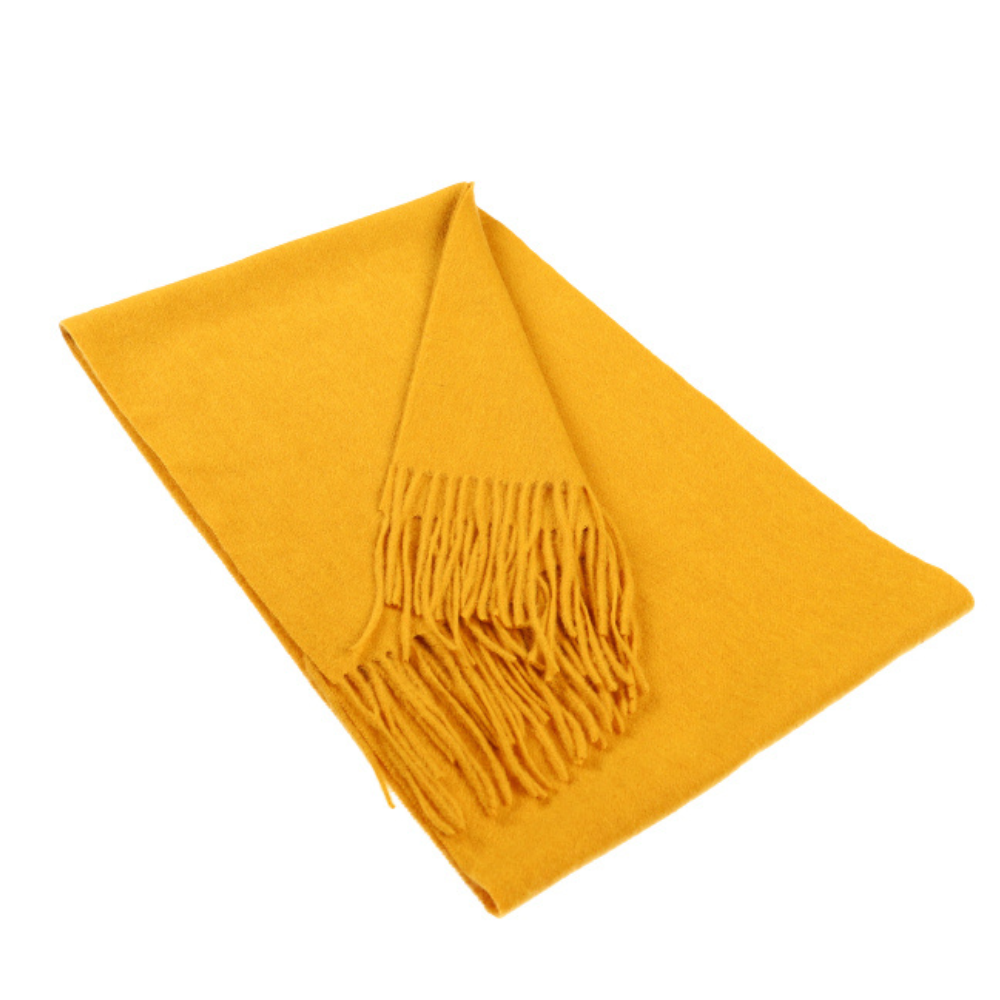
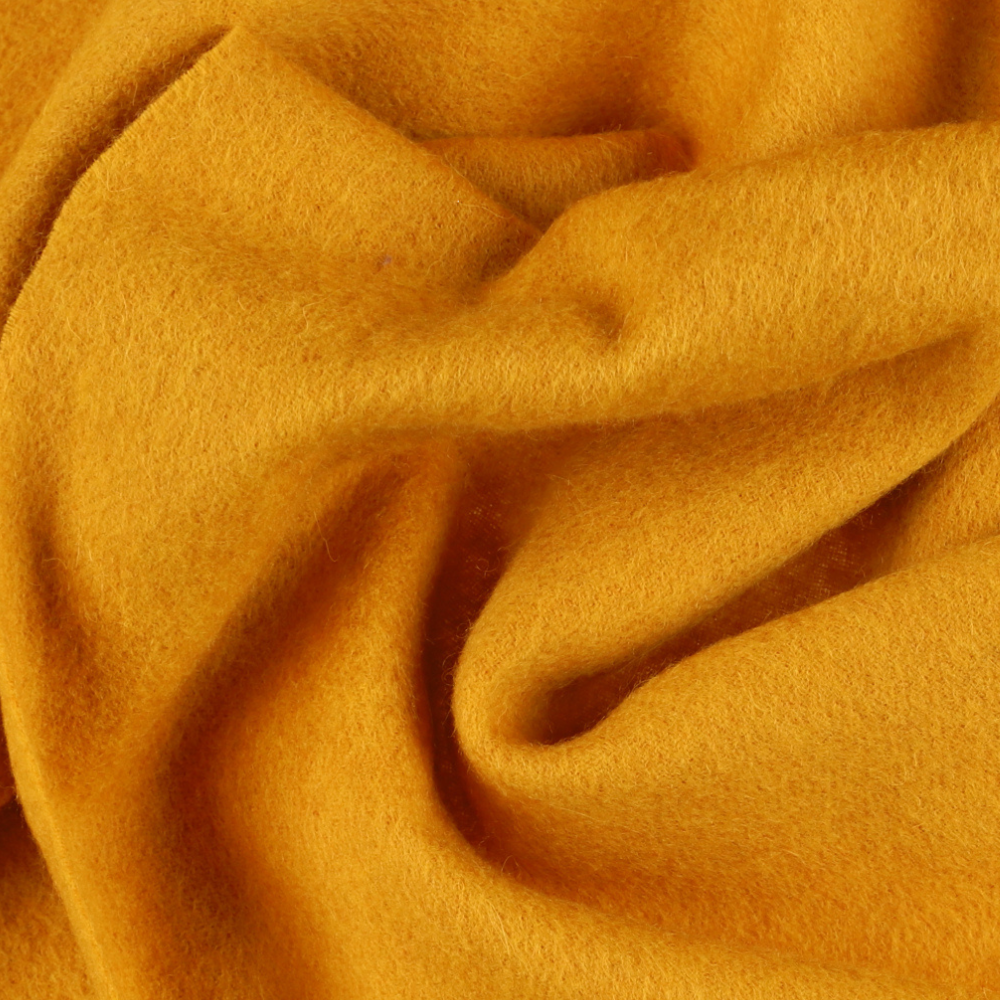
200×35 cm / 79×14 in
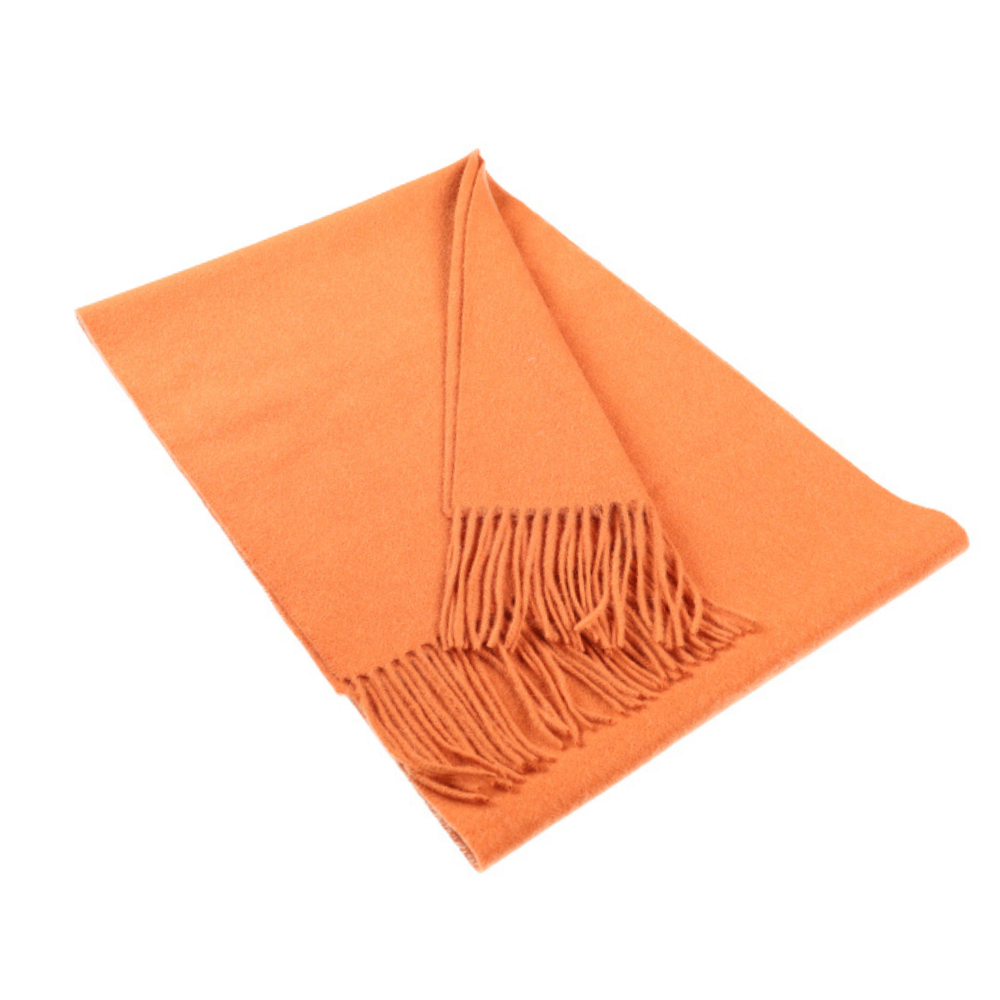
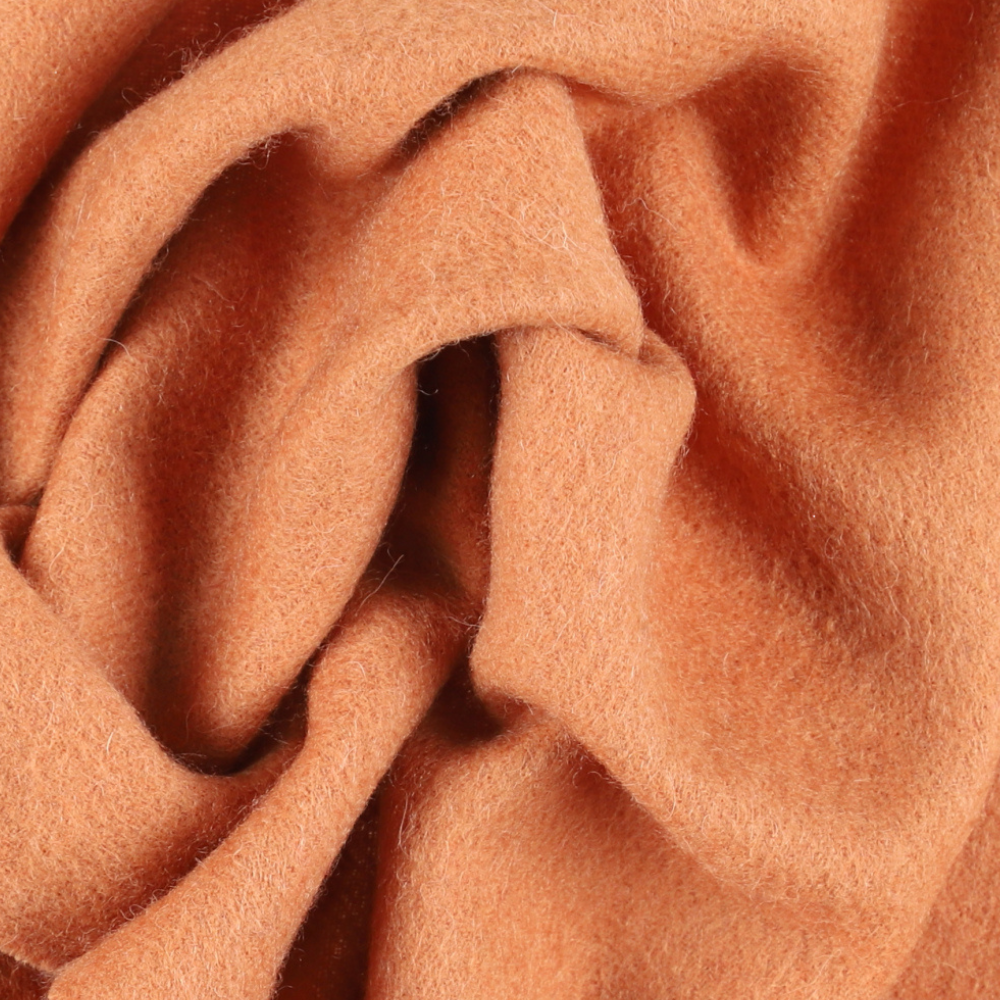
200×35 cm / 79×14 in
Wraps for Coats – How to Choose and Style Them
Wraps for Coats: A Quick Overview
A wrap for a coat is a longer scarf, shawl, or rectangular piece designed to sit under a collar, drape over lapels, or layer across the shoulders of your outerwear. The right wrap changes the character of a coat you already own: a soft, wide wool wrap tucked into a winter coat adds warmth and a visible colour shift, while a lighter piece looped loosely over an open trench coat carries you through spring without overheating. At UniqueYou, the idea is to match the wrap to the coat you reach for most, its cut, its colour, and the season you wear it in, so one purchase reshapes several outfits rather than sitting in stock at the back of your wardrobe.
Types of Wraps for Coats
The range of wraps that work with coats breaks into a few distinct kinds, each suited to different outerwear and weather.
Long Rectangular Scarves for Coats
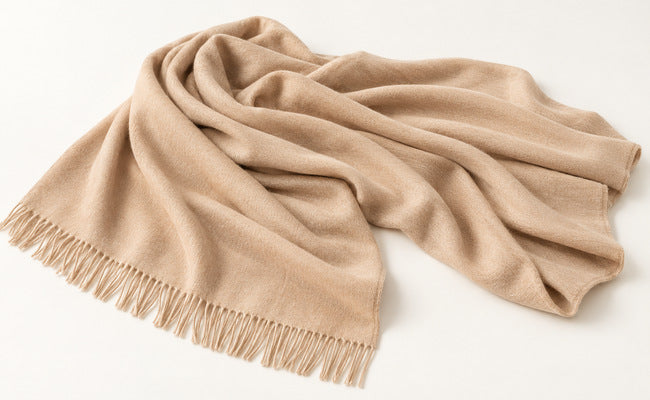
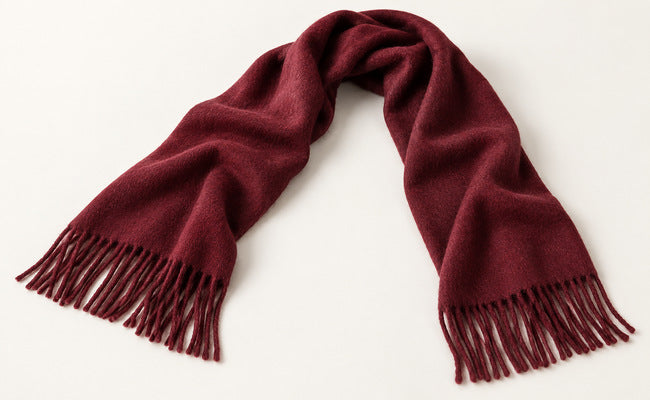
These are the classic form: a piece roughly 180 × 70 cm that you can loop once or twice around the neck, tuck inside lapels, or let hang in two long panels down the front of a straight-cut coat. They pair well with winter coats that have open lapels and a simple silhouette, because the ends follow the coat's vertical line. You will find them in both solid shades (grey, black, cream) and bolder patterns; a single patterned scarf against a plain coat is one of the fastest ways to shift a look. Wool wraps in this format can provide excellent coverage around the shoulders and neck, holding warmth close even in wind.
Wide Shawls and Wraps Worn Over the Coat
Wider pieces, sometimes called blanket scarves, spread across the shoulders and partially cover the front of the coat. Oversized blanket scarves can be draped across shoulders for added warmth, and they work well over single-breasted coats or any style without bulky double lapels. On a cold, windy day a wide shawl adds a visible layer of texture and colour. Layering a wrap over a winter coat this way adds texture and extra insulation without requiring a heavier coat. A ruana, which is a flat, blanket-like rectangle, is best layered over tailored coats where the clean drape sits against structured fabric.
Lightweight Wraps for Trench Coats and Transitional Weather
Thinner, softer wraps belong to the months between seasons. Worn with a trench coat or a lighter spring jacket, they sit close to the neck without creating bulk at a small collar. Because the fabric is lighter, they fold neatly inside or outside the coat's neckline. A cashmere-feel open-front topper is lightweight yet warm, making it a practical option for days that start cold and warm up by midday. Choose these when the temperature is moderate and you want a piece that adds style without weight.
Compact Silk and Patterned Wraps as Coat Accents
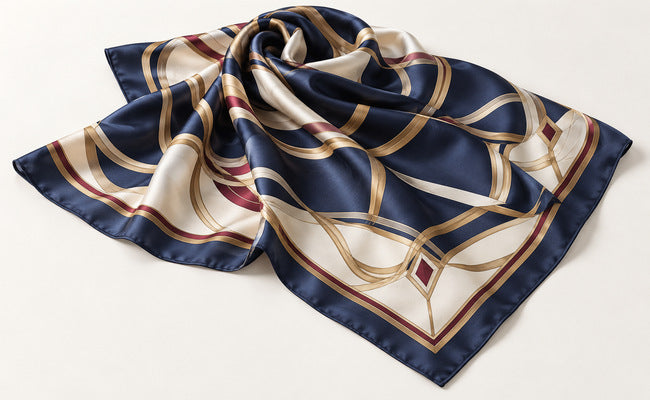
Smaller or mid-width silk wraps folded into a band and tucked at the collar serve a different purpose: colour and pattern, not insulation. They sit flat against a lapel or collar, adding a line of pink, white, or a graphic print to a plain coat. Texture contrast enhances the visual appeal of layered outfits, and a silk accent against wool or cotton is one of the clearest examples. These work with classic, sleek coats where a subtle change of detail matters more than an extra layer of warmth.
What to Look For in Wraps for Coats
Choosing a wrap that works with your coat depends on four concrete attributes: length, material, colour relationship, and how the piece sits at the collar.
Length and Width vs. Your Coat's Cut
A wrap around 70–80 inches long (178–203 cm) allows at least one full neck loop plus visible ends hanging down the front, which suits long, straight-cut winter coats. Shorter wraps, around 55 inches (140 cm), work for simple drapes or compact knots under jackets. Width matters too: narrow wraps (around 12 inches / 30 cm) stay close to the neck and lie flat under tailored lapels, while wider pieces (up to 28 inches / 70 cm) cover the shoulders and part of the chest. Matching proportions is key when pairing wraps with coats; triangle wraps or compact ponchos work well with short jackets, while long rectangular scarves belong with longer coats. When a coat is oversized, selecting lighter wraps can create balance rather than adding more volume.
Material and Seasonality
Heavier fabrics suit winter; lighter ones suit the transitional season. Wool fibres with a diameter under roughly 22 microns feel soft against the skin, while standard wool (28–38 microns) is more durable but can feel coarser at the neck. Cashmere, at around 14–19 microns, is softer and warmer for its weight but pills faster under friction and costs more per gram. A fitted cashmere wrap adds warmth to a tailored wool coat without bulk, making it practical for women who want insulation in a thin layer. Wool absorbs up to 30–35% of its own weight in moisture vapour before feeling wet, which helps regulate comfort during temperature changes. Before buying, check the product description for the exact composition; the fibre blend determines both warmth and care requirements.
Colour and Pattern in Relation to Your Coat
If your coat is a solid neutral (black, grey, cream), a wrap in a contrasting colour or a multi-toned pattern creates a visible accent. A charcoal coat with a wrap in shades of burgundy and grey, for example, picks up the coat's tone while adding depth. The reverse also holds: a wrap in a calm, solid shade tones down a checked or textured coat. Faux-fur wraps add warmth and luxury, especially over sleek coats where the texture difference is most visible. If you are unsure, start with a neutral wrap that complements two or three coats you already wear, then add a bolder piece later.
Texture, Thickness and Comfort at the Collar
Thicker, lofted wraps trap more warmth but add volume at the neckline. If your coat has a large shawl collar or a hood, a thinner wrap avoids pushing the collar out of shape. Conversely, coats with low, open necklines leave room for a bulkier piece. A structured poncho complements fitted coats and leather jackets well, sitting over the shoulders without competing with the collar. A medium-weight knitted wrap pairs well with puffer coats for warmth while still fitting under a zip. Before you settle on a wrap, picture your coat buttoned or zipped: is there enough space at the neck for the piece you want?
How to Choose the Right Wrap for Your Coat
Turning those features into a decision comes down to a few specific criteria.
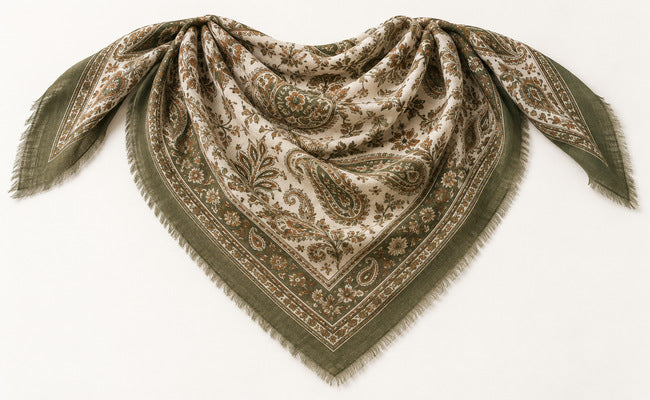
Coat type and length – Long rectangular scarves suit maxi and mid length coats; lighter wraps and compact shawls suit trench coats and shorter jackets. Choosing a wrap that complements the coat's silhouette keeps the proportions clean. A structured longline cape offers a refined country-chic aesthetic over a tailored overcoat, while a triangle wrap fits a cropped jacket.
Season and temperature – Thick, dense wraps for winter coats; thinner, softer fabrics for spring and autumn. Wool or wool-blend wraps handle cold and damp well because of their moisture absorption. Save the silk wraps for milder days or indoor-to-outdoor transitions.
Your wardrobe's colour range – A neutral wrap (grey, cream, black) works with several coats. A bold or patterned wrap in pink, burgundy, or graphic print lifts a single coat into a different style. Owning one of each covers most occasions.
How you prefer to wear it – If you like a loose drape with open ends, choose a longer piece. If you prefer a compact knot or tuck at the neck, a mid-length wrap (around 140–165 cm) stays tidier. The tying method determines how much fabric you need.
Occasion – Solid, muted wraps sort well into daily wear. For more polished outfits, a silk or patterned wrap at the collar of a classic coat acts as a deliberate finishing piece rather than a generic layer.
Frequently Asked Questions
Below are the questions that come up most often when choosing wraps for coats.
How long should a wrap be to wear with a winter coat?
For winter coats, a length of 70–80 inches (roughly 178–203 cm) allows at least one full wrap around the neck with enough left over for the ends to hang visibly down the front. Style guides suggest 65–75 inches (about 165–190 cm) as the range that works for most body frames and coat cuts. Check the product dimensions on the page and compare them to the distance from your neck to your coat's hem; that tells you whether the ends will sit where you want them.
Which material wrap works best with wool or cashmere coats?
Soft fibres with a diameter under about 22 microns (fine Merino or cashmere blends) feel comfortable against wool or cashmere coat collars. Cashmere wraps (fibre diameter around 14–19 microns) are softer and lighter but pill faster, so they suit occasions more than daily commuting. Wool or wool-blend wraps resist abrasion better and need less delicate care. Read the product description for the specific blend before you purchase.
Can I wear a patterned wrap with a checked or textured coat?
Yes, provided at least one colour in the wrap appears in the coat, or the scale of the two patterns differs enough to avoid visual competition. A large-check coat with a fine-stripe wrap, for example, keeps the eye moving without clashing. If you are not confident mixing patterns, a solid wrap with a textured coat (or vice versa) is the safer combination and still adds depth.
How do I style a wrap so it doesn't overwhelm a small coat collar?
Choose a thinner, softer wrap that lies flat rather than a high-loft piece. Tie or loop it close to the neck with the ends released downward instead of layering multiple tight loops that push the collar open. On coats with lapels, tuck the wrap inside the lapels so the coat's structure stays visible. On funnel or stand collars, a single loose loop with a low knot keeps the silhouette sleek.
How many wraps do I need if I wear the same coat every day?
Two or three wraps that differ in colour or pattern give you noticeably different outfits from the same coat. Start with one neutral piece (she's likely to reach for it most) and one that introduces a contrasting colour or print. Swapping a grey wool wrap for a patterned one takes ten seconds and changes the entire front view of your coat.
Explore Wraps for Coats at UniqueYou
The most useful wrap is the one matched to the coat you actually wear, its cut, its colour, and the weather you face this season. Browse the wraps for coats collection at UniqueYou and start with a piece that picks up the colour of your everyday coat or trench; from there, a second wrap in a bolder tone or pattern gives you a full range of looks without a new coat.
FINEST MATERIALS
Softness, comfort and attention to detail.

Express Delivery
Within 24 hours by courier to your home or a pickup point.
EASY RETURNS
Shop with confidence, with the option to return.

SECURE PAYMENTS
Choose your preferred payment method.