
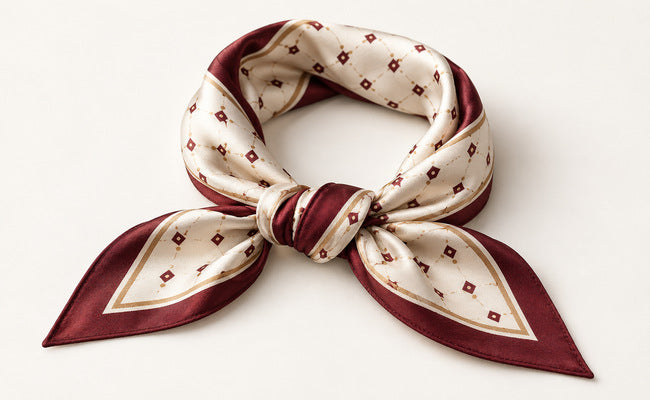

Blue shawls
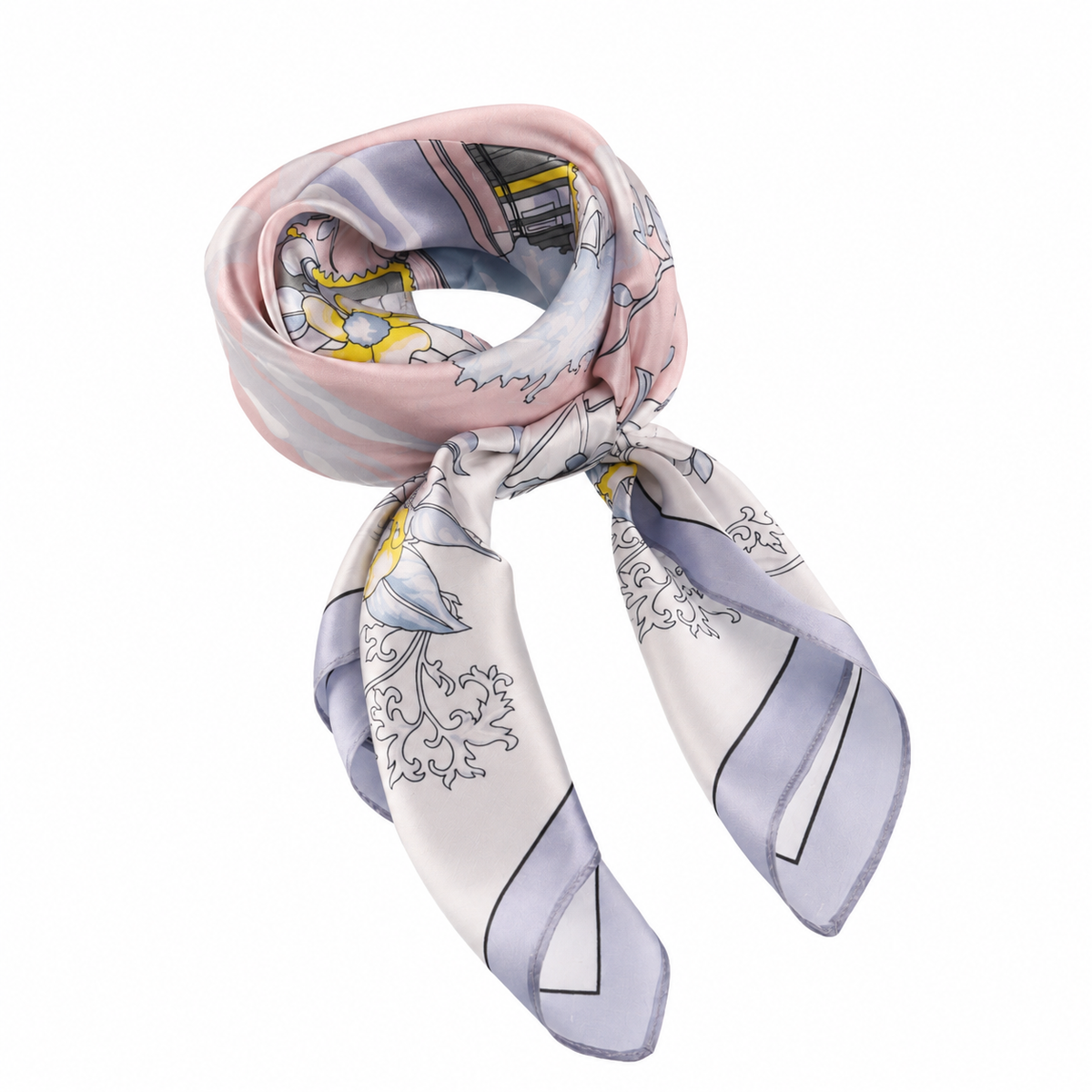
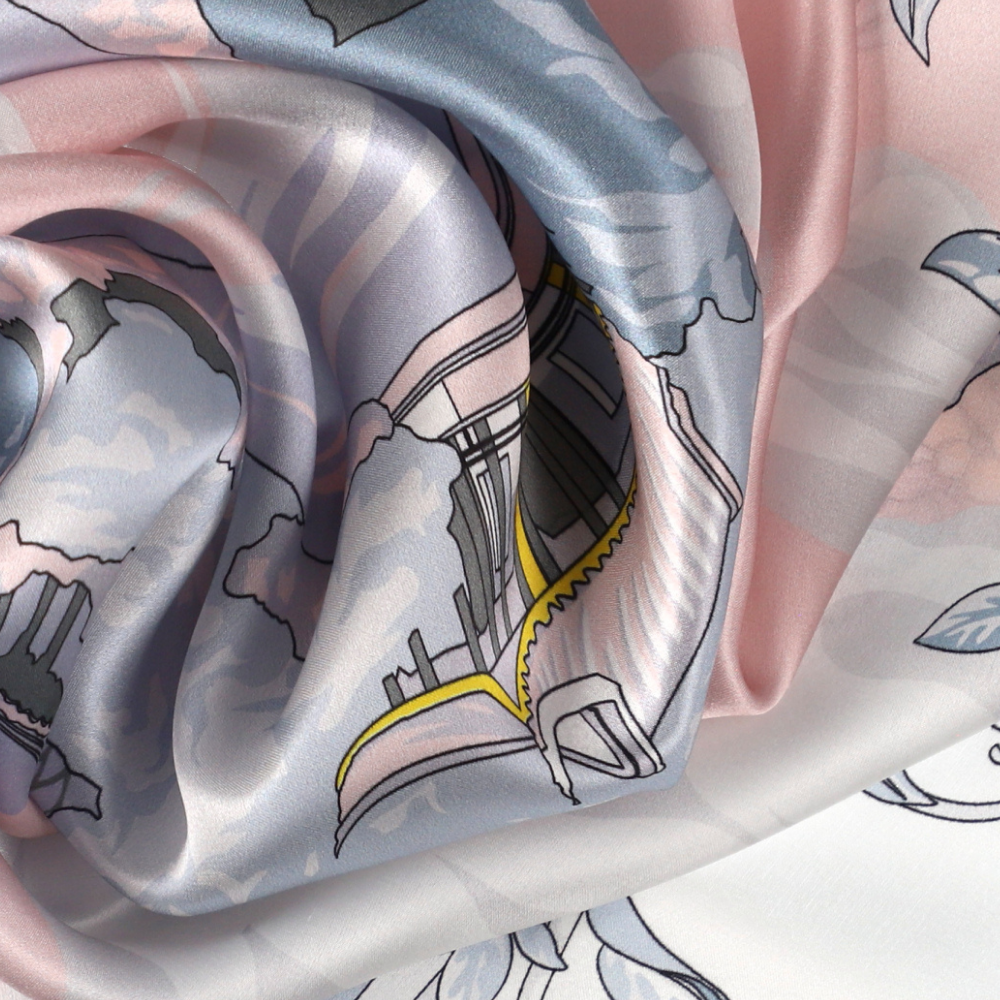
90×90 cm / 35×35 in
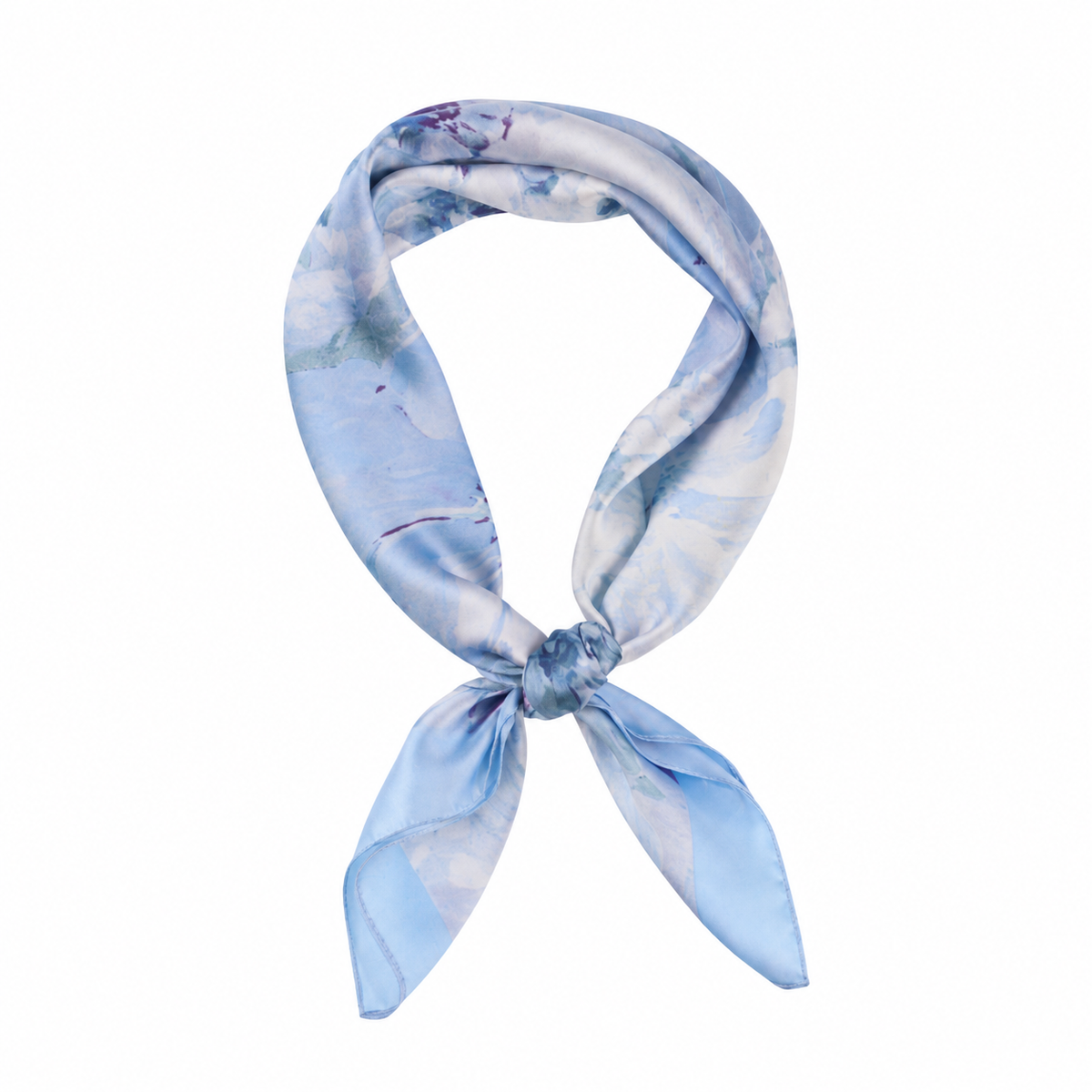
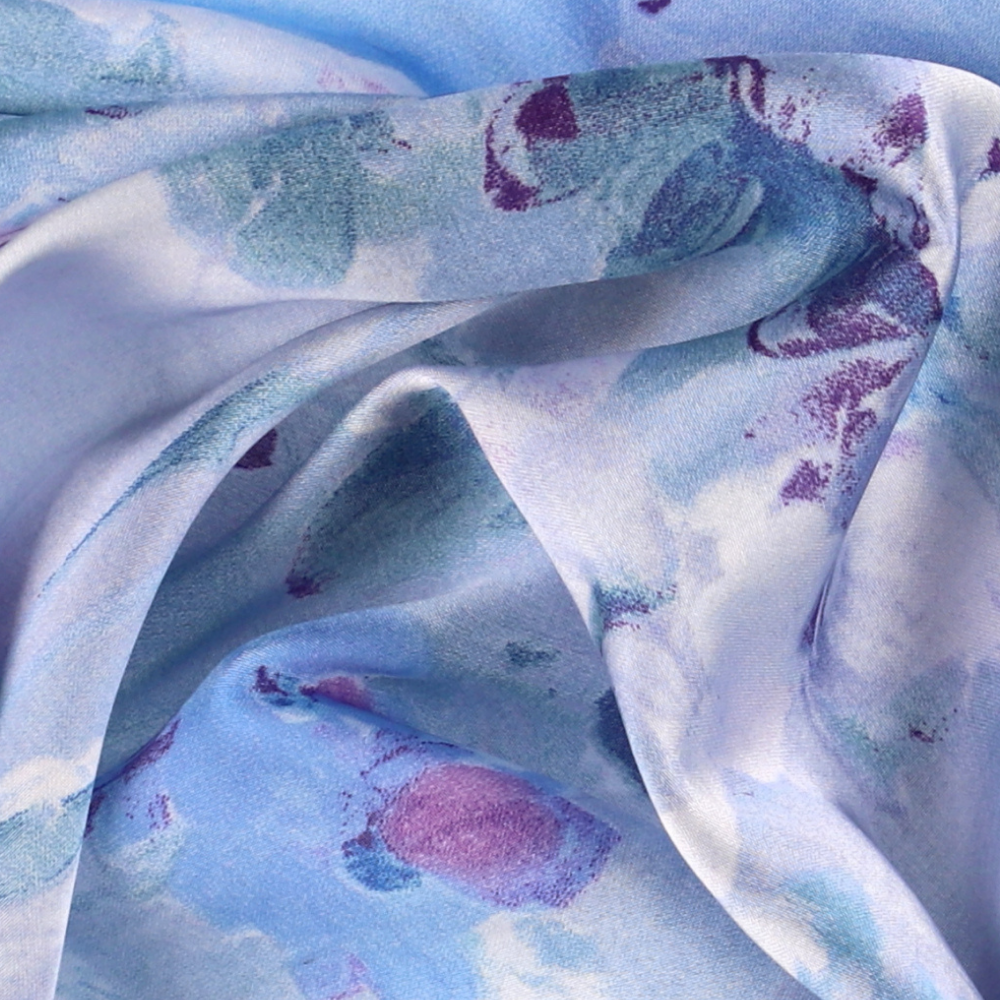
70×70 cm / 28×28 in
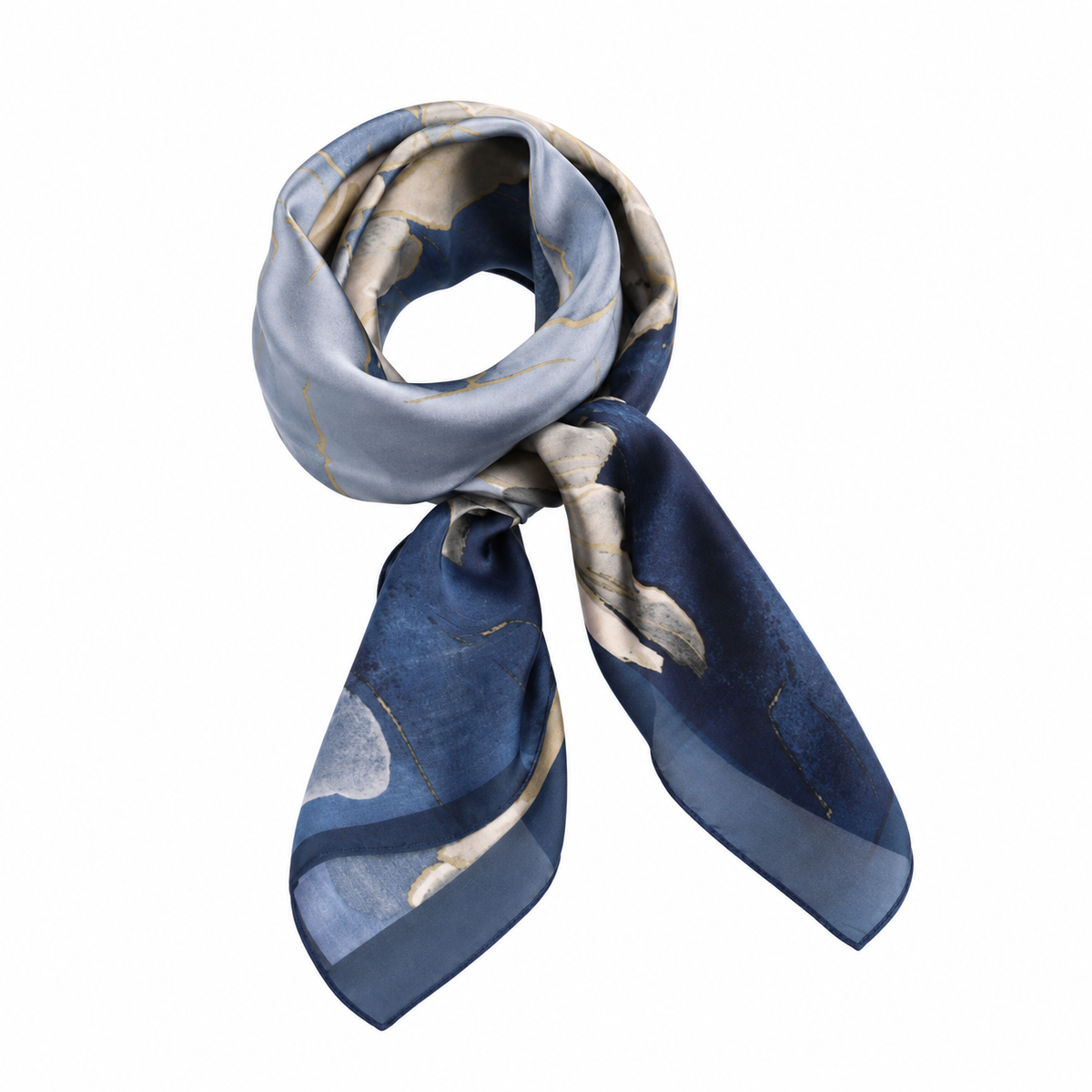
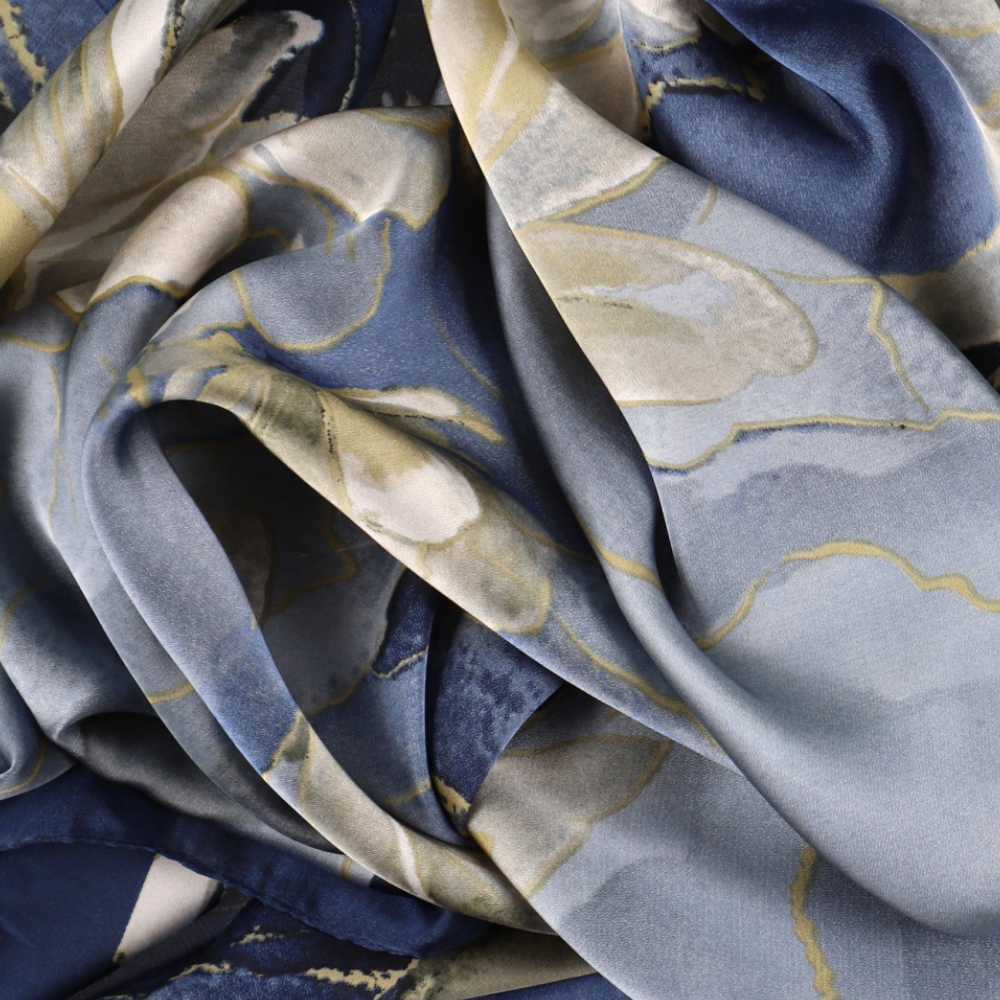
90×90 cm / 35×35 in
Blue shawl – how to choose and style this colour in UniqueYou collection
A blue shawl can add elegance and warmth to outfits ranging from a casual weekend look to a formal evening ensemble. UniqueYou specializes in women's accessories, particularly shawls and scarves, and this collection brings together different fabrics, sizes and shades of blue - from soft icy tones to deep navy - so you can find the piece that fits your wardrobe and the occasion. Below you will find a breakdown of the types available, what to look for in each product, and practical guidance on how to choose and style your blue shawl.
Types of blue shawls
The collection includes several types of blue shawls, from lightweight wraps you can wear year-round to warmer models designed for coats and cooler days. The categories below will help you narrow down which style and format suits your needs best.
Lightweight blue shawls for everyday outfits
Thin, soft blue shawls in breathable fabrics sit well at the neck and across the shoulders without adding bulk. Cotton shawls are breathable and suitable for casual wear in warmer weather, while lighter woven blends drape neatly over a blouse or blazer during spring and autumn. This is a good choice when you want to add a pop of color to neutral outfits - a simple T-shirt and jeans combination gains a clear focal point with an airy blue shawl draped loosely around the neck. Pair a blue shawl with a white shirt for a classic look that works equally well at the office or over the weekend.
Warm blue shawls for coats and jackets
For colder days, look for shawls with more substance. Wool shawls provide insulation and durability for colder climates, and cashmere shawls offer softness and warmth ideal for cooler seasons. A larger format means you can wrap the shawl several times around your neck or pull it over your shoulders for genuine protection against the cold. In terms of versatile styling, a deep navy shawl gives a quiet, polished finish to a matching coat, while a brighter cobalt or sky blue creates a striking contrast against a beige or camel jacket.
Elegant blue shawls for dresses and occasions
When the occasion calls for something refined, a lighter and smoother blue shawl works as a graceful shoulder covering. Silk shawls have a smooth texture and lightweight feel, best for formal occasions - drape one over bare shoulders with an evening dress and it functions almost like a stole. The shade of blue can echo a detail in the dress or stand out on its own, particularly against plain black. This format is perfect for weddings, dinner parties, theatre evenings and any event where you need a light layer without losing elegance.
Patterned blue shawls with multicolour accents
Some blue shawls feature patterns that combine the base blue with white, grey, beige or other tones - geometric motifs, florals, stripes or border designs. A patterned piece can bridge different elements of an outfit, linking the colour of your denim to a lighter blazer, for example, or pulling together a tartan-inspired look. If the rest of your outfit is minimal and single-toned, a patterned blue shawl becomes the central accent - an easy way to add visual interest without layering multiple accessories.
What to look for in a blue shawl
When choosing a blue shawl, the main variables are material, dimensions, the shade of blue, the presence or absence of a pattern, and any finishing details. Fabric choice significantly affects the appearance and function of a shawl, so it is worth understanding what each attribute means in practice. You will find the exact composition and measurements in each product listing; the guidance below helps you interpret those details.
Material and thickness
Common materials for blue shawls include cashmere, silk, cotton, and wool - and each behaves differently. Blue shawls can be made from Merino wool and silk, combining structure with a subtle sheen. A thinner shawl pairs well with a shirt and blazer; a thicker one suits a winter coat or an oversized scarf worn outdoors. Always review the composition listed in the product description rather than assuming identical properties across the whole collection, because even a small change in fibre blend can alter the feel and warmth.
Size, shape and how it drapes
Dimensions matter more than shoppers often expect. Shawls can measure 180 × 70 cm in size, which is long enough to wrap around the neck several times or wide enough to cover both shoulders when worn as a stole. A large blue shawl can be worn as a stole or oversized scarf, depending on how you fold and position it. If you plan to use it mainly with dresses, check that the width is sufficient to sit comfortably across both shoulders and upper arms. If you primarily want it near your neck, length is the more important number - compare it to the coat or jacket you wear most often to gauge proportion.
Shade of blue and pattern
Different shades of blue can create contrasting effects when paired with various colors. A classic navy builds a calm, formal look that sits well with grey suits and dark outerwear. Lighter blues - icy, sky or pastel - add freshness and visibly brighten a dark coat or a simple black dress. Hand-dyed shawls may have slight variations in tone, which can give a more individual, artisan character. When a shawl carries a pattern, identify the dominant colour and match your clothing to that tone - this keeps the overall look cohesive rather than competing.
Finishing details
Details like tassels, fringed edges or cleanly finished hems change the character of a shawl. Smooth, straight edges read more formally and suit office environments, while subtle tassels or fringe add a relaxed, slightly bohemian touch that works well in day-to-day outfits. Look at the product photographs to see how the edges fall on the model - the way the border sits can influence whether the shawl feels dressed up or laid back.
How to choose the right blue shawl
Choosing comes down to matching three things: when you intend to wear it, which garments it will accompany, and how prominently it should feature in the outfit. Shawls are versatile for both day and evening wear, so the right pick depends on your priorities rather than a single "best" option.
Key decision points
Outfit and occasion - A blue shawl is suitable for both day and evening wear. For work, a smooth navy or quietly woven shawl in a muted tone pairs well with tailored clothing. For casual days, a bolder shade or pattern turns a plain outfit into something more considered. For a special occasion, choose a lighter, more elegant fabric that can drape over bare shoulders.
Level of warmth and comfort - If you often feel cold on the commute, a wool or cashmere model with enough length to loop around your neck will serve you well; its durability also means it withstands daily use. In an air-conditioned office, a thinner, lightweight shawl worn close to the neck is usually enough.
Shade of blue versus your wardrobe - Light coats in beige or cream look good with both delicate pastels and deep navy. If your wardrobe leans cool (greys, blacks), pick a cooler-toned blue. If you wear a lot of browns and camels, blues with a hint of warmth tend to harmonise better. A blue shawl can complement both modern and traditional outfits effectively, so let your existing palette guide the shade.
Plain or patterned - When your dress or shirt already carries a print, a plain blue shawl keeps the look balanced. When the rest is simple, a patterned piece becomes the statement. Blue shawls come in various styles and fabrics suited for different occasions, so there is room for both in a well-rounded collection.
Preferred way of wearing - Shawls can be worn as oversized scarves or stoles, and shawls can be styled in multiple ways to suit different necklines and outfits. If you mainly loop it at the neck, ensure the shawl is long enough for the ends to remain visible after wrapping. If you prefer it across your shoulders, width is the deciding measurement. Draping techniques can enhance the overall look of formal and casual ensembles, so consider which method you use most.
Frequently asked questions about blue shawls
Below are answers to the most common questions about choosing, combining colours and caring for a blue shawl.
Which shade of blue shawl should I choose to match a beige or camel coat?
You can go either way. A deep navy creates a classic, restrained pairing, while a lighter sky blue lifts the outfit and adds freshness. If your wardrobe is predominantly warm-toned - lots of beiges, tans and browns - look for blues that carry a touch of warmth in their undertone. If you lean towards cool greys and black, a crisper cobalt or icy blue will feel more natural. A practical tip: hold the shawl against your coat in daylight and decide whether you want a gentle tonal transition or a sharper contrast.
How to wear a blue shawl with a dress for an evening event?
The simplest approach is to drape the shawl over your shoulders so it falls softly at the front or back - elegant styling can be achieved by draping a shawl over shoulders or tying it creatively, but keeping it unfussy usually looks best for formal settings. With a fitted dress, a slightly larger blue shawl creates a soft line around the shoulders that balances proportions. If the dress has a print, choose a solid blue; if the dress is plain black, you can pick a patterned shawl where blue dominates. Blue shawls can serve as stylish accessories for both casual outings and formal events.
Is a blue shawl suitable for office outfits?
Yes - especially in navy or with quiet patterns that sit well alongside a white shirt, a grey blazer or a dark suit. A thin blue shawl folded into a narrower band can replace a necklace, adding a subtle colour accent at the neck that reads polished rather than casual. For formal meetings, keep the colour combinations simple; save brighter shades or bolder patterns for less official days.
How do I care for my blue shawl so the colour stays beautiful?
Always check the care information in the product listing or on the label, because the right method depends on the material. As a general rule, a gentle machine cycle or hand washing in lukewarm water with a mild detergent is safer than a standard wash. Dry flat to prevent stretching and avoid strong wringing or vigorous rubbing. Washing with similar colours and keeping the shawl out of direct sunlight during storage will help the blue dye stay vivid for longer, supporting both the appearance and sustainability of the piece.
Can a blue shawl work with jeans and a simple T‑shirt?
Absolutely - this is one of the most natural pairings. A blue shawl complements denim because the tones relate without being identical; navy next to medium-wash jeans, for instance, creates quiet cohesion. With classic jeans and a white tee, you can shop for either a smooth navy wrap or a patterned blue shawl that becomes the centrepiece. Wear it loosely draped around the neck, tied once, or thrown over the shoulders on a cooler afternoon - each method changes the look without requiring any other accessories.
Explore blue shawls at UniqueYou
A blue shawl can be a subtle addition to workwear, a practical layer under a winter coat, or the defining accent in an otherwise simple outfit. Browse the available models, compare shades of blue, patterns and dimensions, and choose the piece that best complements what you already wear. Blue shawls can complement both casual and formal outfits, so whichever direction your wardrobe takes, there is a shade and format here to match.
FINEST MATERIALS
Softness, comfort and attention to detail.
Express Delivery
Within 24 hours by courier to your home or a pickup point.
EASY RETURNS
Shop with confidence, with the option to return.
SECURE PAYMENTS
Choose your preferred payment method.