
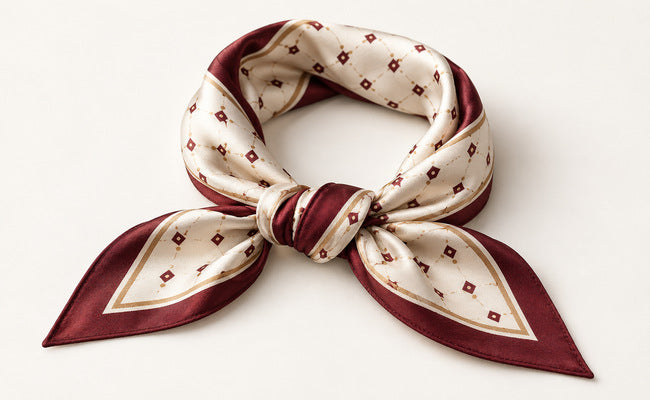

Silk scarves
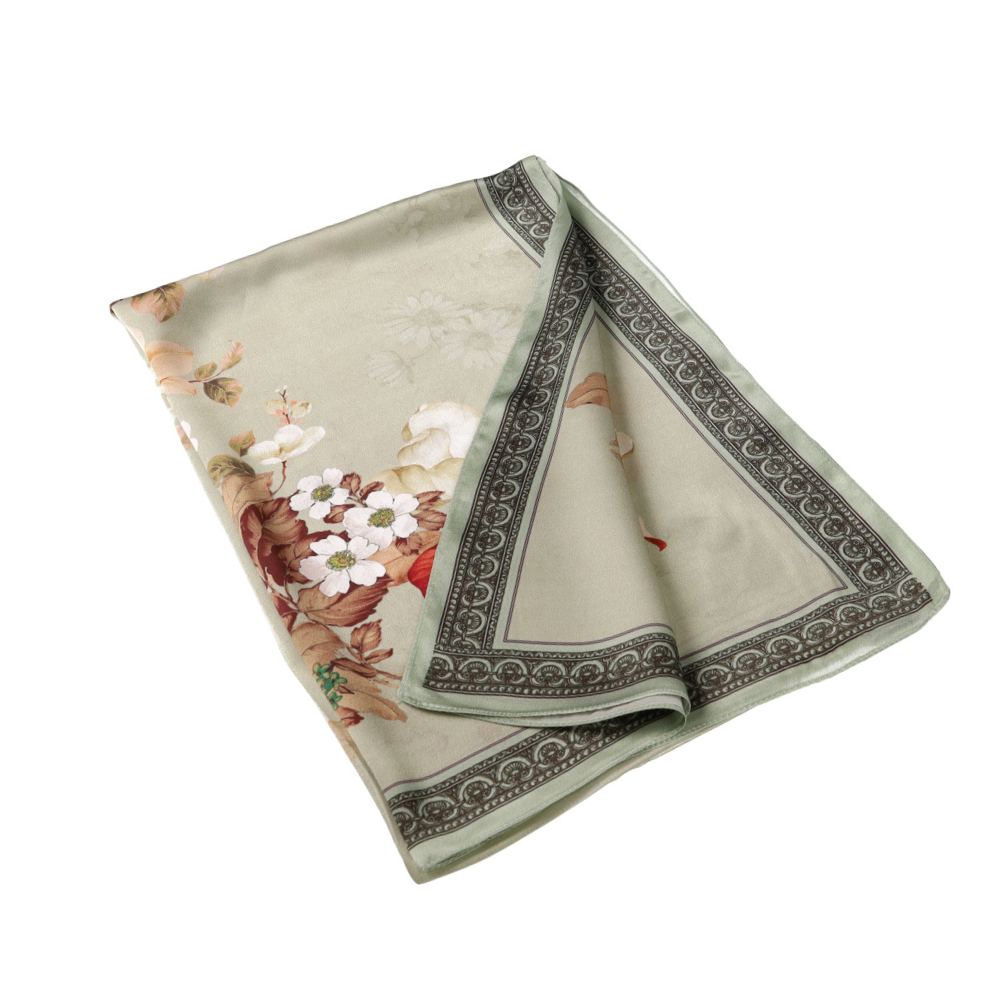
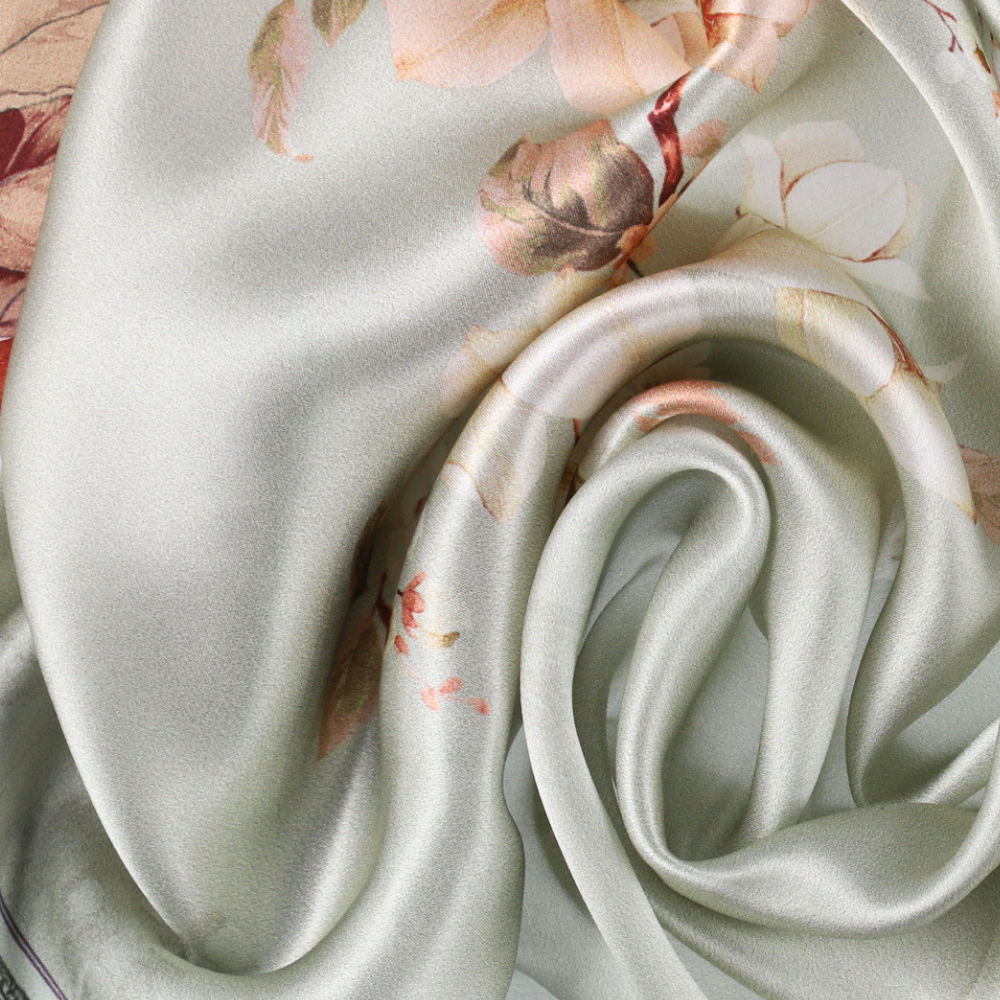
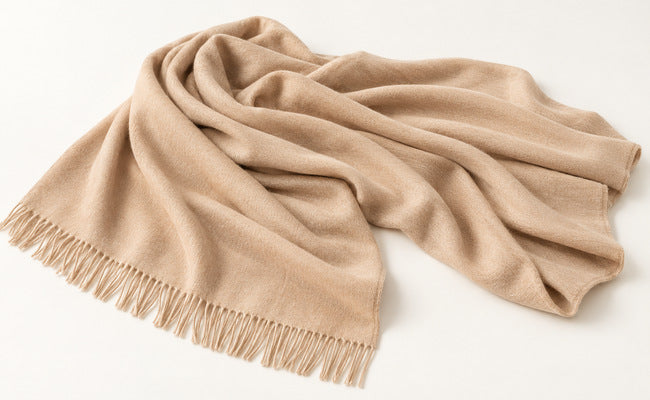
170×53 cm / 67×21 in
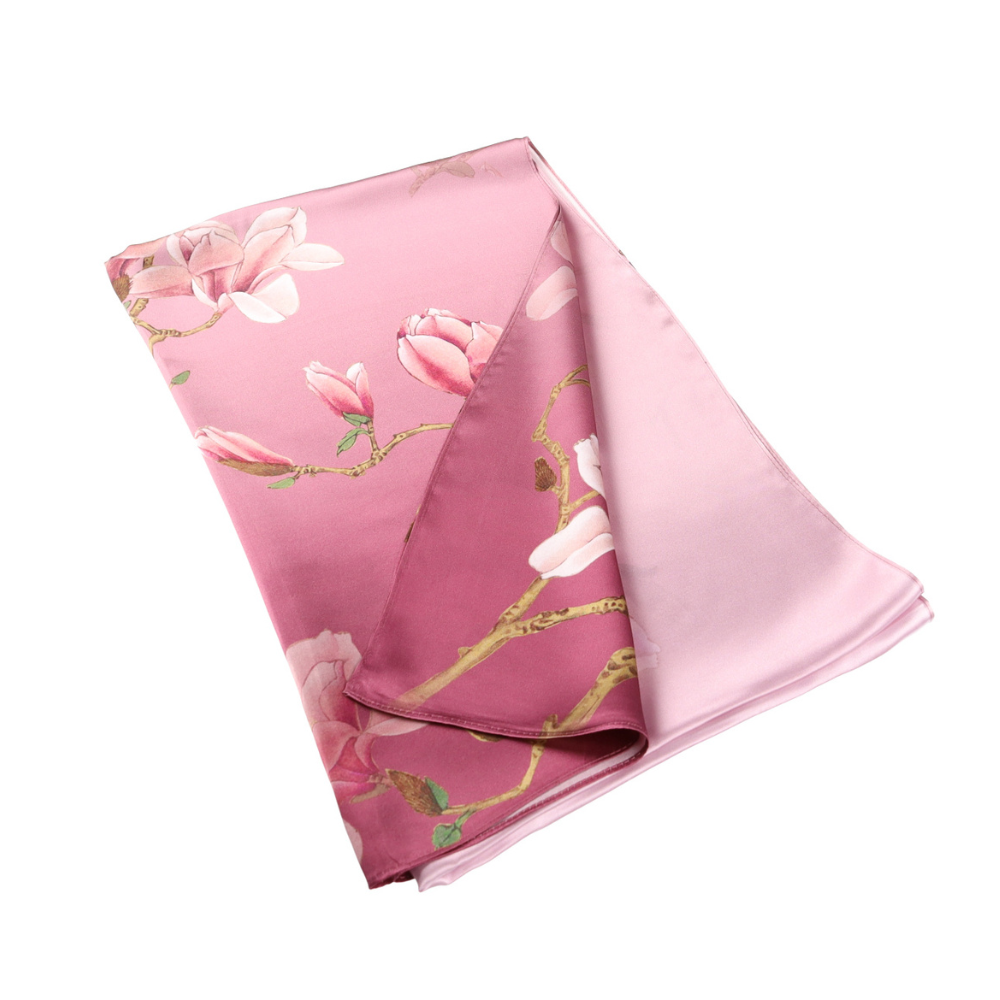
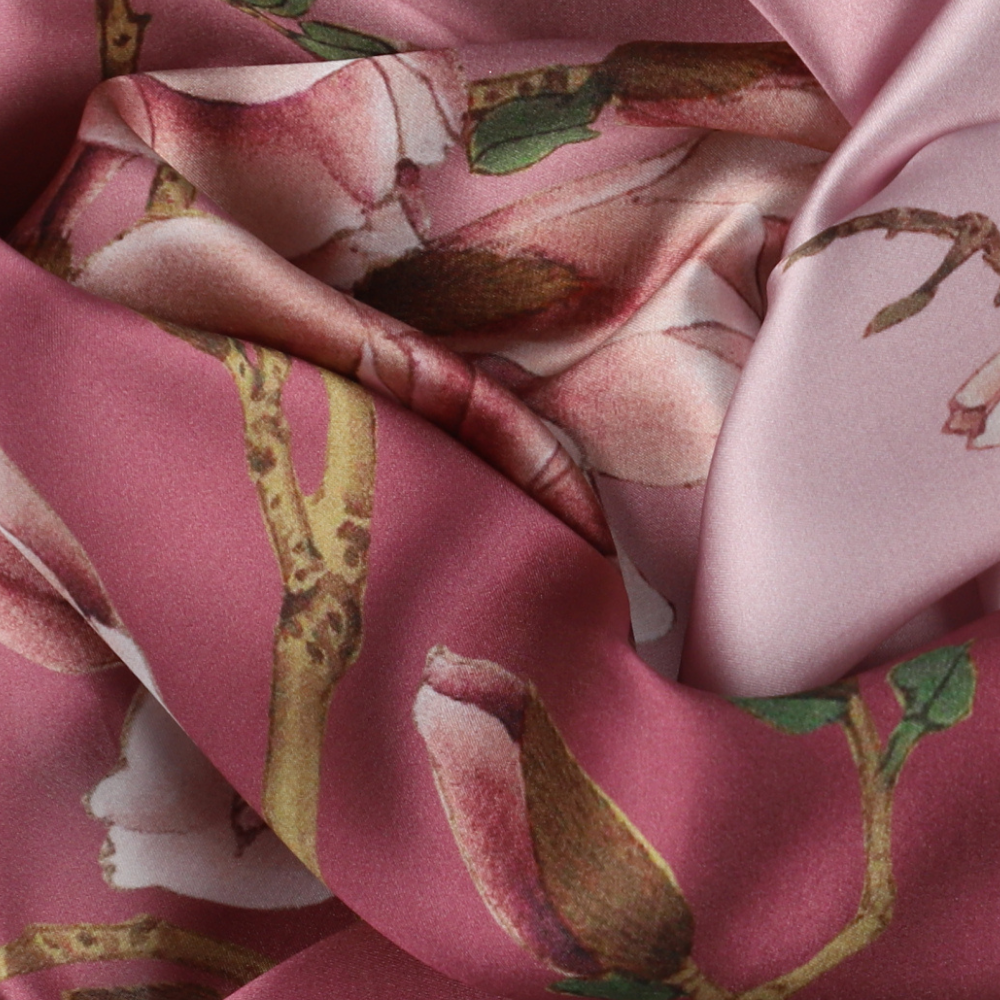
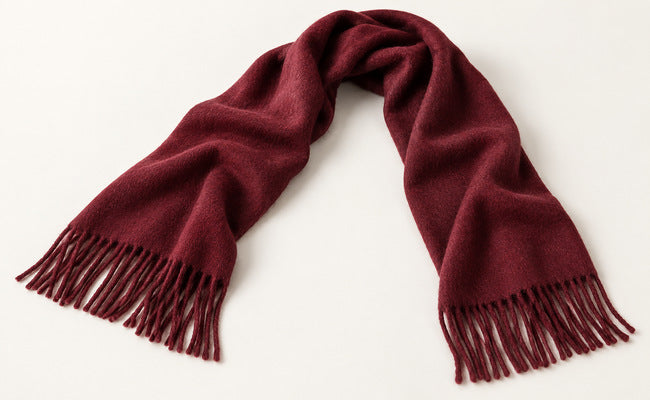
170×53 cm / 67×21 in
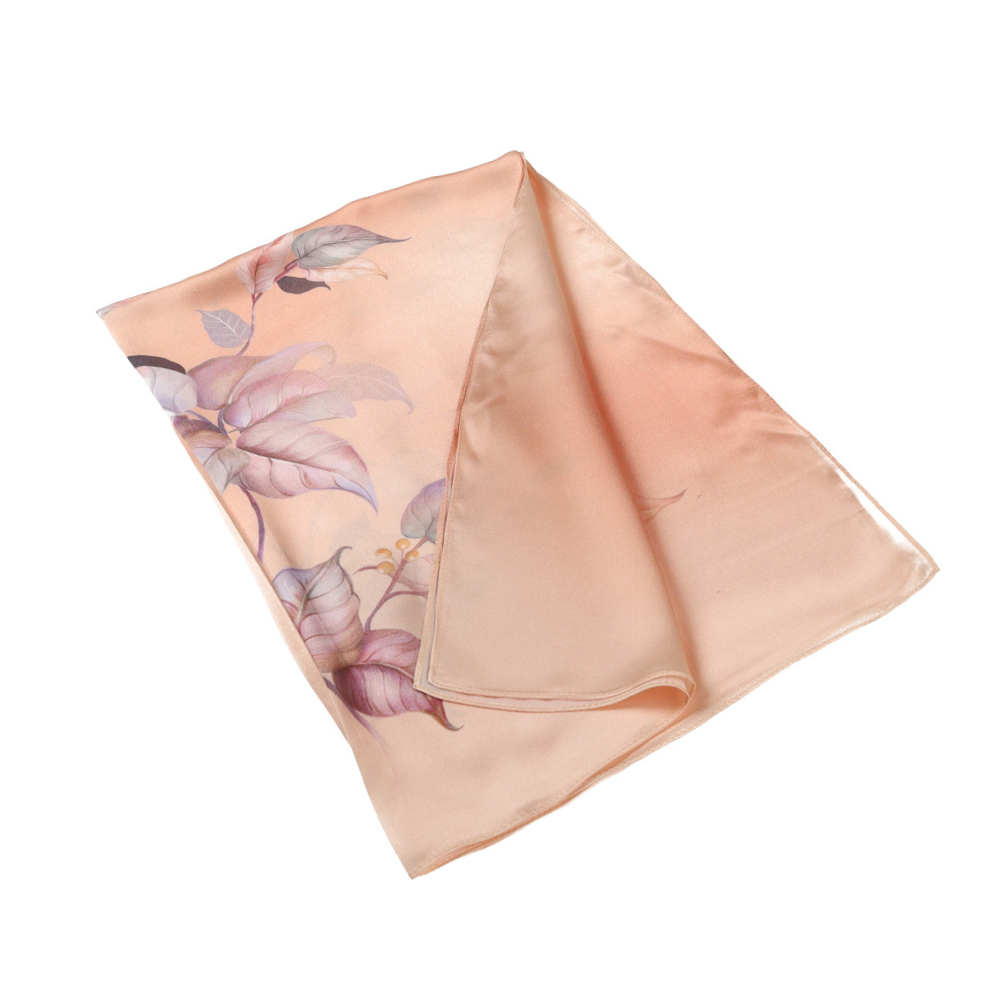
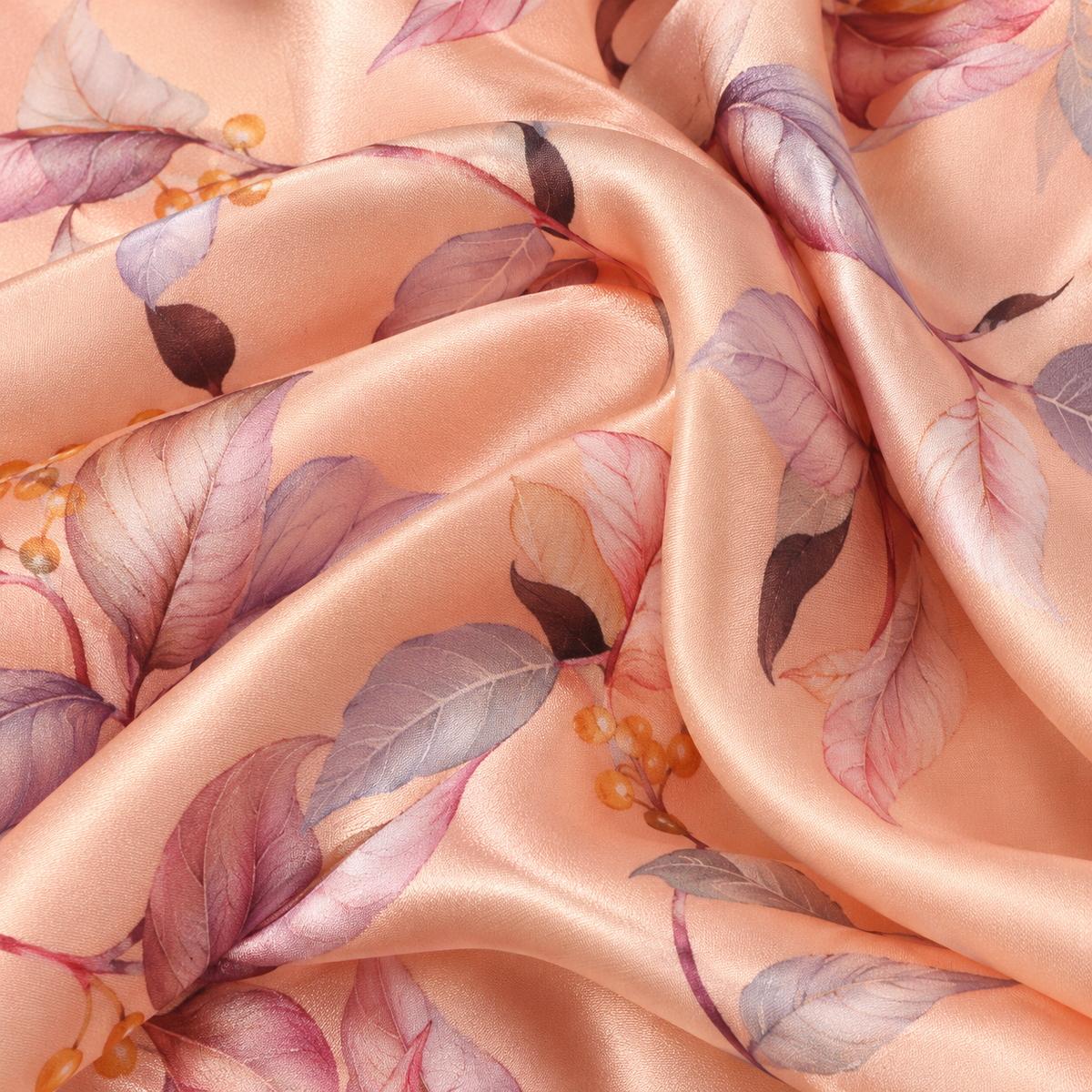
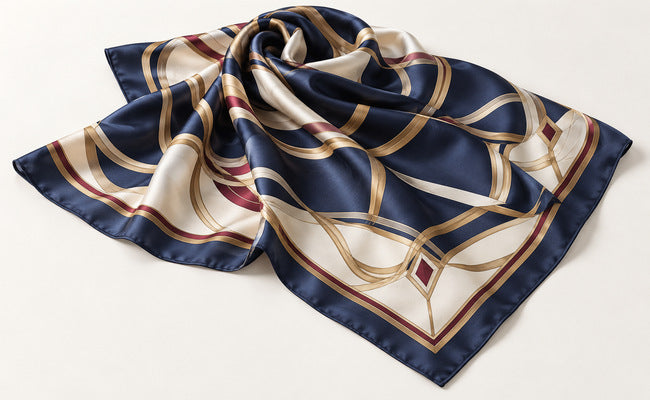
170×53 cm / 67×21 in
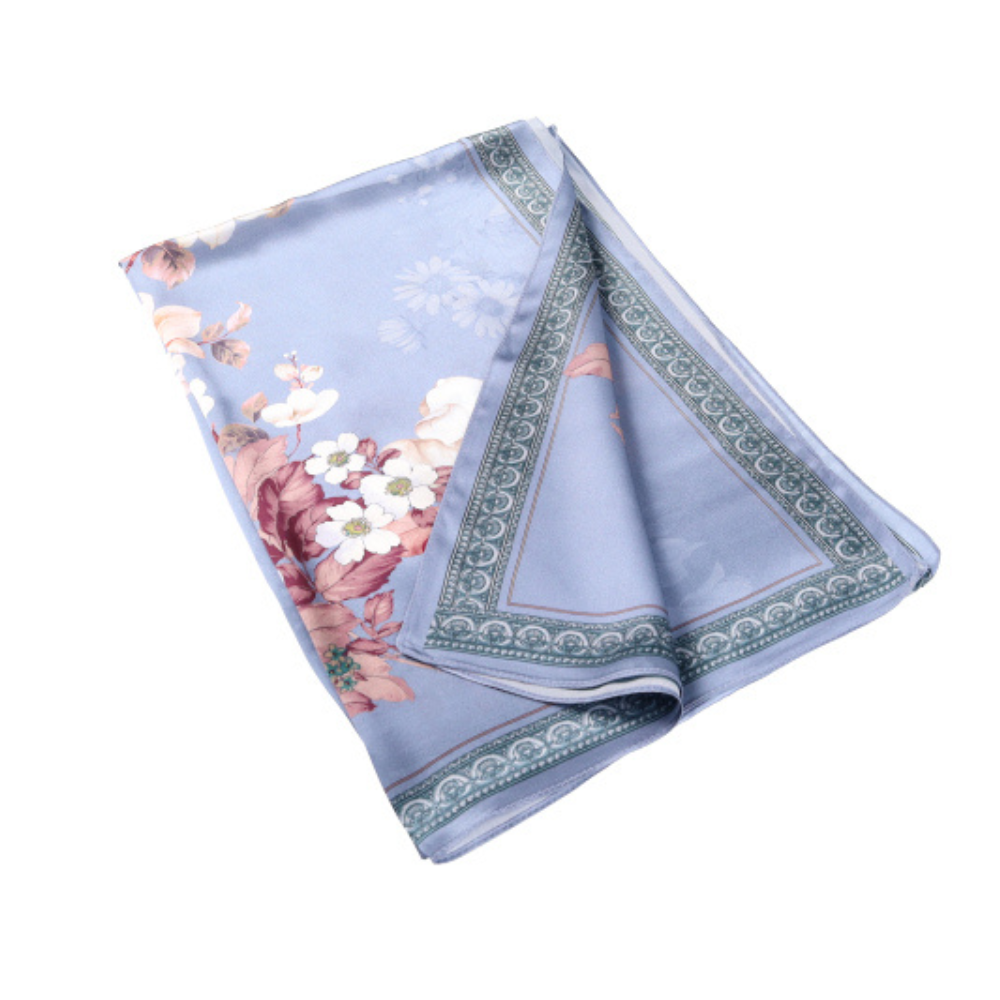
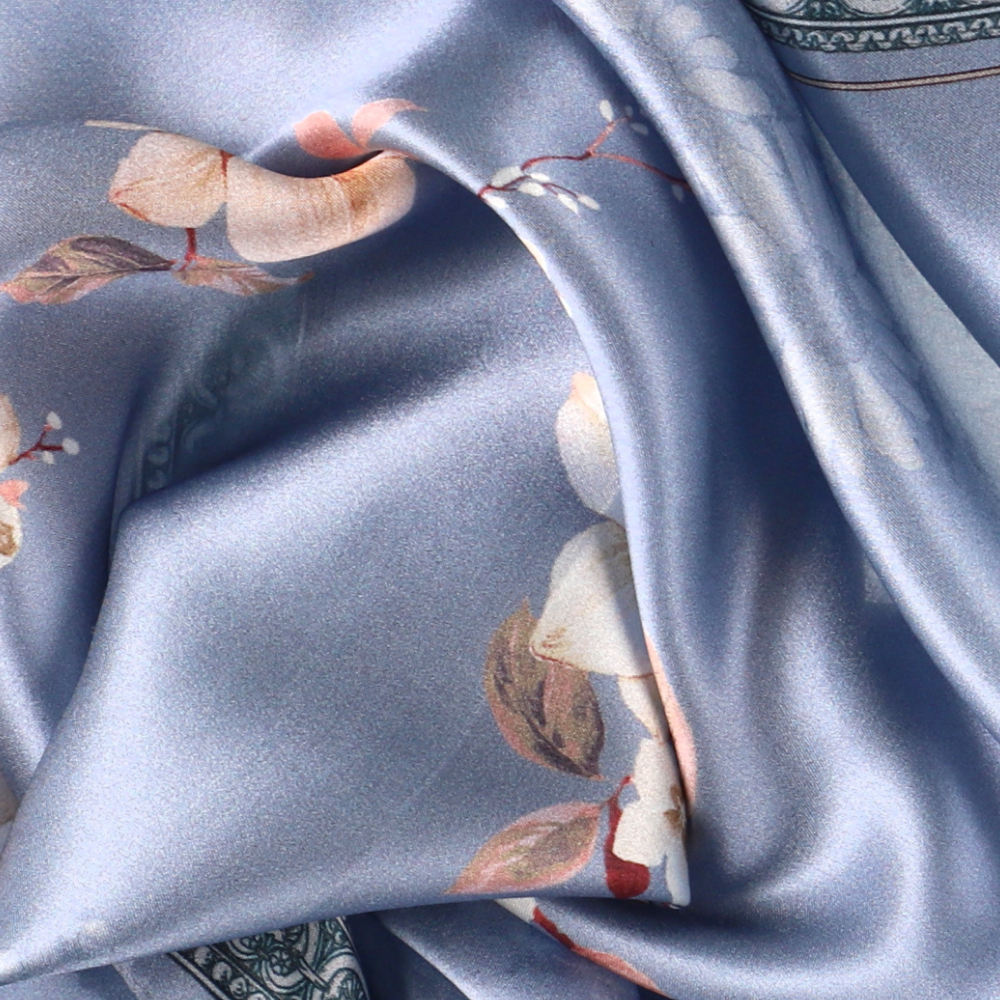
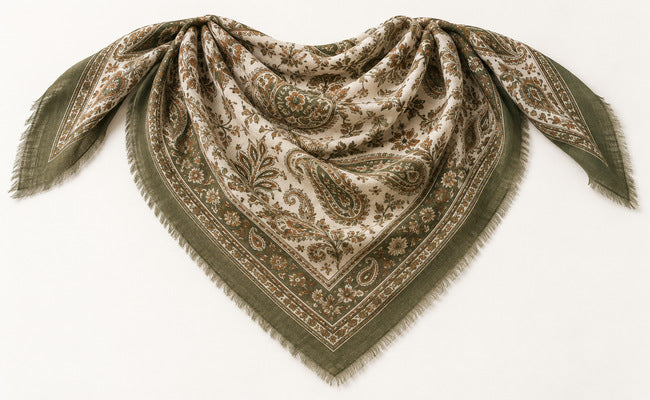
170×53 cm / 67×21 in
Silk scarf – how to choose and style elegant silk scarves from UniqueYou
Silk scarves at UniqueYou
Whether you're looking for a statement piece for your favourite coat, a subtle accent for a crisp shirt, or a lightweight touch of colour with jeans and a T-shirt, UniqueYou's collection of women's silk scarves and square silk neckerchiefs has you covered. This guide helps you quickly decide which silk scarf to choose - by size, shape, colour and finish - and shows how to wear it with clothes you already own, so you can add effortless elegance to your wardrobe without overthinking the process.
Types of silk scarf
In this category you will find several formats of silk scarves that differ in size, shape and the role they play in an outfit. Silk scarves come in square and rectangular shapes, and names like "square scarf," "gavroche," or "silk stole" point to real differences in dimensions and styling options - not just marketing labels.
Square silk scarf (classic square scarf)
The classic square silk scarf is typically around 90 × 90 cm, giving you generous fabric to fold, drape or knot in many ways. It works best tied at the neck over a coat, laid across the shoulders with a blazer, or folded into a triangle and knotted loosely at the front of a trench. Larger square silk scarves can be folded into tops or wraps, making them remarkably versatile. Picture a colourful 90 × 90 cm square with a beige trench coat - the scarf becomes the focal point of the entire look - or the same scarf folded along the collar of a white shirt for a more understated effect.
Small silk neckerchief (silk gavroche)
This is a smaller square - often about 50 × 50 cm - designed to sit close to the neck or serve as a compact accent. A medium square silk scarf of this size is versatile for many styling options: wear it with an open-neck shirt, a simple top, or tied around the wrist or the handle of a handbag for added flair. The gavroche gives a visible pop of colour and pattern without covering a large part of the outfit.
Long silk scarf
Elongated rectangular silk scarves - common sizes include 170 × 53 cm - can be wrapped loosely around the neck, draped on shoulders, or used as a light shawl. Length and width determine whether the scarf works as a substantial wrap with a spring coat or as a lighter accent laid along the lapels of a blazer. A long silk scarf in a rich jewel tone draped over a grey wool overcoat, for example, can transform a simple silhouette, while a softer neutral shade adds quiet refinement.
Skinny silk scarf and silk tie-style scarf
Slim, narrow silk scarves - typically 5–12 cm wide - can be knotted like a tie, wrapped twice around the neck, or used as a soft "belt" at the waist. They work particularly well with shirts, V-neck knitwear and simple dresses, and can also be tied in hair if the length allows. Silk scarves can be used as hair accessories for added flair, and scarf rings can enhance the styling further. Check exact width and length on the product page before planning more advanced ties.
What to look for in a silk scarf
Beyond patterns and colour, it is worth paying attention to material composition, weave, size and finishing details. Each of these features affects how the fabric lays, how visible the pattern is after folding, and which situations the scarf fits best.
Silk and fabric composition
Silk scarves are often made from 100 % mulberry silk, which is known for its durability and smoothness - long, uniform filament fibres produce a soft sheen and a luxurious hand feel. The quality of silk is evaluated by fiber type and momme weight, so it is worth checking each product card for exact composition. Pure silk warms quickly to your skin, feels cool at first contact, and is gentle on sensitive skin, preventing irritation. Silk scarves are naturally hypoallergenic, and silk creates less friction than cotton or synthetic fabrics, making it comfortable even against the most delicate complexion. Natural silk fibers are breathable and thermoregulating, and silk wicks moisture away better than synthetic options like polyester - a real advantage in warmer seasons or layered outfits.
Weave, weight and drape of the scarf
Different silk weaves affect the look and behavior of the scarf considerably. Silk twill has a structured weave that helps hold its shape - ideal for scarves that need to maintain a crisp knot. Satin or charmeuse weaves create a luminous, fluid drape with a lustrous face, but may be more prone to snagging. Crepe de Chine offers a matte, subtly pebbled texture that hides wrinkles better. The momme weight of a silk scarf influences its drape and durability: lighter weights (12–16 momme) produce airy, flowing fabric perfect for summer and subtle knots, while 16–18 momme gives the balanced body found in classic luxury squares. Silk scarves are lightweight and drape beautifully across these ranges. When weight is not specified in numbers, look at product photos on the model to assess how the fabric falls.
Size and proportions
Dimensions are crucial because the size and shape of a silk scarf influence how it can be worn. A scarf of around 50 × 50 cm sits closely at the neck, forming a compact knot with short ends - ideal for everyday use with a shirt collar. A 90 × 90 cm square gives you enough fabric to create generous folds on the chest and shoulders, wrap twice, or tie into a larger bow. Common sizes include 90 × 90 cm and 170 × 53 cm, so compare the scarf with your neckline depth, coat collar size and preferred way of tying before you buy.
Patterns, borders and colours
Silk shows colours intensely, so both calm neutrals and multicolour prints read clearly in an outfit. Silk scarves can feature floral, geometric, or animal patterns - and each behaves differently when folded: a bold border becomes the most visible element once the scarf is rolled, while an all-over print reveals a new composition with every fold. Colour plays a significant role in choosing a silk scarf; try picking one shade from the pattern that echoes a blouse, bag or pair of trousers you already own, or use a patterned silk scarf as the only strong accent against plain clothes. A silk scarf can express personal style through colour and pattern - it is one of the most personal accessories in your wardrobe.
Edges and finishing details
High-quality silk scarves should feature hand-rolled hems - this artisan detail creates a soft, rounded edge that retains its shape and allows the border pattern to wrap subtly rather than end abruptly. Machine-stitched flat hems may be visible and less flexible. Edge finish also affects how the scarf lays after folding and how durable the edges remain where they are tied or rubbed. Zoom into product photos to see the finishing quality rather than assuming it; well-made silk scarves can last for years with proper care, and the edge is a good indicator of overall craftsmanship.
How to choose the right silk scarf
Start from your favourite clothes - the coat you wear most, the shirt you reach for on weekday mornings, or the dress that needs just one more element. Then choose scarf size, colour and pattern to match how you will actually wear it.
Key decision criteria
Planned use (coat, shirt, dress, everyday) - Large squares or long scarves give enough fabric to fill a coat collar and stay visible above lapels. For shirts and simple tops, a smaller gavroche or skinny scarf keeps the accent proportional. Silk scarves can enhance simple outfits by adding colour and texture without overwhelming them.
Preferred way of tying - If you like loose, flowing knots with longer ends, choose larger formats; silk scarves can be tied in various creative ways, and larger silk shawls can be knotted for unique styles. If you prefer a compact knot sitting close to the neck, a smaller square or skinny scarf will give a tidier result. Silk scarves can be draped around the neck for elegance with minimal effort.
Colour palette in your wardrobe - Choose a scarf that repeats your favourite neutrals (beige, camel, navy) for seamless integration, or pick one accent colour - deep red, cobalt, emerald - to enliven plain coats and dresses. Silk can provide elegance and refinement to any outfit, so even a single well-chosen colour makes a difference.
Pattern intensity - Calm, nearly uniform designs blend into a look and let other accessories speak; expressive, multicolour prints become the main focal point. Consider what the rest of your outfit looks like: neutral clothes allow bolder patterns, while busier outfits benefit from a subdued scarf.
Season and layers - The same silk scarf can appear across seasons. Silk regulates temperature effectively for comfort, so a lighter scarf works beautifully with a summer dress, while a denser one adds warmth and colour next to a wool coat. The amount of fabric around your neck and how tightly you tie it will influence comfort more than the season alone.
Styling ideas for silk scarves
A single silk scarf can work in many daily outfits without complicated tying techniques - it is simply about matching format, colour and placement to what you are already wearing.
Silk scarf with a coat or jacket
Fold a classic 90 × 90 cm square into a triangle and tie it loosely at the front of a camel wool coat - the print peeks out above the collar and adds life to a monochrome silhouette. A long rectangular scarf draped along the lapels of a grey jacket or tucked into a belt creates a more layered look suitable for work or a weekend walk. A calm navy silk scarf paired with a camel coat reads quietly elegant; swap it for a vivid patterned scarf and the same coat becomes an entirely different outfit. Match the amount of fabric at the neck to the size of the collar - if the coat is worn open, let more of the scarf hang visible; if buttoned, keep the knot compact.
Silk scarf with a shirt and blazer
A small silk neckerchief tied loosely above the first undone button of a white shirt adds a sophisticated touch that works from the office to an evening dinner. Tuck the ends under the collar for a cleaner line, or let them fall softly for a more relaxed feel. A silk scarf can also fill the space between blazer lapels - especially in a simple T-shirt-and-trousers combination upgraded by the scarf. Focus on what remains visible after tying: the knot itself, the border design, or the centre of the print.
Silk scarf with a dress or sweater
Pair a medium square silk scarf with a plain V-neck dress - knotted at the neck, it draws the eye upward and frames the face; draped over bare shoulders, it acts as a light, breathable cover for cooler evenings. With a crew-neck sweater, a smaller scarf tucked just above the neckline adds a sliver of pattern, while a longer scarf over a fine-knit cardigan creates elegant layering. These combinations work equally well for a weekday coffee run and a Saturday dinner, without implying rigid dress codes.
Silk scarf in everyday casual looks
A patterned silk scarf can become the main accent in the simplest set: jeans, a plain top, a lightweight jacket, and one square of colour at the neck. Silk scarves can also be used as hair accessories - tied around a ponytail or as a headband - or wrapped around a wrist or handbag handle when the size allows. Discover how one or two well-chosen scarves, worn differently each time, can create the variety of a much larger collection. Experiment rather than accumulate.
Frequently Asked Questions
Below are answers to questions often asked when choosing or caring for a silk scarf.
Which silk scarf size should I choose for everyday wear?
For everyday outfits with shirts, lightweight coats and simple tops, a small gavroche (around 50 × 50 cm) or a medium square (around 70 cm) usually works best - compact enough for a neat knot but visible enough to add character. A large 90 × 90 cm square gives more styling flexibility but carries more fabric. A long rectangular scarf suits those who prefer wrapping rather than knotting. Always check the exact dimensions on the product page and think about the one way you tie scarves most often.
How do I choose the right colour and pattern of a silk scarf?
Start from the colours you already wear most - your go-to coat, bag, favourite blouse - and decide whether you want tone-on-tone harmony or a strong contrast. A practical rule of thumb: repeat one colour from your outfit in the scarf for cohesion, or keep your clothes neutral and let the scarf carry all the pattern. Silk scarves can feature floral, geometric, or animal patterns, so filter by what genuinely appeals to your style rather than following trends that feel foreign.
Are silk scarves only for special occasions?
Not at all. Silk scarves at UniqueYou are designed for both everyday looks with jeans and more polished sets for meetings or evening outings. The same scarf tied in a casual loose knot with a cotton T-shirt on Monday can be folded into a structured triangle under a blazer on Friday - the fabric adapts, and the occasion follows the styling rather than the material. A silk scarf is a gift to your daily wardrobe, not just to a special date.
How should I care for a silk scarf?
Always read the individual care label first. As a general guideline, hand wash in cool water (below 30 °C) with a mild, silk-safe detergent. Avoid hot water, harsh chemicals and wringing. Press or roll the scarf in a clean towel to remove excess water, then dry flat away from direct sunlight or heat sources. Iron on a low silk setting while the fabric is still slightly damp, on the reverse side or through a protective cloth. Store scarves flat or gently rolled - prolonged hanging can stretch the fibres - and keep them away from perfume or makeup to prevent staining.
Can a silk scarf be worn all year round?
Yes. Silk is light, breathable and comfortable against the skin across all seasons. In spring and summer, a lightweight silk scarf adds colour without warmth; in autumn and winter, the same scarf layered under a wool coat provides an accent of colour and a pleasant barrier between your neck and coarser fabrics. Comfort depends on how many layers you wear and how tightly you tie the scarf - not on the calendar.
Explore silk scarves at UniqueYou
The easiest way to shop is to start from the garment you wear most - your favourite coat, shirt or dress - and then filter the collection by size and colour to find a silk scarf that complements it. Browse the range, compare dimensions on product cards, and see how individual patterns look on the model photos. Add the ones that speak to you to your wishlist, and let a single silk scarf quietly transform the way you dress every day.
FINEST MATERIALS
Softness, comfort and attention to detail.

Express Delivery
Within 24 hours by courier to your home or a pickup point.
EASY RETURNS
Shop with confidence, with the option to return.
SECURE PAYMENTS
Choose your preferred payment method.