
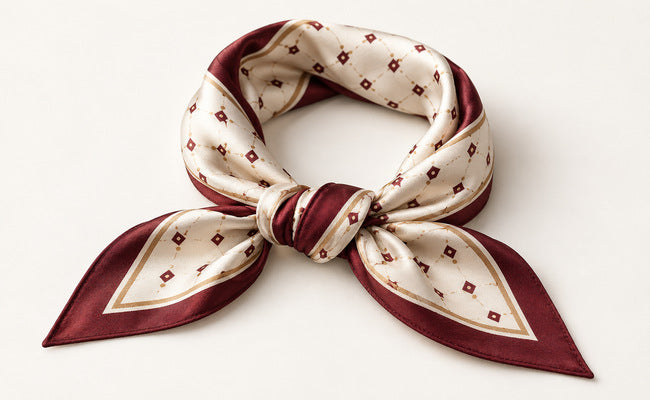

Square scarves for the head and hair
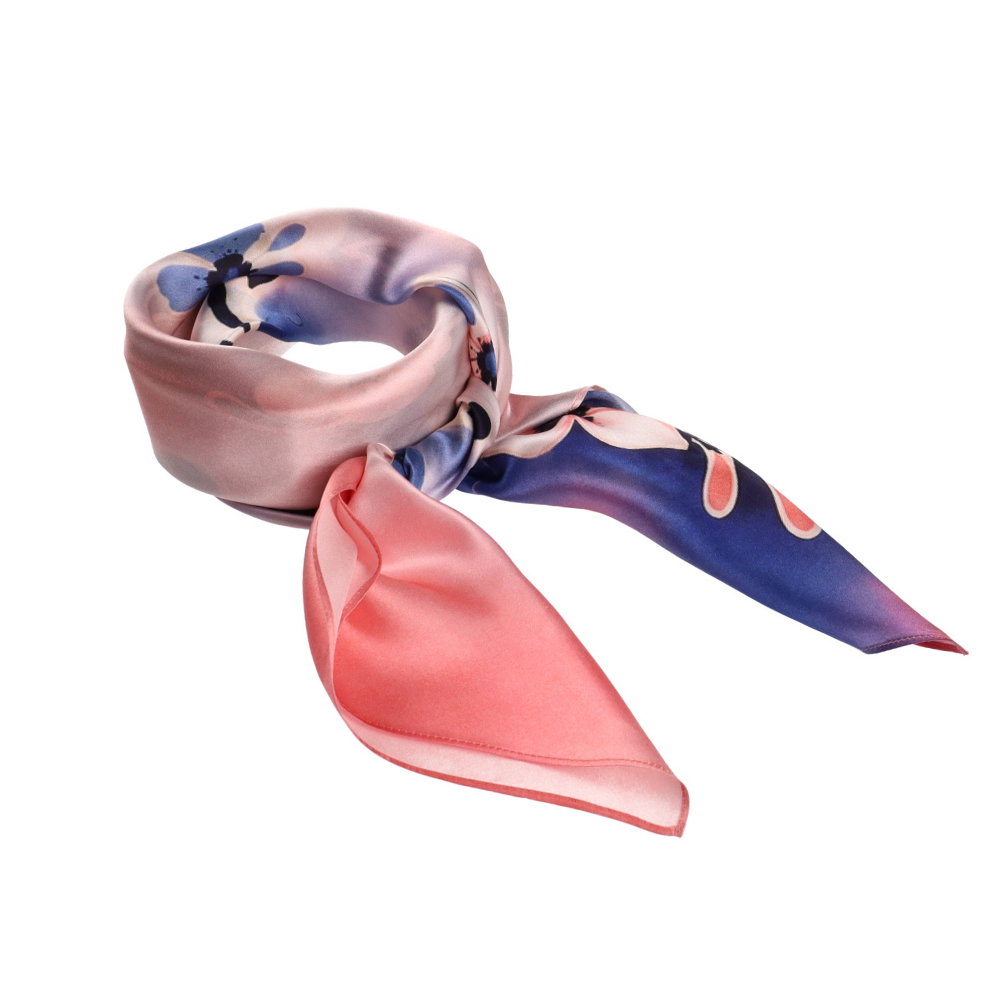
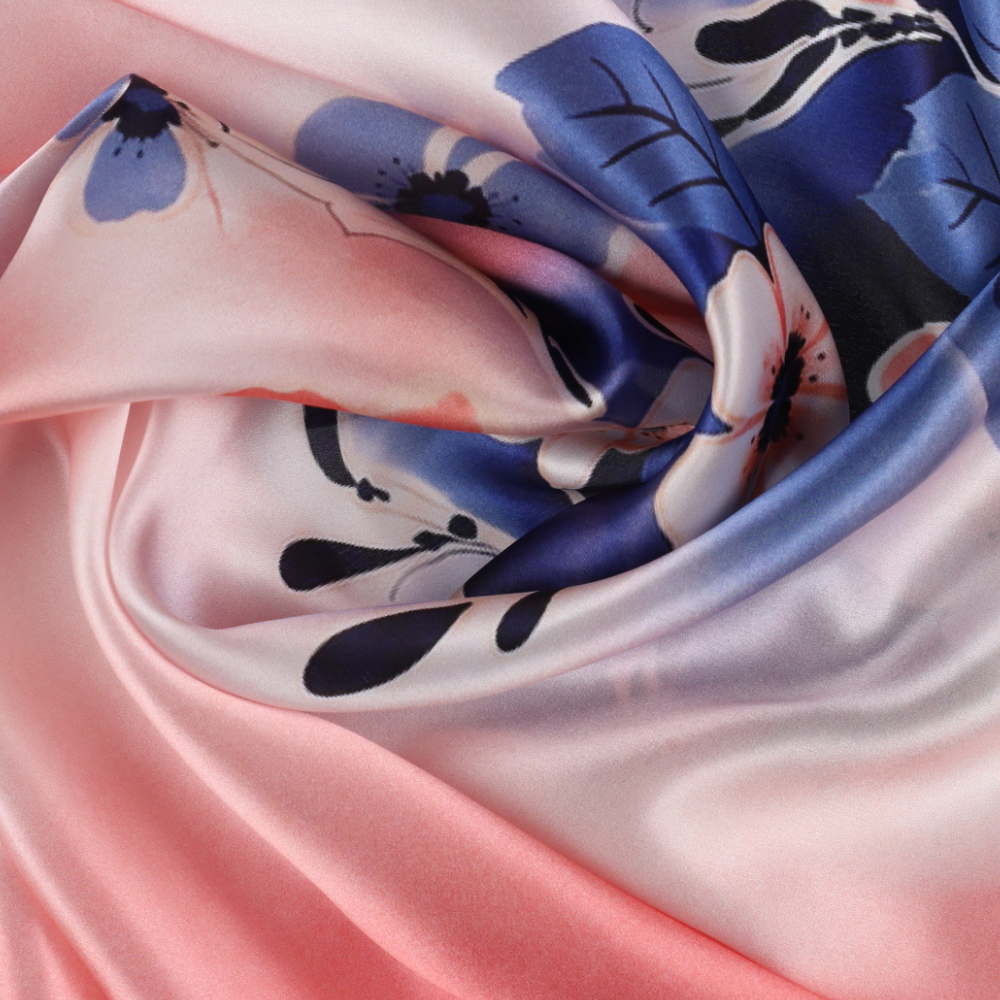
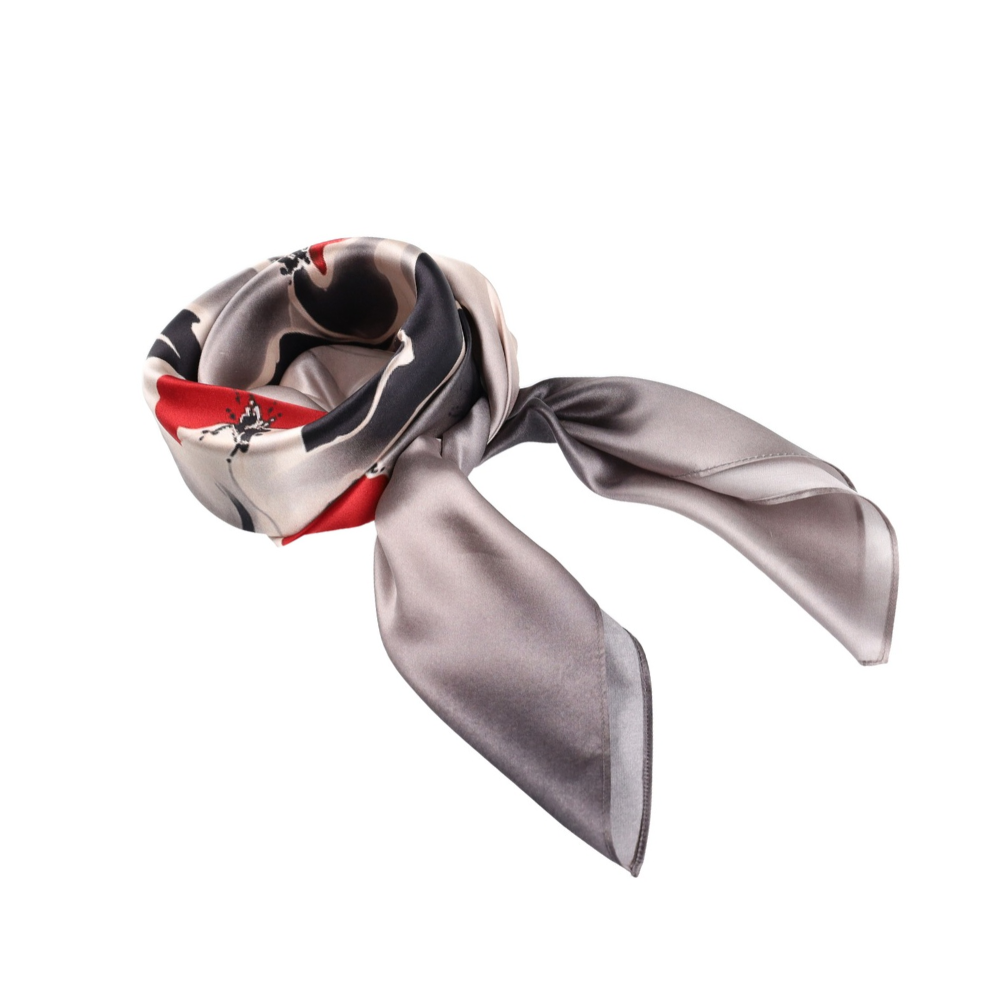
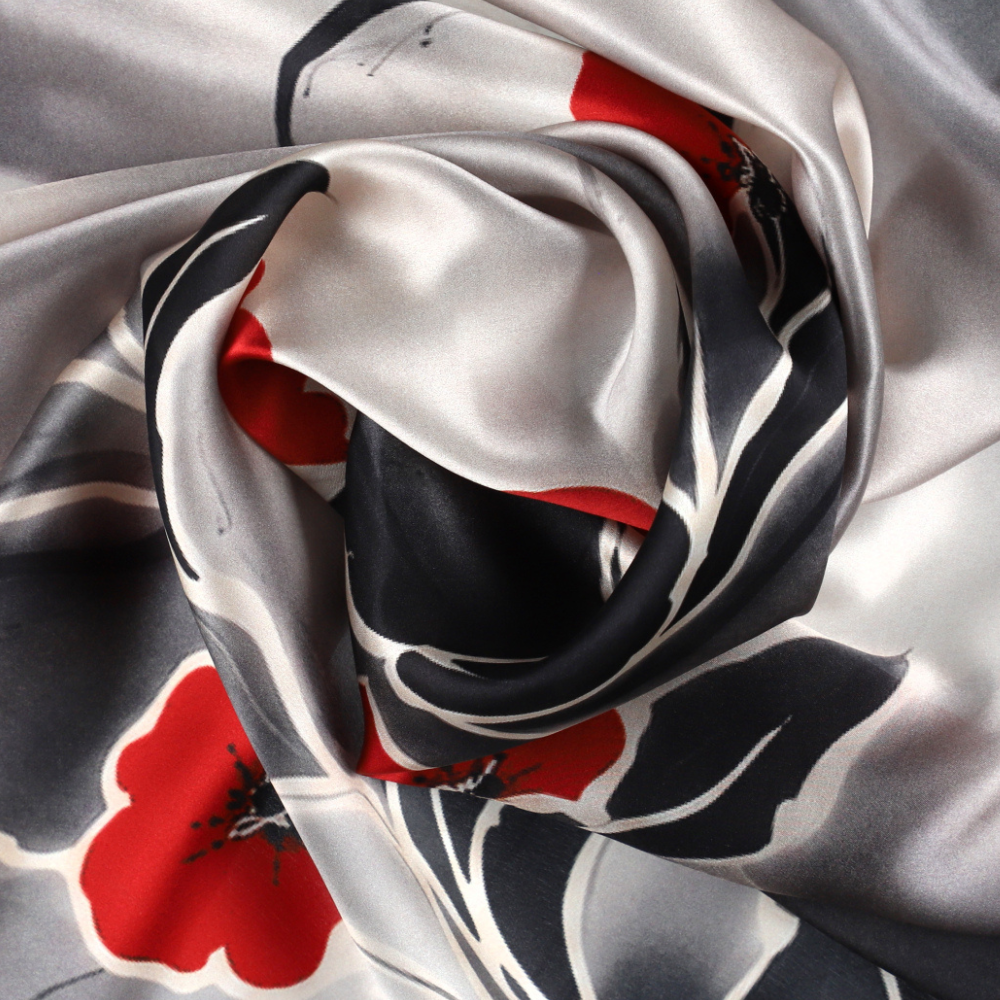
90×90 cm / 35×35 in
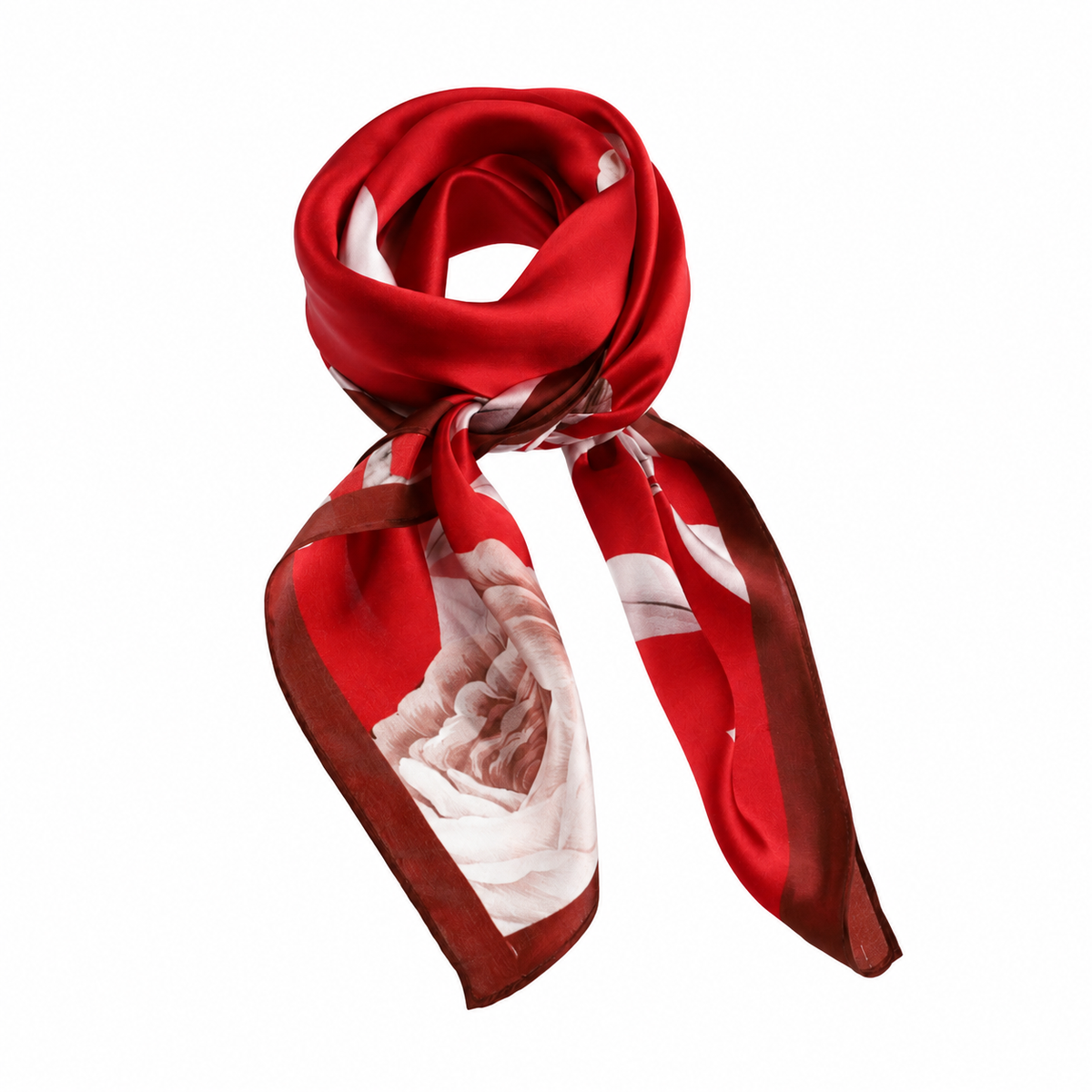
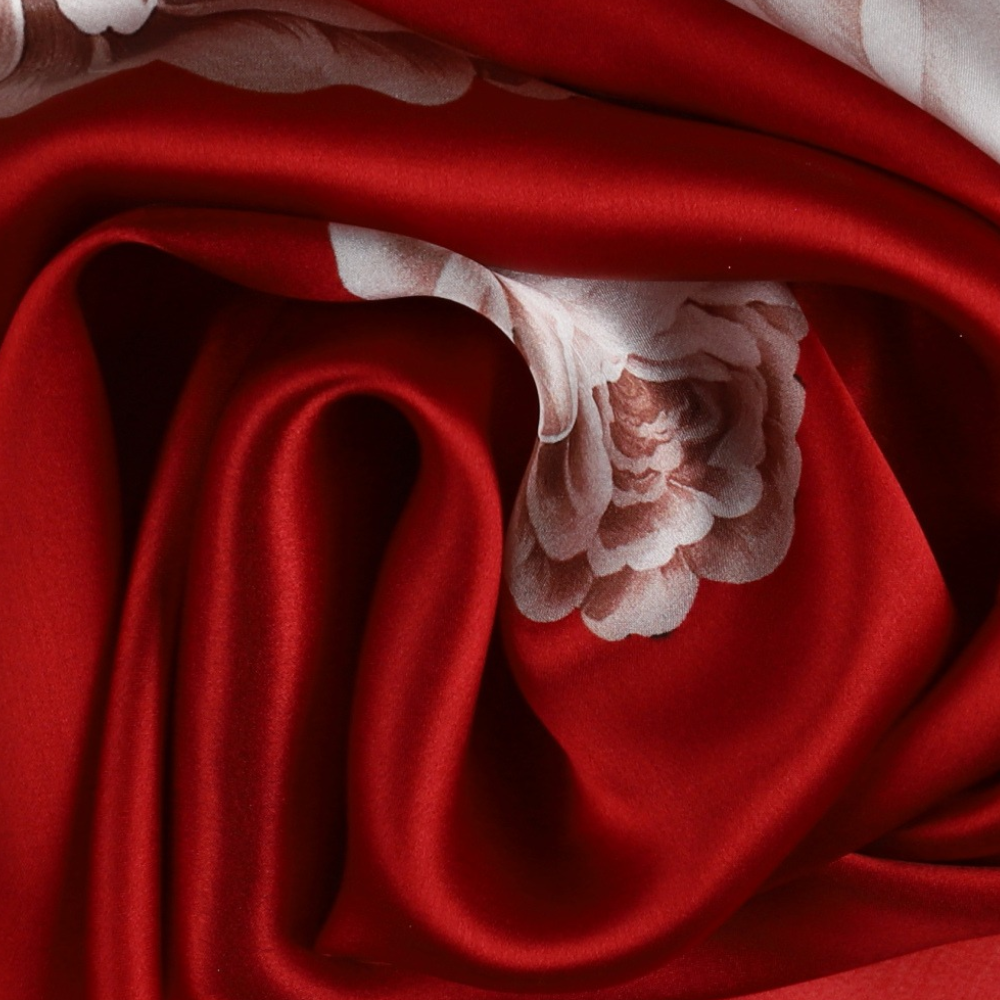
90×90 cm / 35×35 in
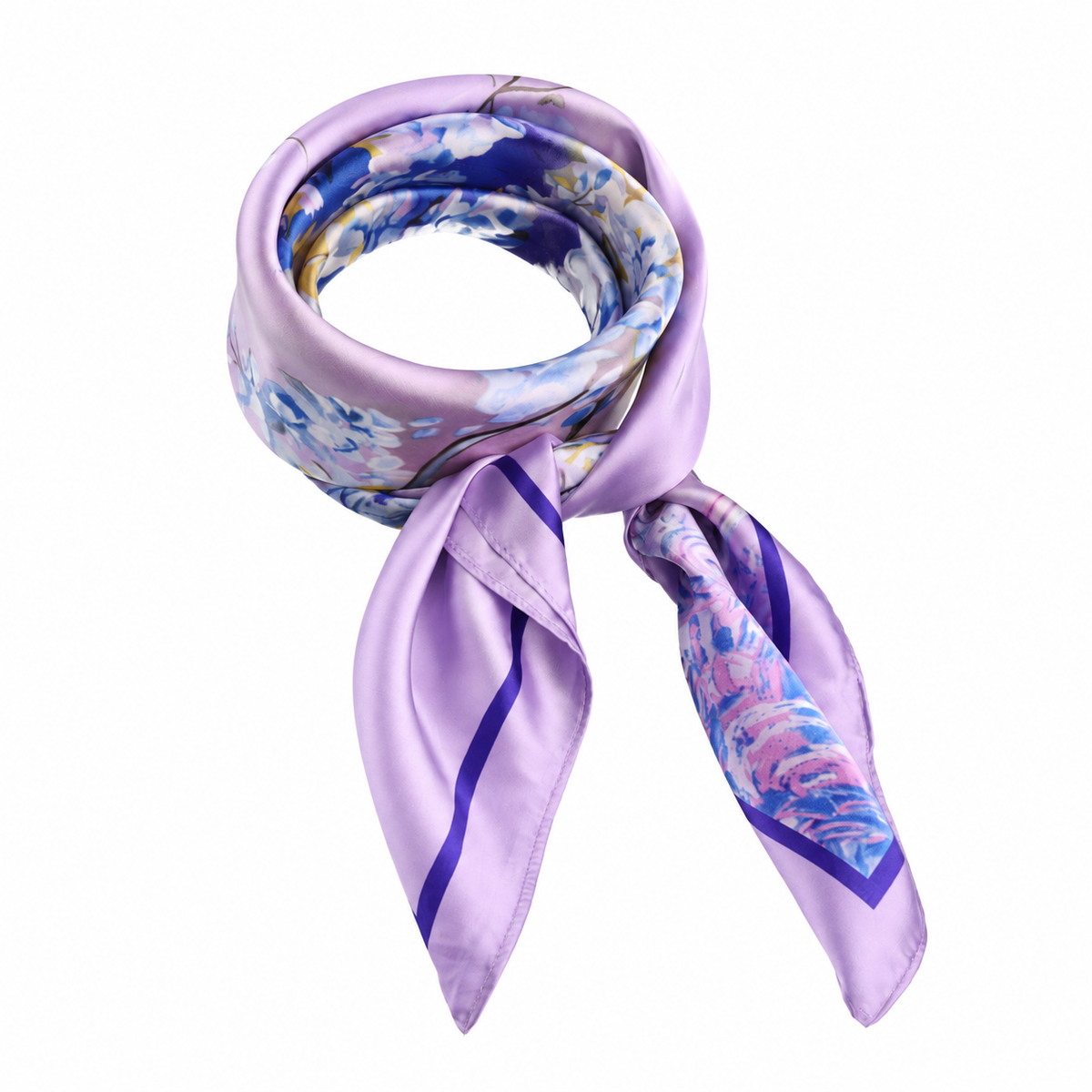
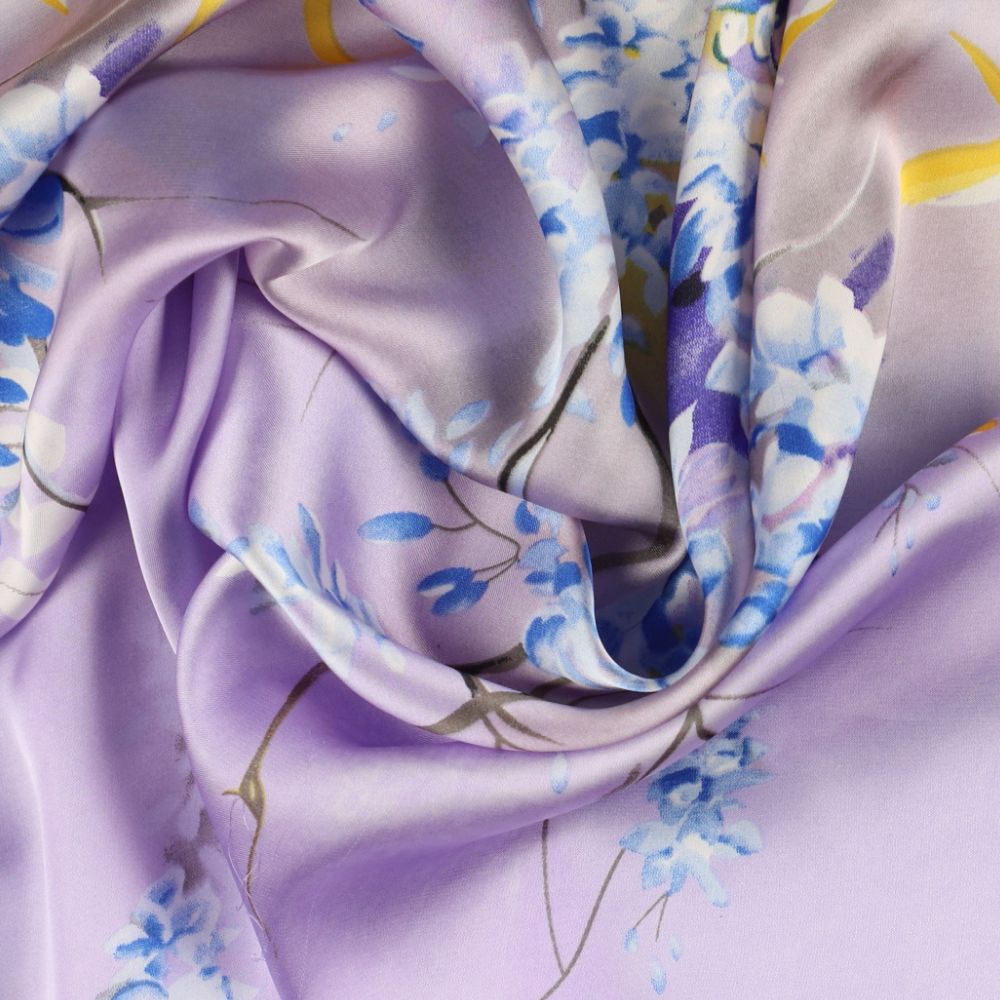
90×90 cm / 35×35 in
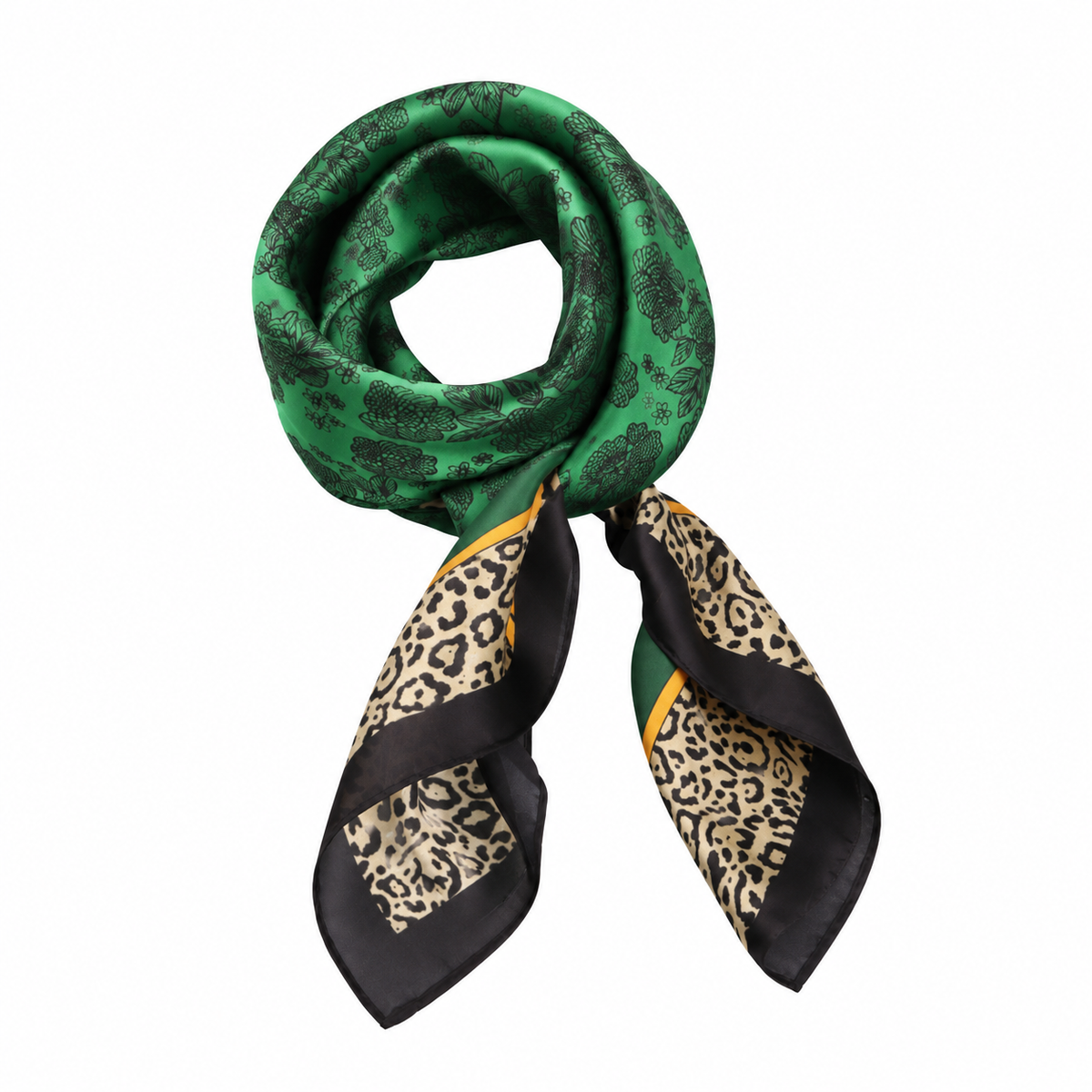
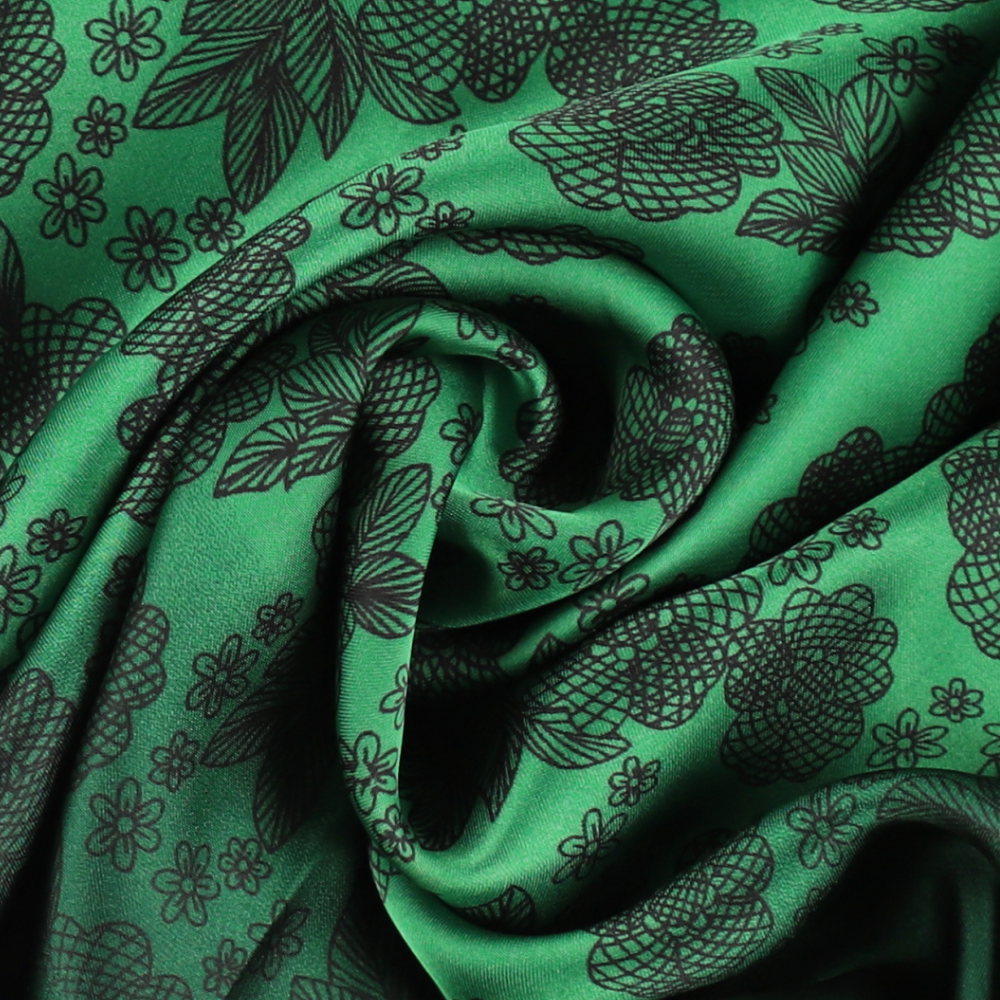
90×90 cm / 35×35 in
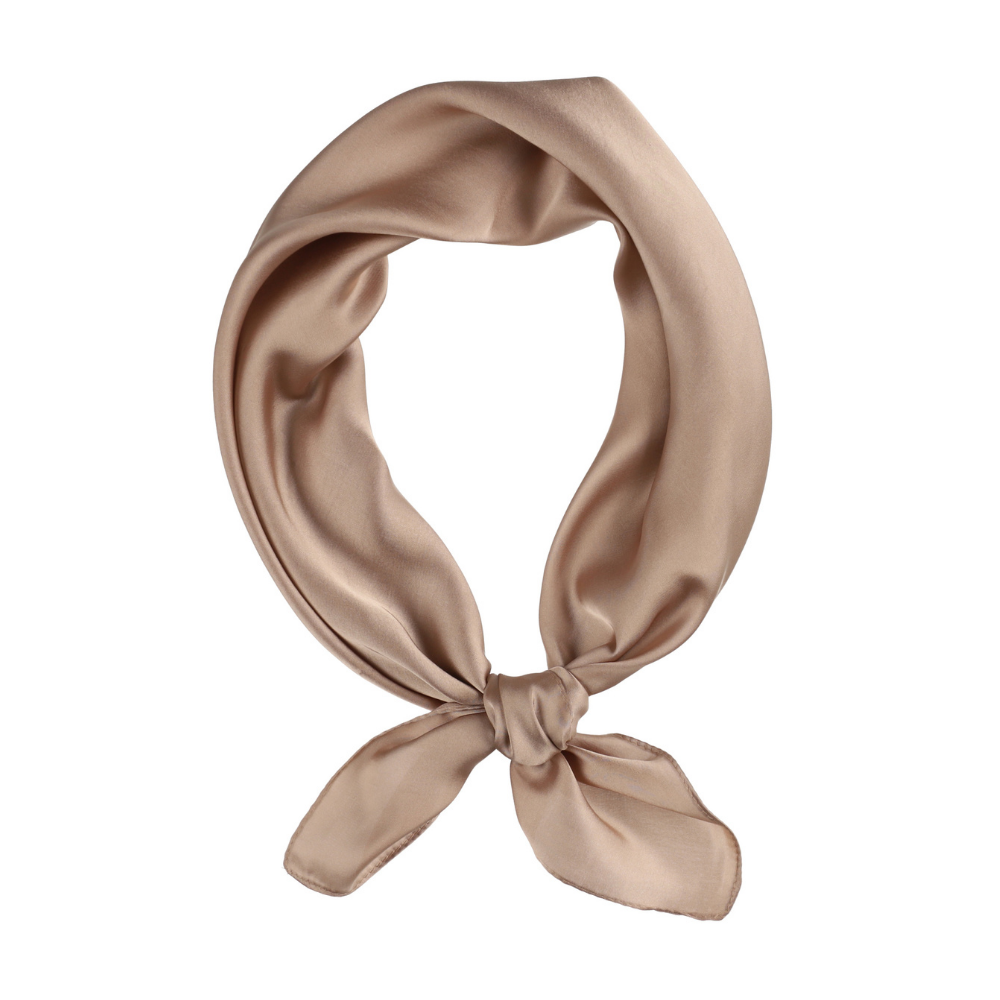
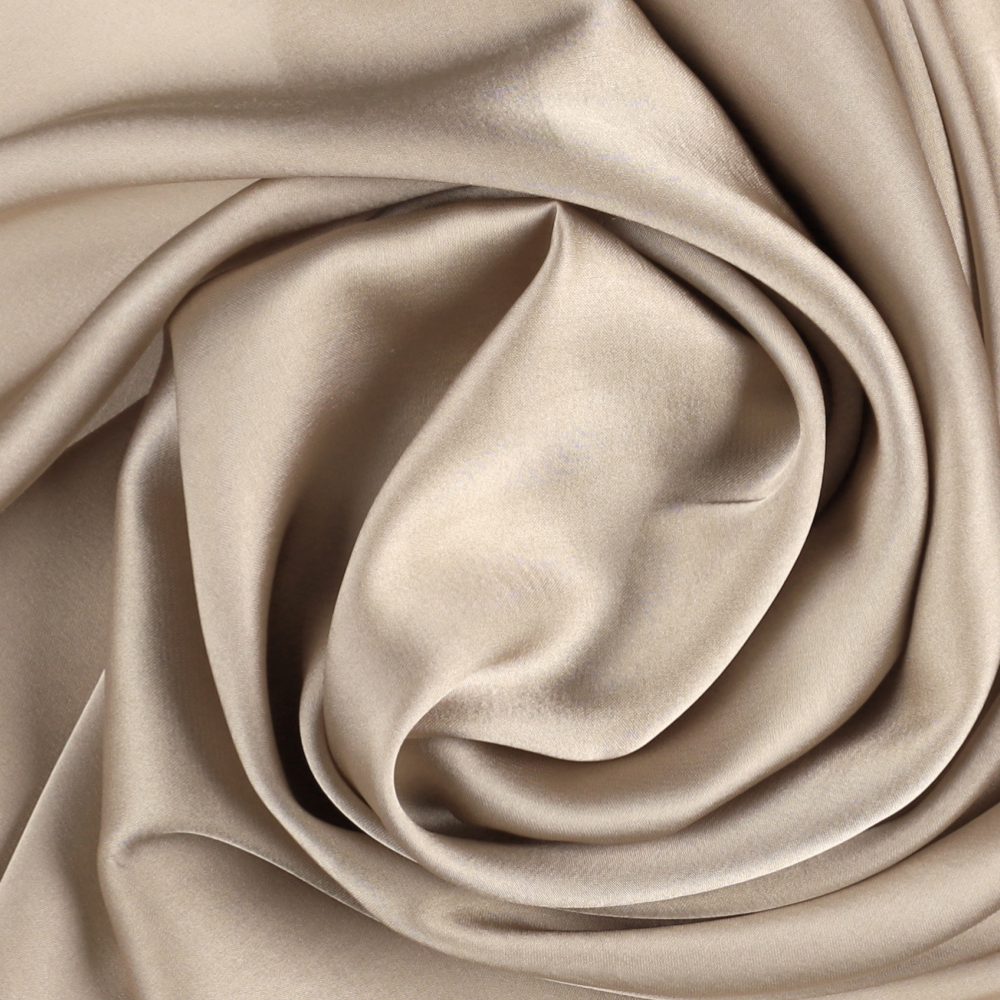
70×70 cm / 28×28 in
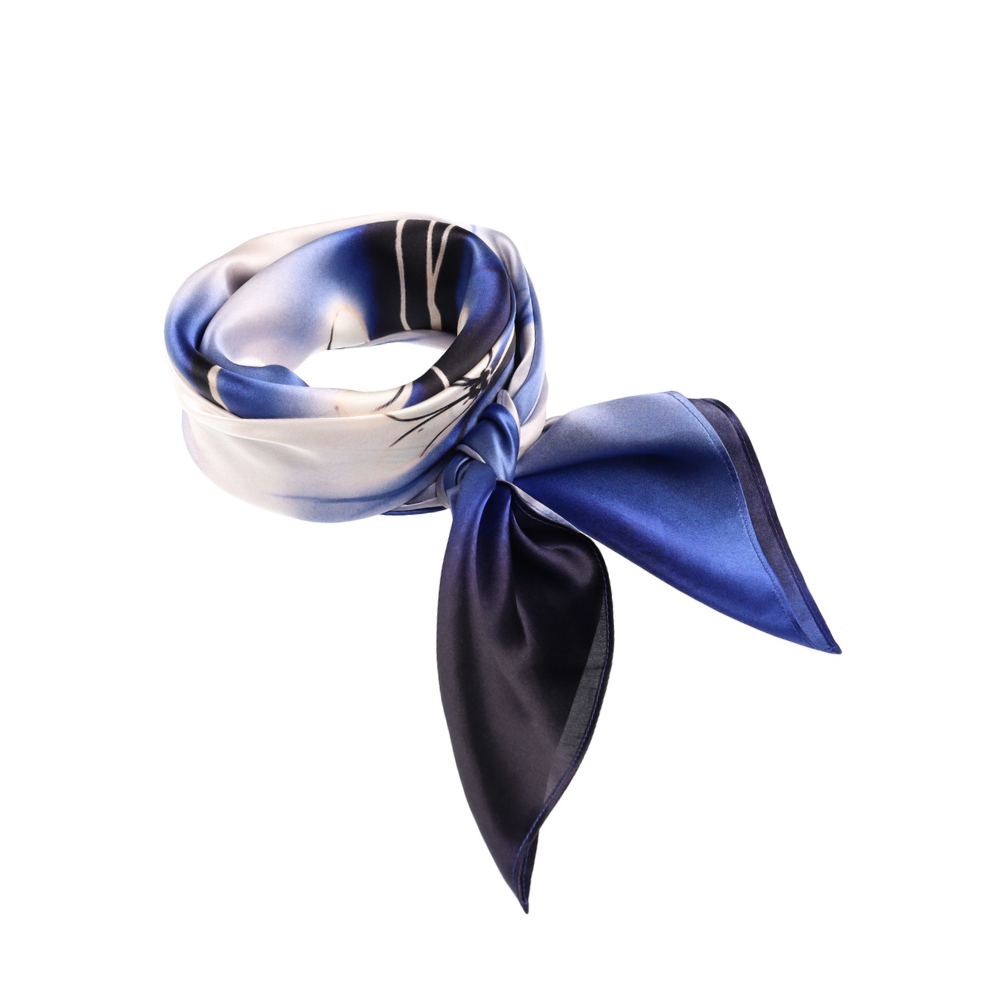
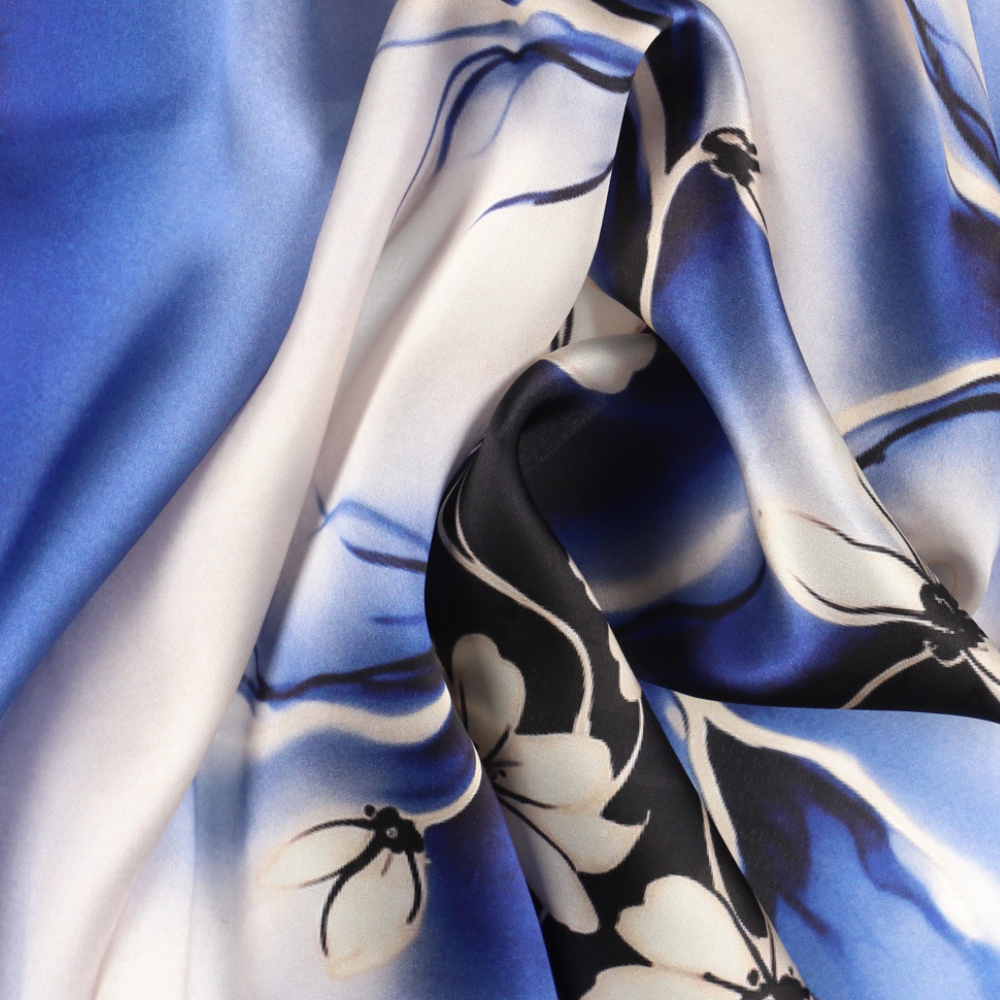
90×90 cm / 35×35 in
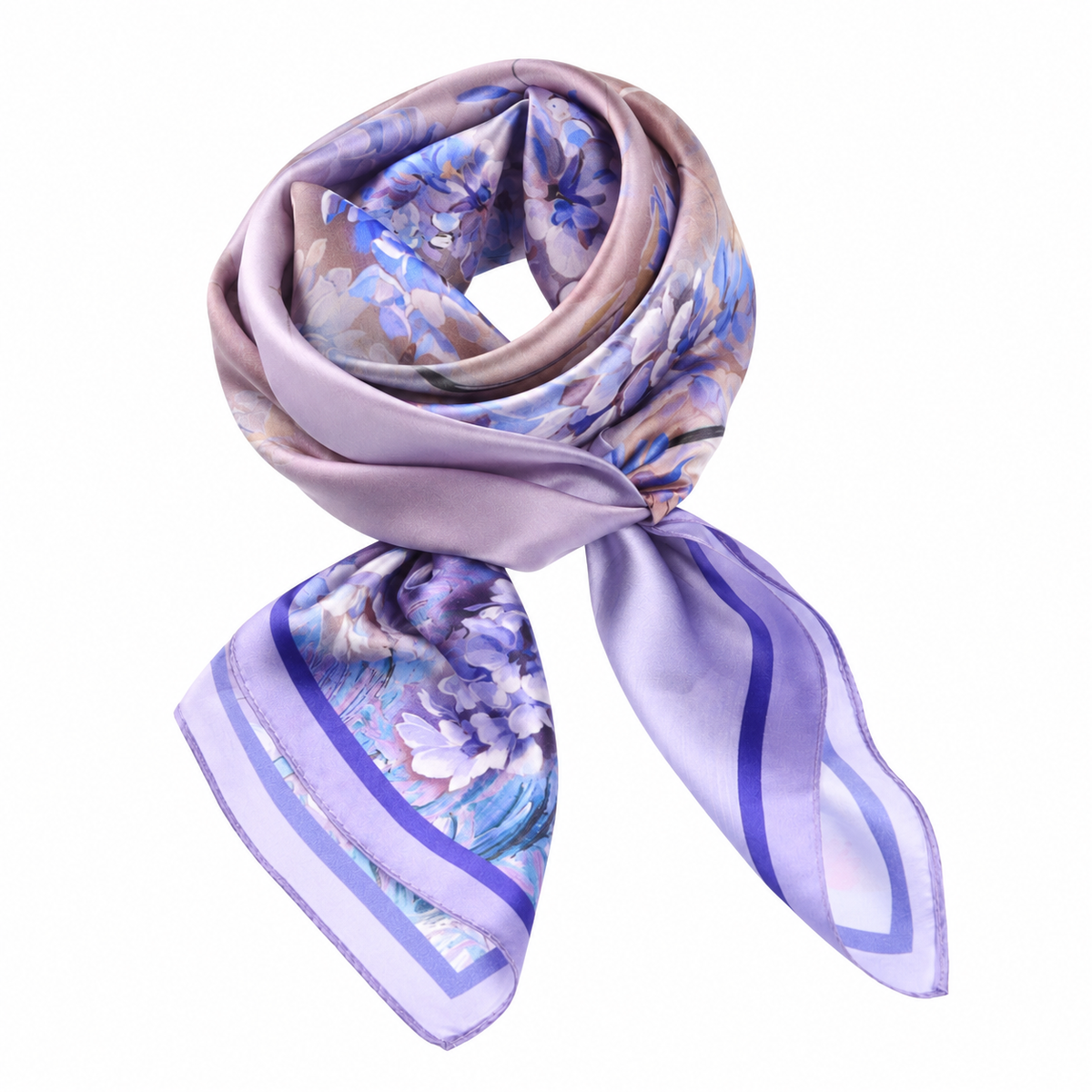
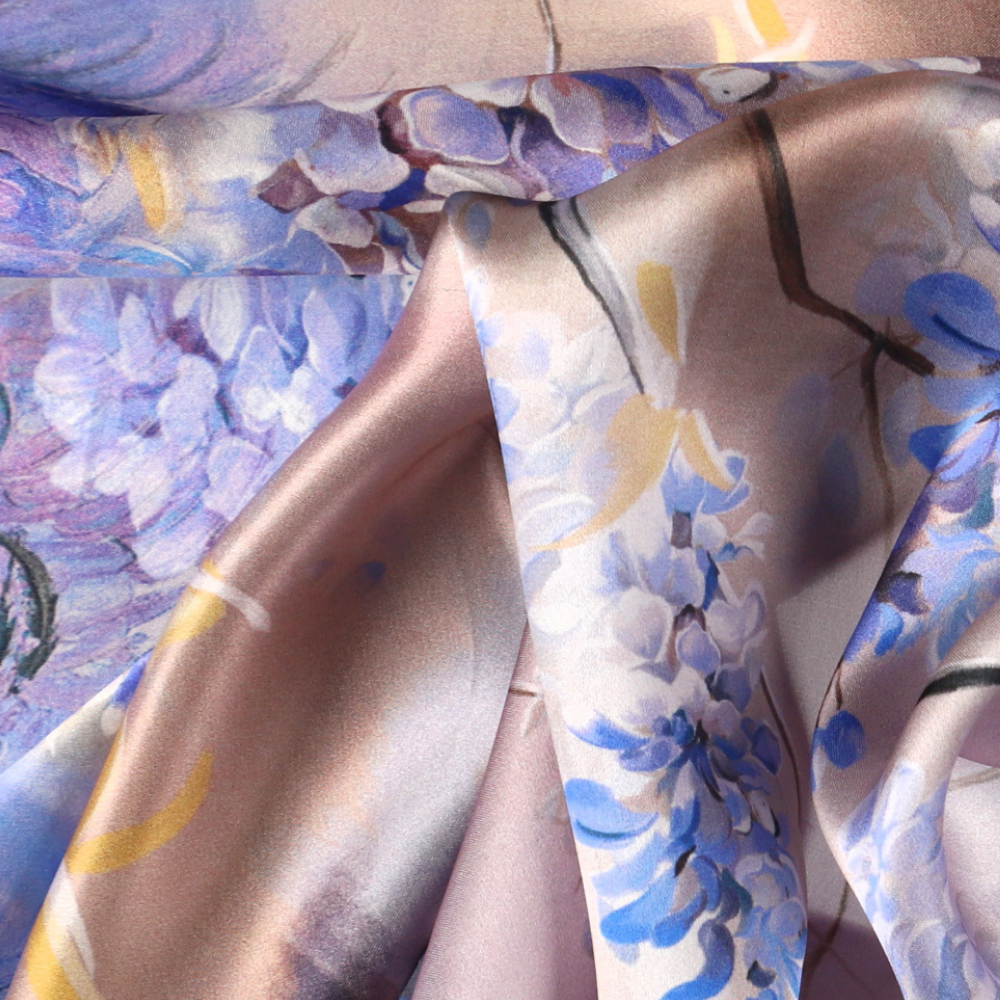
90×90 cm / 35×35 in
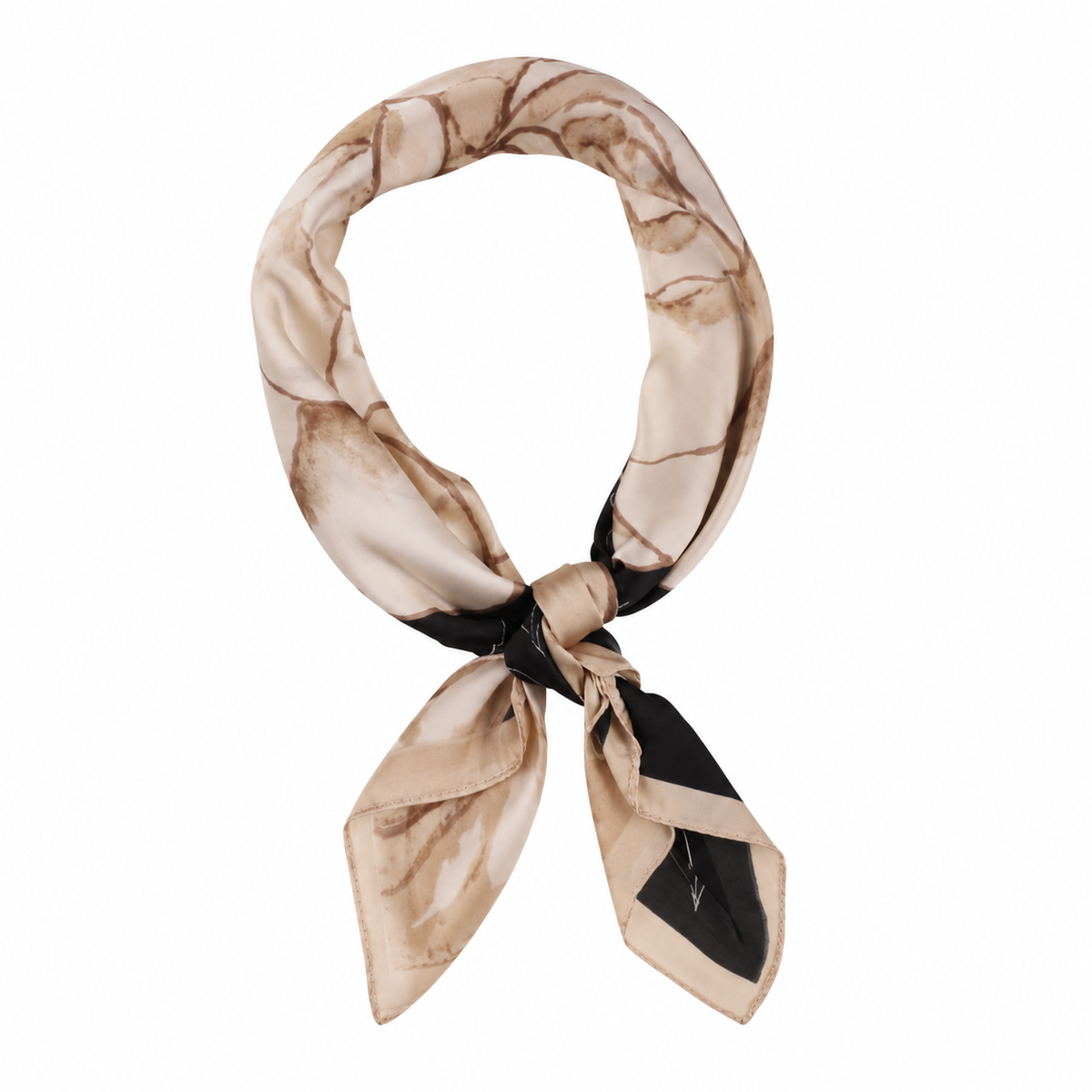
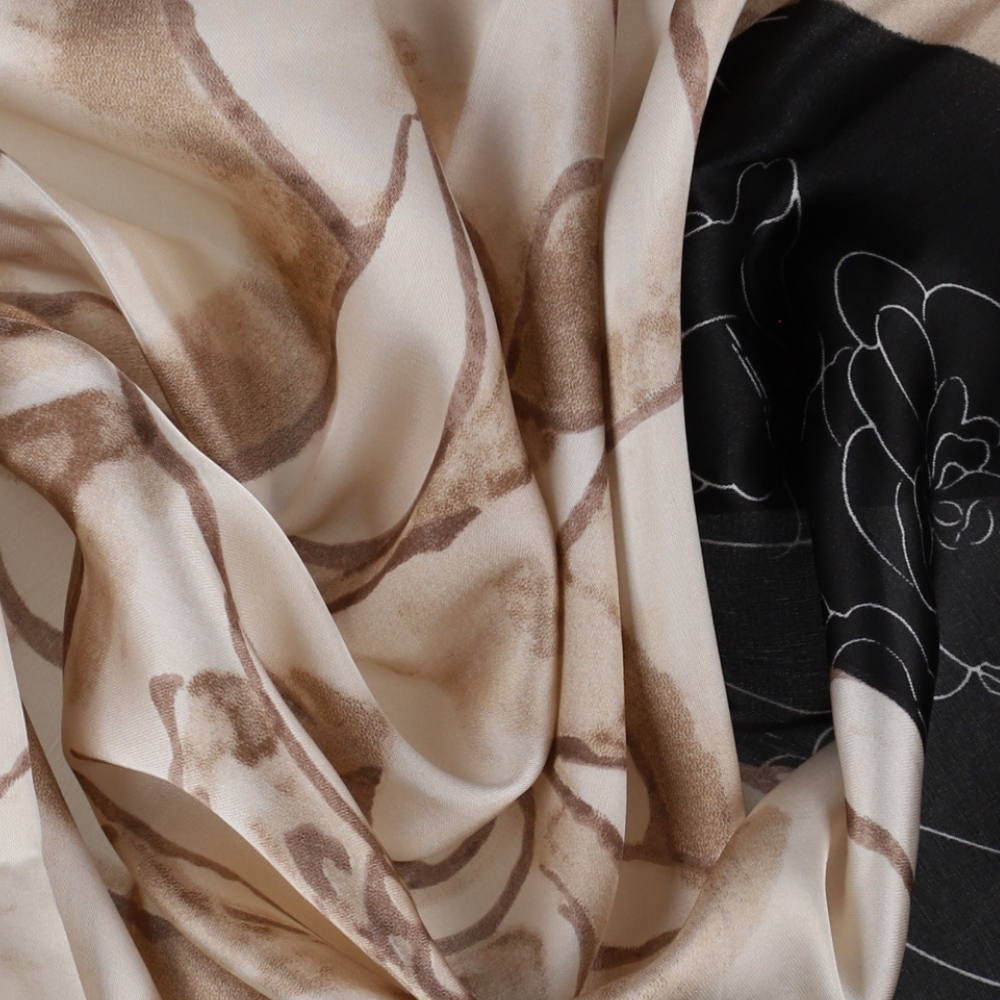
70×70 cm / 28×28 in
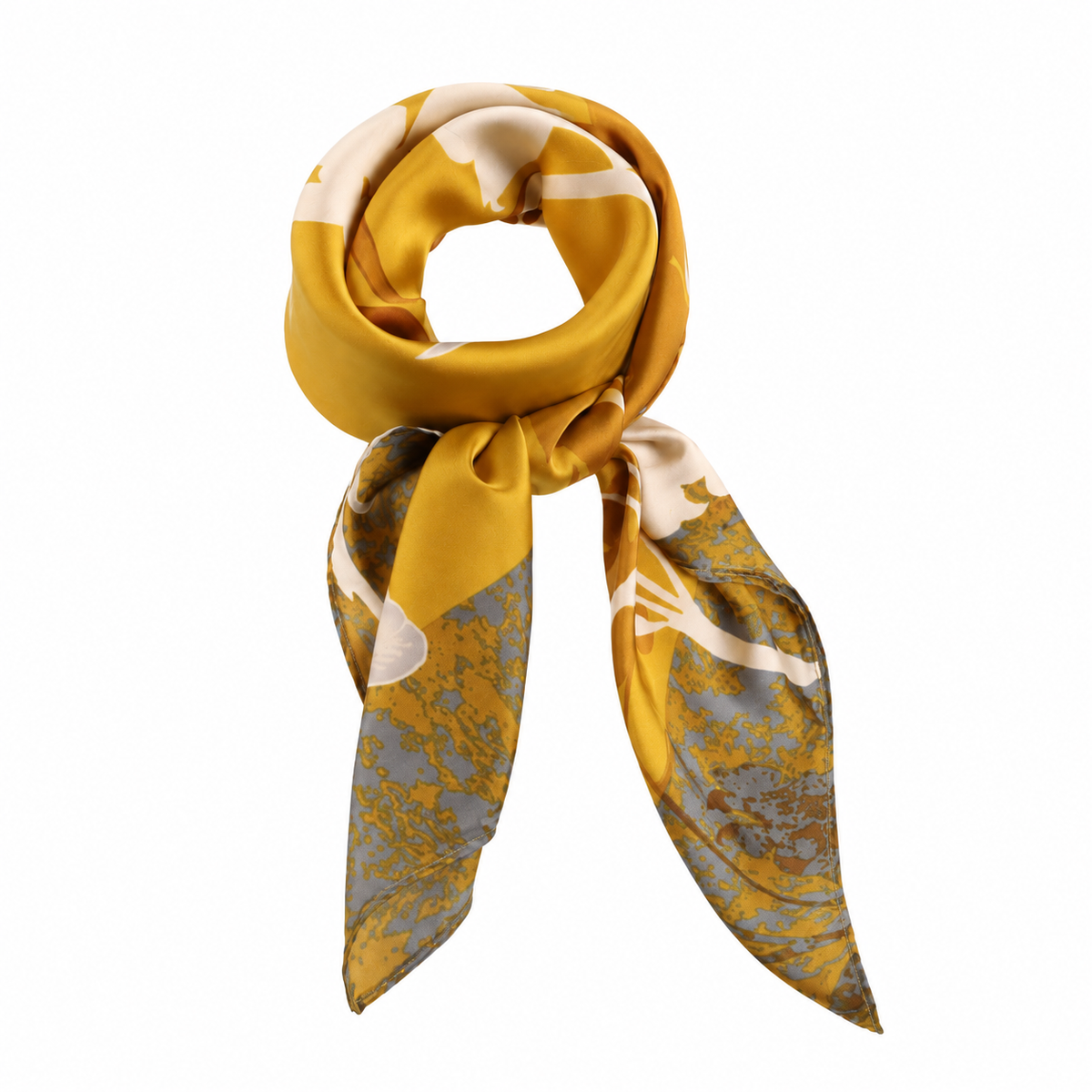
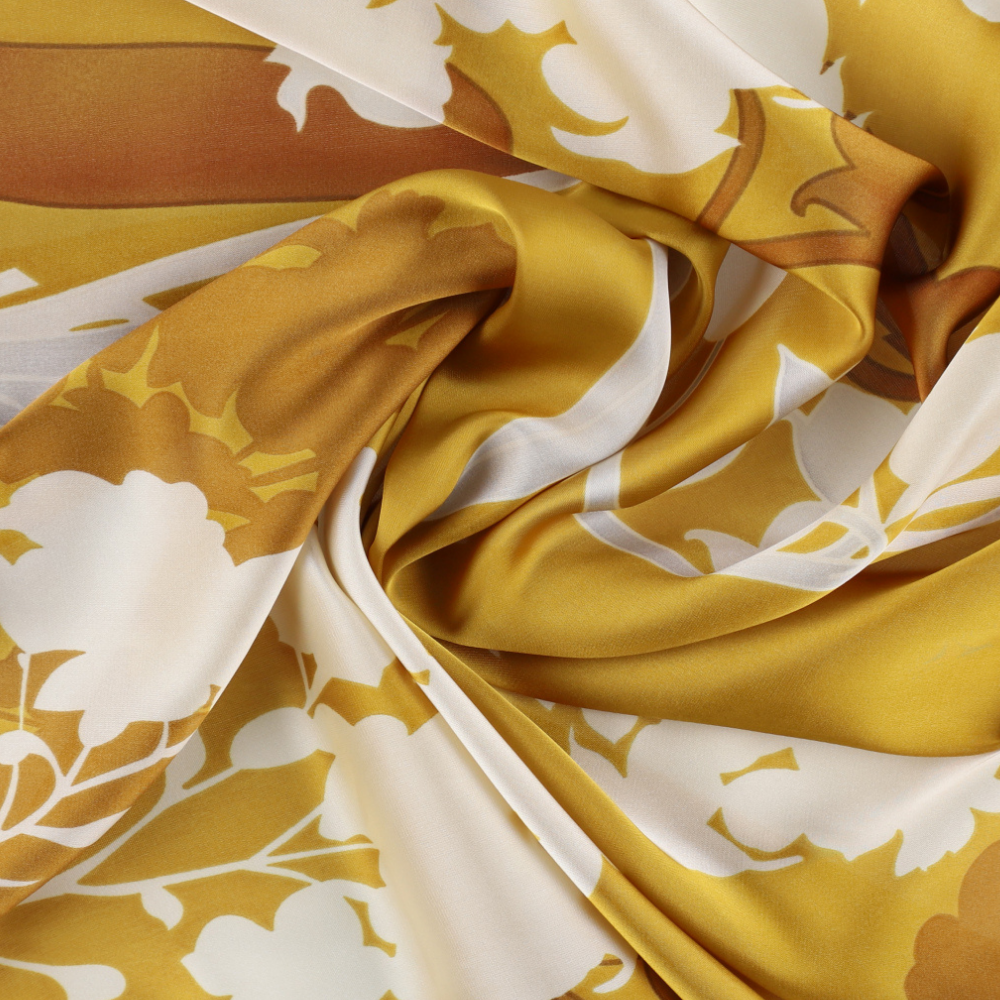
90×90 cm / 35×35 in
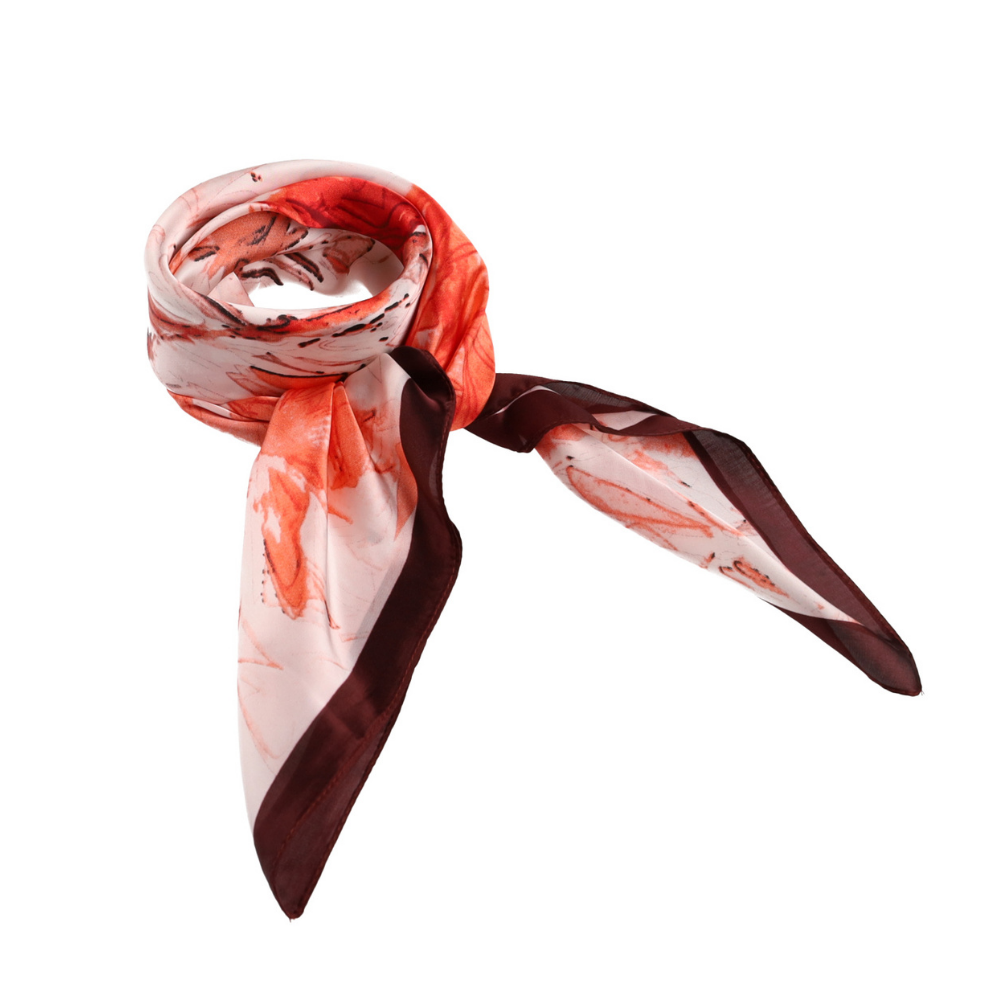
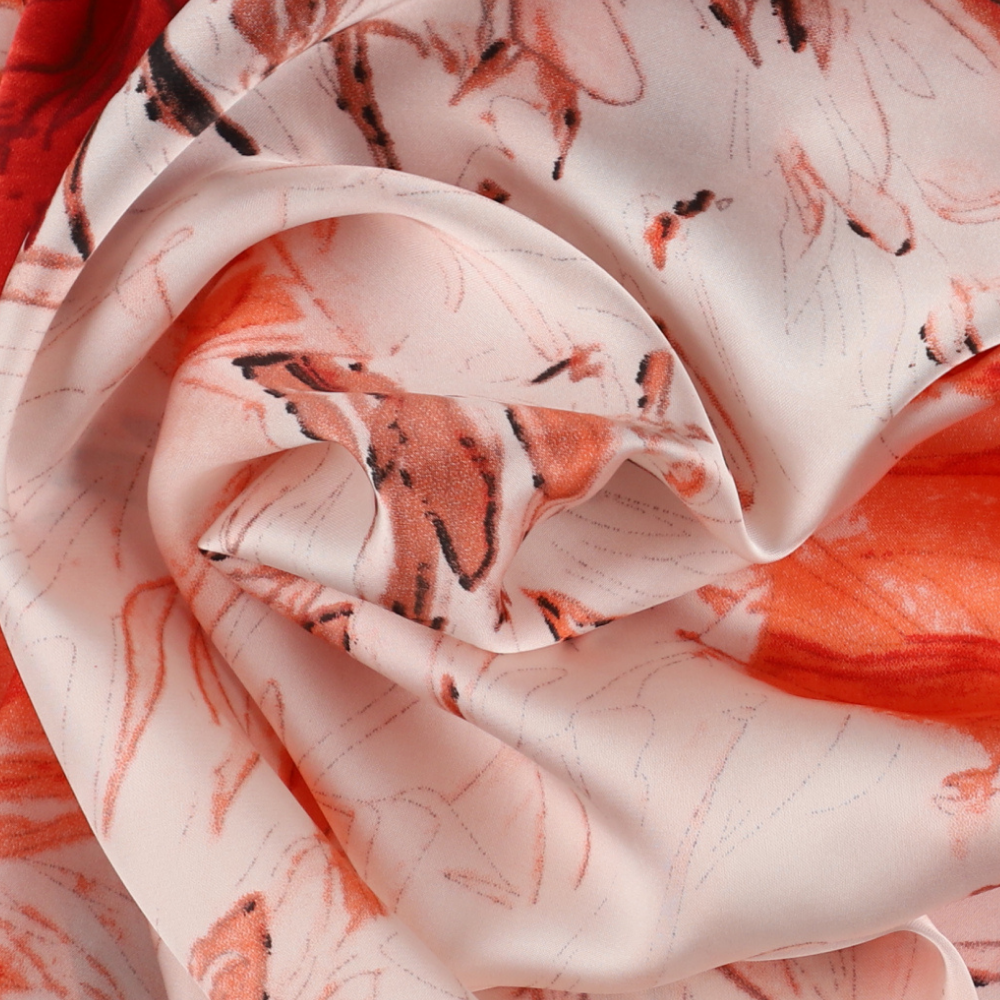
90×90 cm / 35×35 in
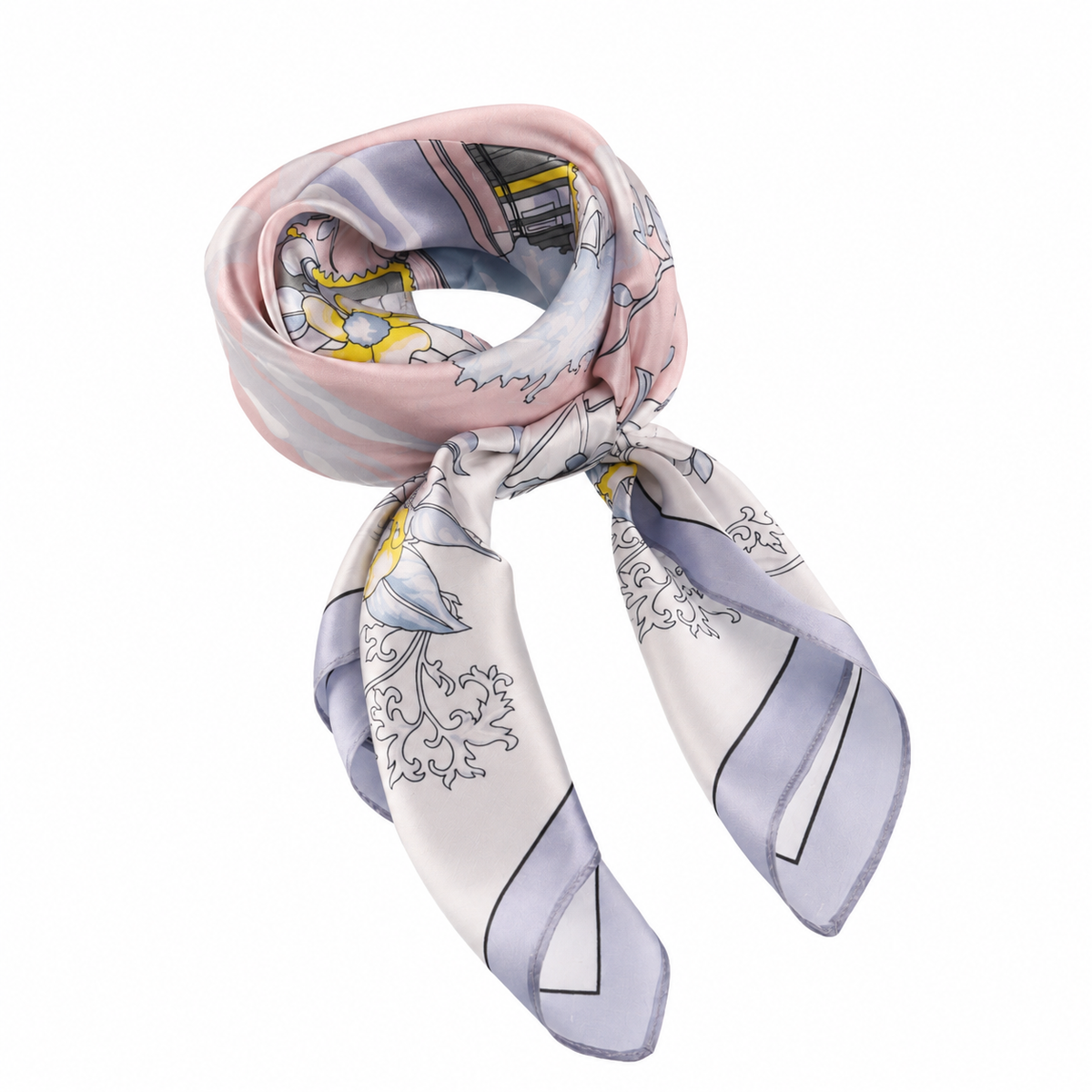
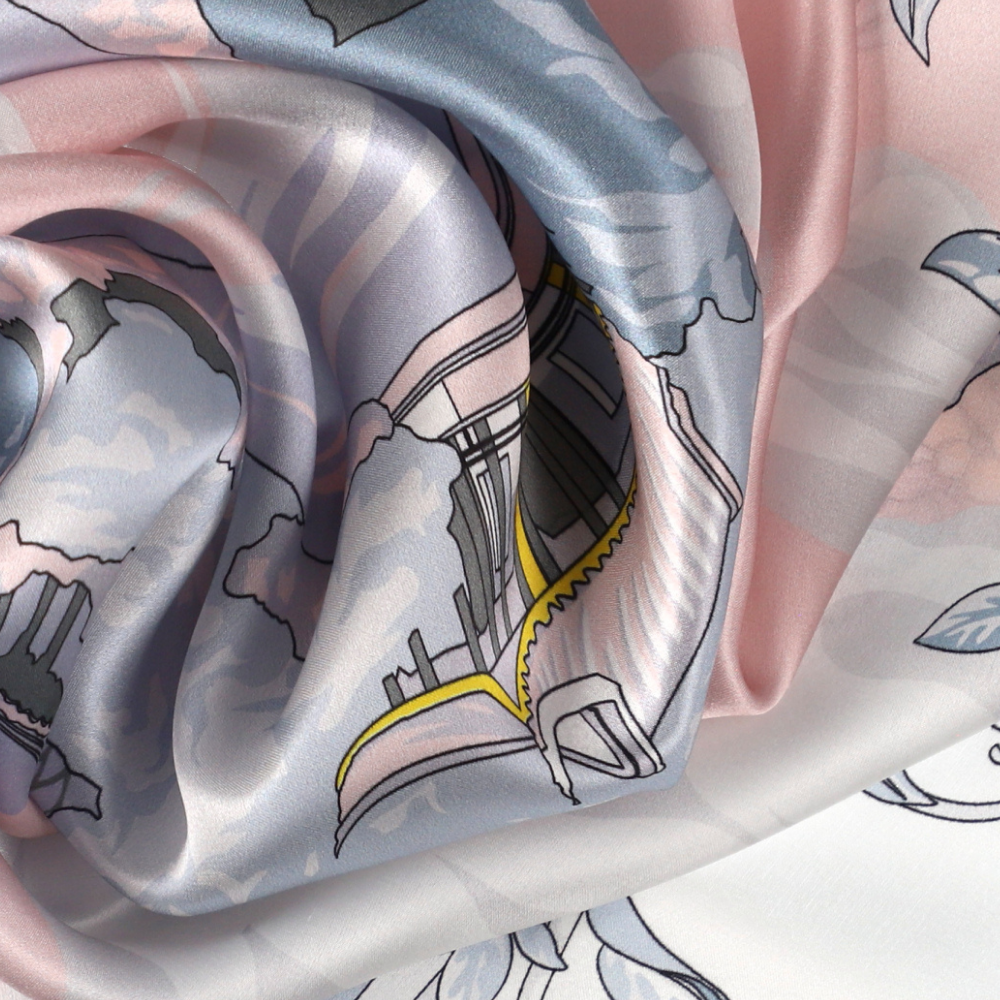
90×90 cm / 35×35 in
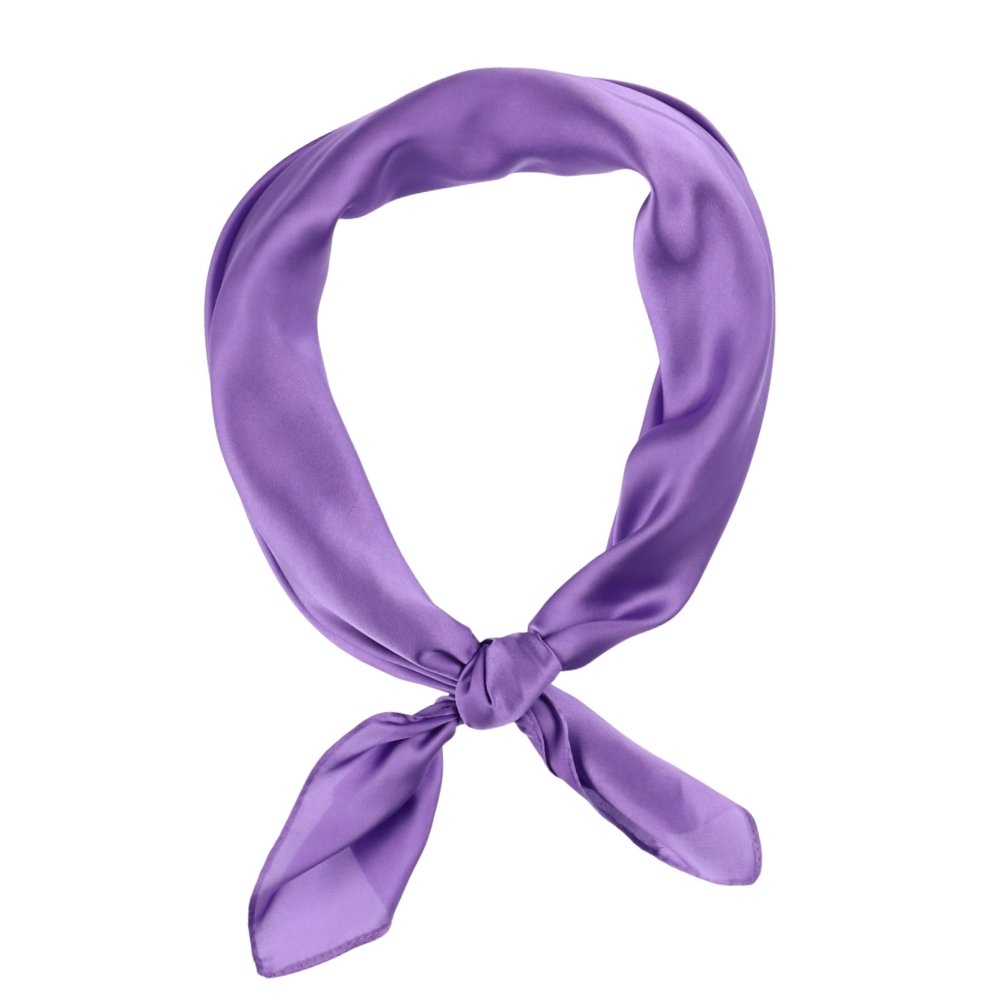
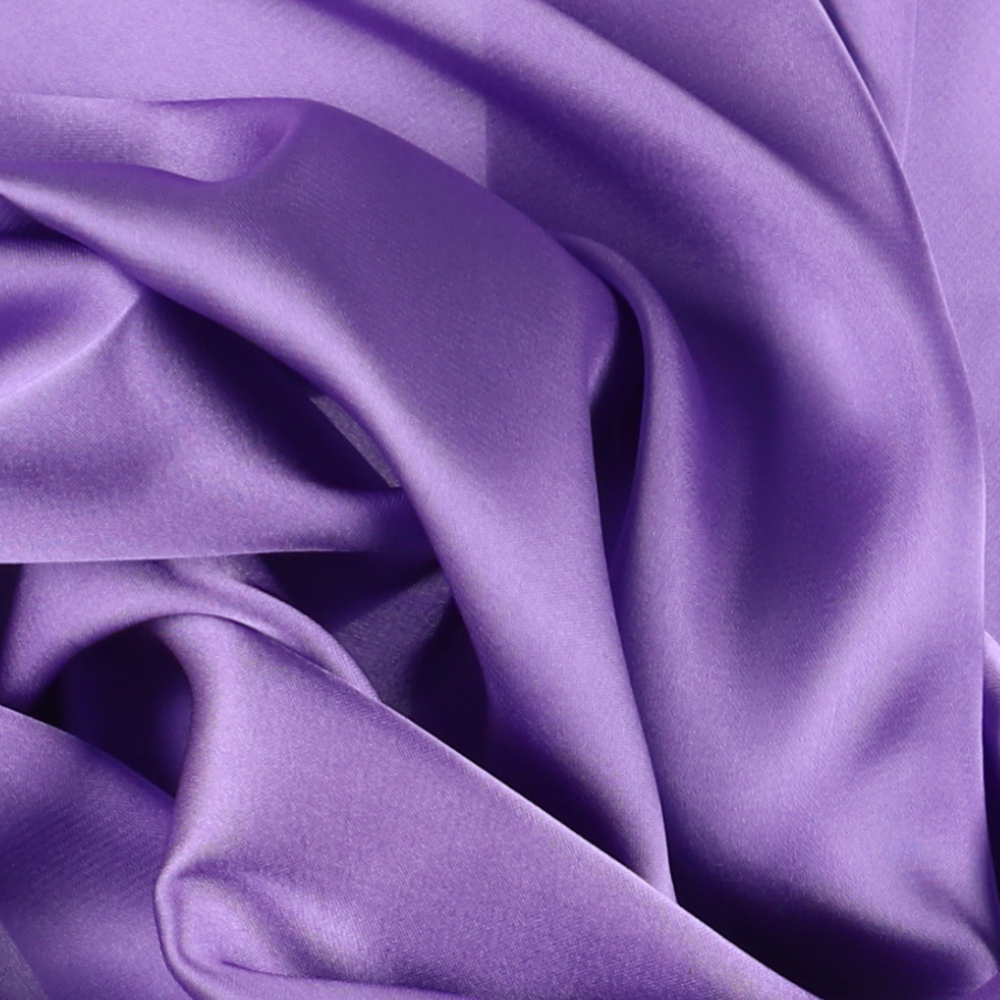
70×70 cm / 28×28 in
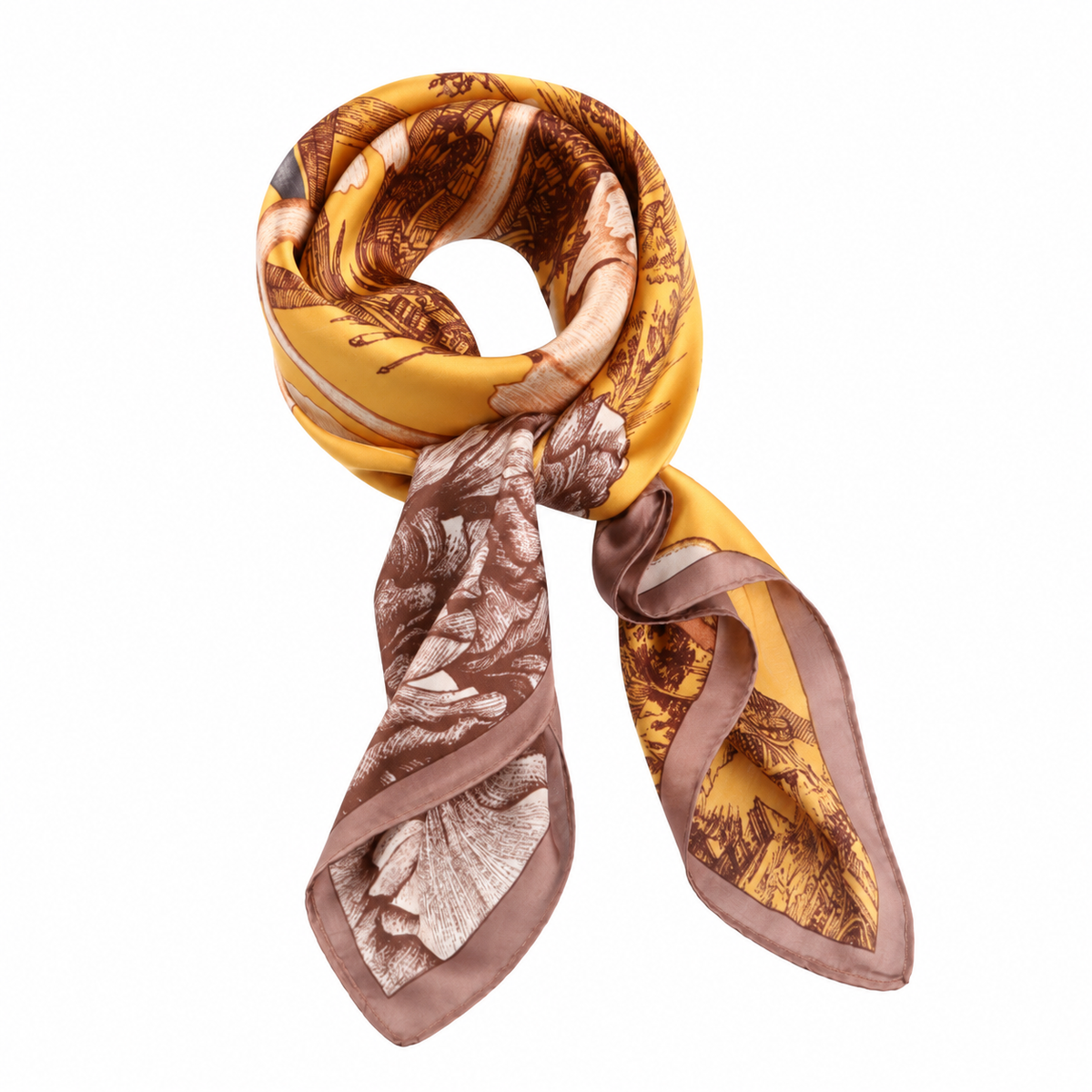
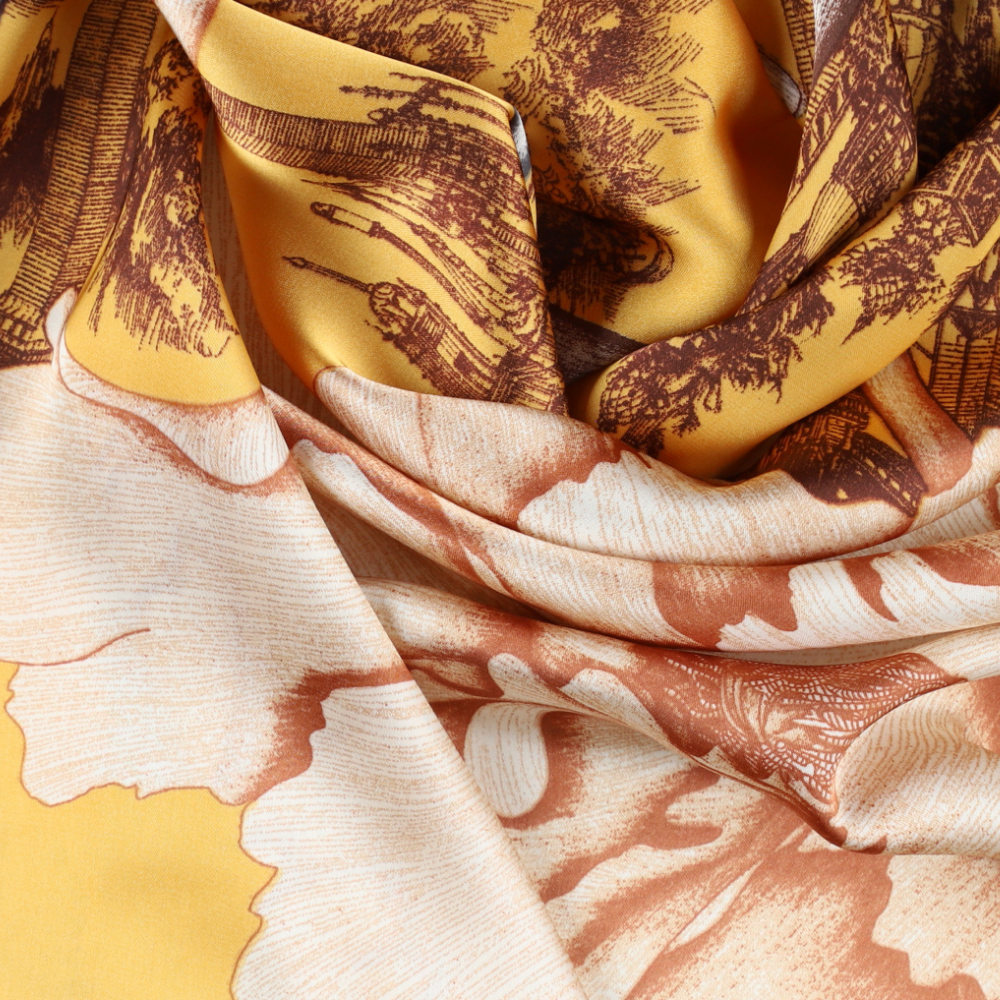
90×90 cm / 35×35 in
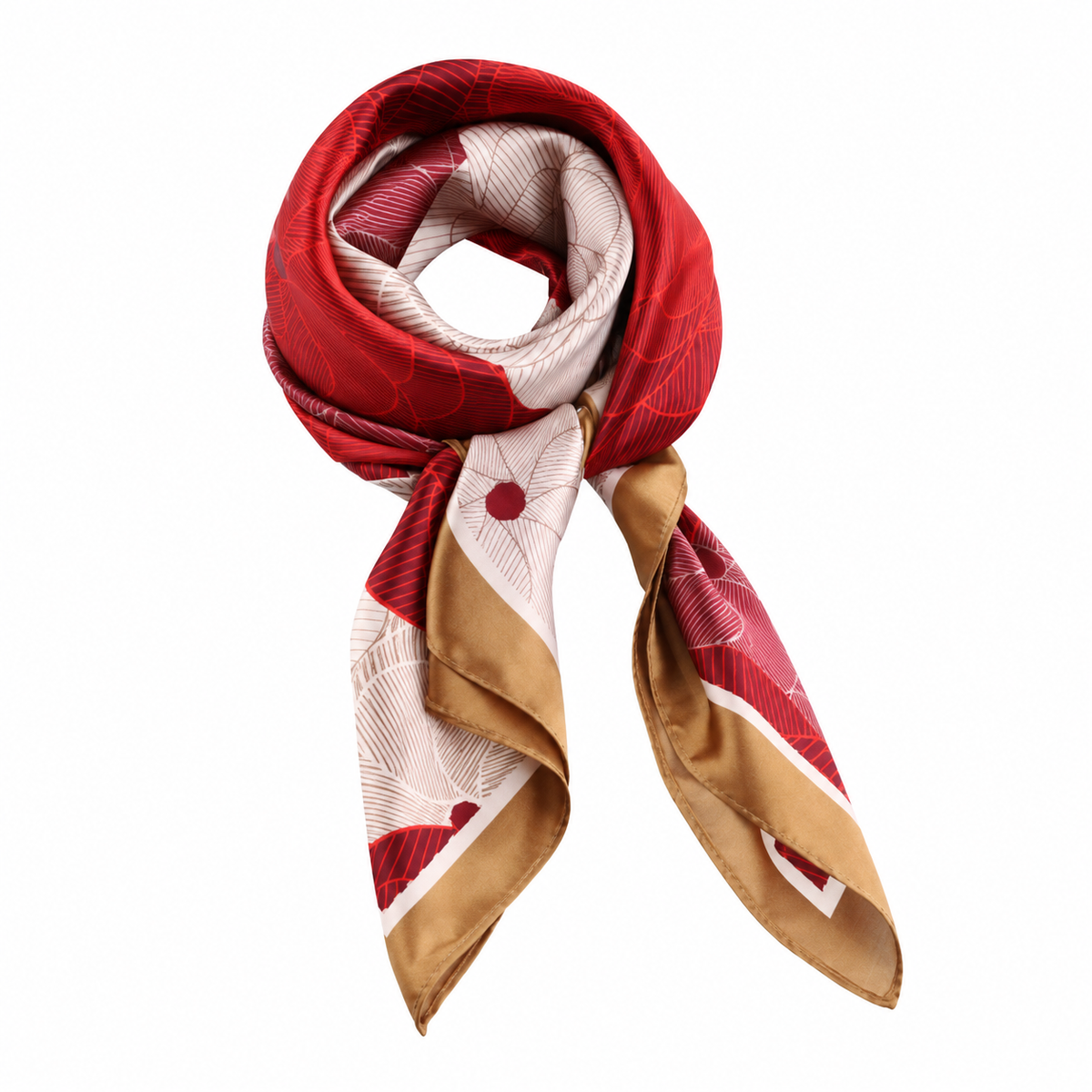
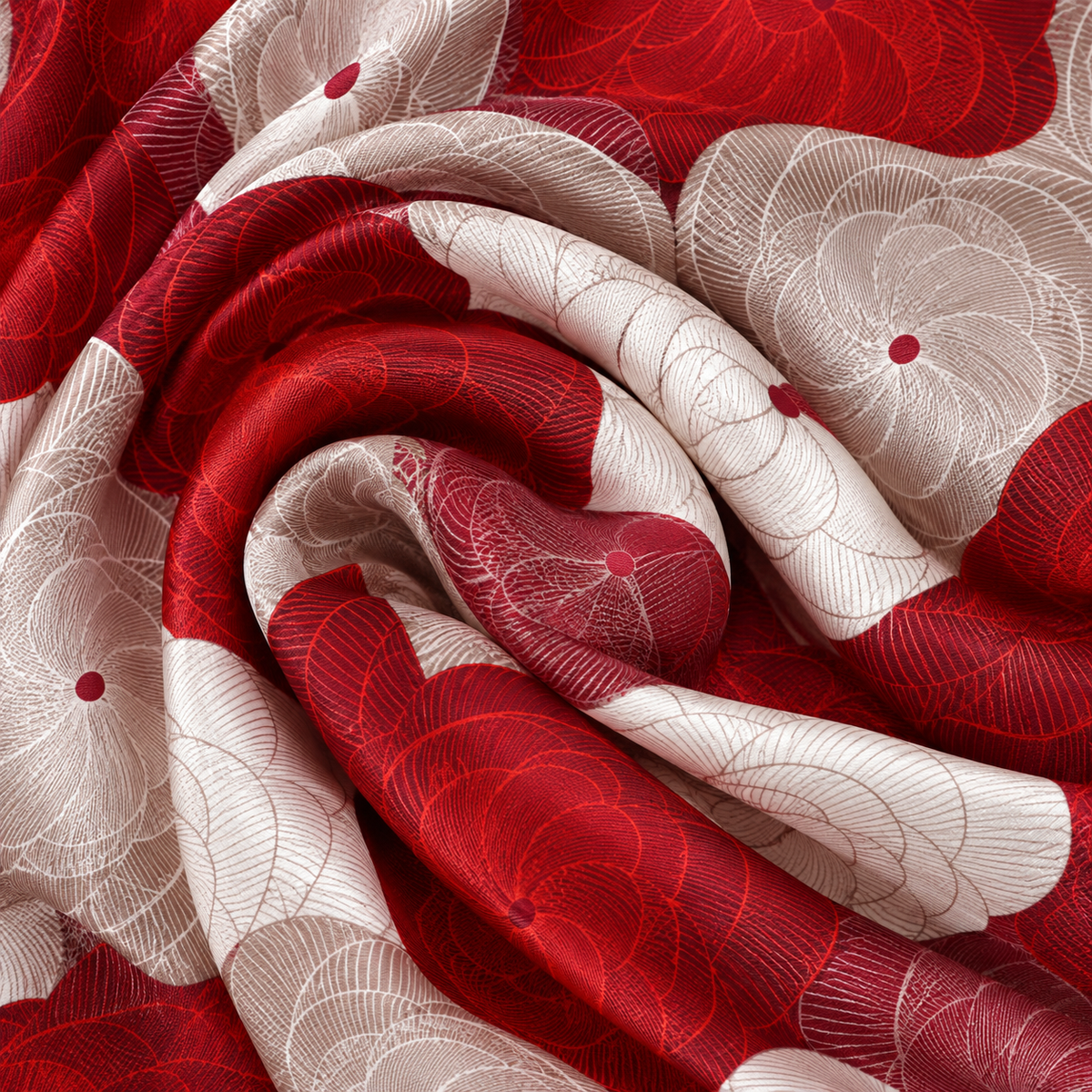
90×90 cm / 35×35 in
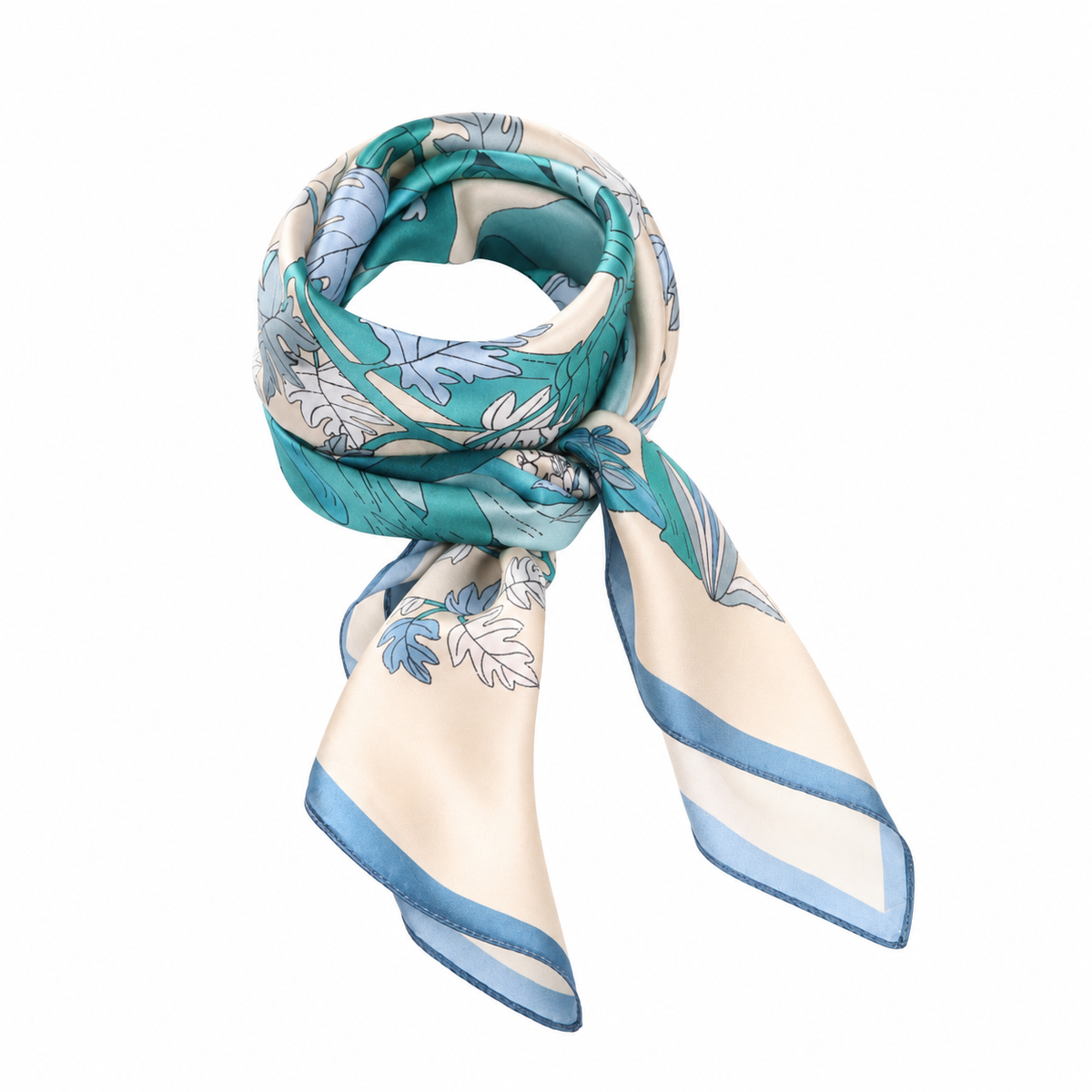
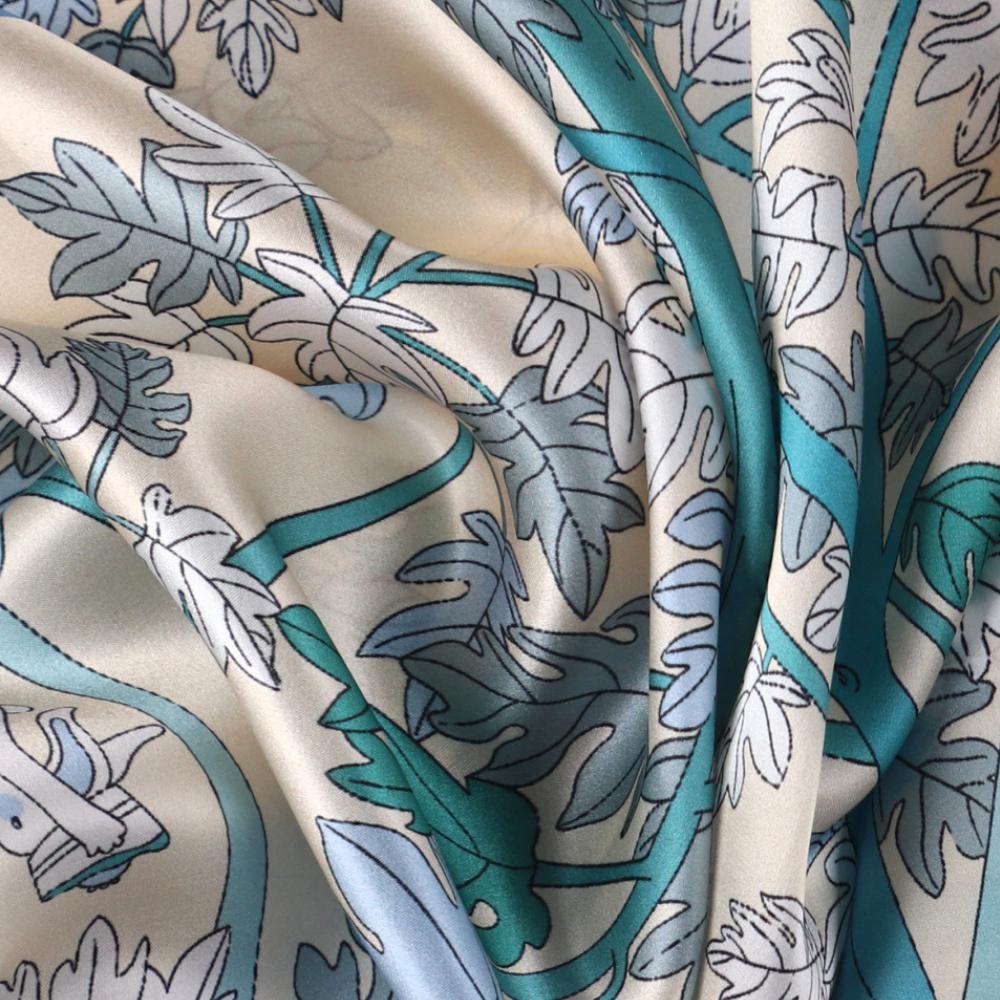
90×90 cm / 35×35 in
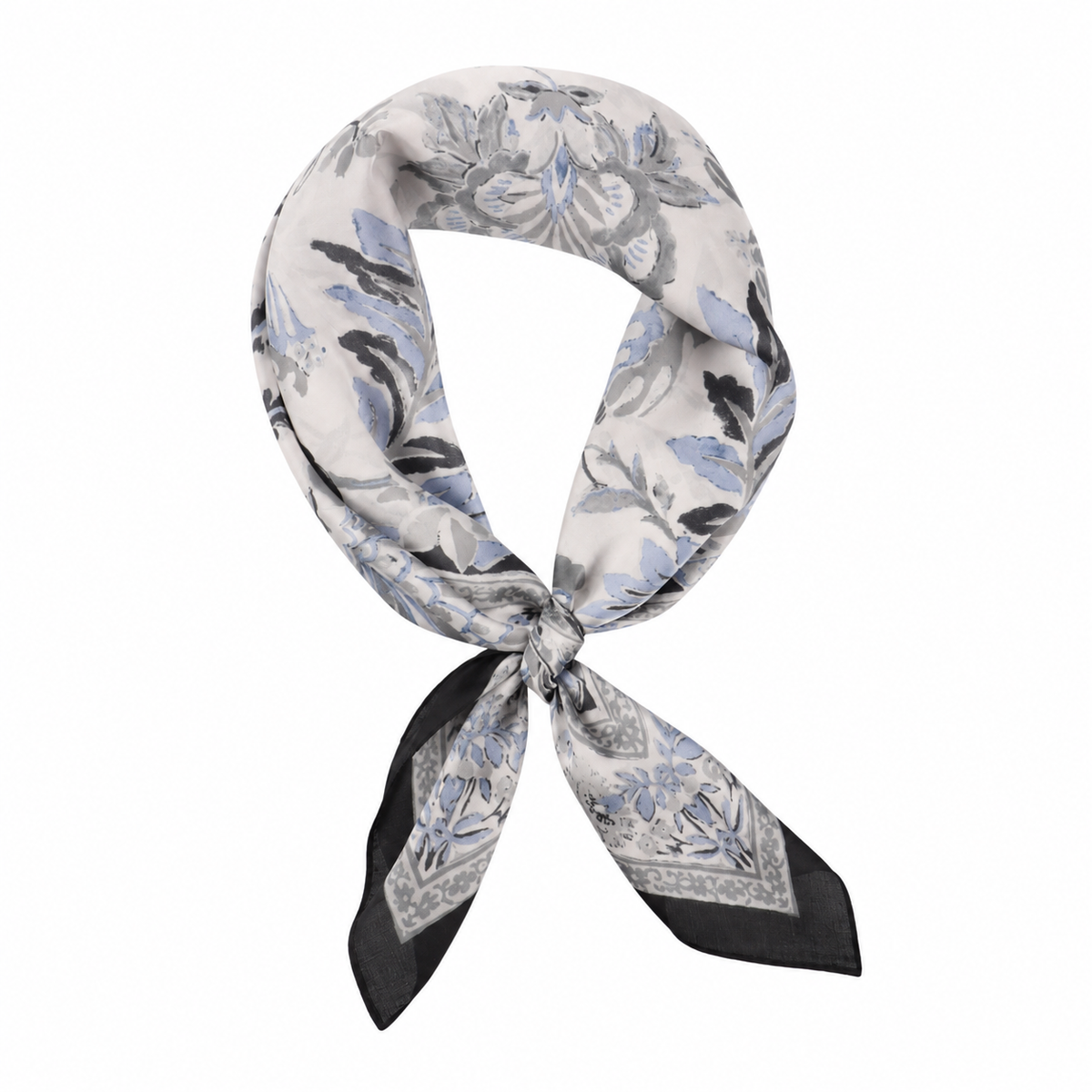
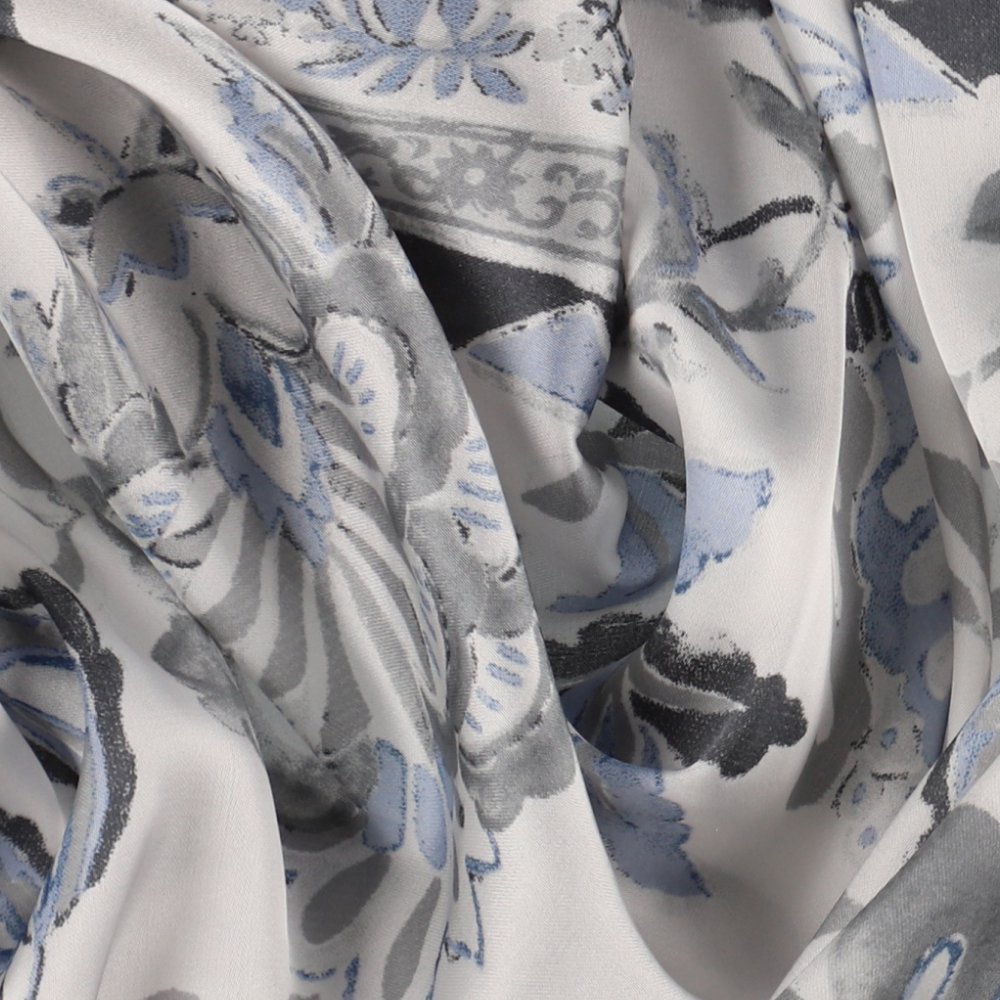
70×70 cm / 28×28 in
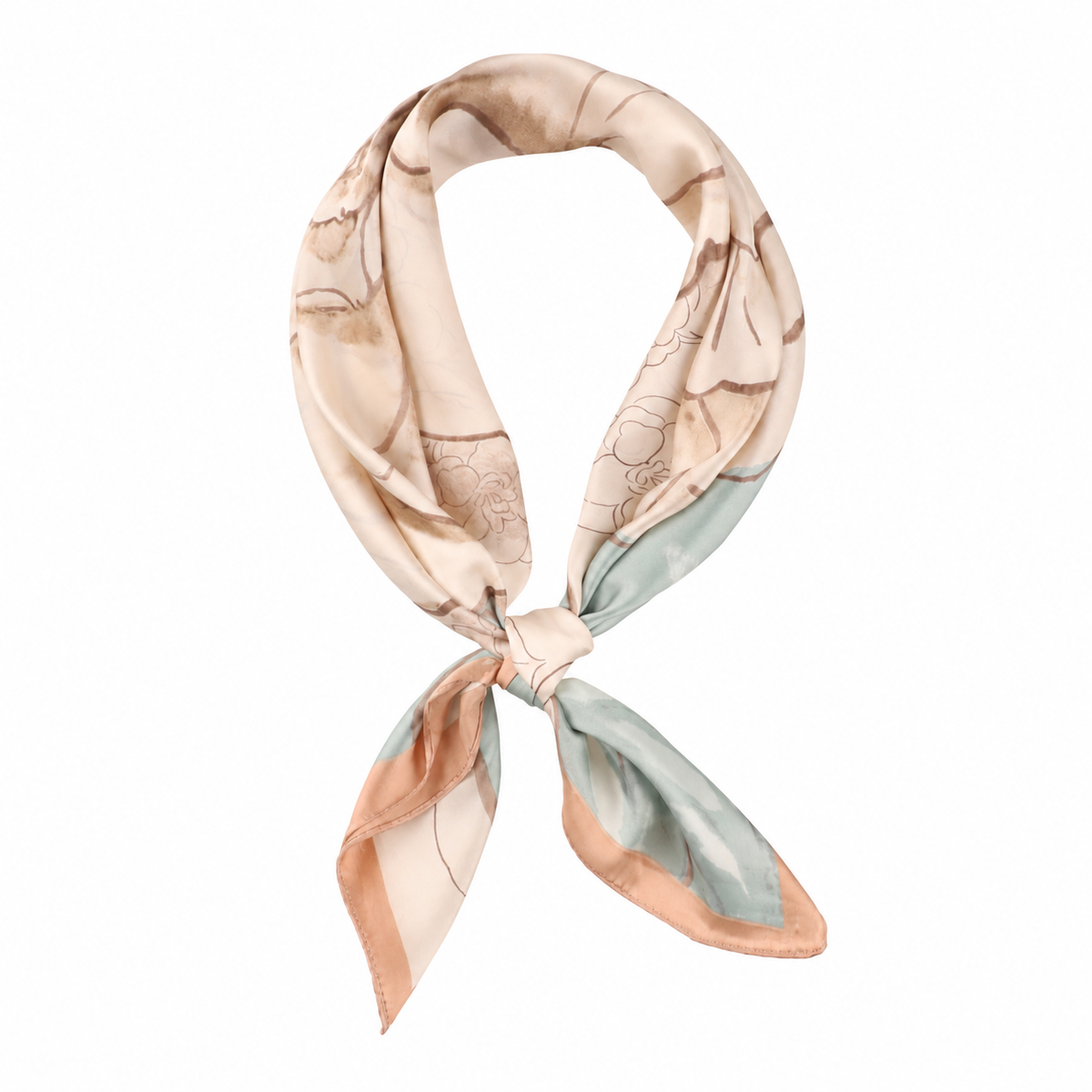
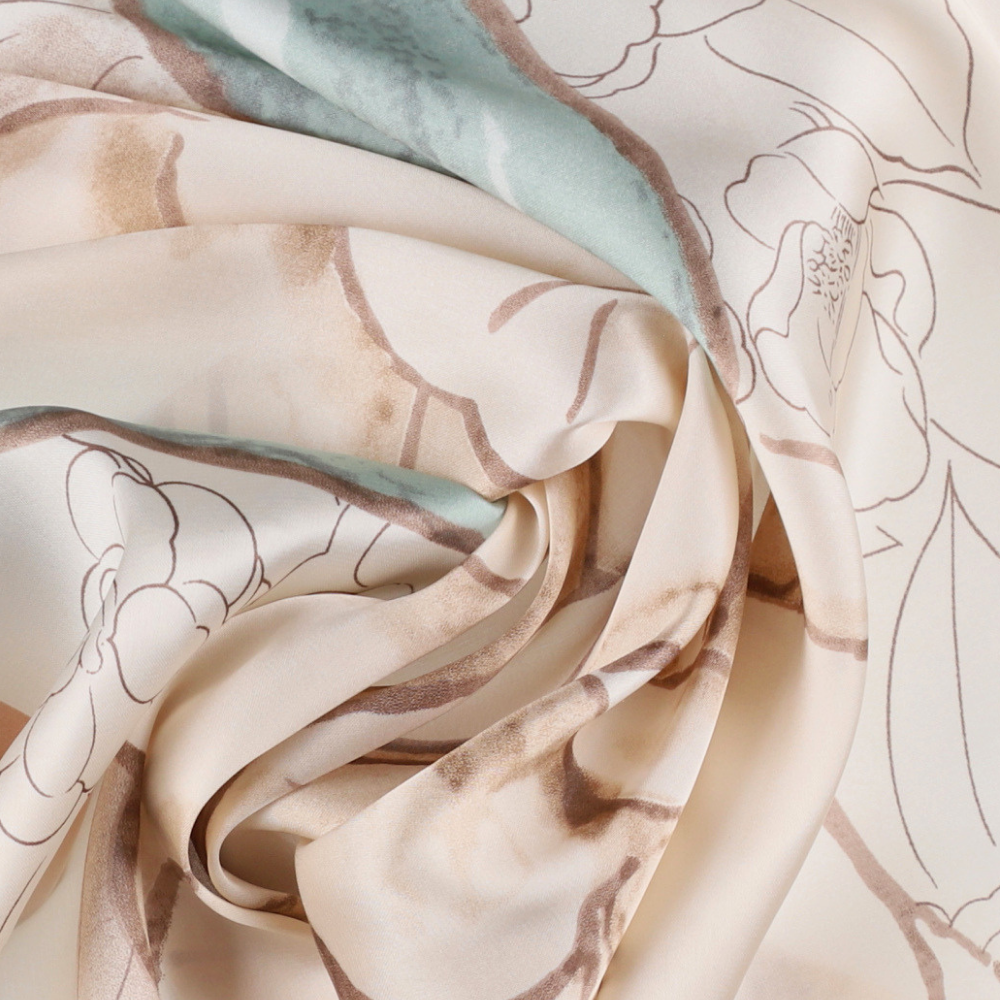
70×70 cm / 28×28 in
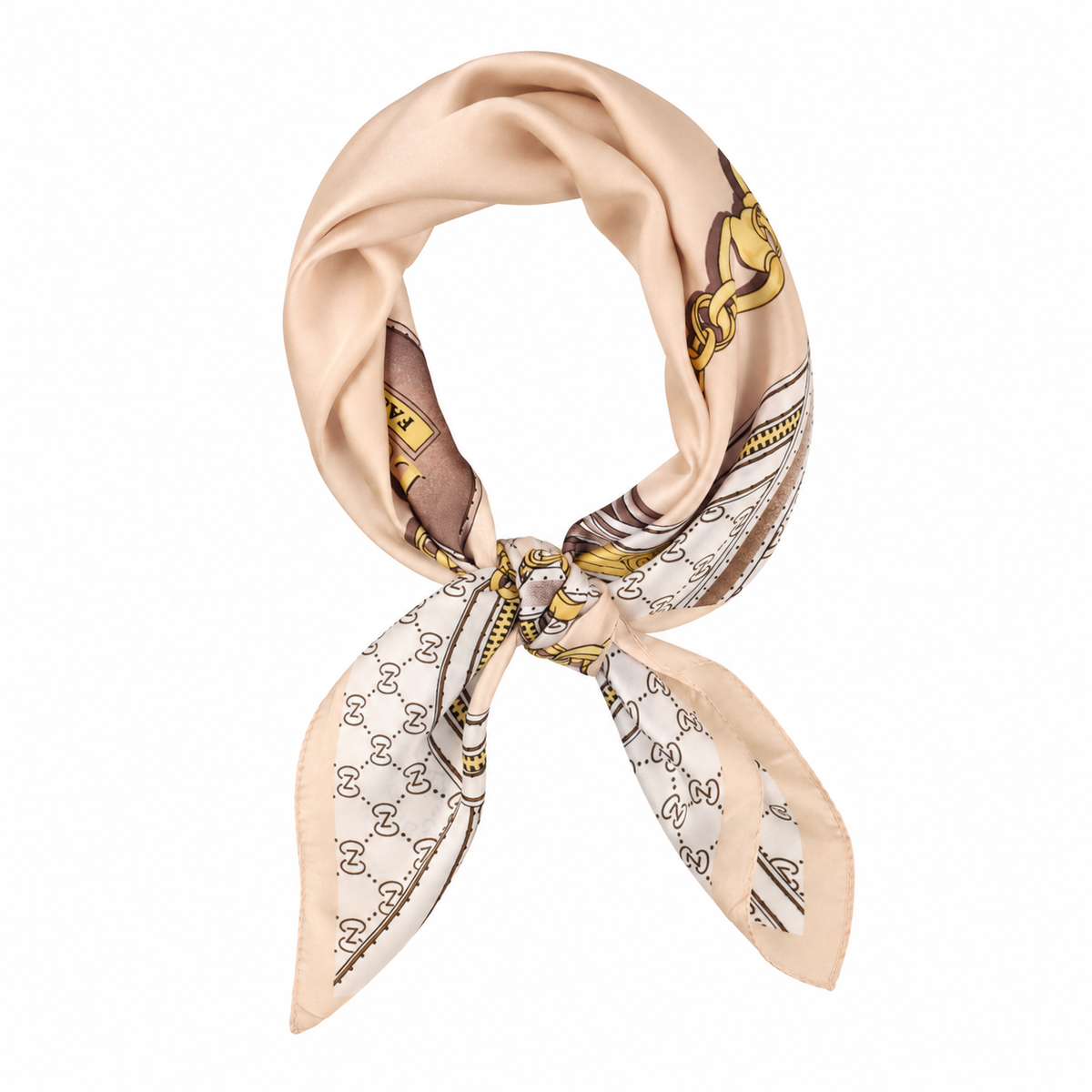
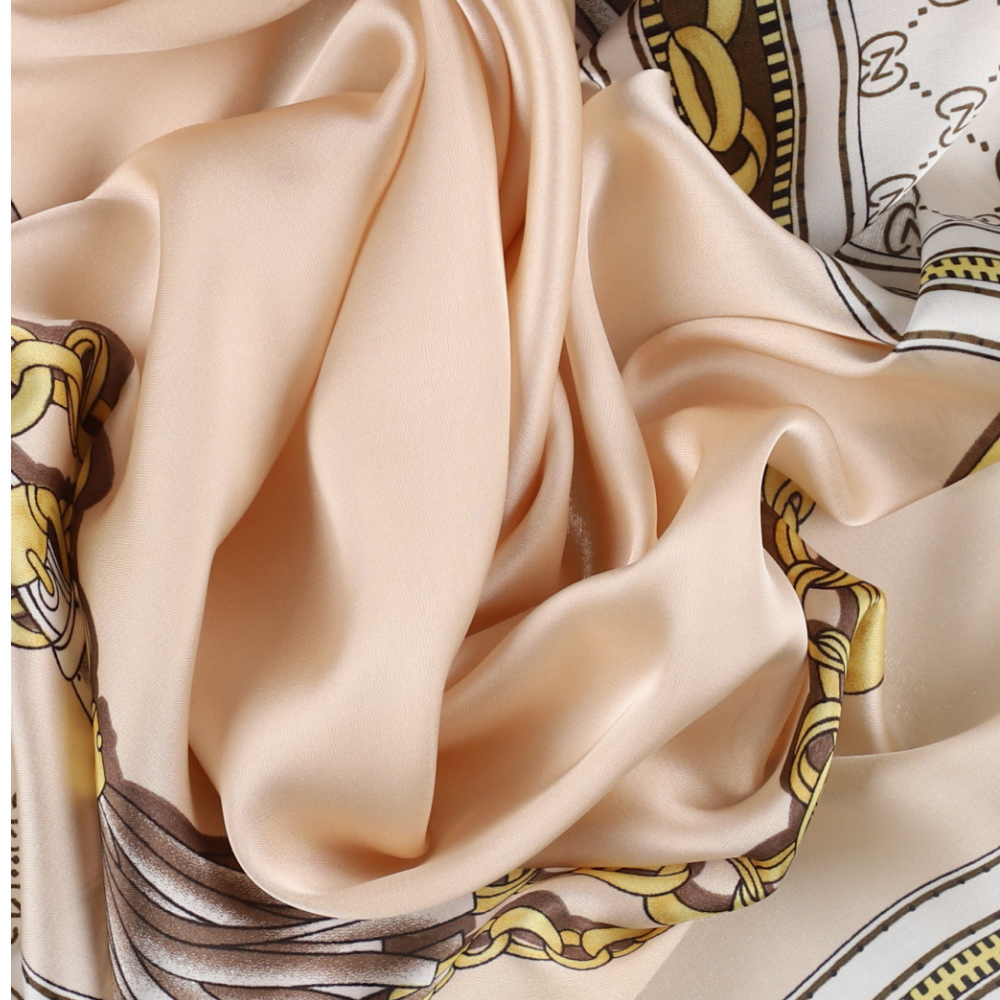
70×70 cm / 28×28 in
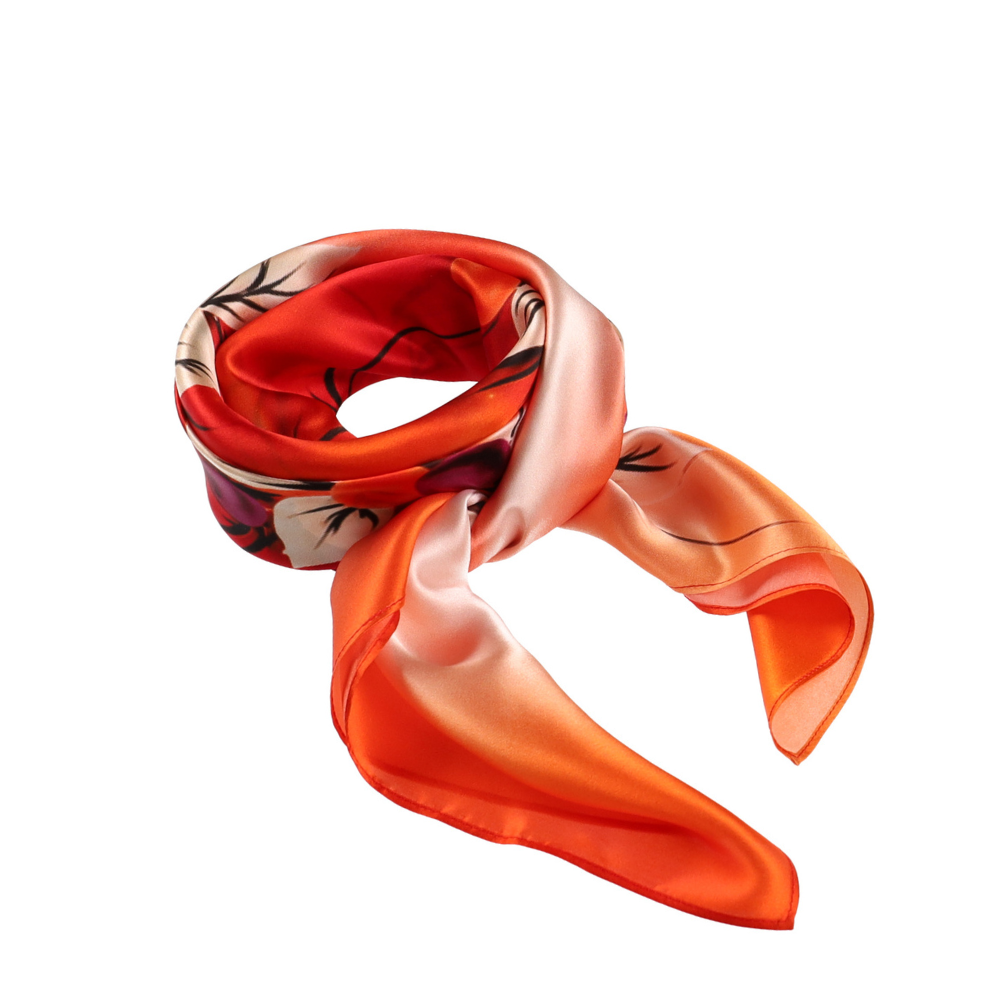
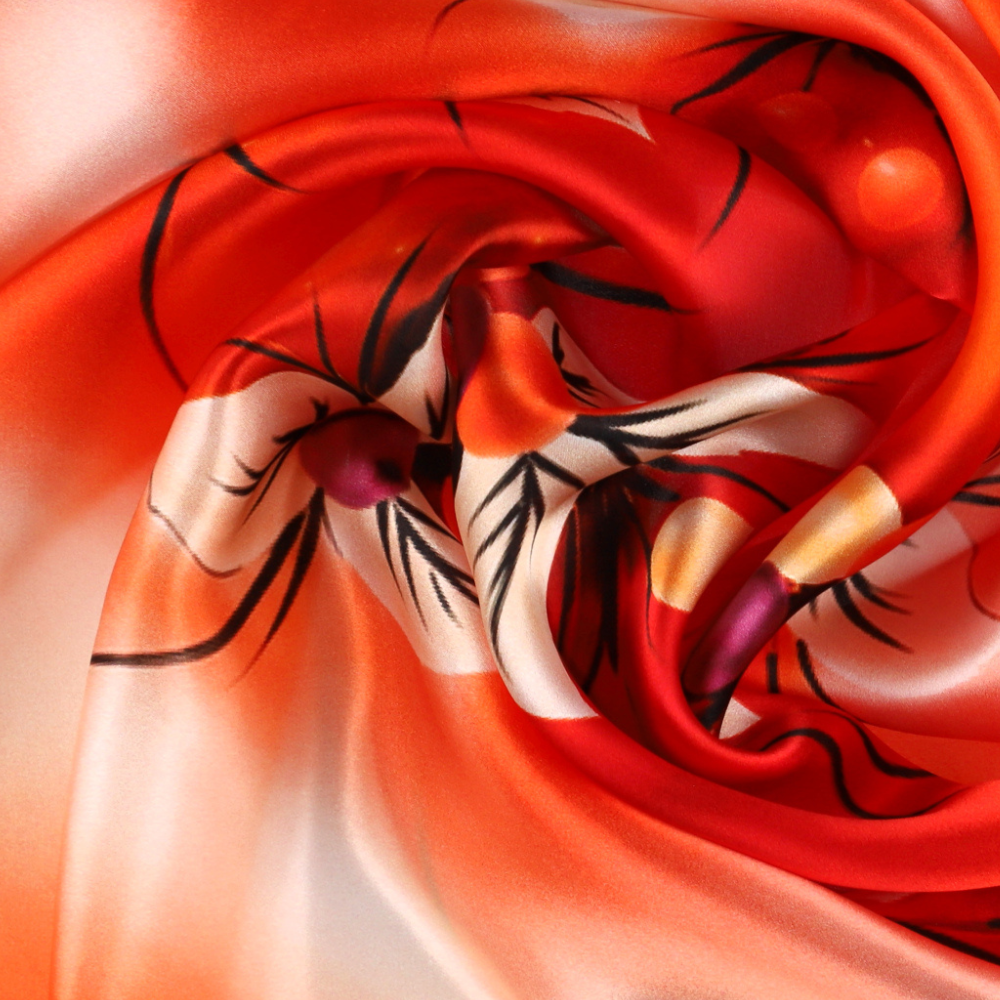
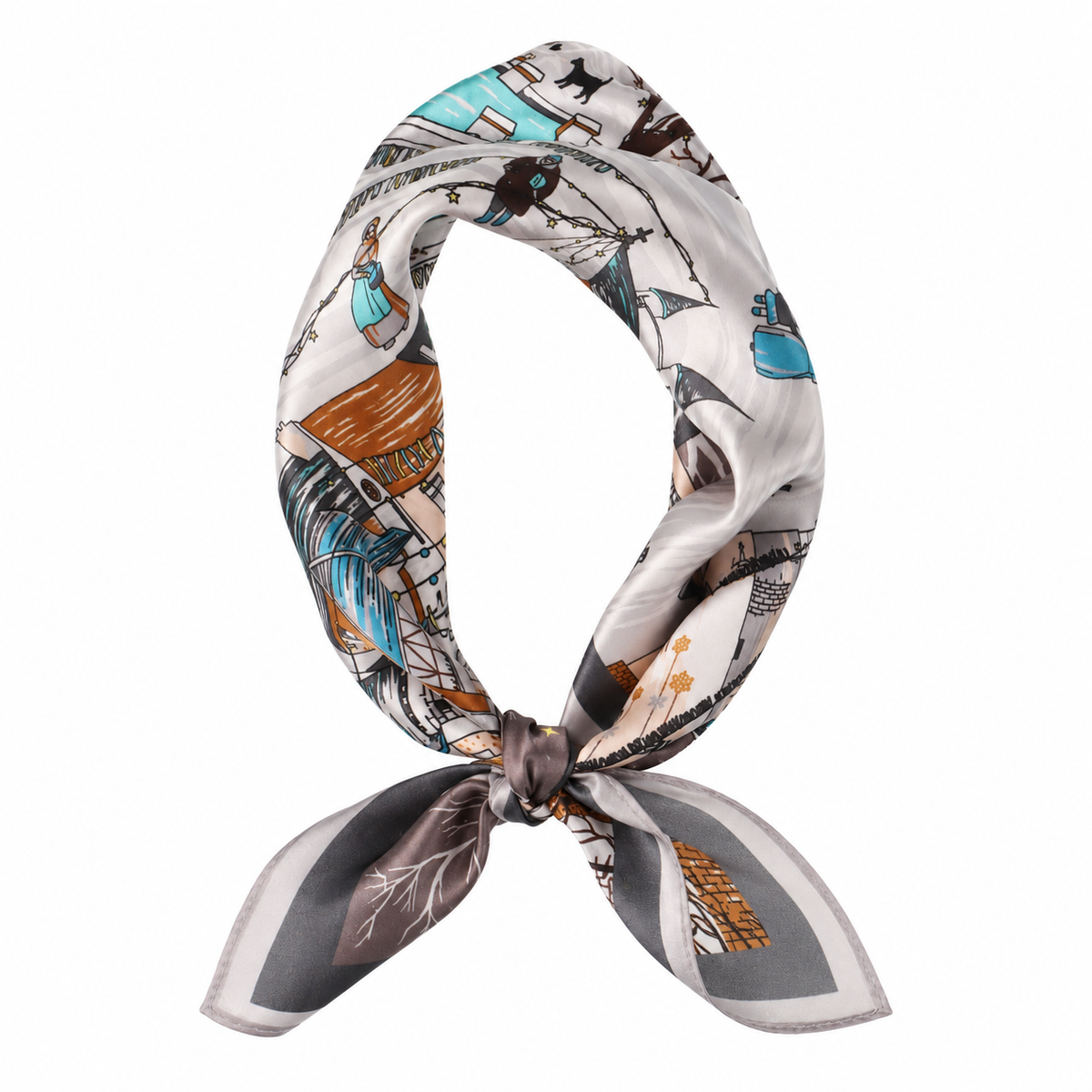
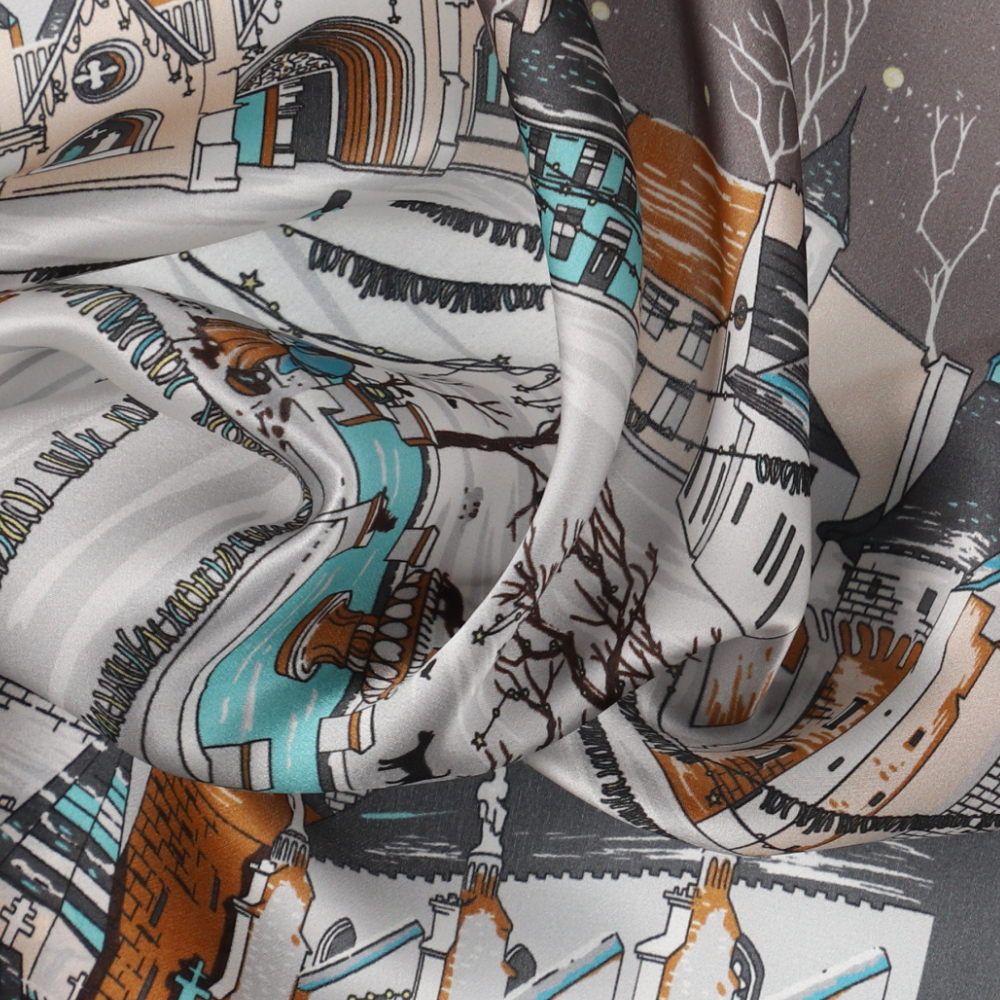
53×53 cm / 21×21 in
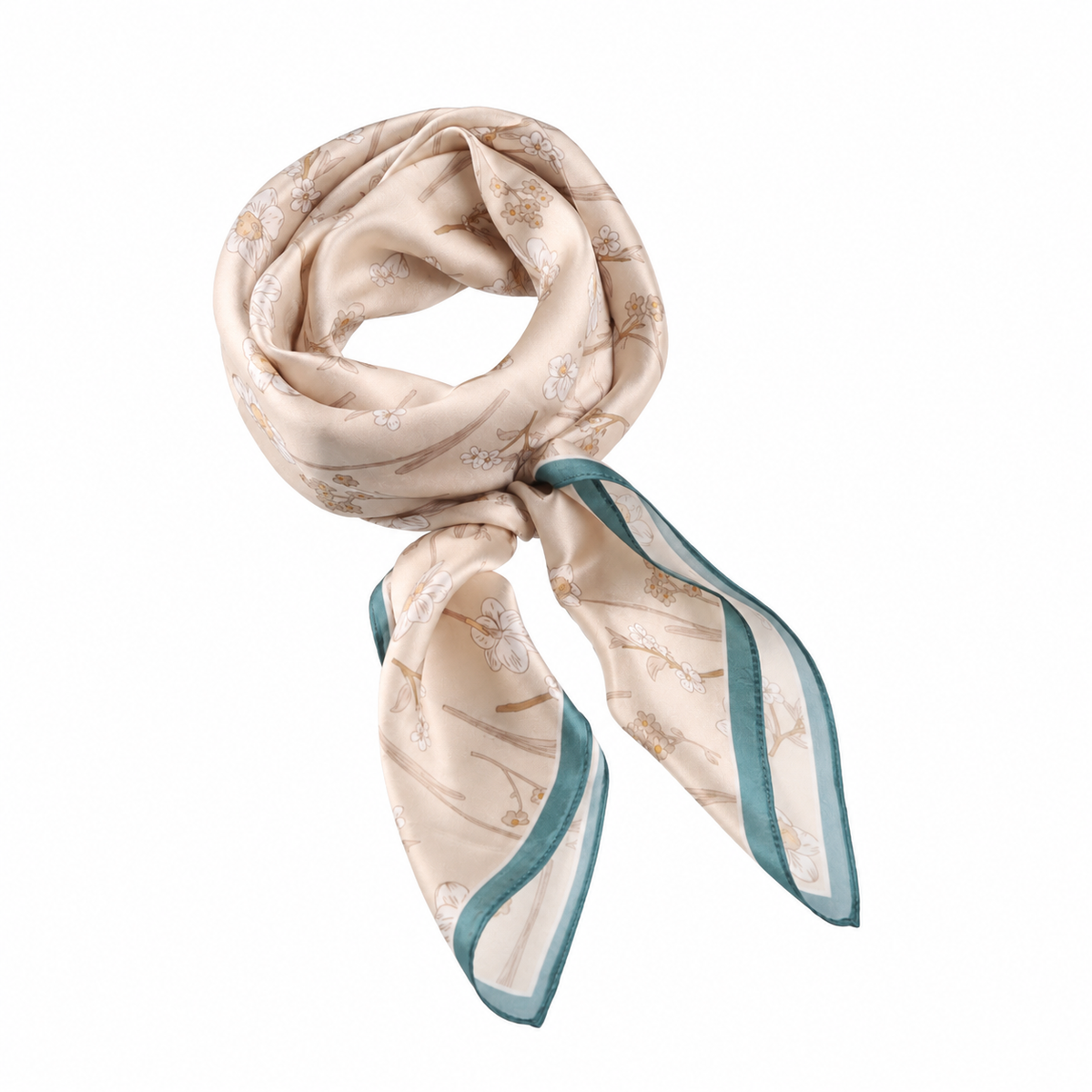
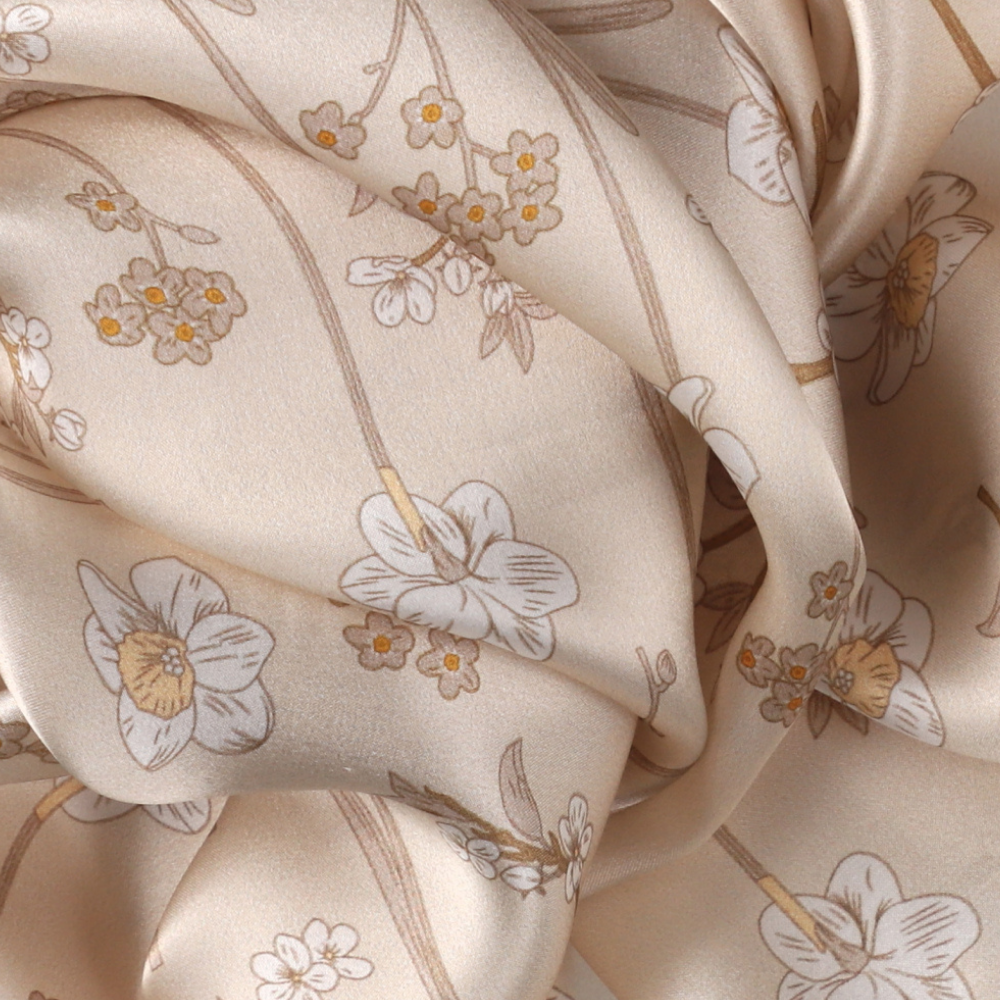
90×90 cm / 35×35 in
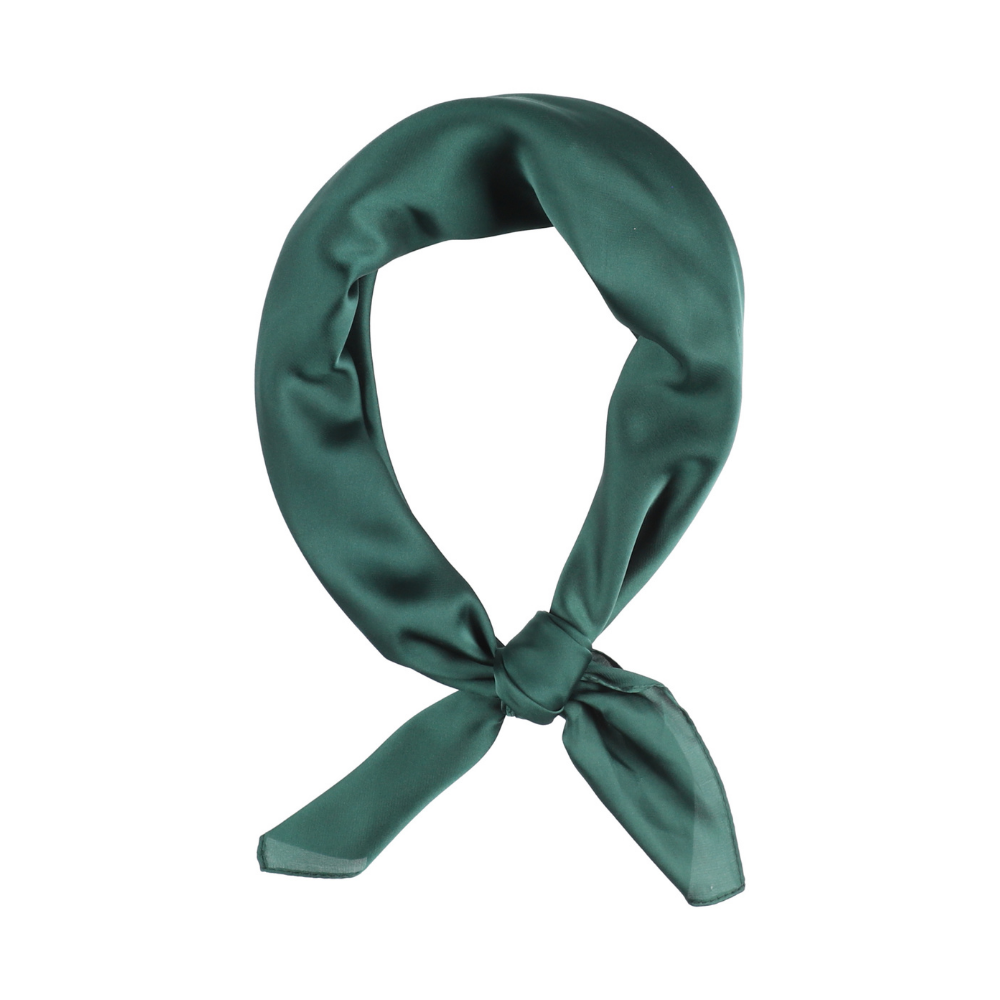
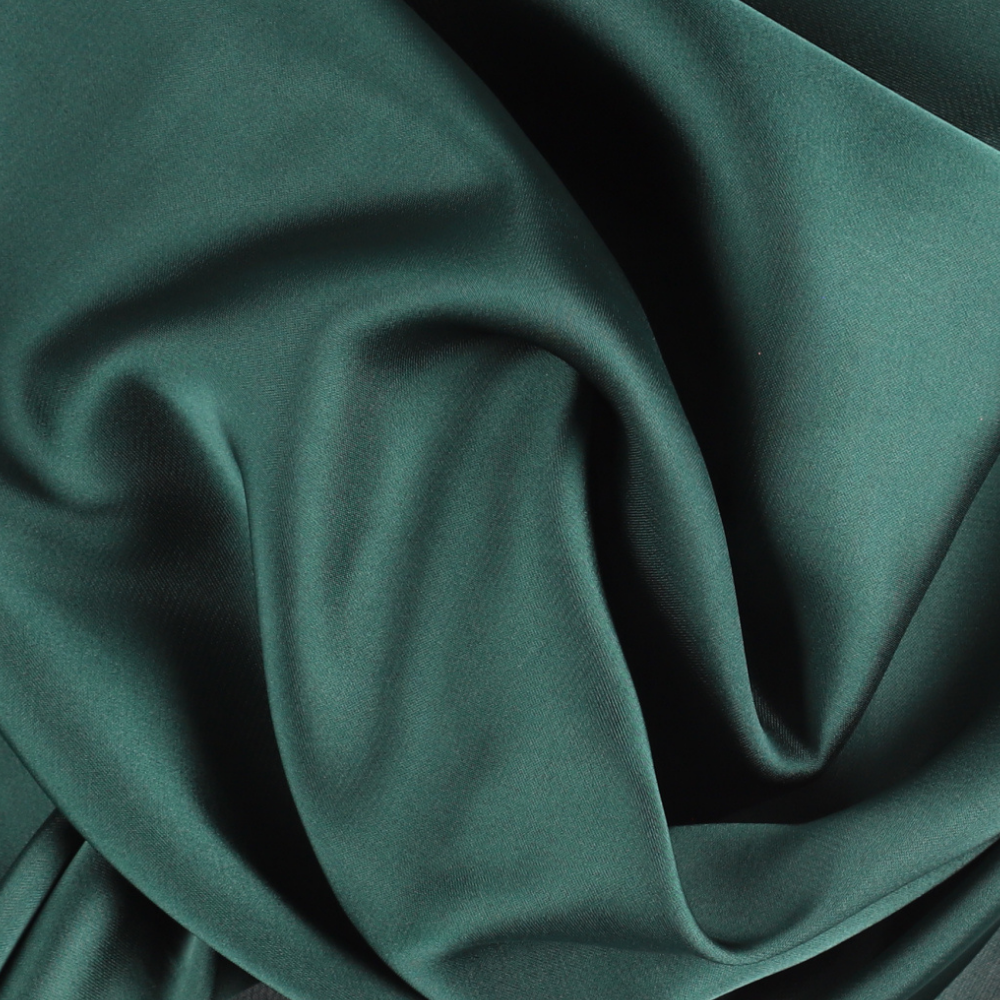
70×70 cm / 28×28 in
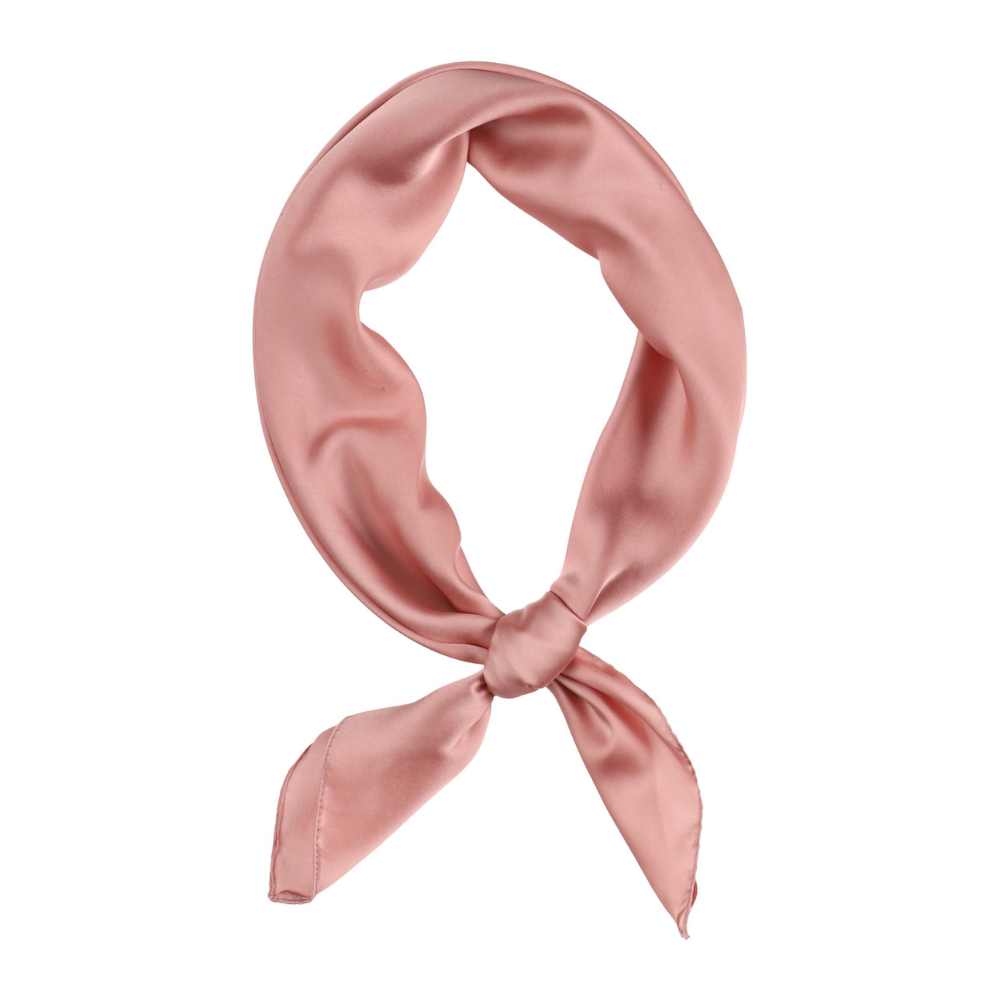
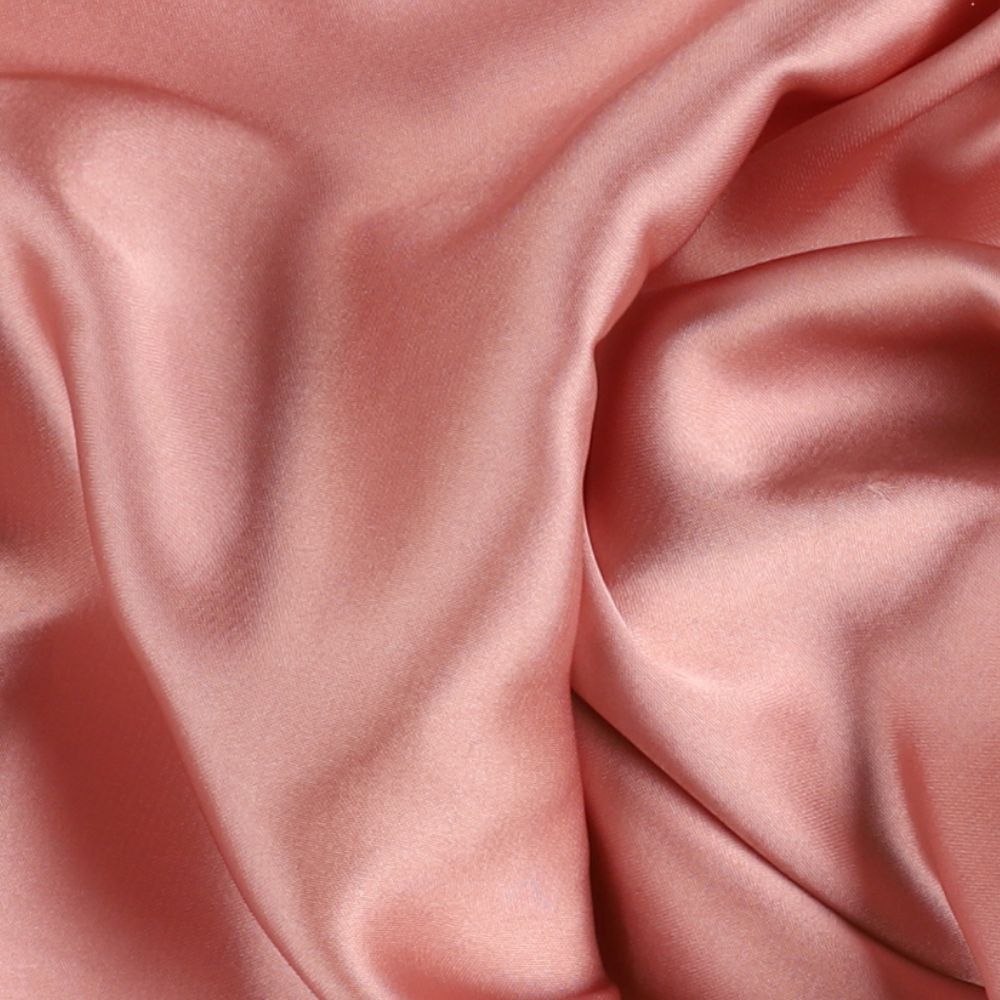
70×70 cm / 28×28 in
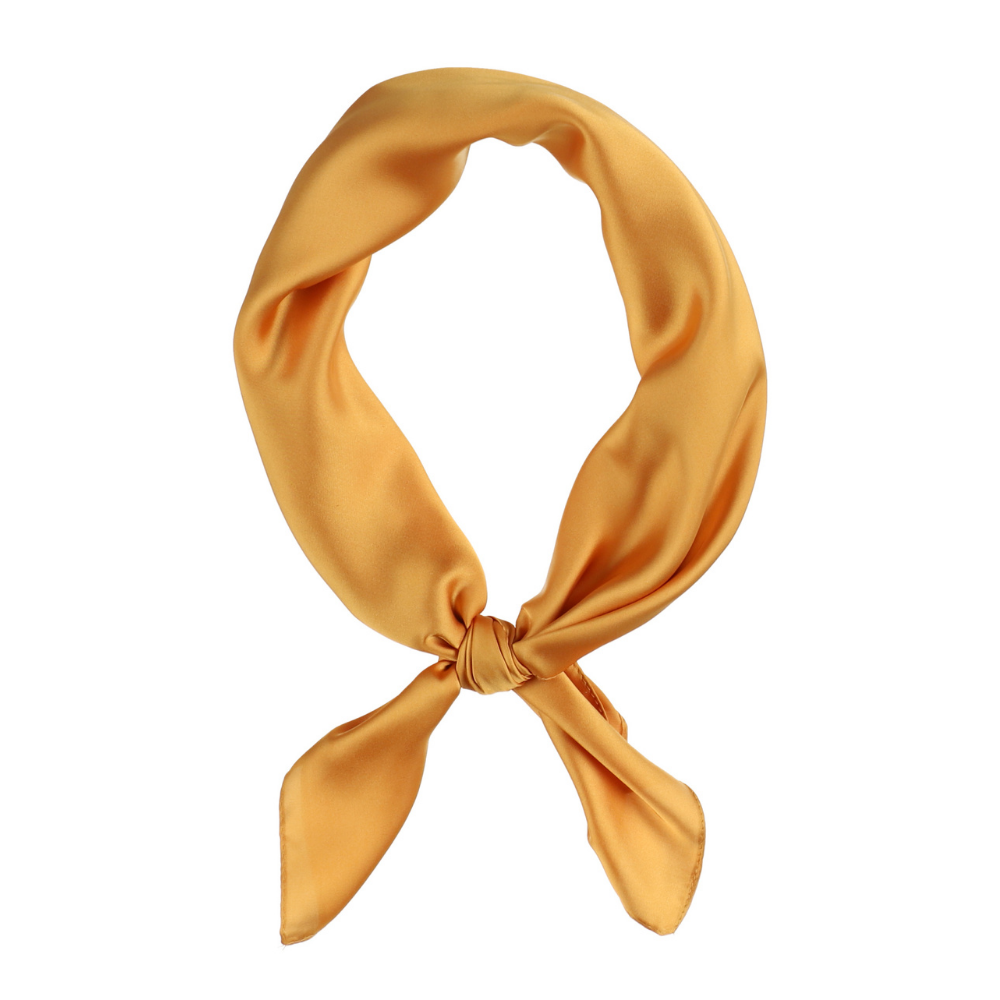
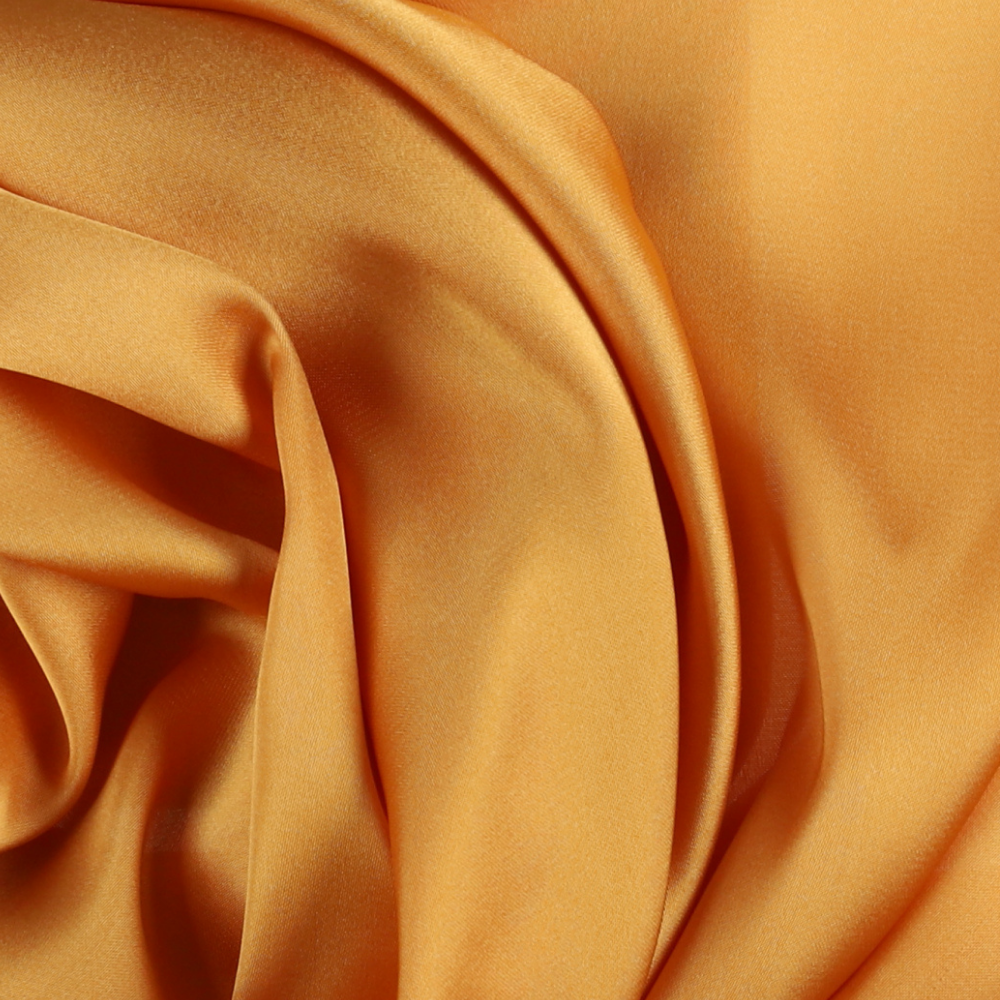
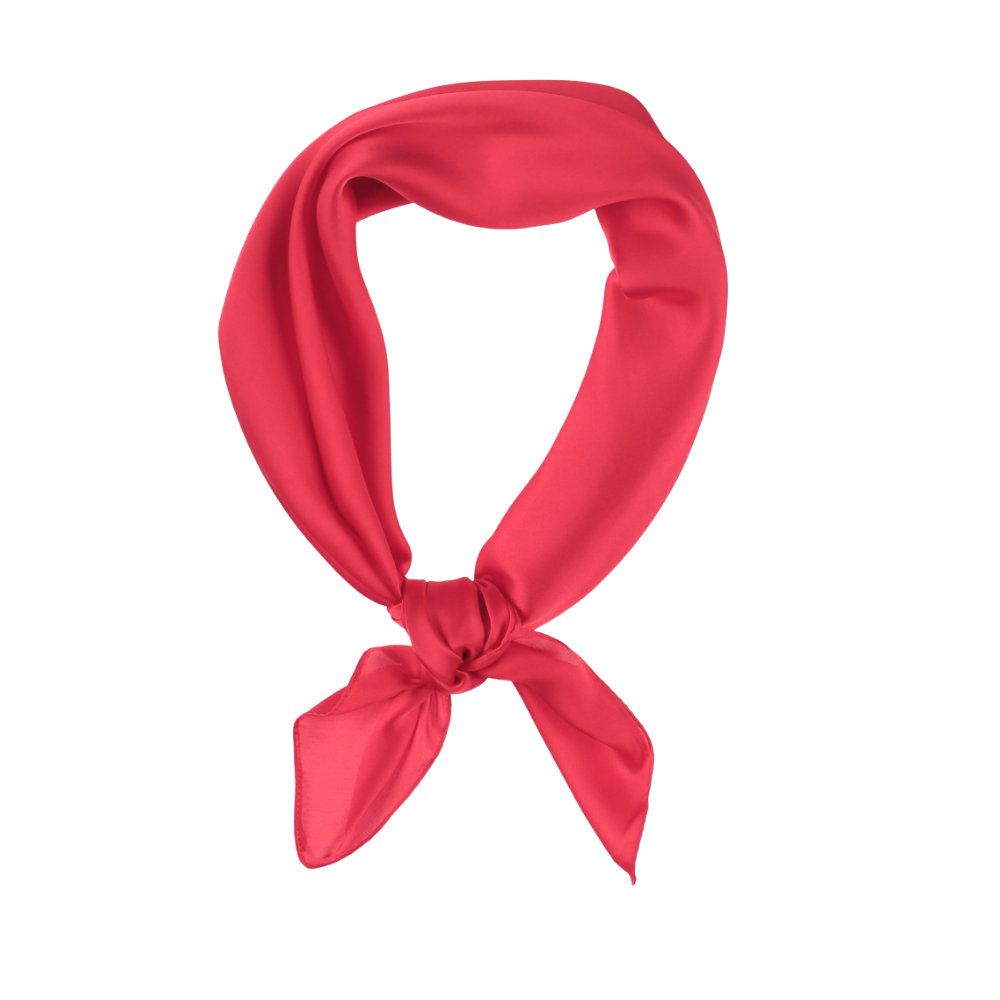
70×70 cm / 28×28 in
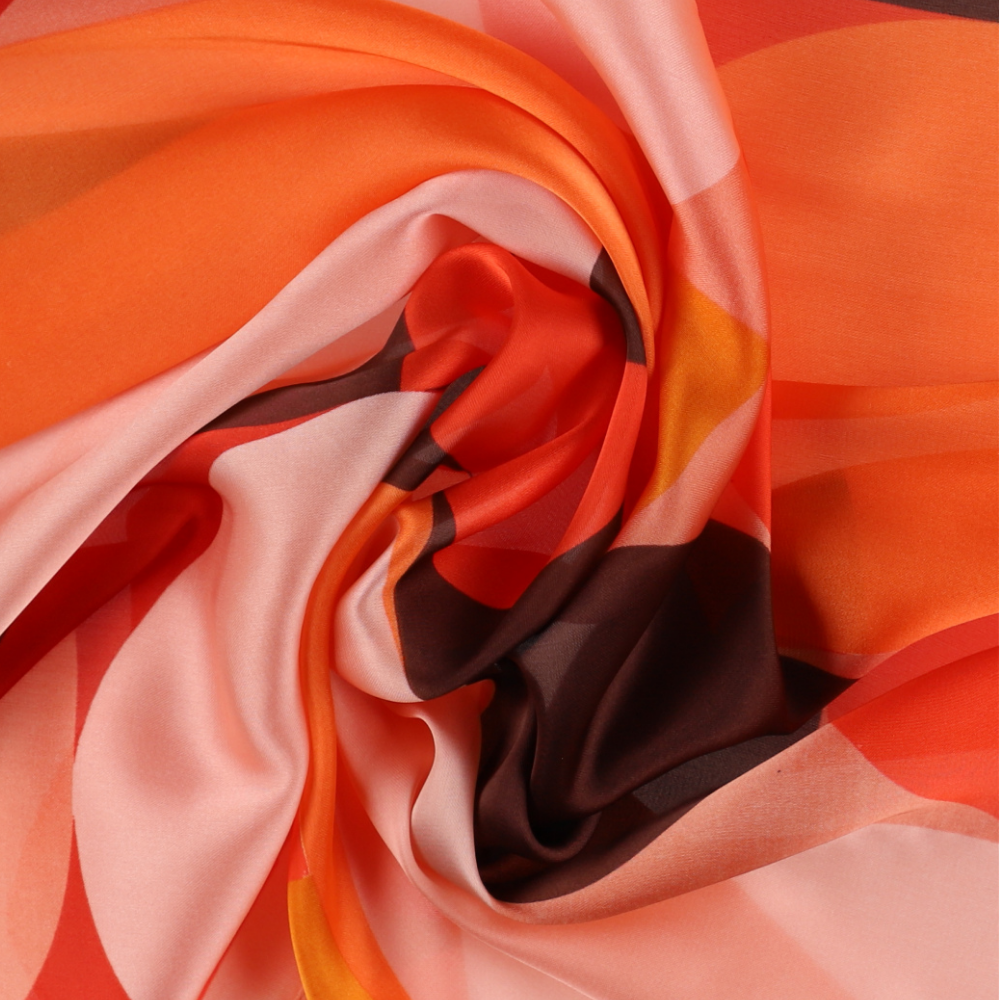
70×70 cm / 28×28 in
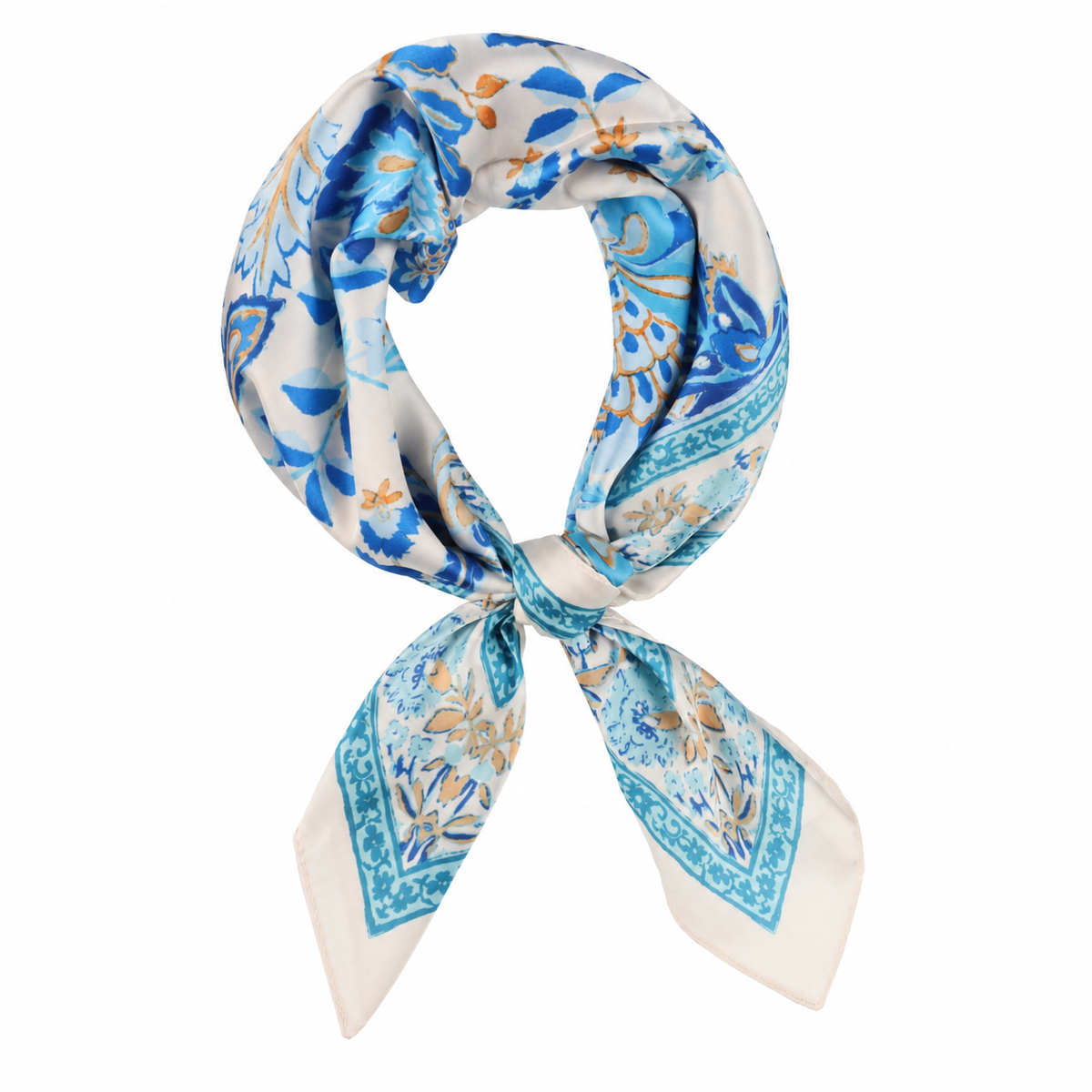
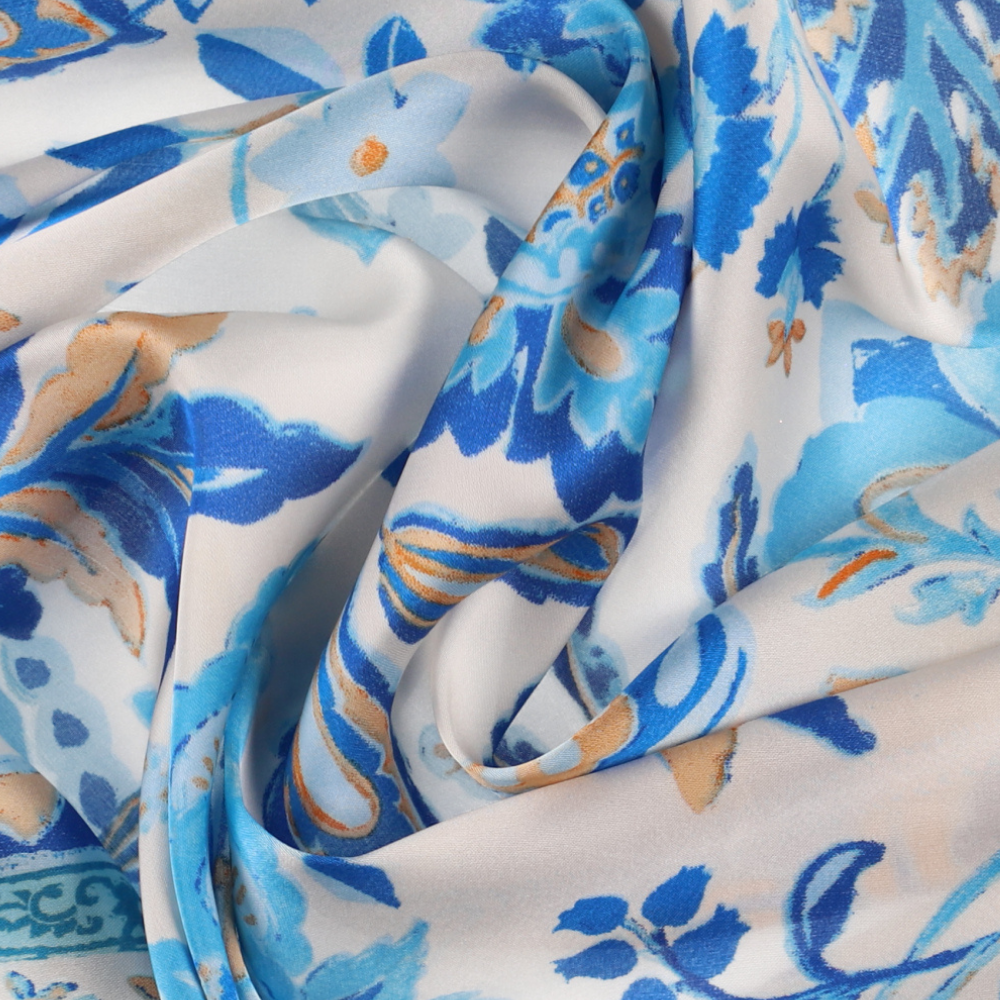
70×70 cm / 28×28 in
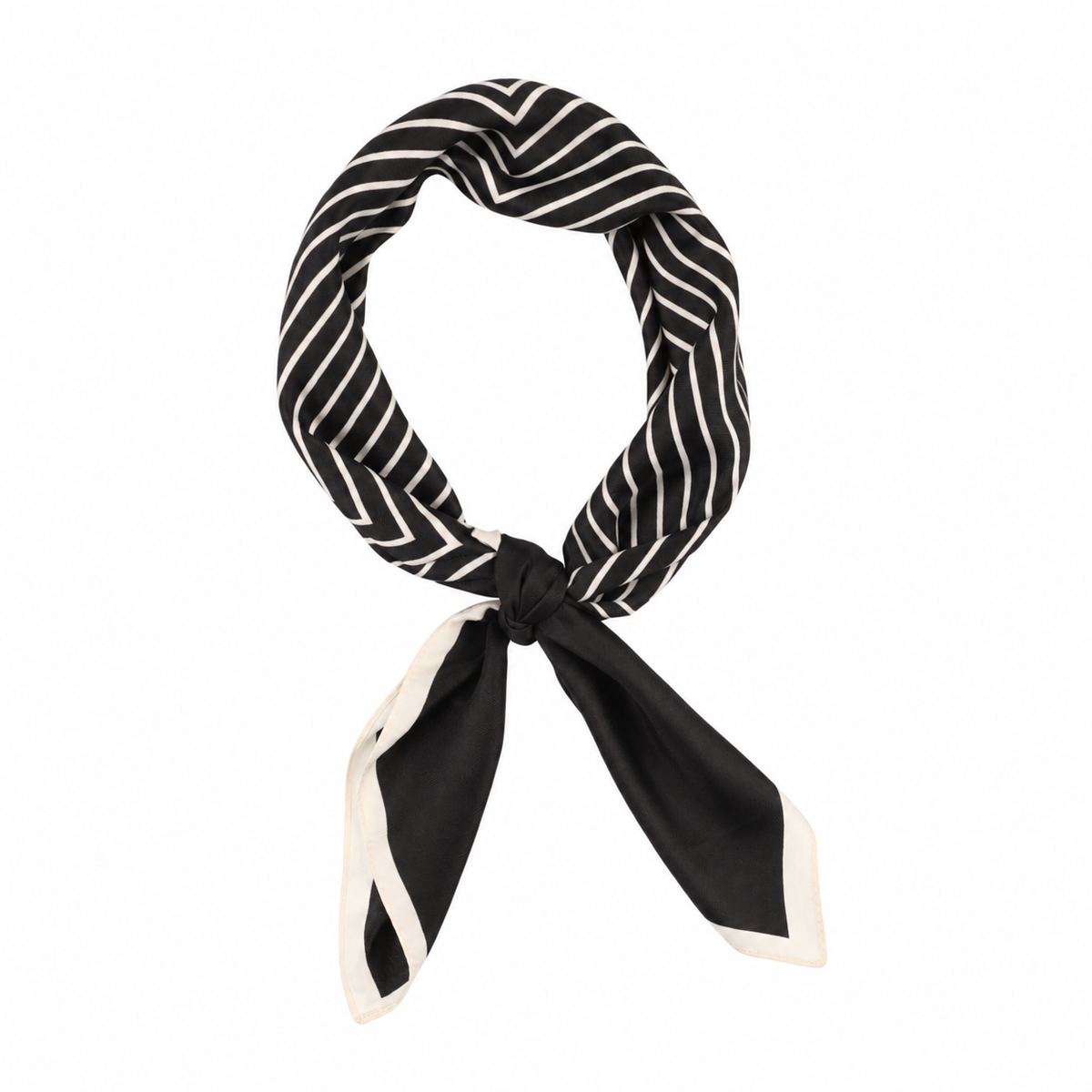
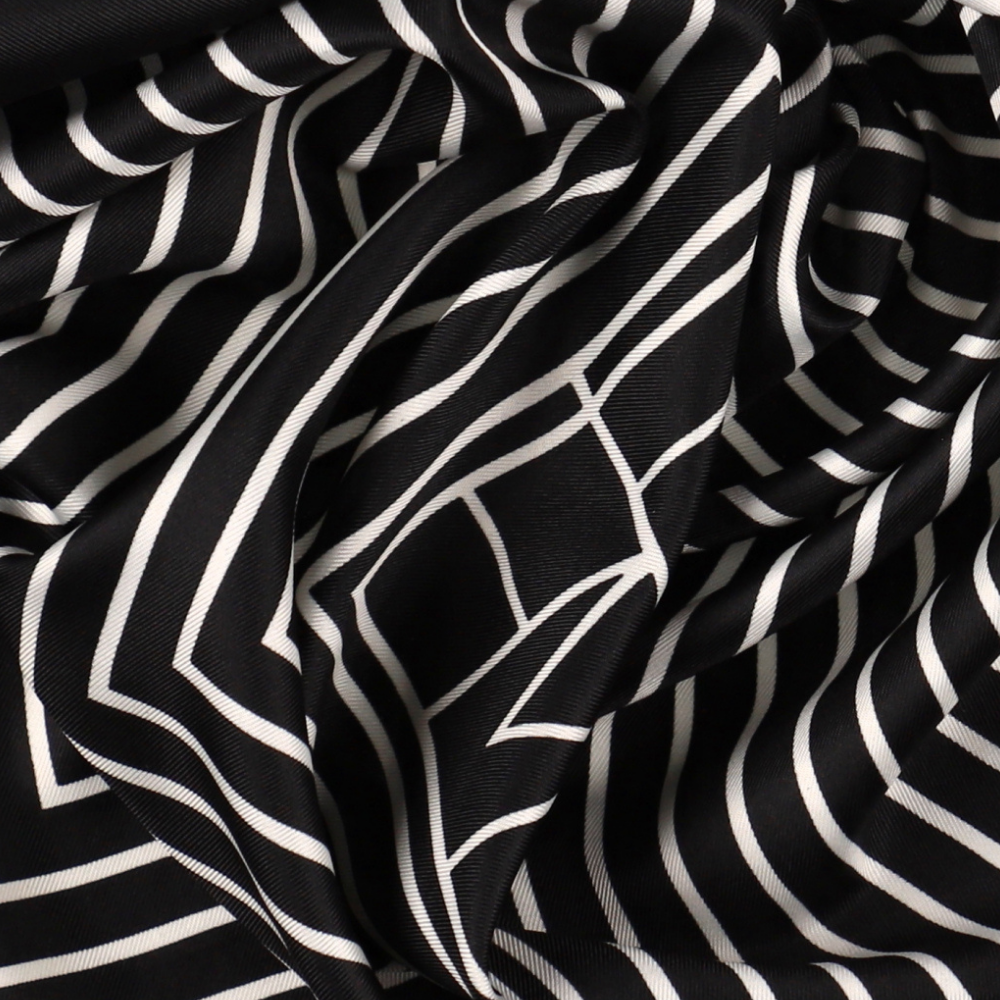
70×70 cm / 28×28 in
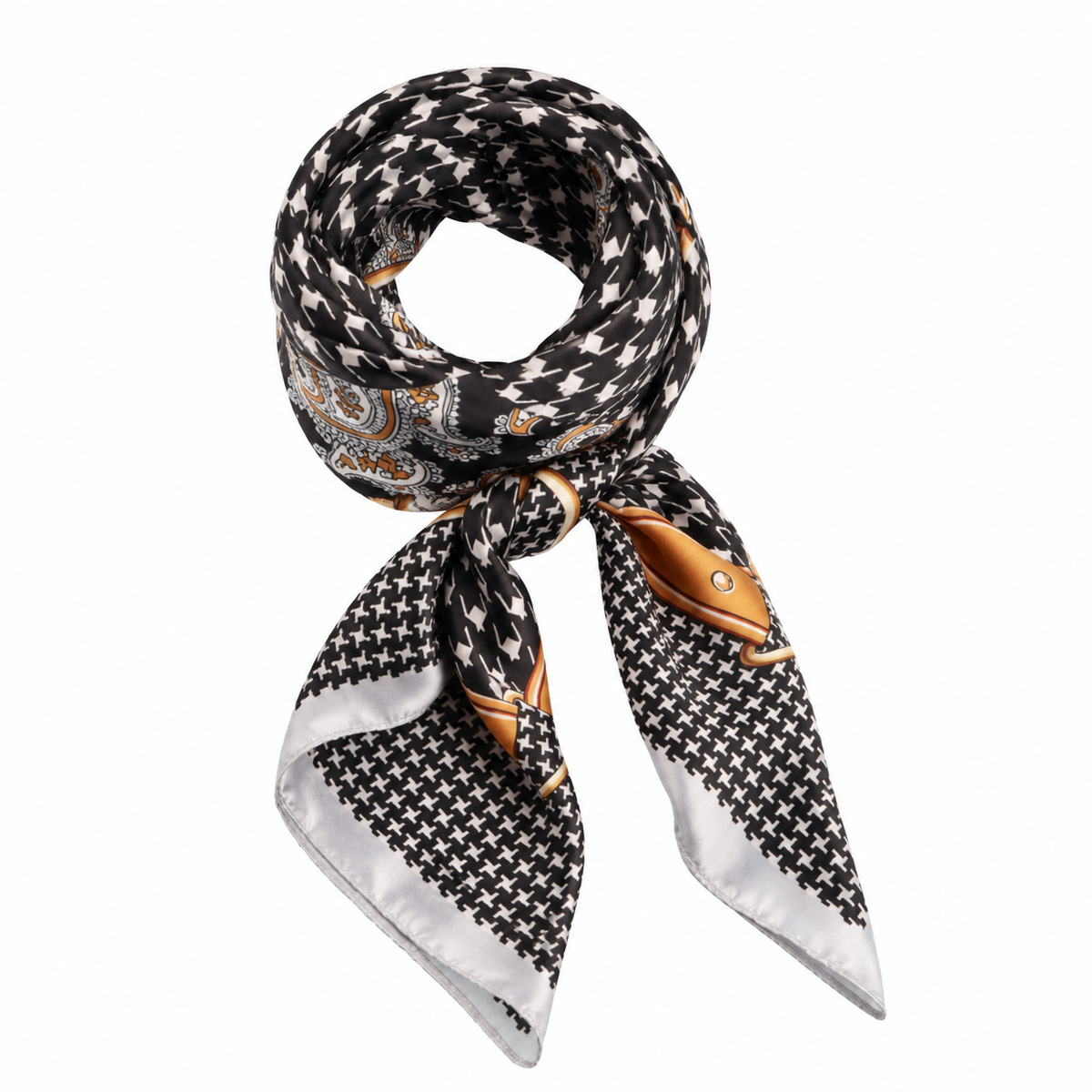
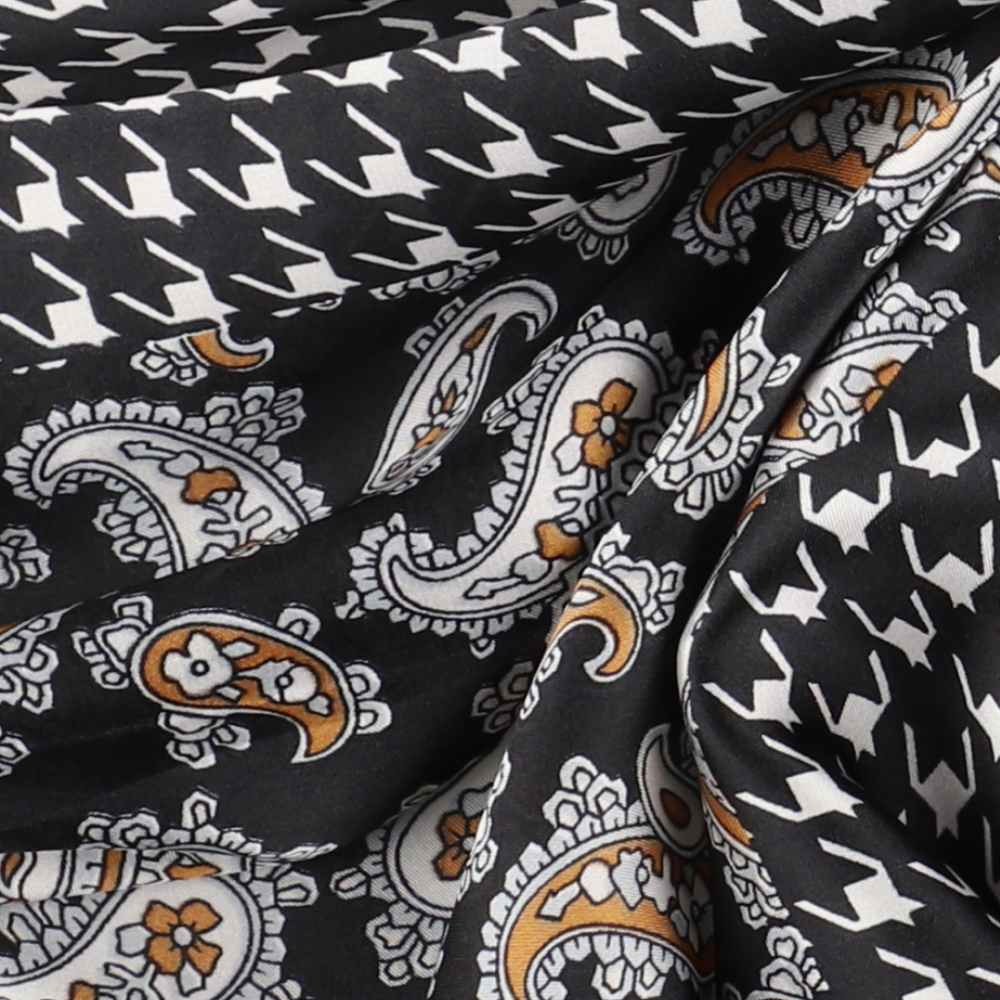
90×90 cm / 35×35 in
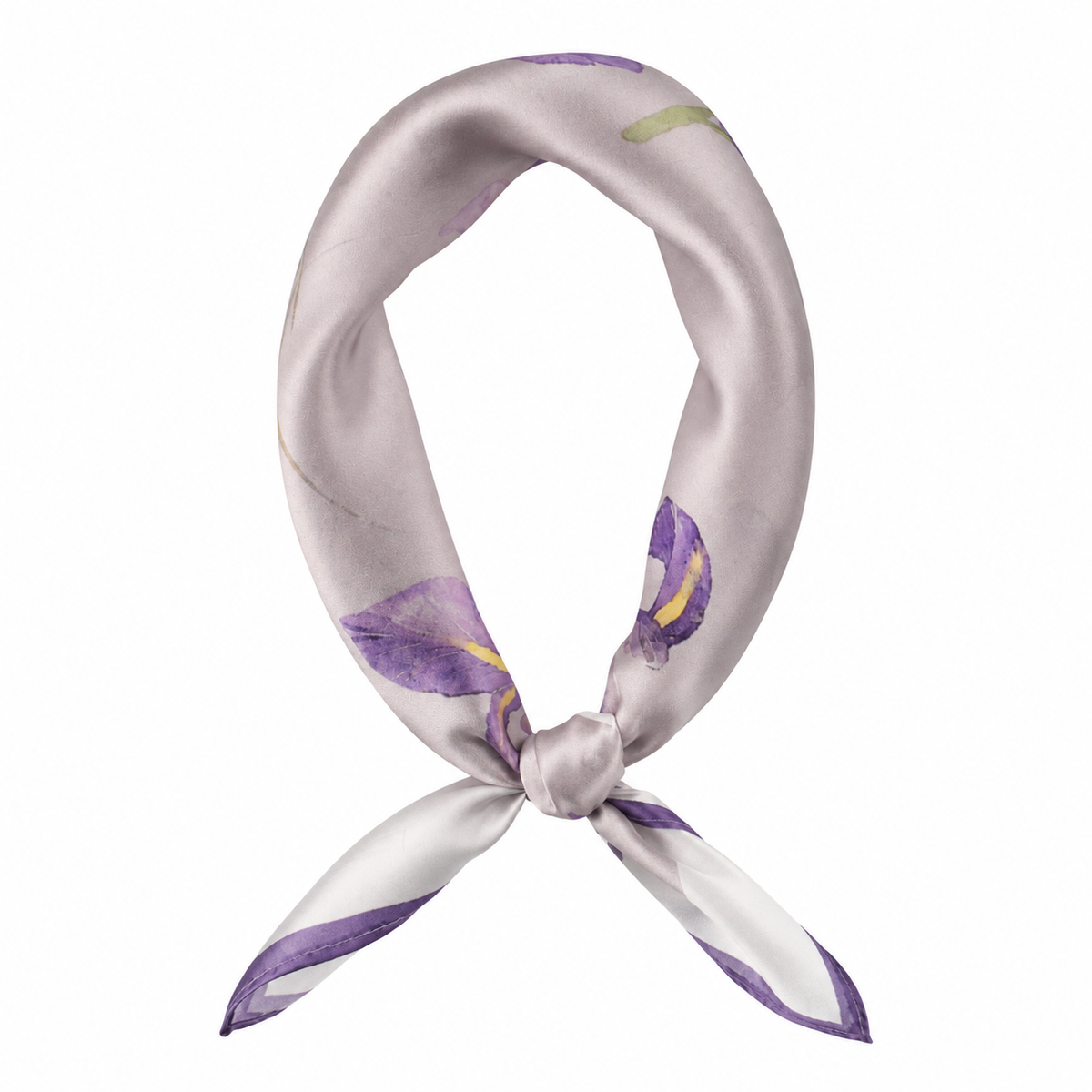
53×53 cm / 21×21 in
90×90 cm / 35×35 in
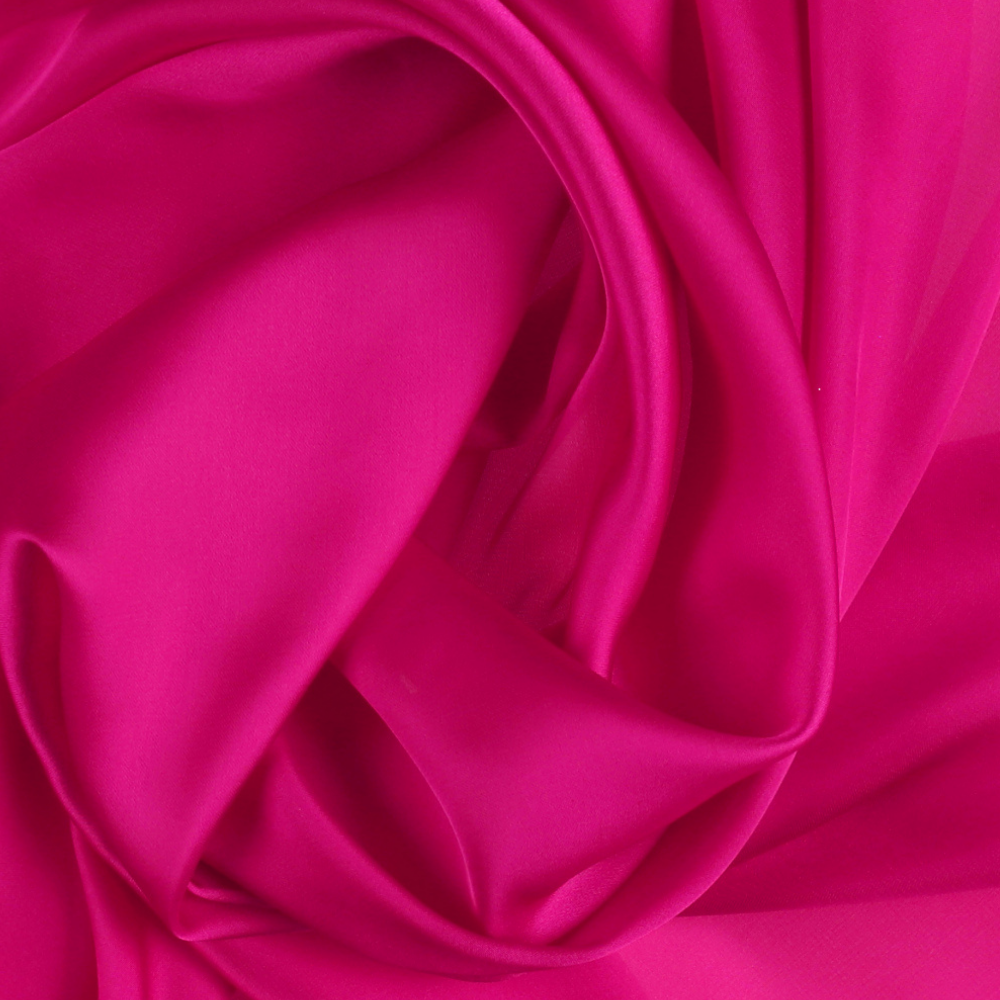
70×70 cm / 28×28 in
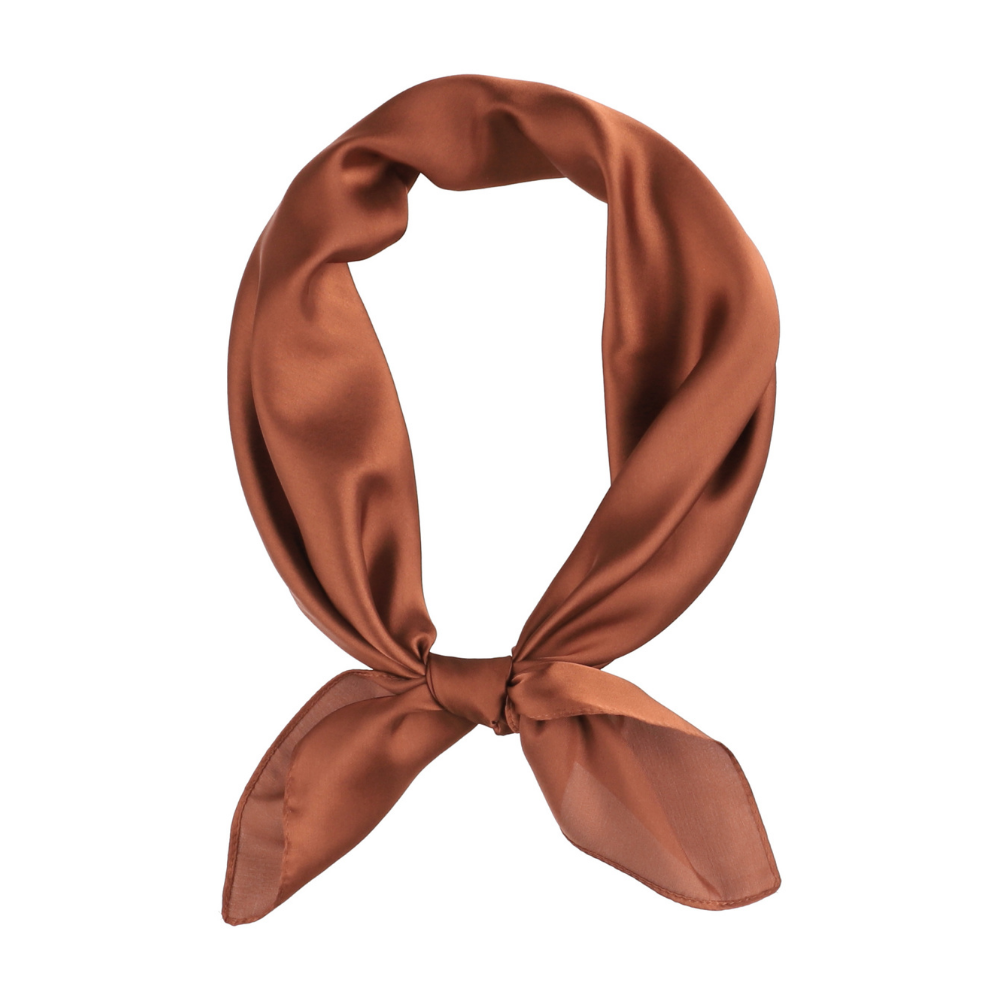
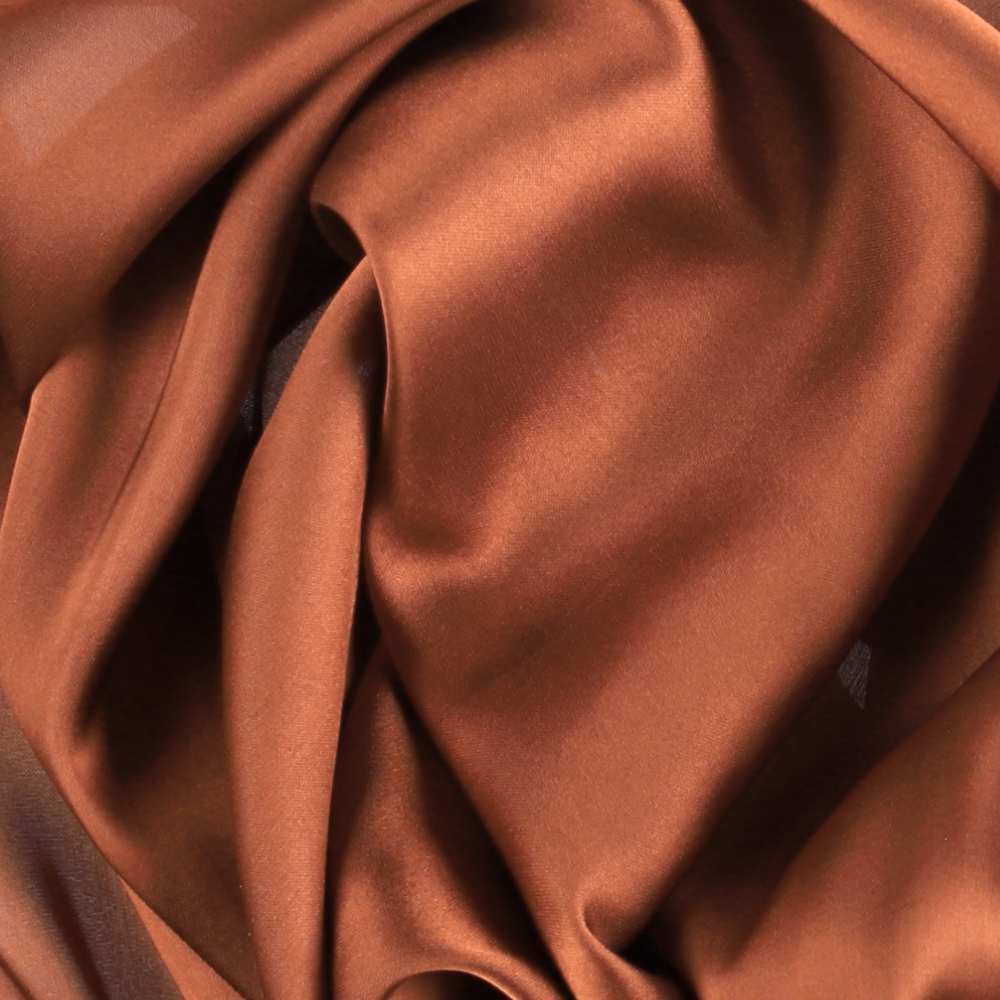
70×70 cm / 28×28 in
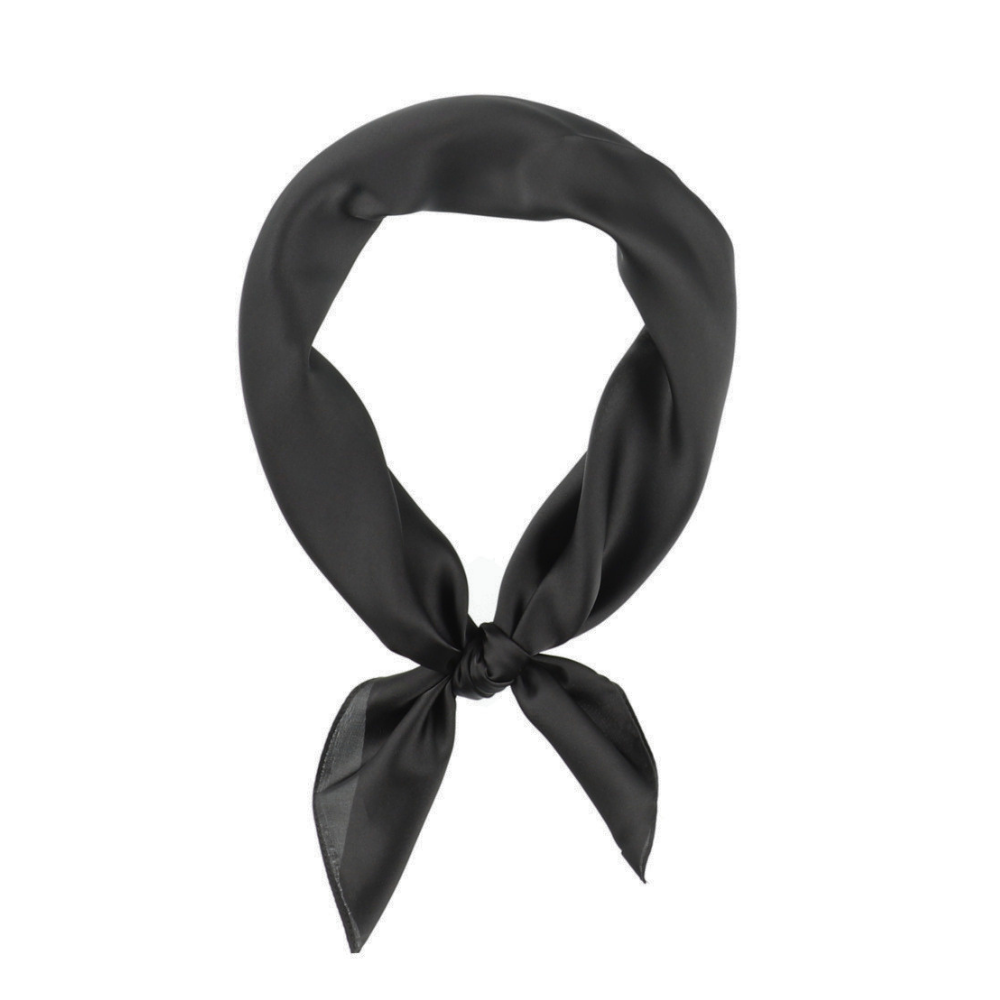
70×70 cm / 28×28 in
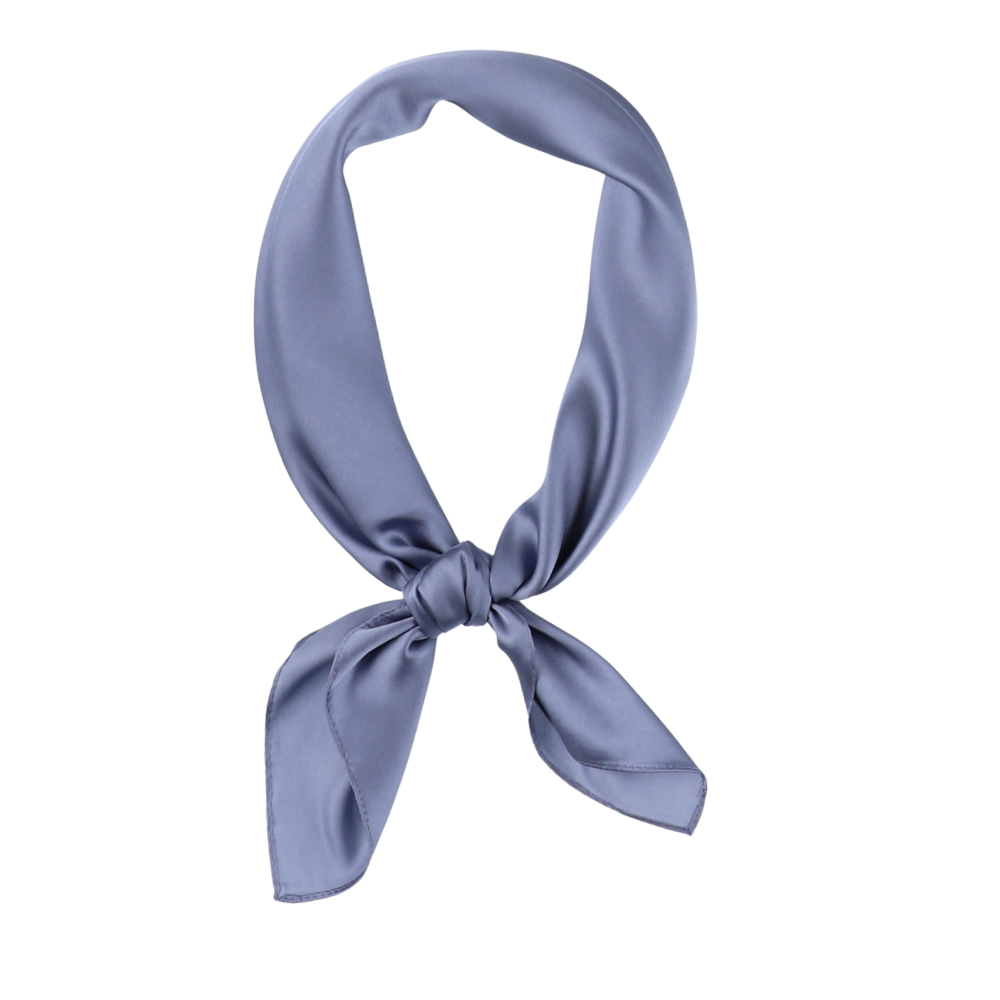
70×70 cm / 28×28 in
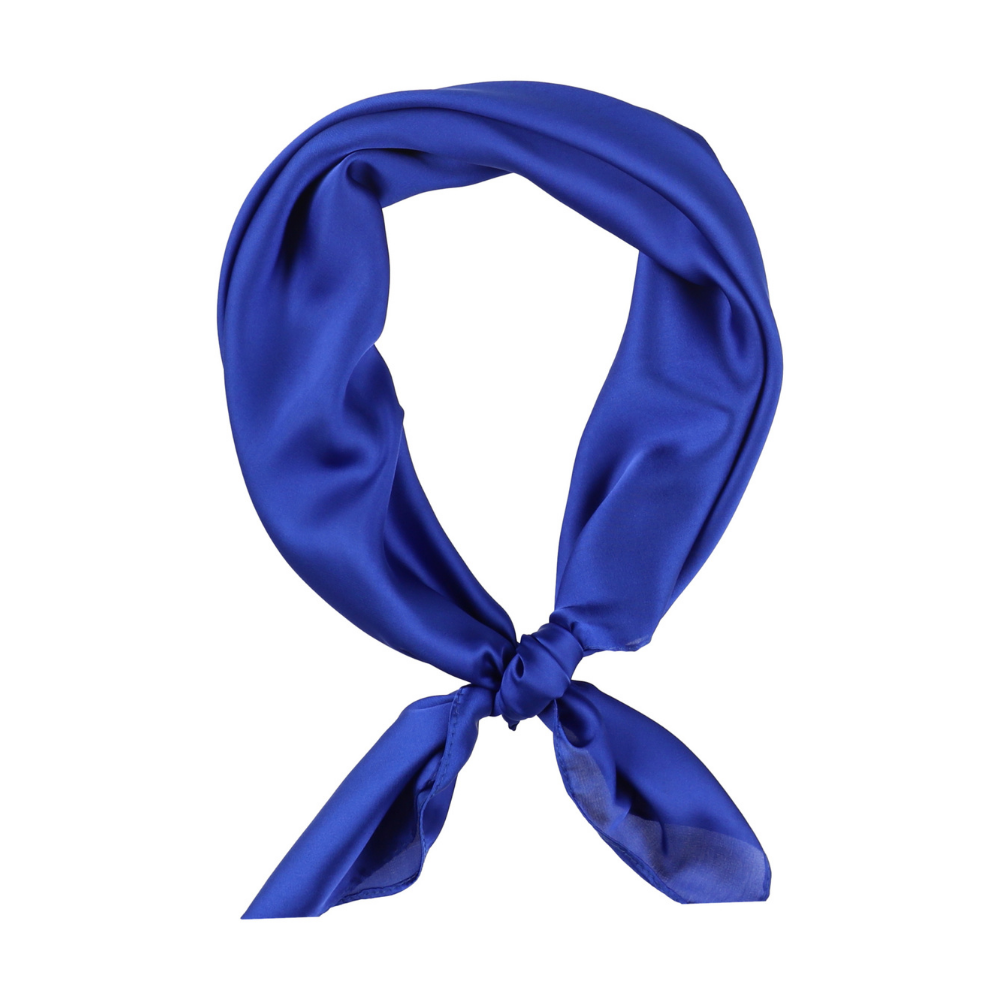
70×70 cm / 28×28 in
70×70 cm / 28×28 in
70×70 cm / 28×28 in
70×70 cm / 28×28 in
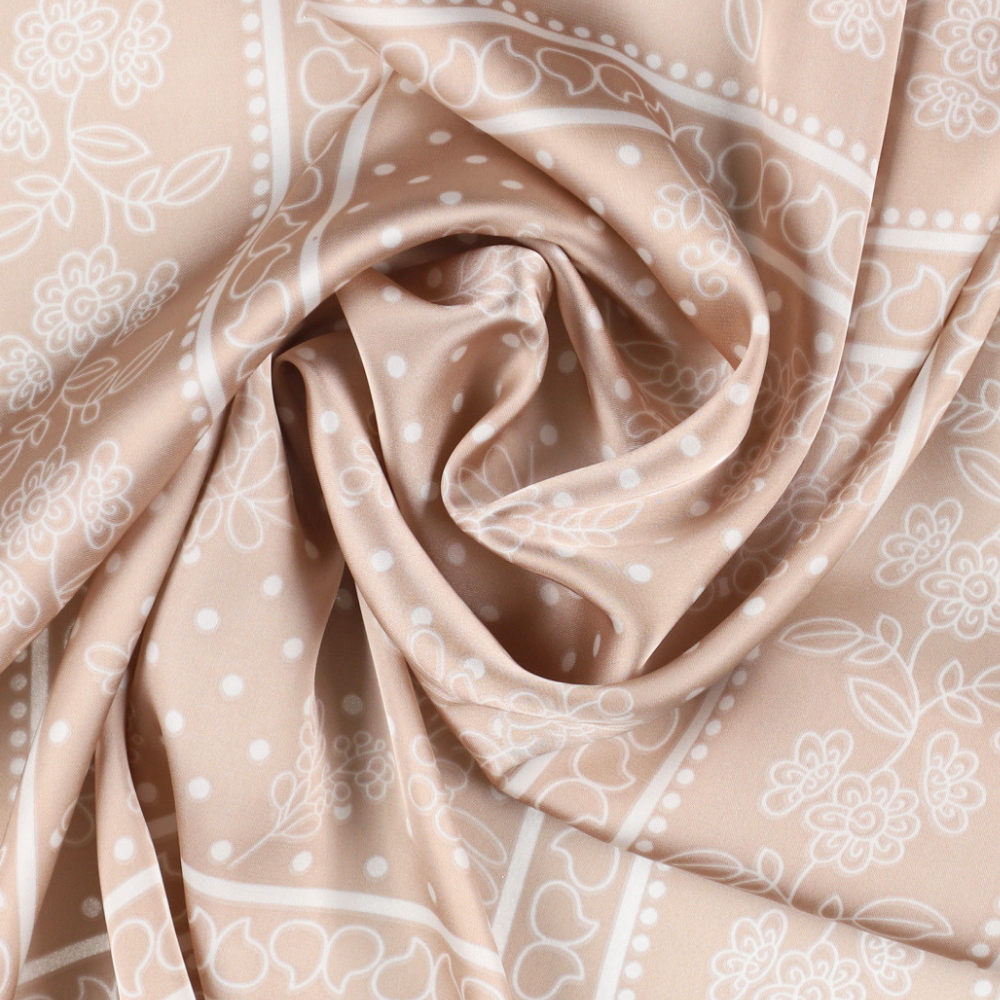
70×70 cm / 28×28 in
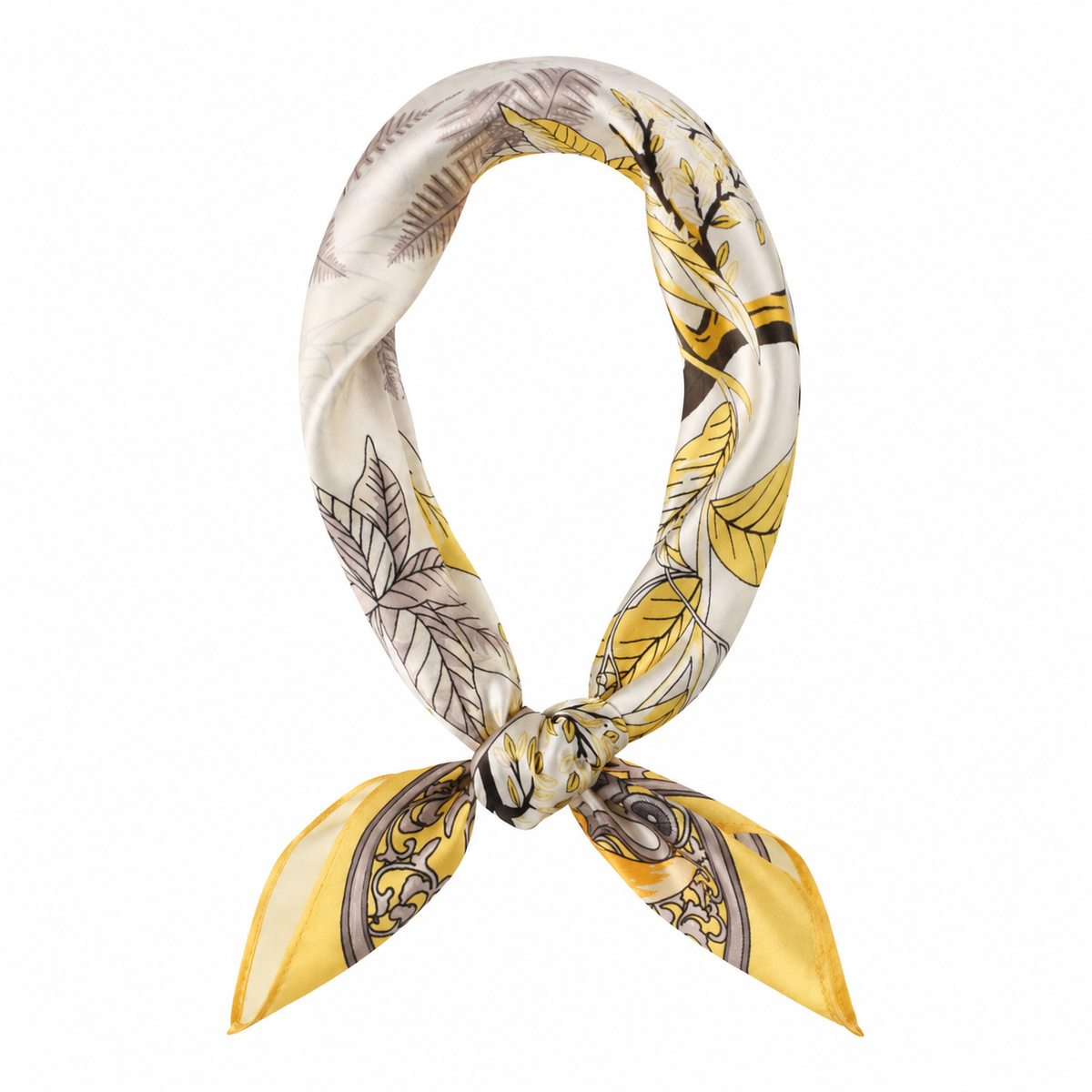
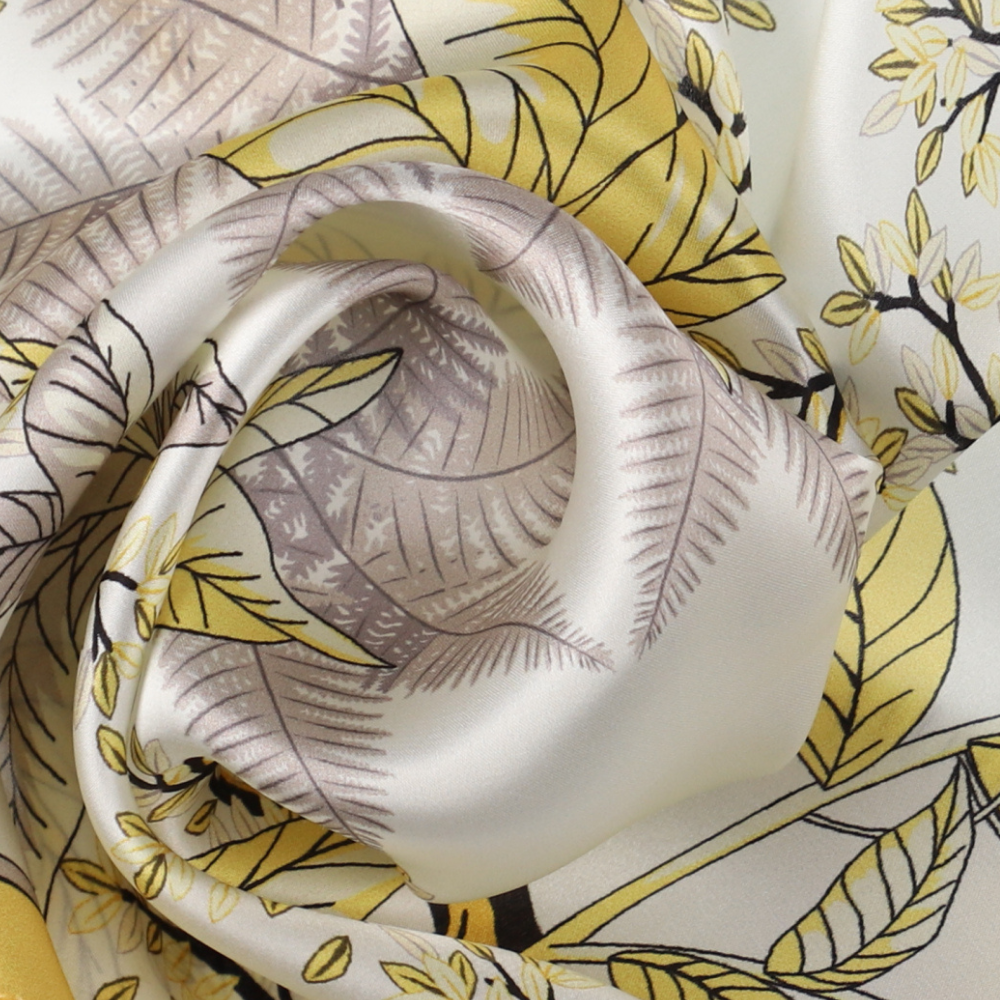
53×53 cm / 21×21 in
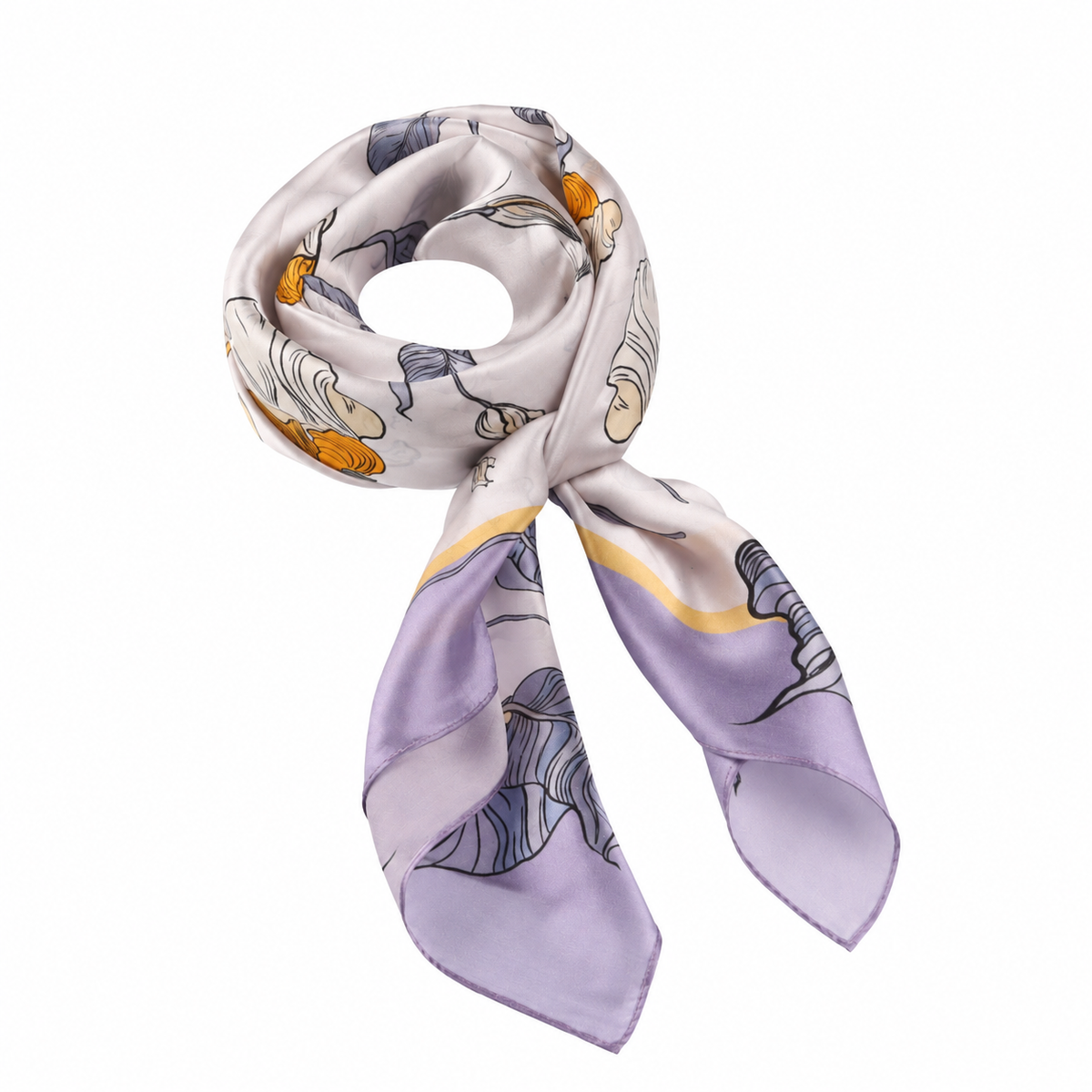
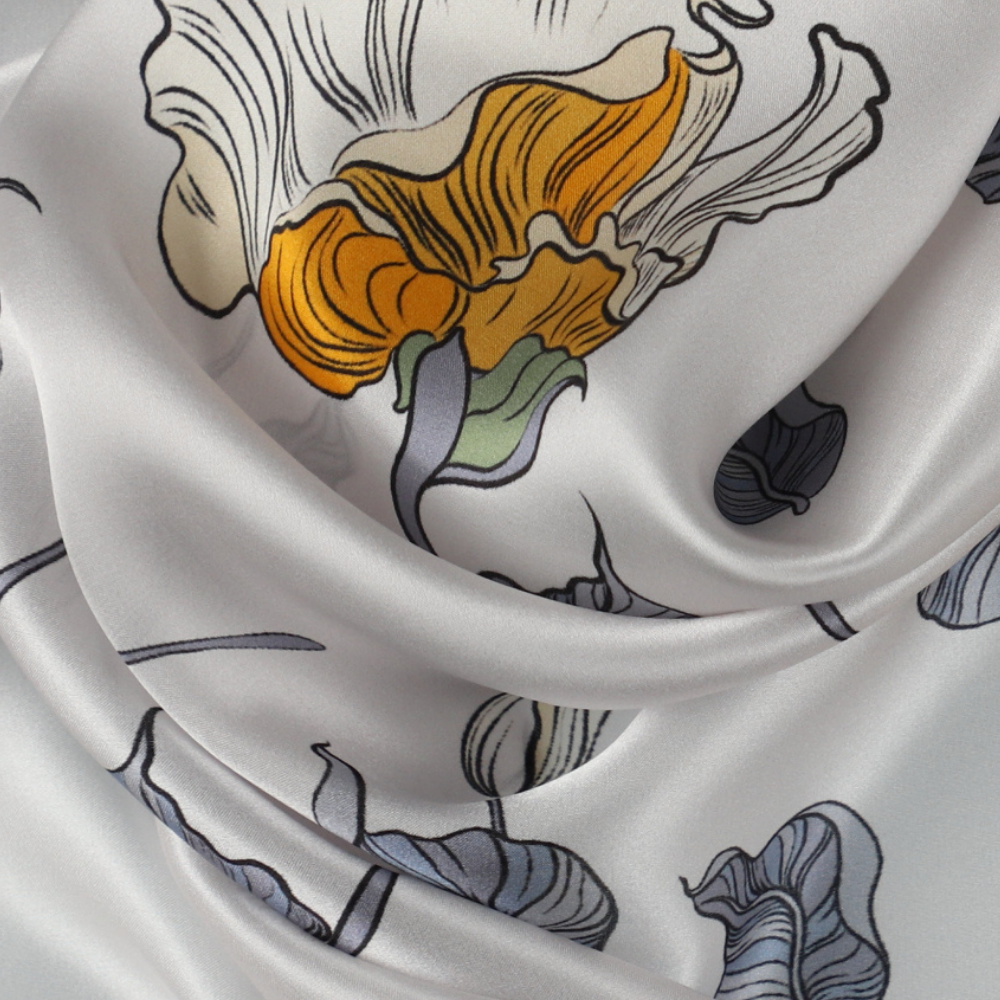
90×90 cm / 35×35 in
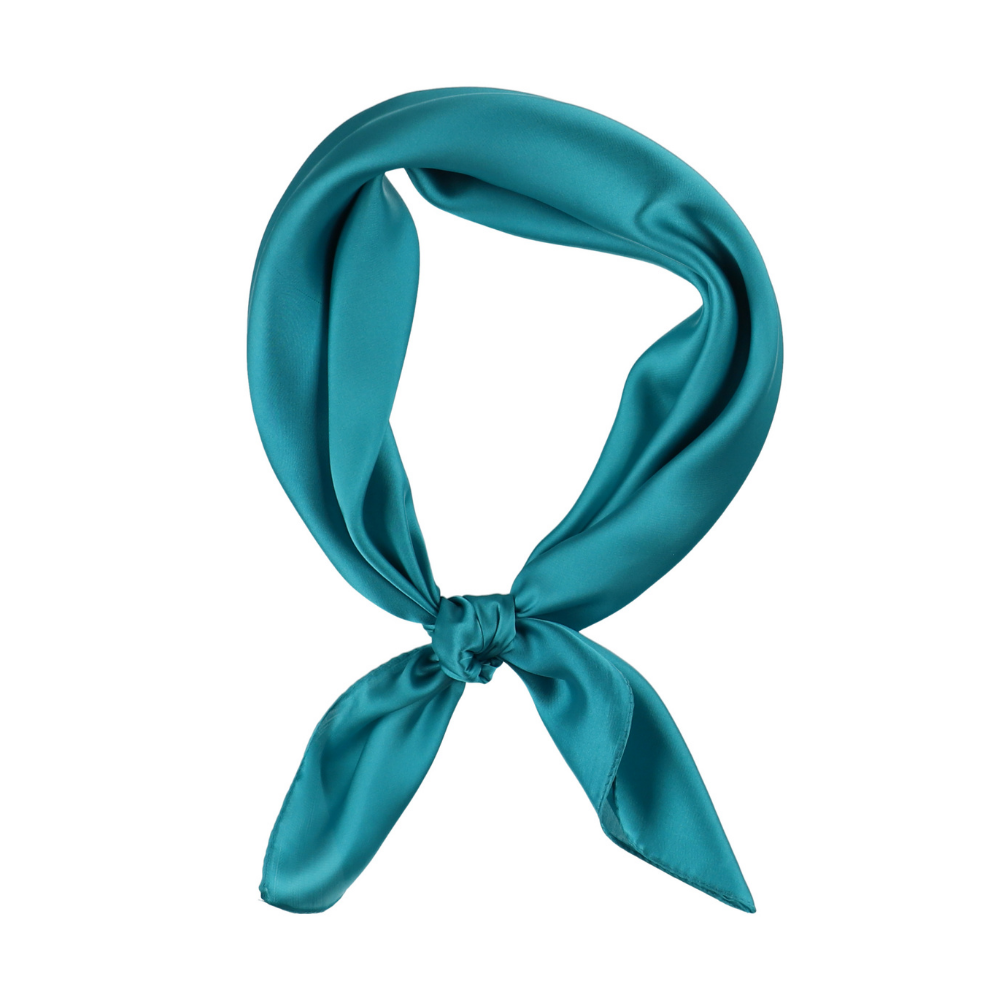
70×70 cm / 28×28 in
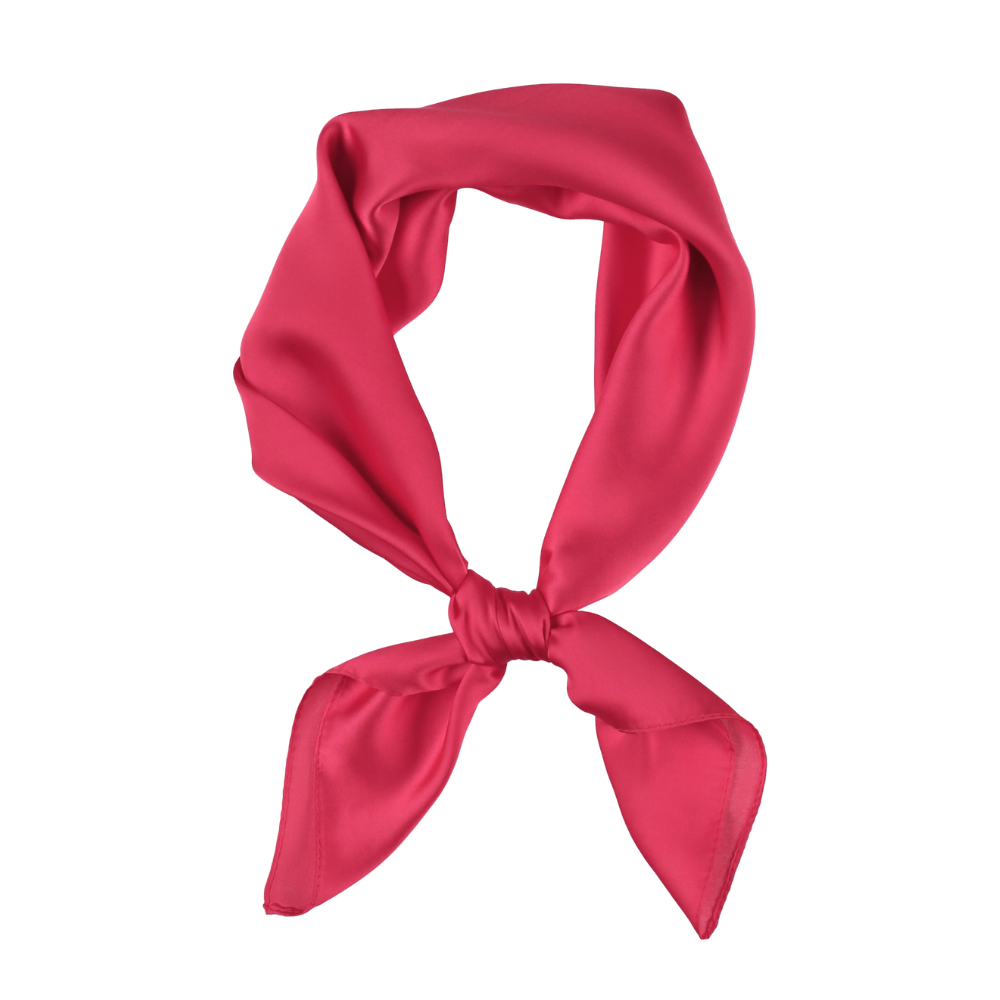
70×70 cm / 28×28 in
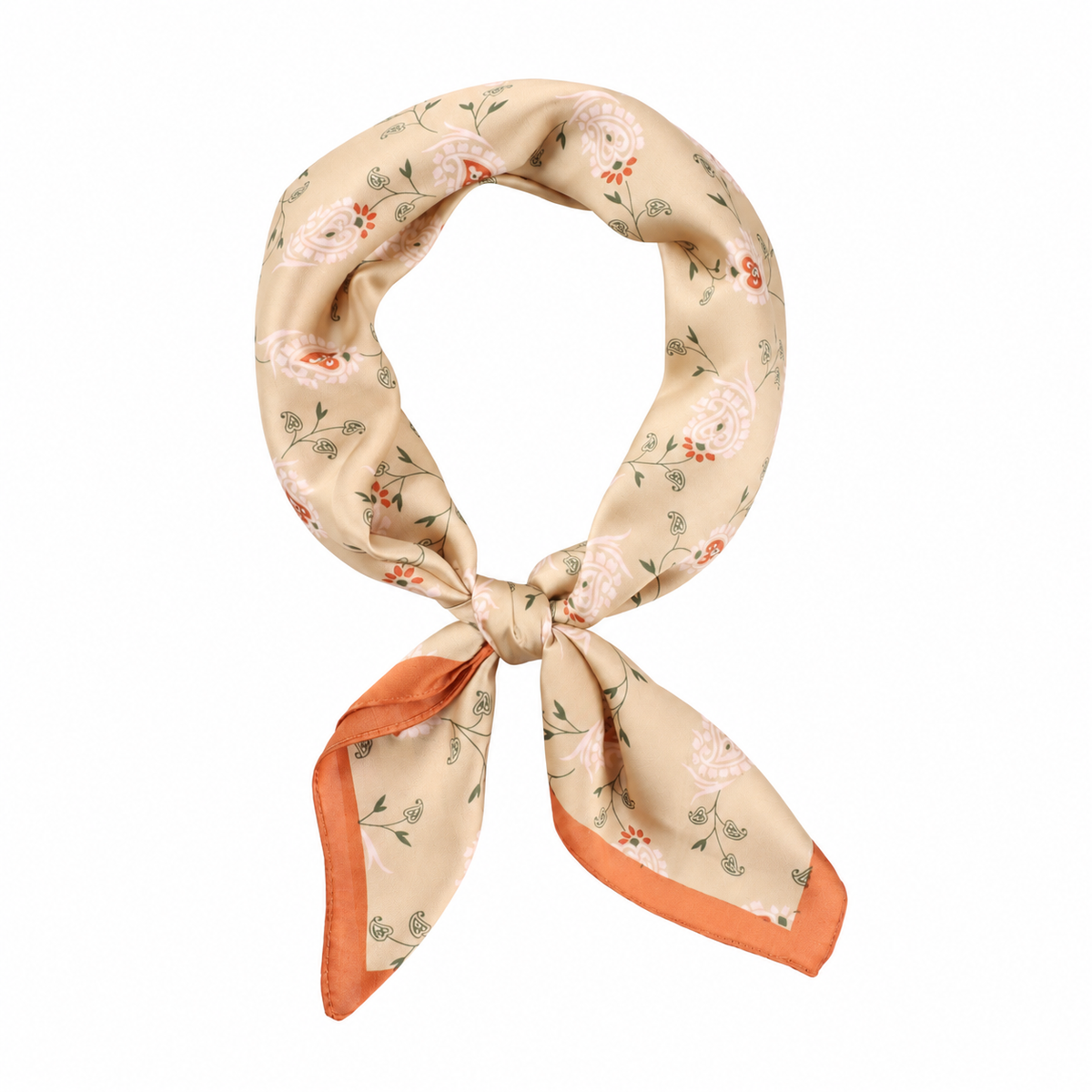
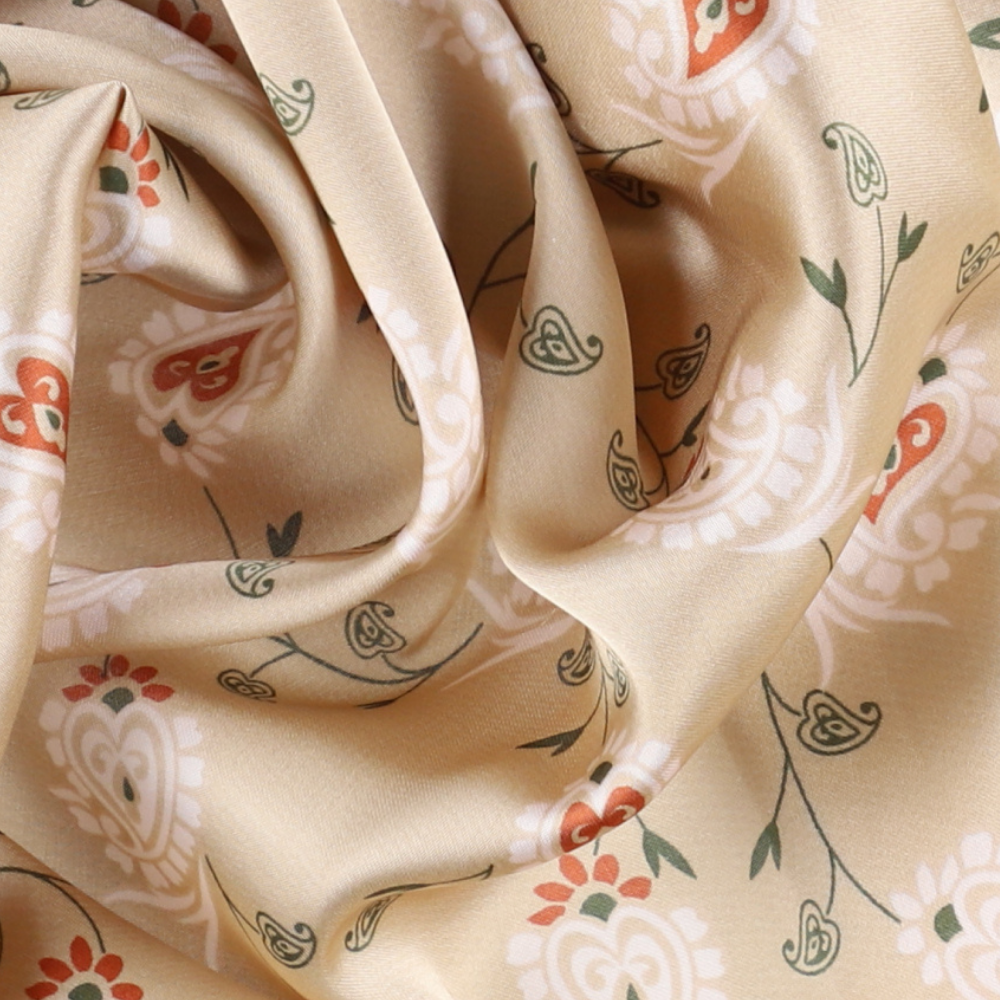
70×70 cm / 28×28 in
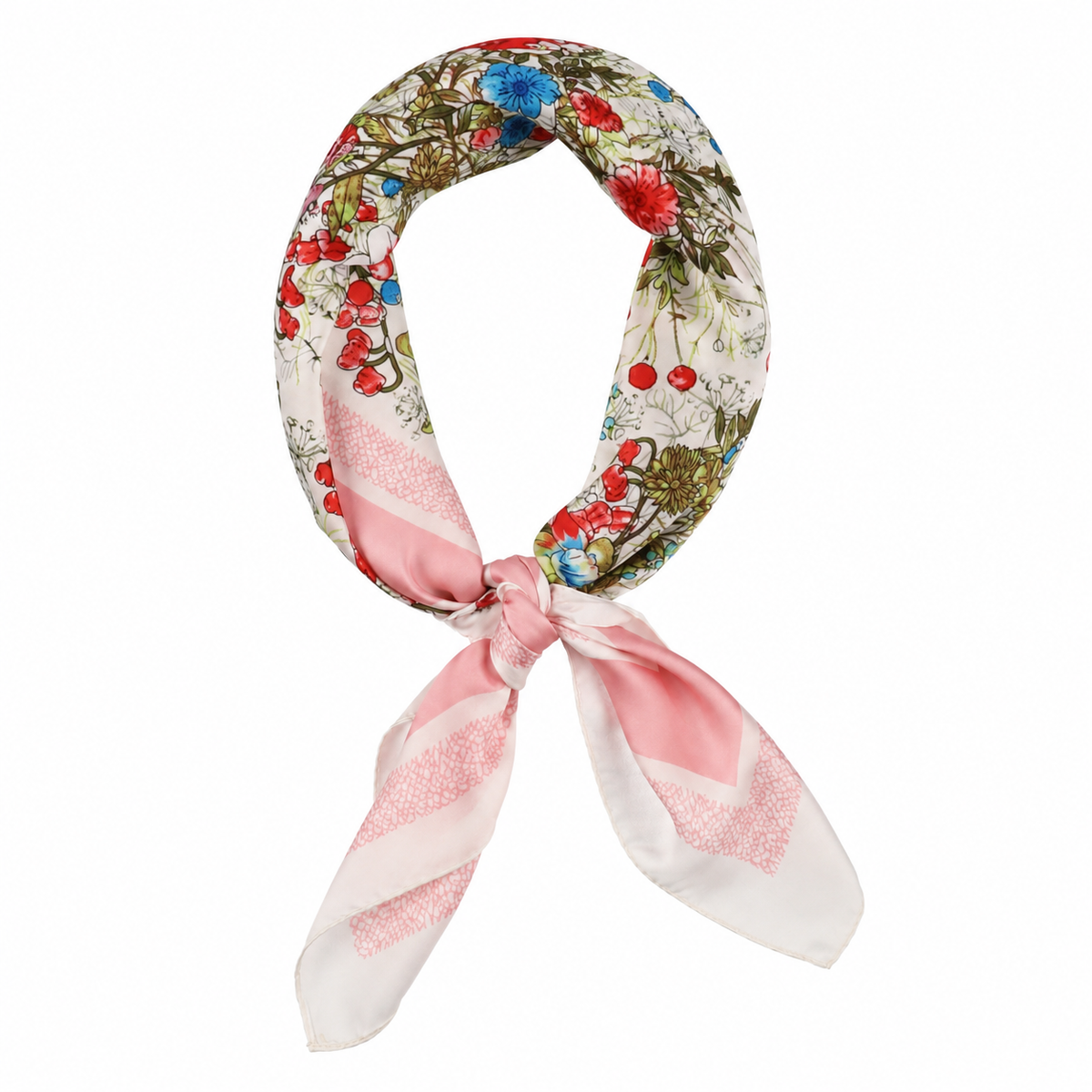
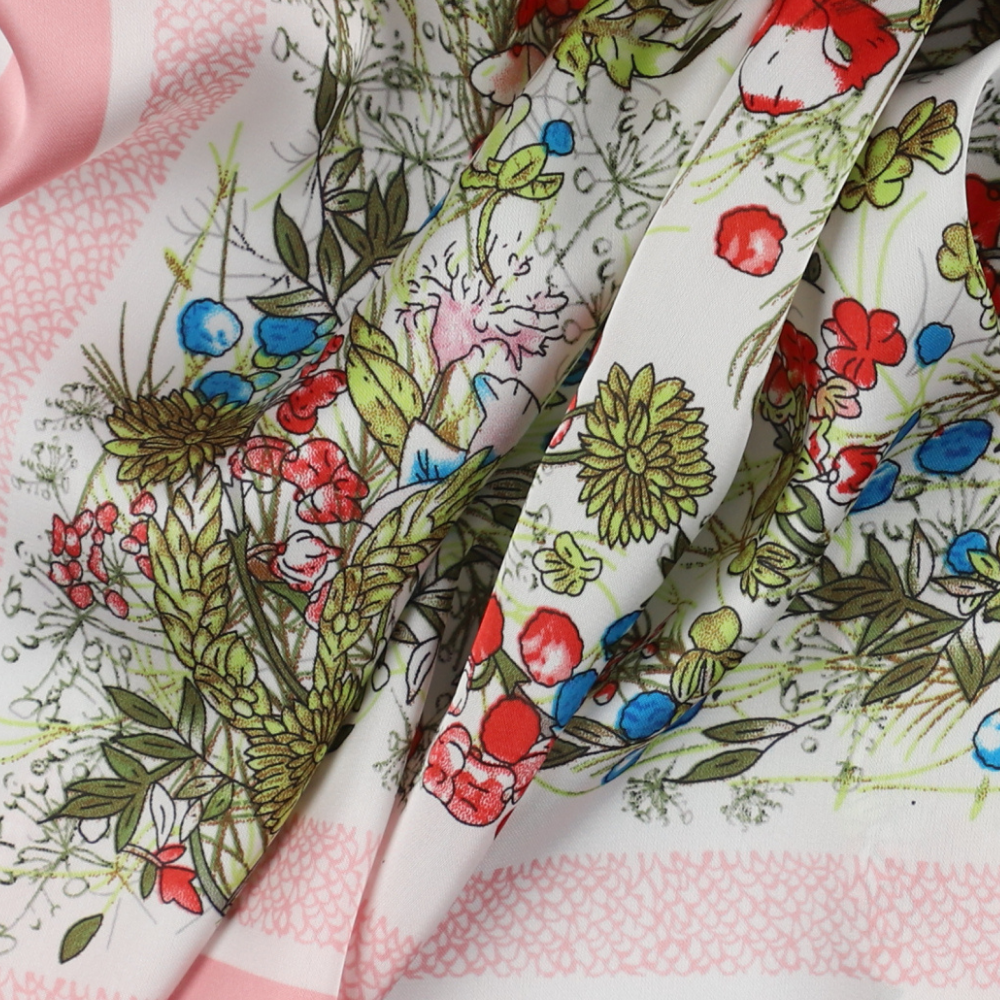
70×70 cm / 28×28 in
Square Head Scarf – How to Choose and Style It
Square Head Scarf: Quick Overview
A square head scarf is a versatile accessory - typically sized at around 50×50 cm, 65×65 cm, or 90×90 cm - designed to wrap, tie, or drape over your hair in dozens of ways. In the UniqueYou collection you will find square scarves made for wearing on the head every day and on special occasions, along with the practical details you need to pick the right one. While a square head scarf can also double as a neck scarf, a belt, or a bag accessory, the guide below focuses on how to choose and style it on your head.
Types of Square Head Scarf
Square head scarves differ mainly by size, fabric, and pattern character. Each combination changes the tying options available to you and the occasions it suits best. They can be folded into a triangle for different looks, wrapped into a turban, or styled as a sleek headband - so understanding the range helps you shop with confidence.
Small Square Head Scarf (around 50×50 cm)
A compact square scarf of about 50×50 cm - sometimes called a neckerchief - is ideal for a narrow headband, a small knot at the nape, or a bow tied around a ponytail. Common sizes for square head scarves range from 20 inches to 35 inches, and this smallest format sits right at the lower end of that spectrum. The knot stays petite and the trailing ends are short, which suits minimalist outfits and lighter hairstyles. When you take it off your head, you can quickly tie it around your neck for elegance or loop it through a bag handle - instant change of look, same accessory.
Medium Square Head Scarf (around 65×65 cm – 70×70 cm)
This is the most universal format for wearing a square scarf on your head. It gives you enough fabric for a classic babushka tie, a bandana fold, or a wide headband wrap with a knot above the forehead. Styling methods include the classic under-the-chin tie or wide headband wrap - both work effortlessly at this size. A medium square head scarf pairs naturally with everyday items like a denim jacket, a plain T-shirt, or a summer dress. You can also adjust how much material shows above your brow - subtle or bold - simply by shifting the fold line.
Large Square Head Scarf (around 90×90 cm and larger)
A large square scarf - square scarves are available in sizes like 90×90 cm - can cover most of your hair. It is well suited to full turbans, wrap-and-tuck styles with a bun, or generous head coverings on windy beach days. Larger square scarves are more suitable for full head coverings or draping, and the extra surface area means the pattern and colour become the main accent of your outfit. After you remove it from your head, a 90×90 cm piece drapes beautifully over the shoulders or folds into a classic neck scarf.
Silk Square Head Scarves
Silk is a common material for square scarves, prized for its smooth surface and gentle lustre. A silk square head scarf glides over hair with minimal friction - helpful if you have longer or more delicate strands. Woven hair accessories can be styled by incorporating the scarf into ponytails or braids, and silk's light drape makes those styles look polished. Silk square scarves can feature geometric prints and floral designs that catch light in a way no other fabric quite matches. Because of the refined finish, many people choose silk for evening events, weddings, or business occasions where a more elegant head accessory feels right. Prices for square silk scarves range from £12.99 to £165.00, so there are options at every level.
Cotton and Viscose Square Head Scarves
Cotton is a popular choice for lightweight square scarves, giving a matte finish and a bit more grip on the hair compared to silk. Viscose is used for its softness in scarves, and both fabrics work well on warm days when breathability matters. Cotton square scarves are also widely available for purchase and tend to pair easily with relaxed, casual wardrobes - jeans, knitwear, weekend layers. Look for models with understated patterns or earthy tones that you can sort into almost any outfit without overthinking the combination. Wool blends provide warmth in winter scarves, so keep that option in mind when temperatures drop.
Patterned vs. Solid Square Head Scarves
When you fold a square scarf on the diagonal, only the edges, corners, and a strip of the central motif remain visible on your head. That means the border design and any contrasting corner details will do the heavy lifting in your look. A solid navy square head scarf, for instance, can add a clean colour accent to a printed sundress, while a multicolour floral print brings life to a plain white top. Square head scarves can add color, pattern, and texture to an outfit - the key is knowing which part of the pattern will show once the scarf is tied.
What to Look For in a Square Head Scarf
Before you click "add to cart," check four things: size, fabric, edge finish, and how the colour sits next to items you already own. Each detail shapes comfort and appearance more than you might expect.
Size and Proportions
The three standard formats - roughly 50×50 cm, 65×65 cm, and 90×90 cm - translate directly into how much material you have to work with on your head. Shorter hair and low buns usually need only a smaller format; long, thick hair or a full turban style calls for the 90×90 cm piece. Pay attention to how the fabric settles along your hairline and at the nape - it should leave a comfortable amount of ease without bunching.
Fabric and Comfort
Cashmere is often used in high-quality scarves that feel luxurious against the skin, while silk offers smoothness and a subtle sheen. Cotton and viscose blends give more grip and tend to stay put without pins. Many square scarves come in lightweight materials suitable for summer, but thicker weaves work better for cooler days and looser wraps. Always check the composition in the product card for the exact fibre breakdown.
Edges and Finish
The way the edges are finished - rolled hems, flat stitching, or fine fringe - affects how the scarf lies against your forehead and behind your ears. Soft, smoothly finished borders are more comfortable for all-day wear and create cleaner knots. When browsing the shop, zoom in on the product photos to see the hem style before deciding.
Colour and Pattern Placement
Square scarves can complement both casual and formal outfits, but the colour that lands closest to your face matters most. Choose a shade that flatters your complexion or echoes something you already love - a favourite lipstick tone, your go-to sunglasses frame, a signature coat colour. A bold, contrasting print will draw attention immediately; a quieter pattern simply rounds off the look.
Season and Use Context
On hot days, pick a thin, light-coloured scarf that won't trap heat - this is the sweet spot for cotton and fine viscose. In spring and autumn, richer hues like burgundy, forest green, or deep navy in a slightly fuller weave add warmth without weight. If you plan to wear the same square head scarf as a neck scarf on cooler evenings, choose a pattern that reads well both at the hairline and against a neckline.
How to Choose the Right Square Head Scarf
Narrow the decision down to a few criteria and the right pick becomes obvious:
Intended Style and Occasion - For everyday looks (jeans, sneakers, a relaxed blazer), reach for soft cotton or viscose pieces you can quickly fold into a bandana or headband. For a formal event or business setting, a silk square head scarf with a refined print delivers polish instantly. Square scarves can be used to create a variety of looks for different occasions, so matching the fabric to the moment is the simplest sorting rule.
Hair Length and Preferred Tying Method - Short hair or a low knot pairs well with a 50–65 cm format and straightforward ties. Longer, fuller hair - or a wrapped turban style - is easier to manage with a 90×90 cm piece that gives you room to tuck and secure. Square scarves can be styled as hair accessories, including woven into braids or ponytails, which also works best with a mid-to-large size.
Comfort and Season - Light, smooth fabrics suit warm months and extended wear; slightly denser weaves belong to transitional seasons when the scarf also shelters your head from wind. A square head scarf can be worn as a head wrap, neck scarf, or hair accessory - so comfort across hours of wear is worth prioritising.
Colour Palette in Your Wardrobe - Check whether the scarf echoes at least one colour from your favourite coat, blazer, or handbag. That single overlap makes it far easier to integrate the accessory day after day. Square scarves can be used as a belt or bag accessory too, so a colour that works across contexts extends your options.
Versatility Beyond the Head - If multi-use matters to you, pick a size and pattern that look equally good tied at the neck, looped through a tote handle, or knotted on the wrist. A square scarf that can change roles in seconds is the one you will reach for most often.
Frequently Asked Questions
Below are the questions that come up most often when choosing a square head scarf.
What size square head scarf is best for everyday wear?
For daily use, a medium square scarf of about 65×65 to 70×70 cm is the safest bet. It gives you enough fabric for a bandana, a headband, or a babushka tie without excess bulk. Smaller formats around 50×50 cm work for delicate headbands and pinned-up hair, while 90×90 cm pieces are the go-to when you want to cover more hair or build a full turban.
How do I keep a square head scarf from slipping off my hair?
Start with materials that have a bit more texture - cotton, viscose, or blended fabrics grip hair better than pure silk. Tie the scarf on dry hair and tuck a couple of flat pins discreetly under the fabric at the nape or behind the ears. If you prefer silk, knot it a touch tighter or pair it with a thin elastic headband underneath for extra hold.
Can I wear the same square scarf on my head and around my neck?
Absolutely. Many UniqueYou models are designed to look polished both as a head scarf and as a classic neck scarf. Medium and large formats offer the most flexibility here; just check how the pattern reads at your neckline versus at your hairline before you decide. A tied square scarf around the neck adds elegance in seconds.
Which fabrics are the most comfortable for sensitive skin on the scalp?
Smooth, natural fibres tend to feel kindest - silk and soft viscose are popular choices for sensitive skin. Always check the full composition in the product card and consider wearing the scarf for a shorter stretch first to see how your skin responds before committing to all-day use.
How do I wash and care for a square head scarf?
Care depends on the fabric. Silk usually calls for gentle hand washing in cool water (around 30 °C or below) with a mild detergent, then flat drying away from direct sunlight. Cotton and viscose pieces often tolerate a slightly wider range of care, but always follow the label on the specific product. Proper washing preserves colour depth and shape - especially important for a scarf you tie tightly around your head on a regular basis.
Explore Square Head Scarves at UniqueYou
Start by deciding how you want to wear your square head scarf - headband, turban, or bandana - then match the size and fabric to your wardrobe and lifestyle. Every product page in the UniqueYou collection lists exact dimensions and composition, so you can sort through the options with confidence. Browse the range and see which patterns play best with your favourite coat, summer dress, or simple jeans-and-tee combination.
FINEST MATERIALS
Softness, comfort and attention to detail.
Express Delivery
Within 24 hours by courier to your home or a pickup point.
EASY RETURNS
Shop with confidence, with the option to return.
SECURE PAYMENTS
Choose your preferred payment method.