
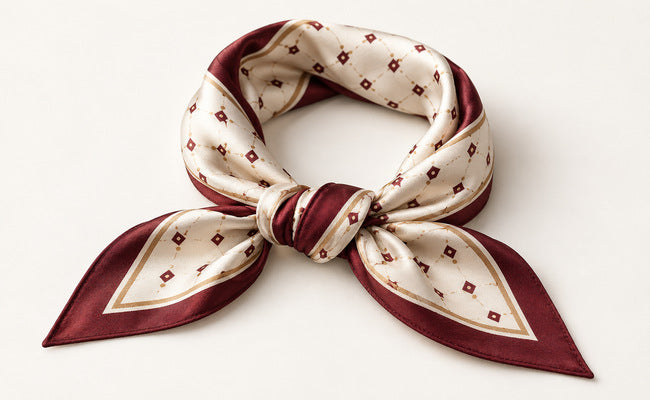

Shawls for the head
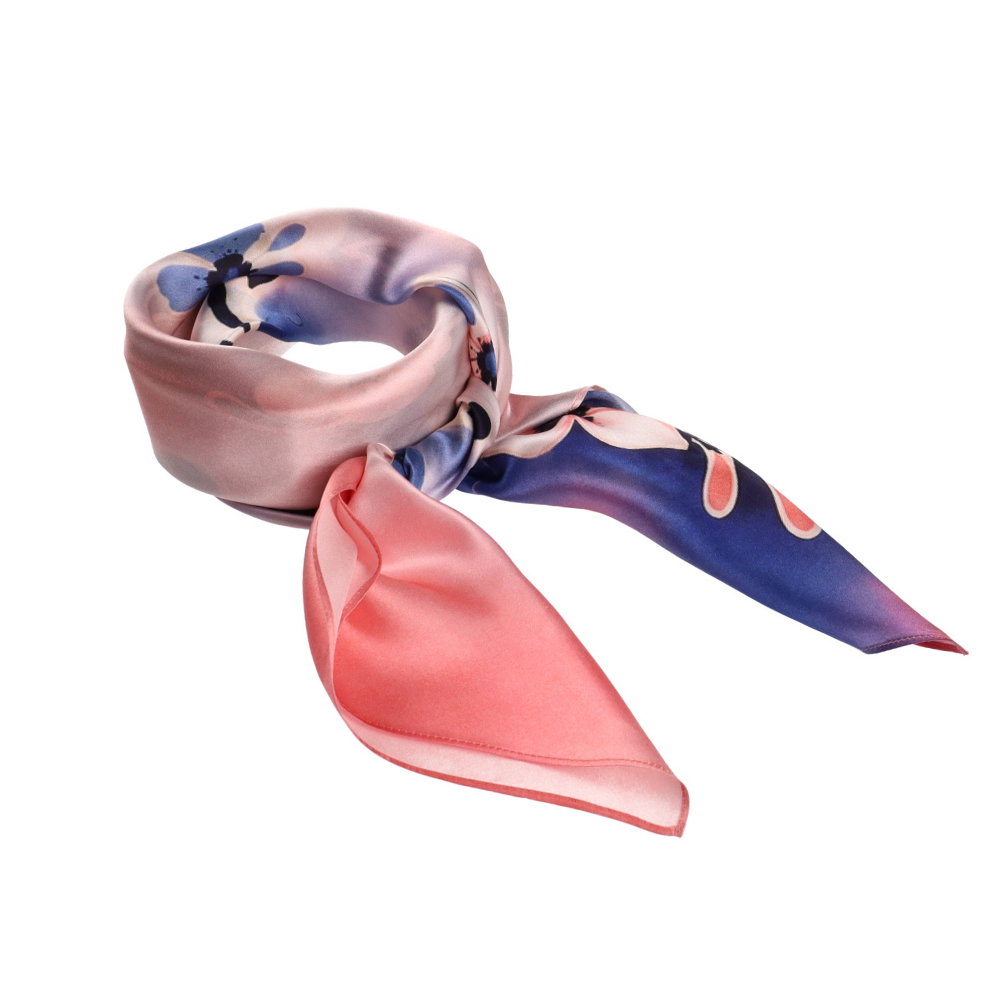
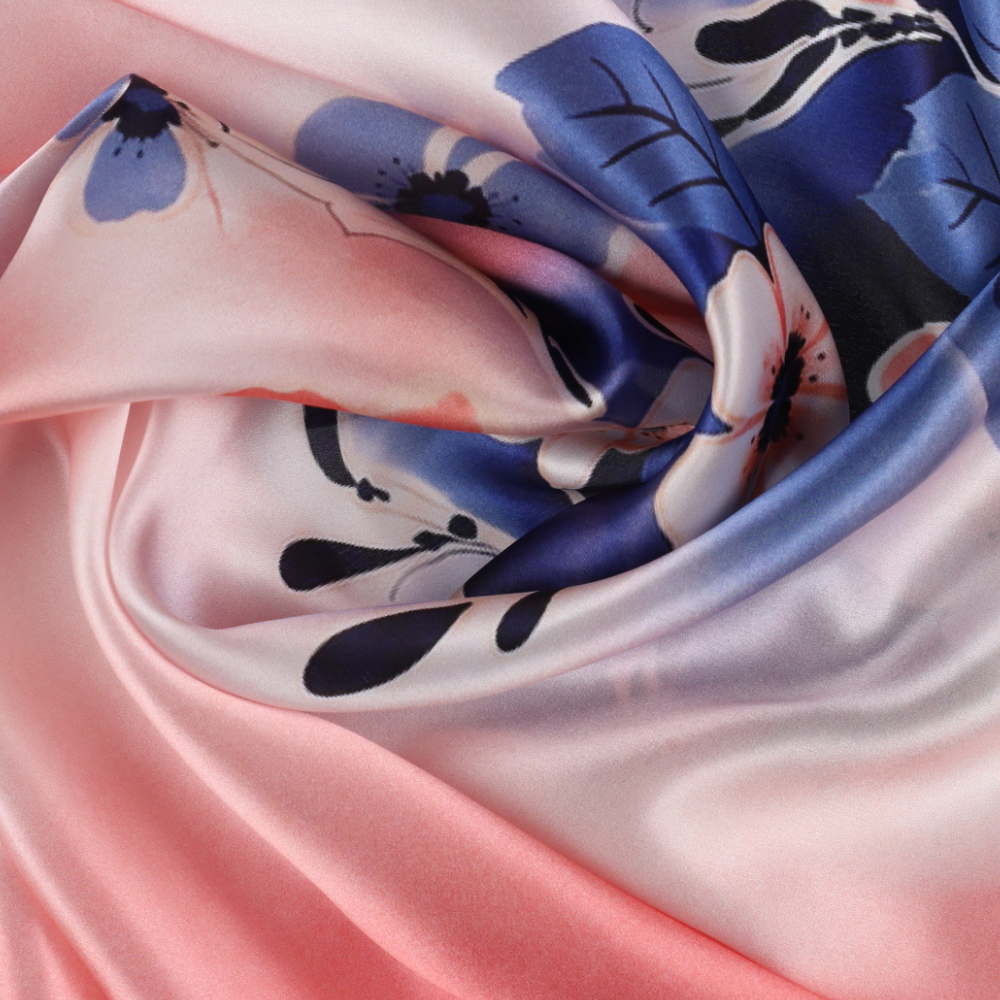
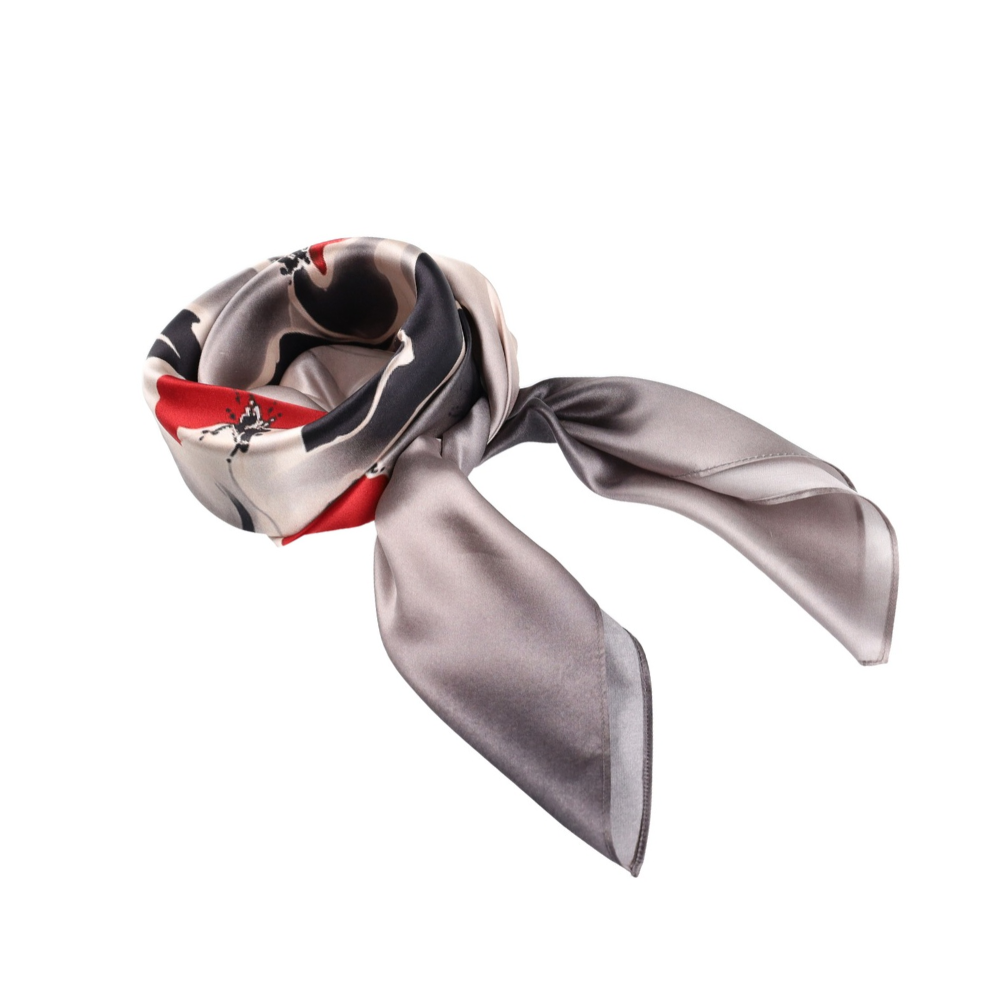
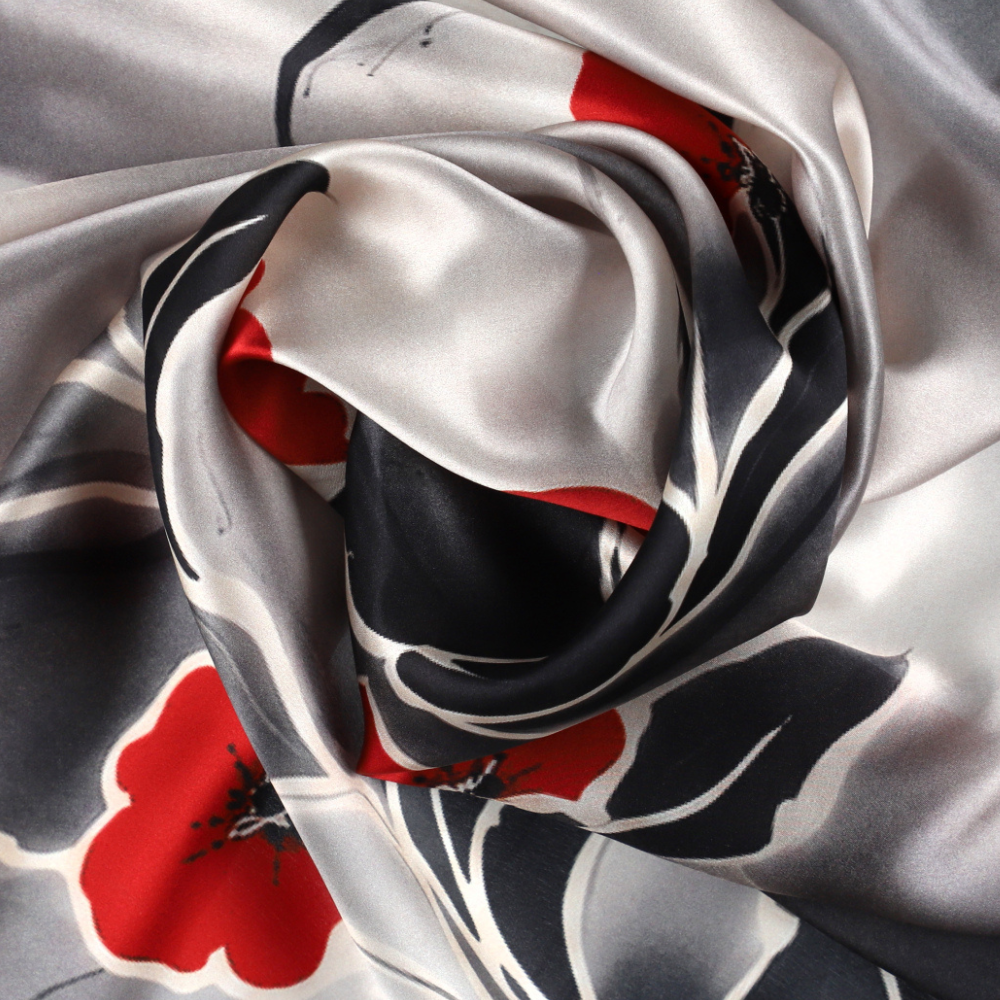
90×90 cm / 35×35 in
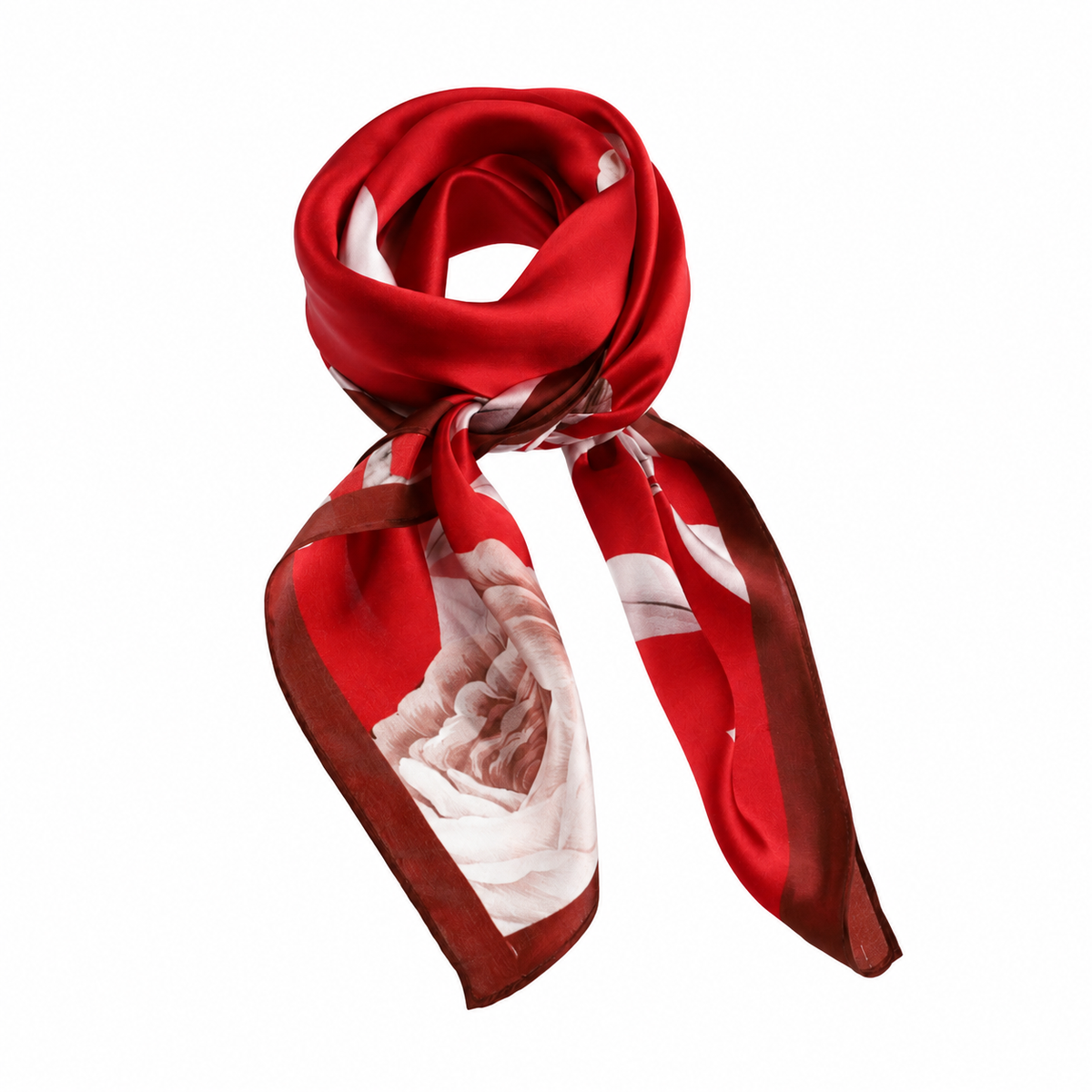
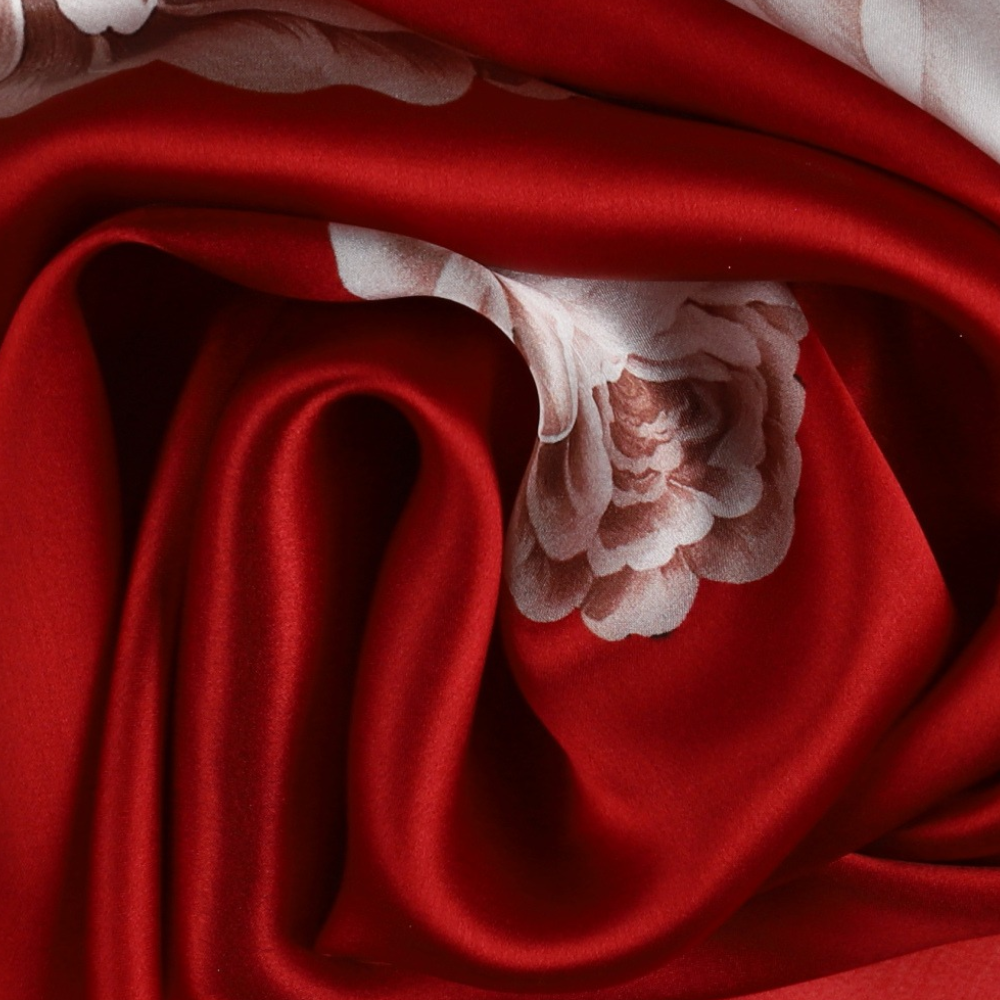
90×90 cm / 35×35 in
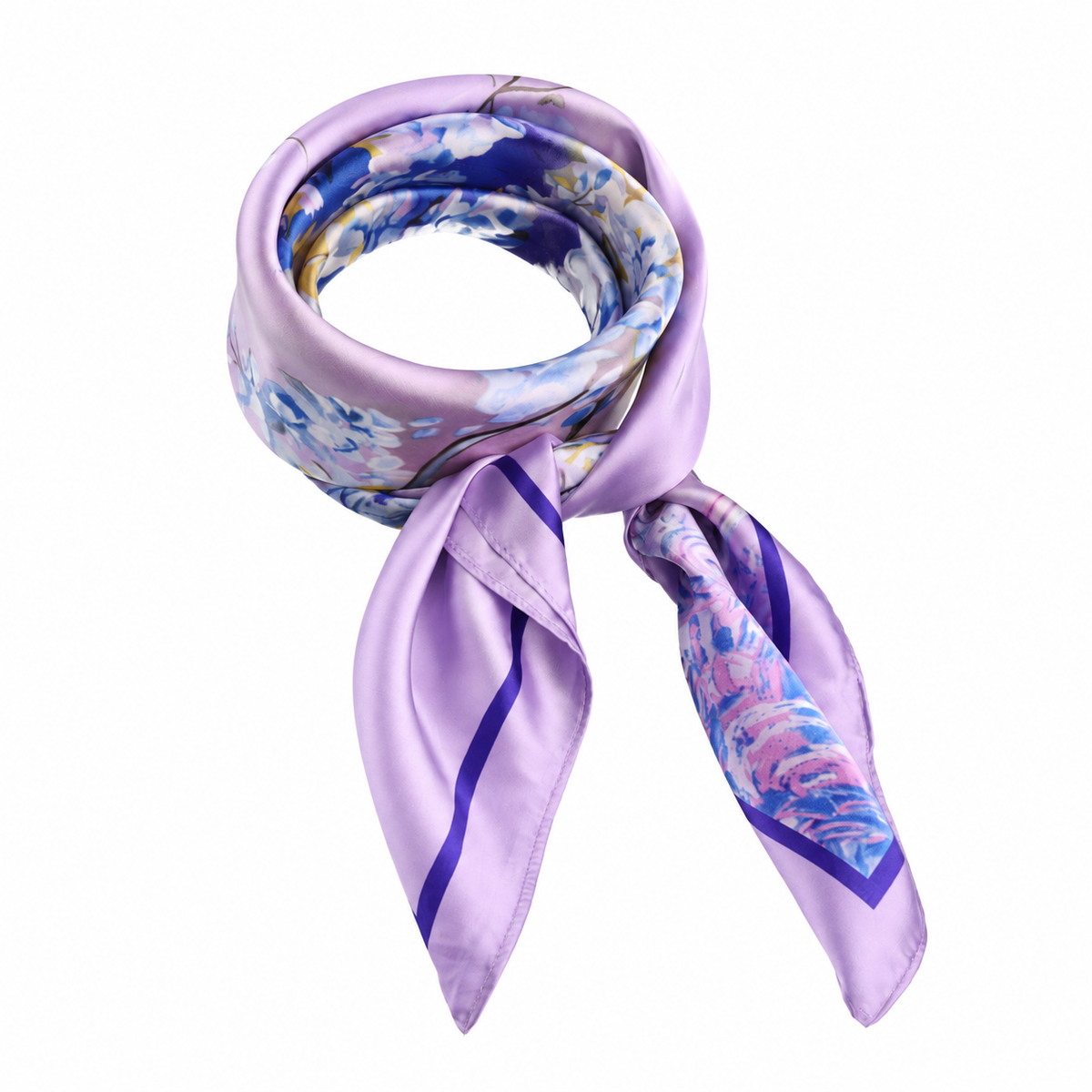
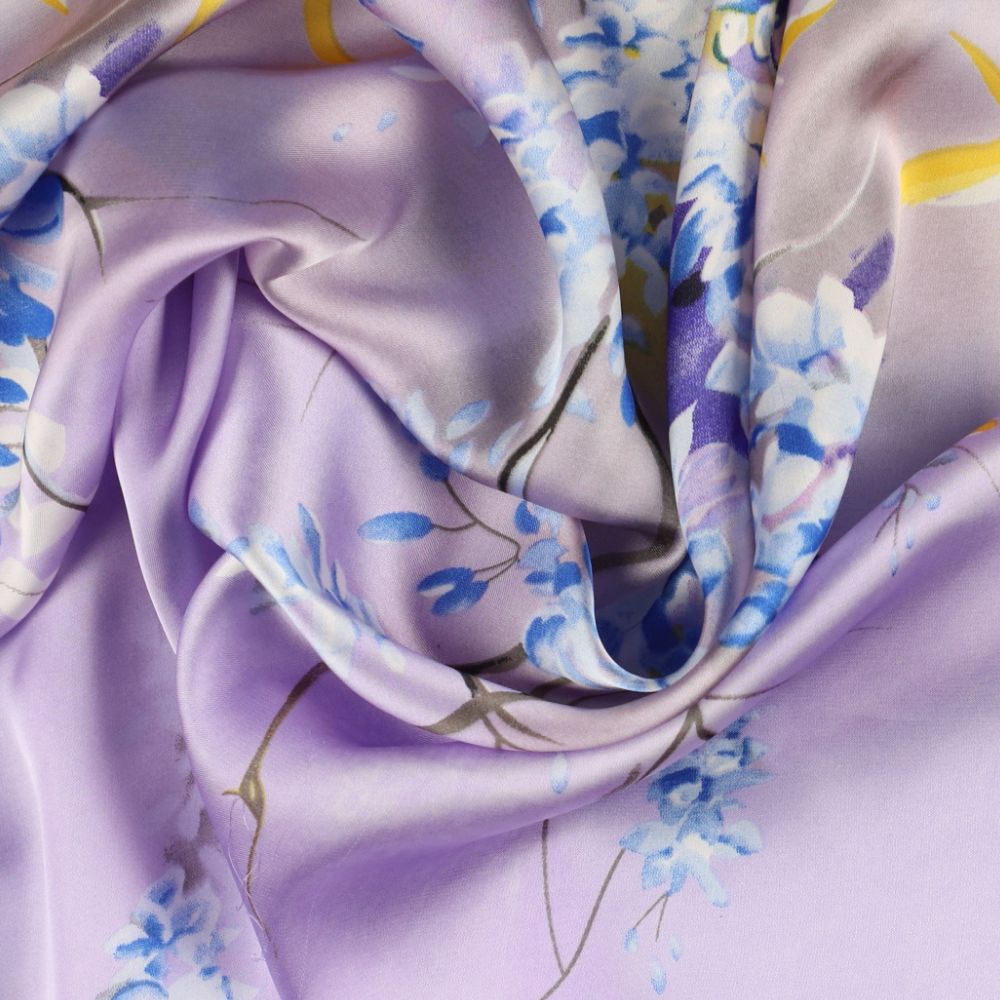
90×90 cm / 35×35 in
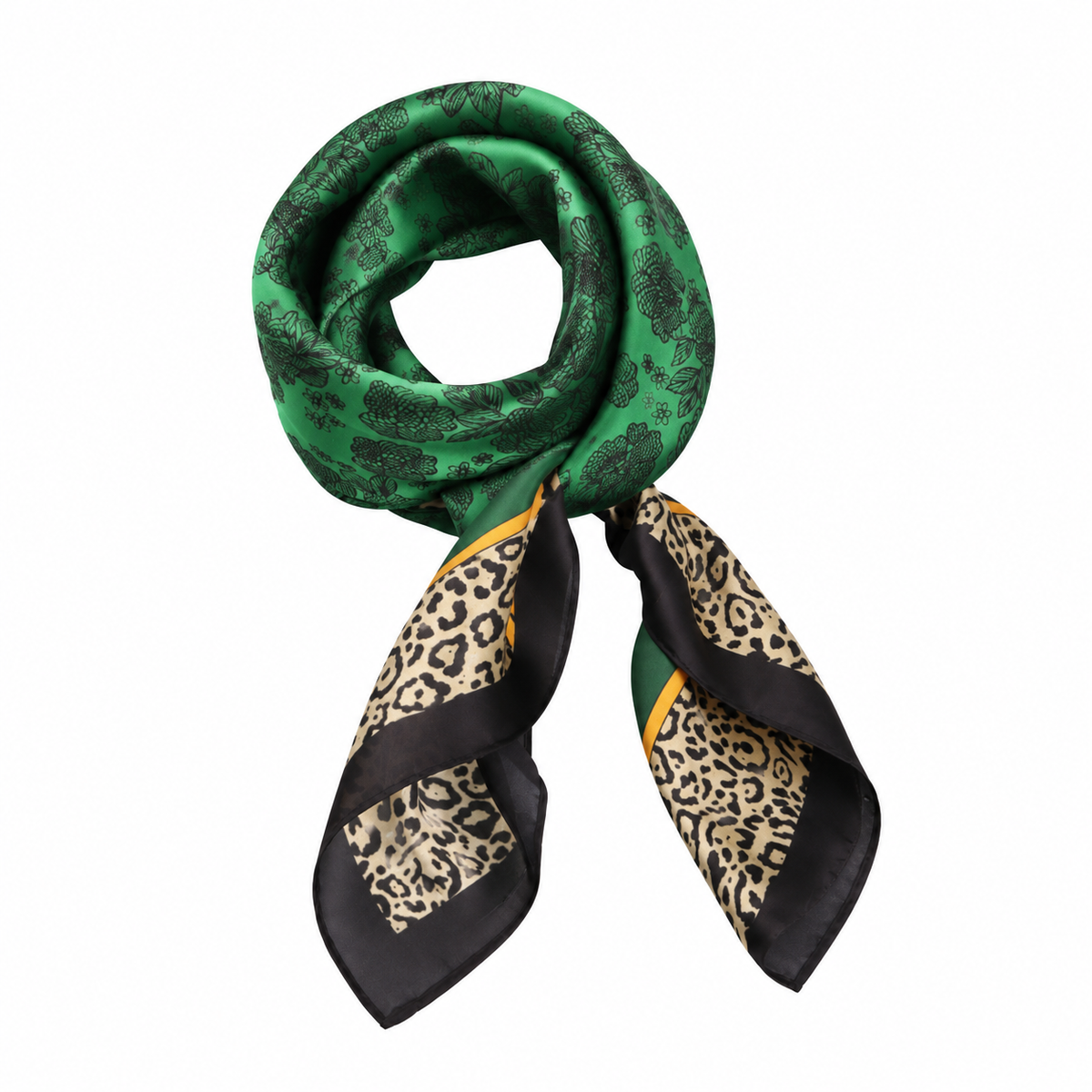
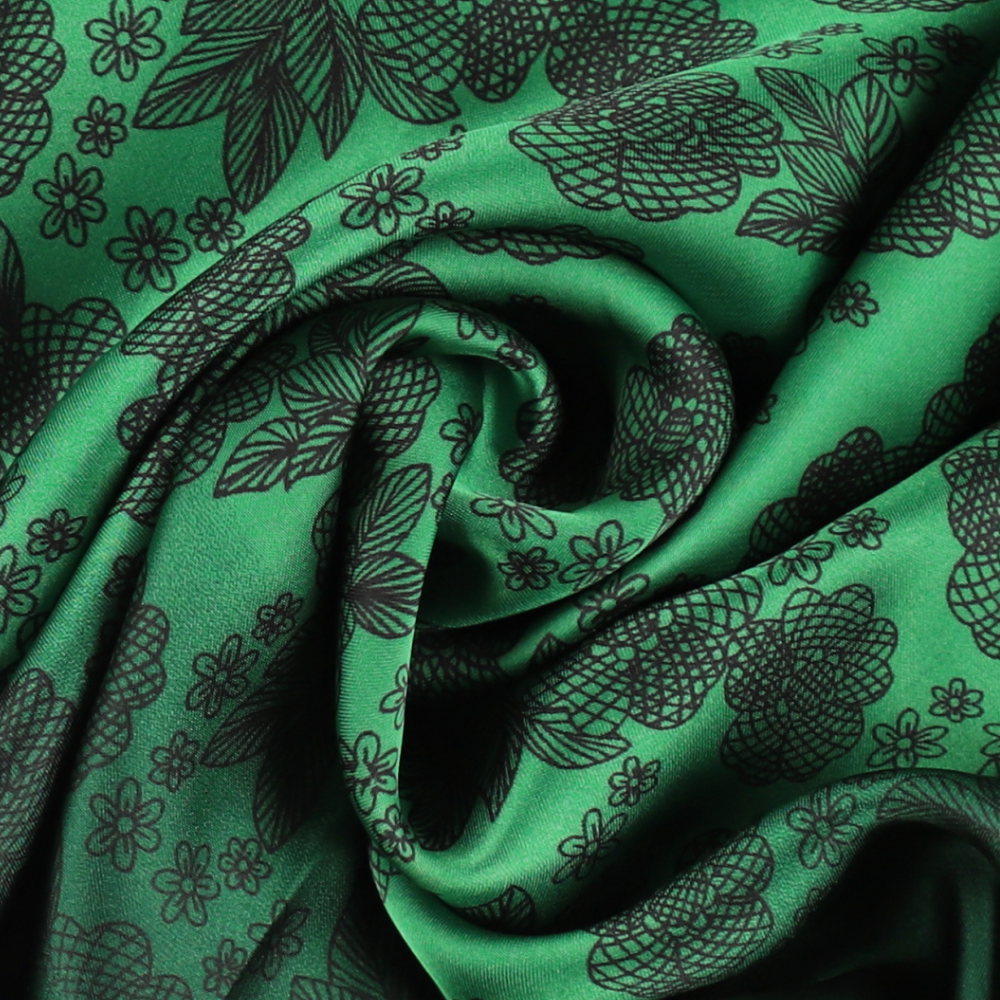
90×90 cm / 35×35 in
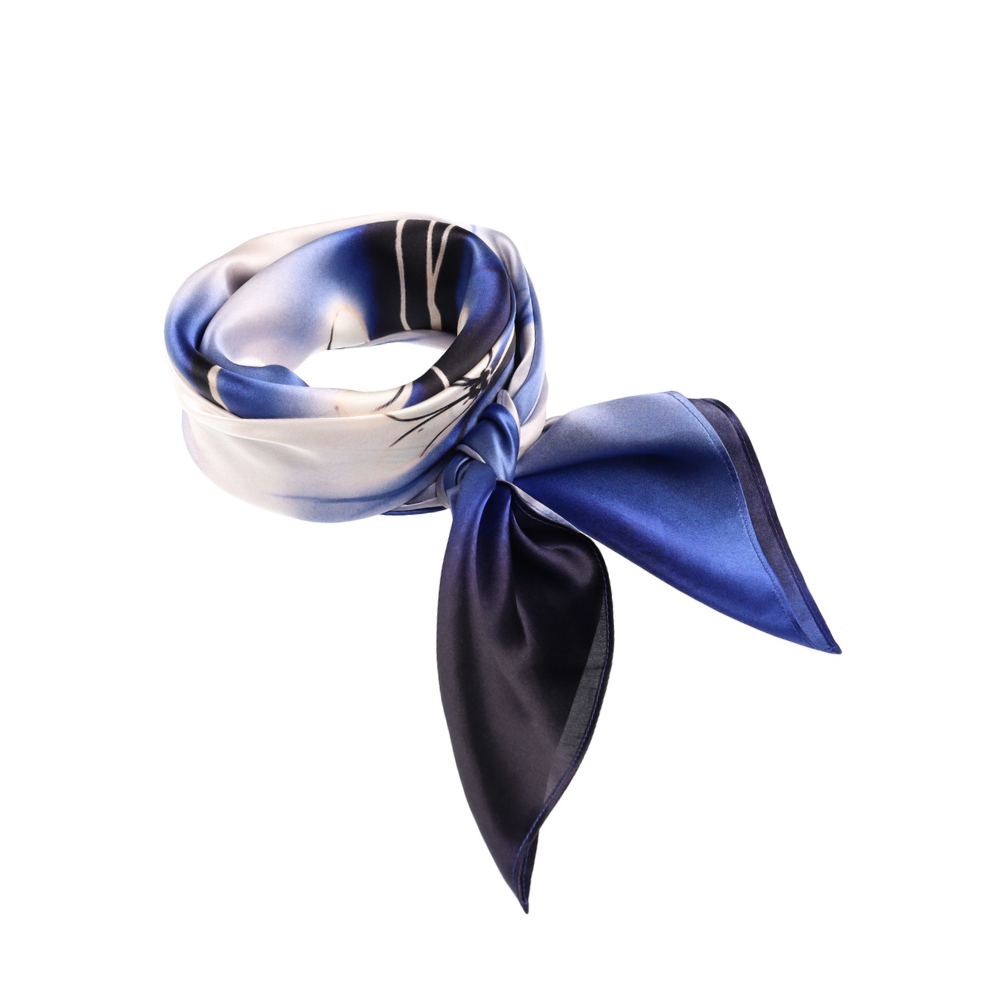
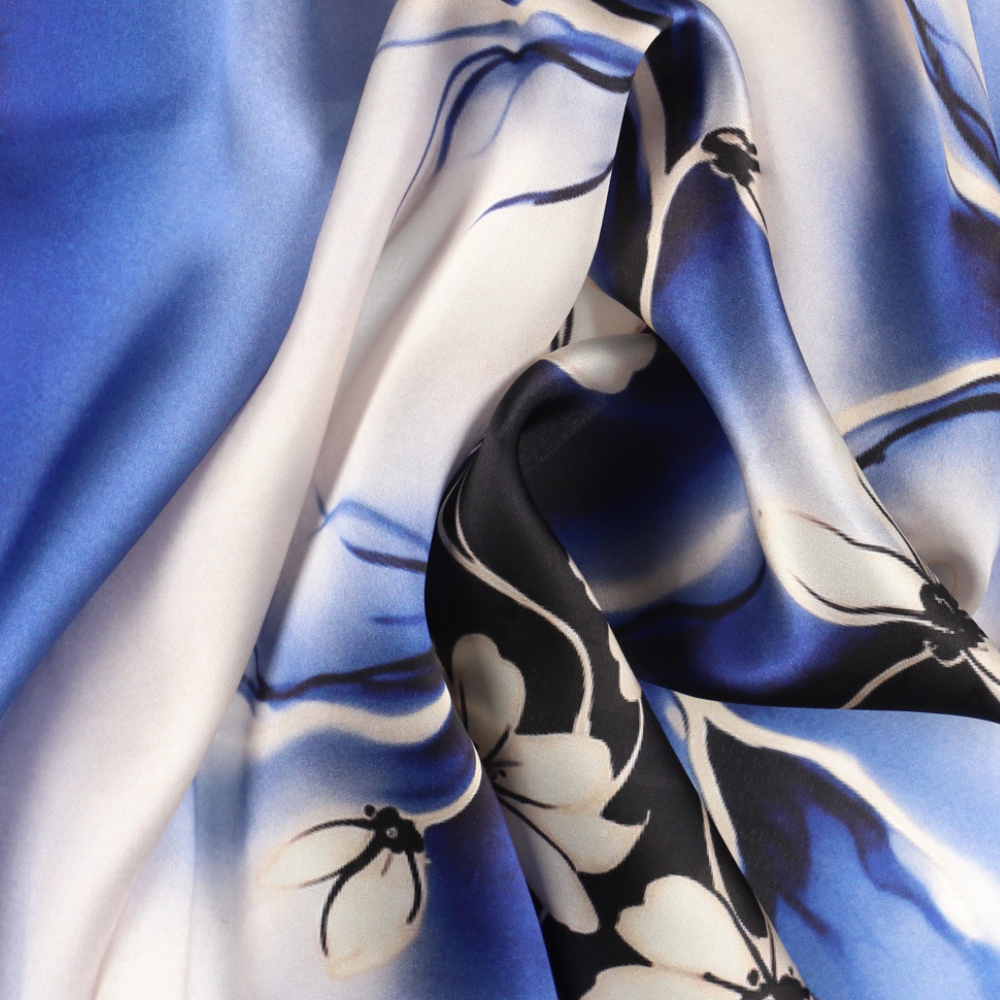
90×90 cm / 35×35 in
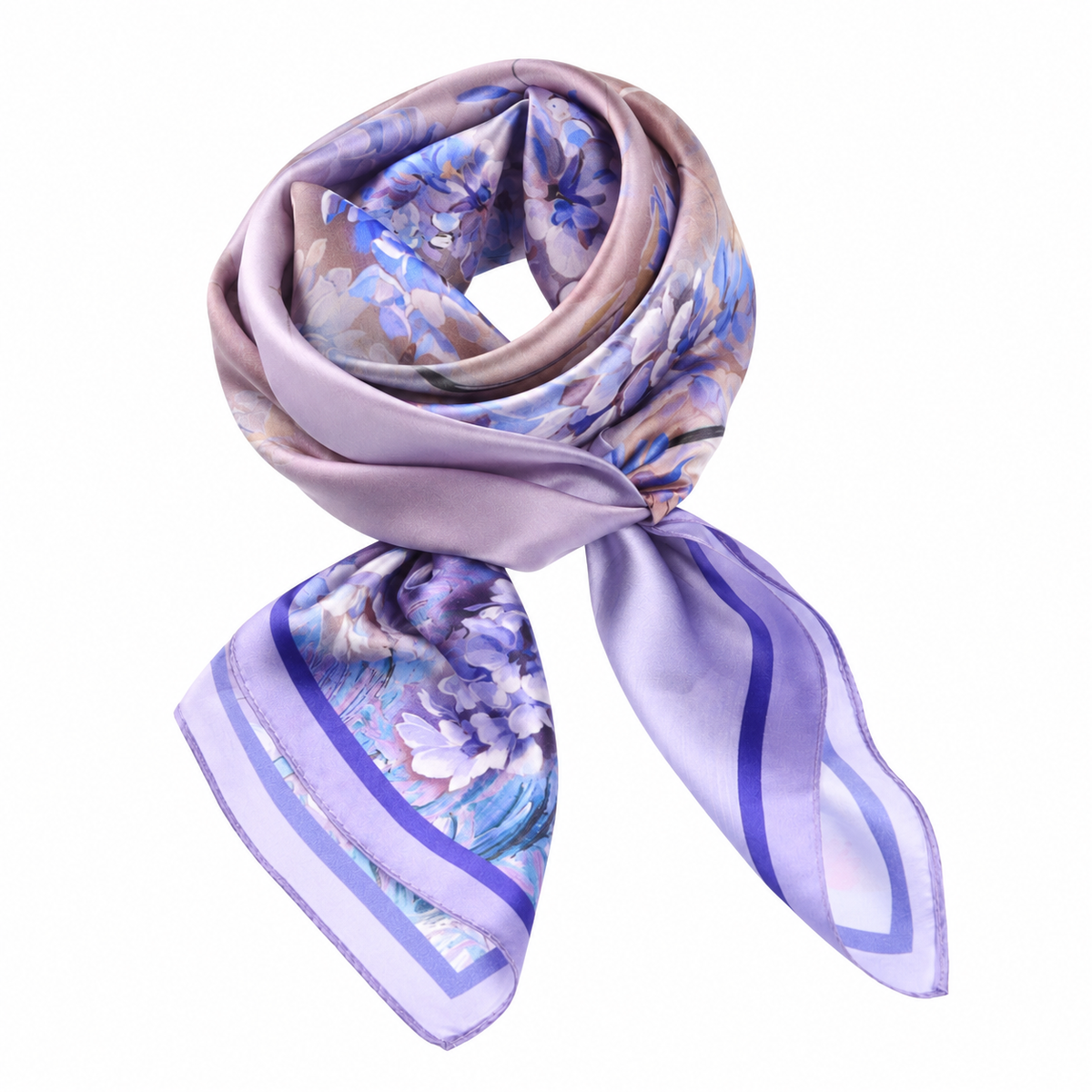
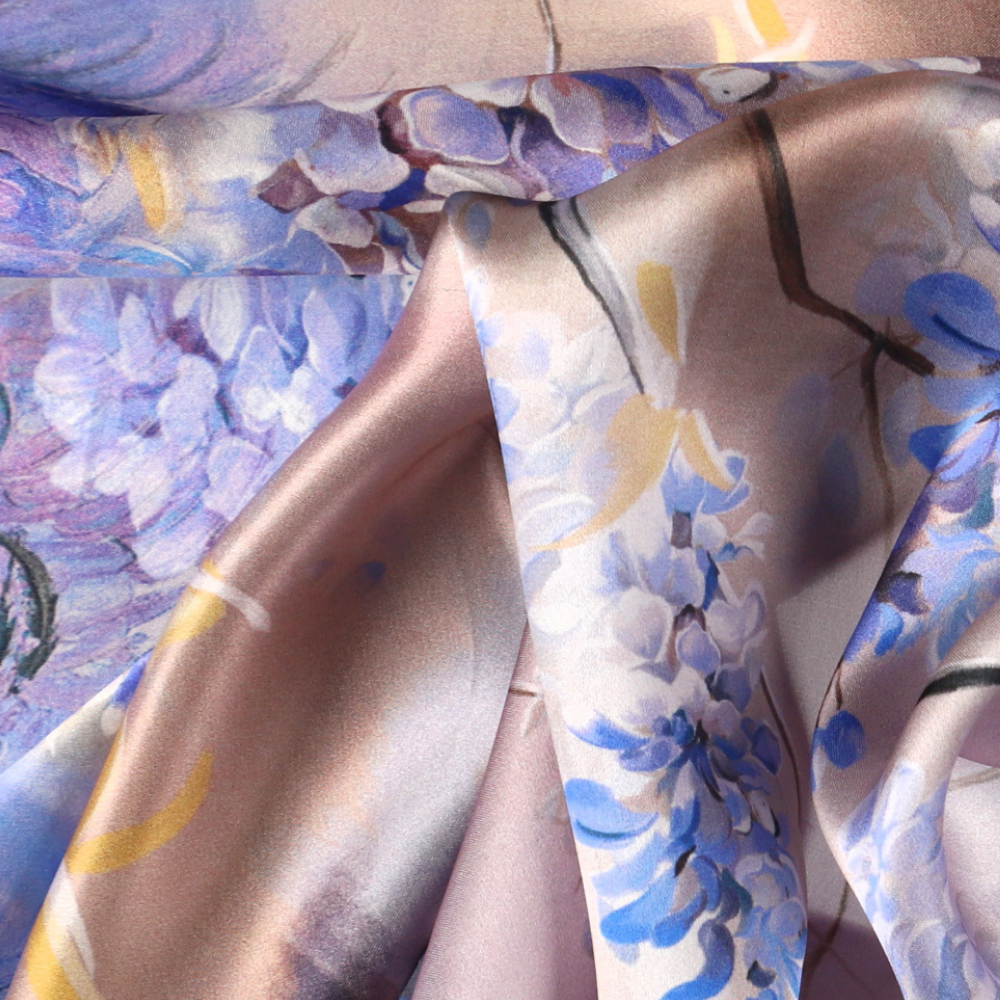
90×90 cm / 35×35 in
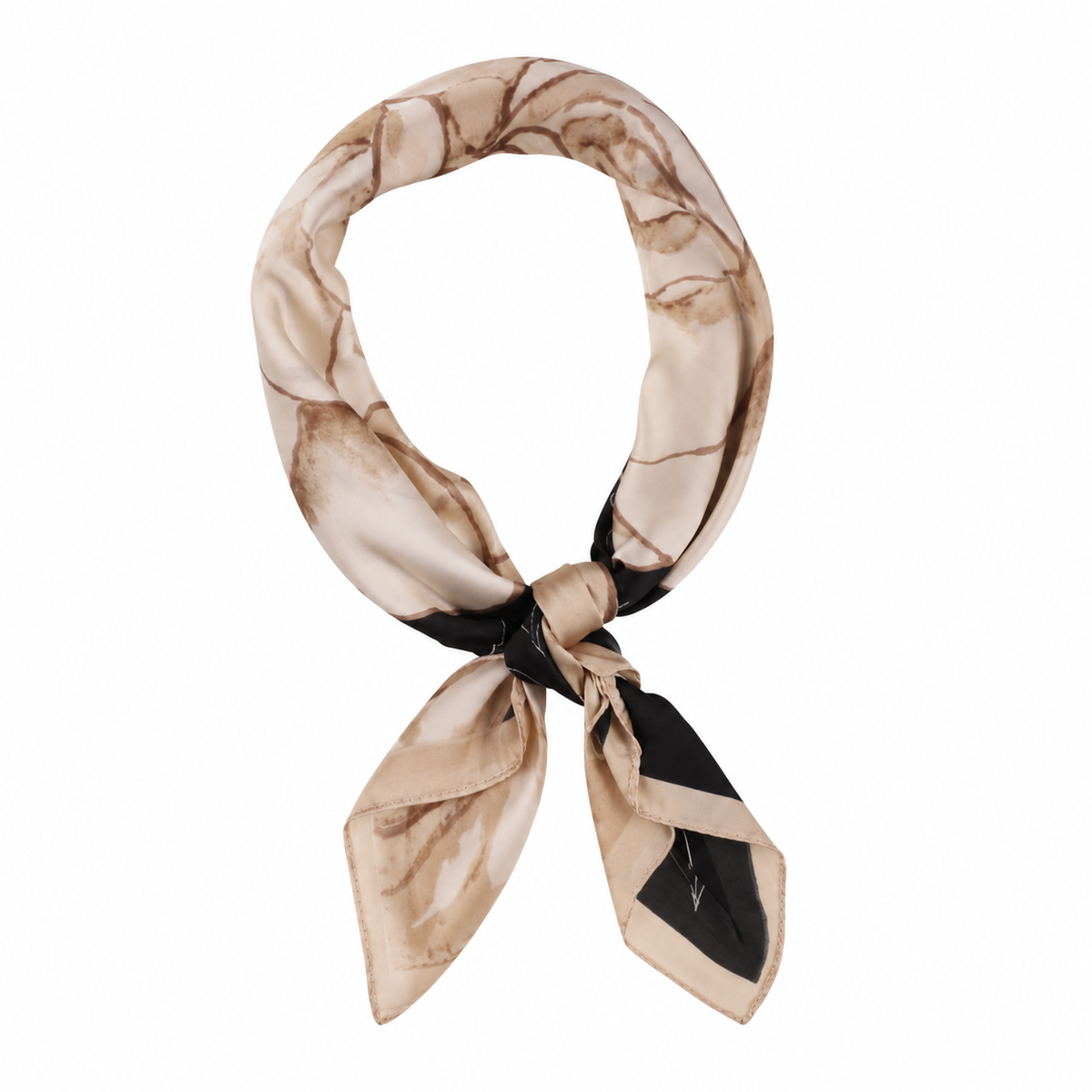
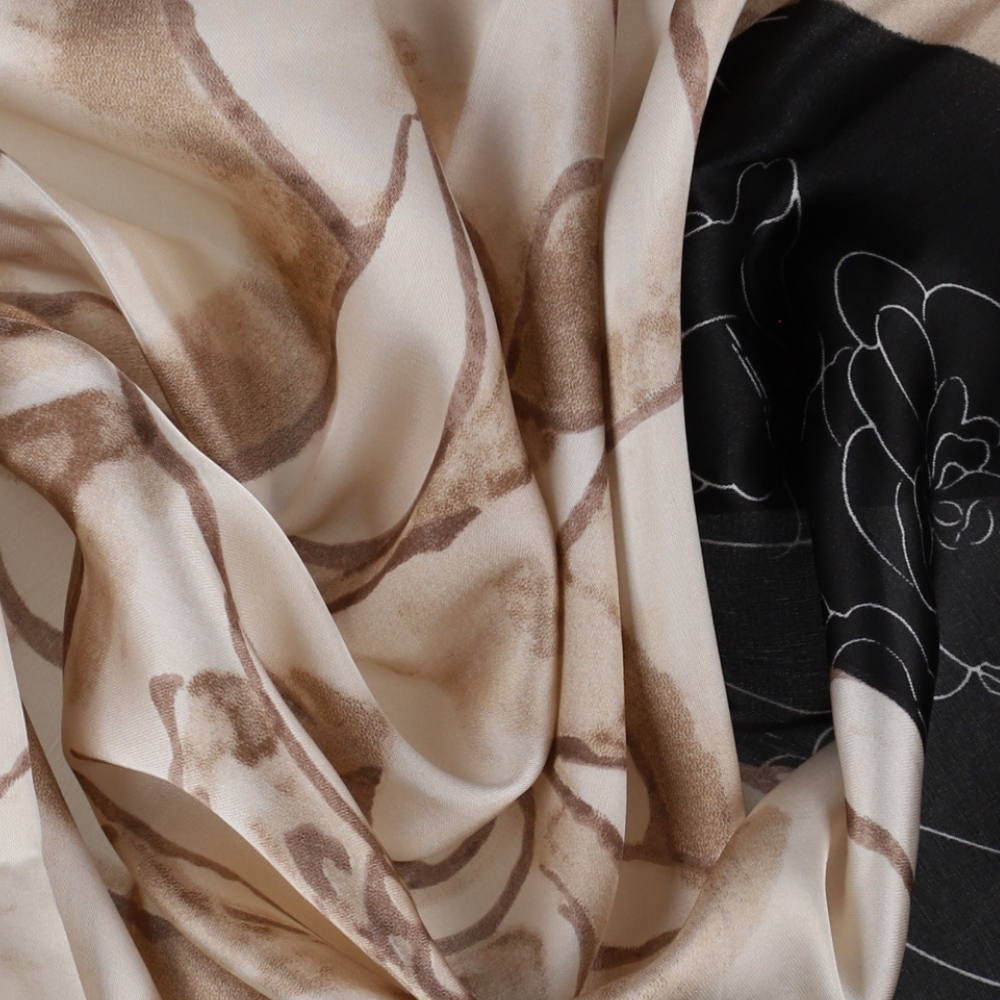
70×70 cm / 28×28 in
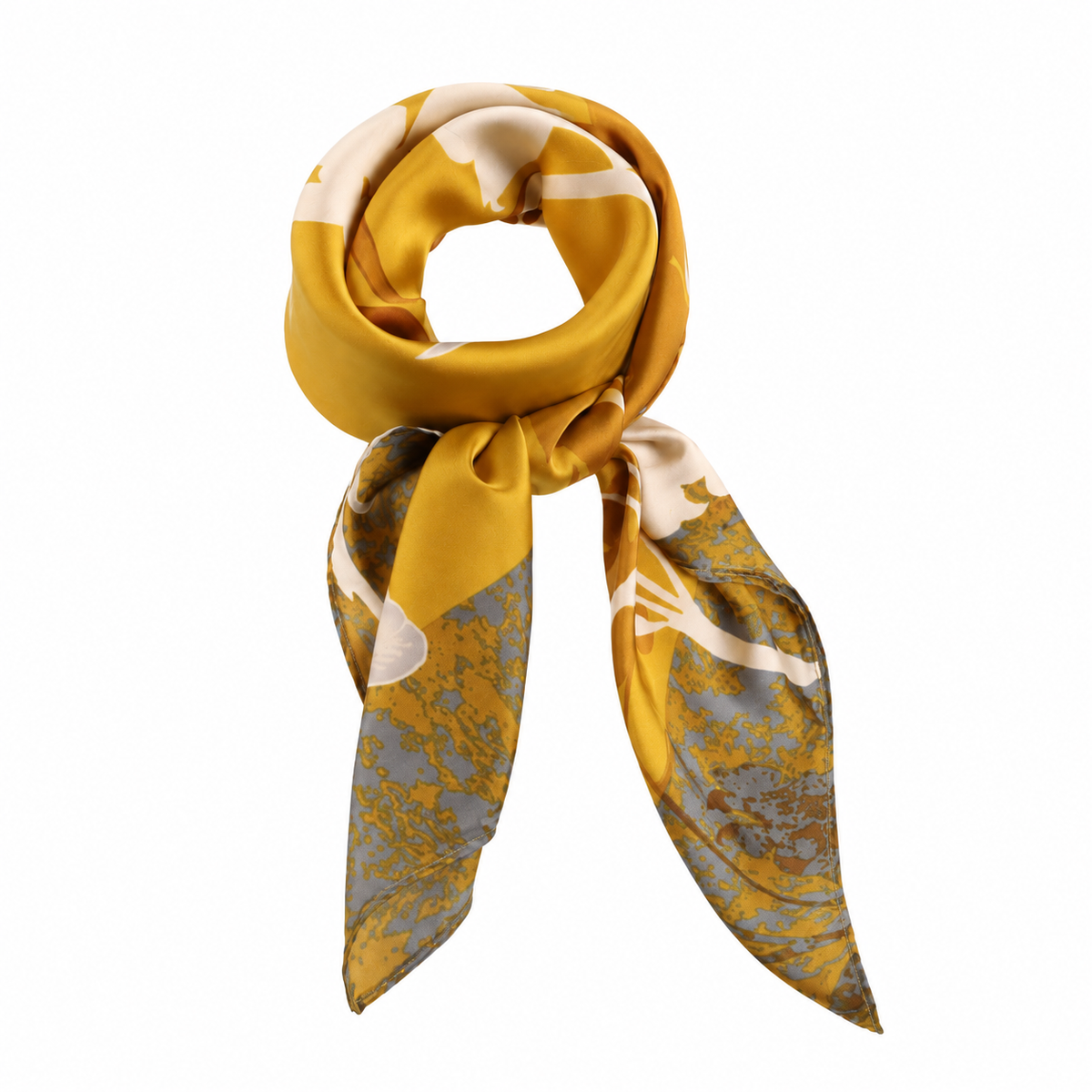
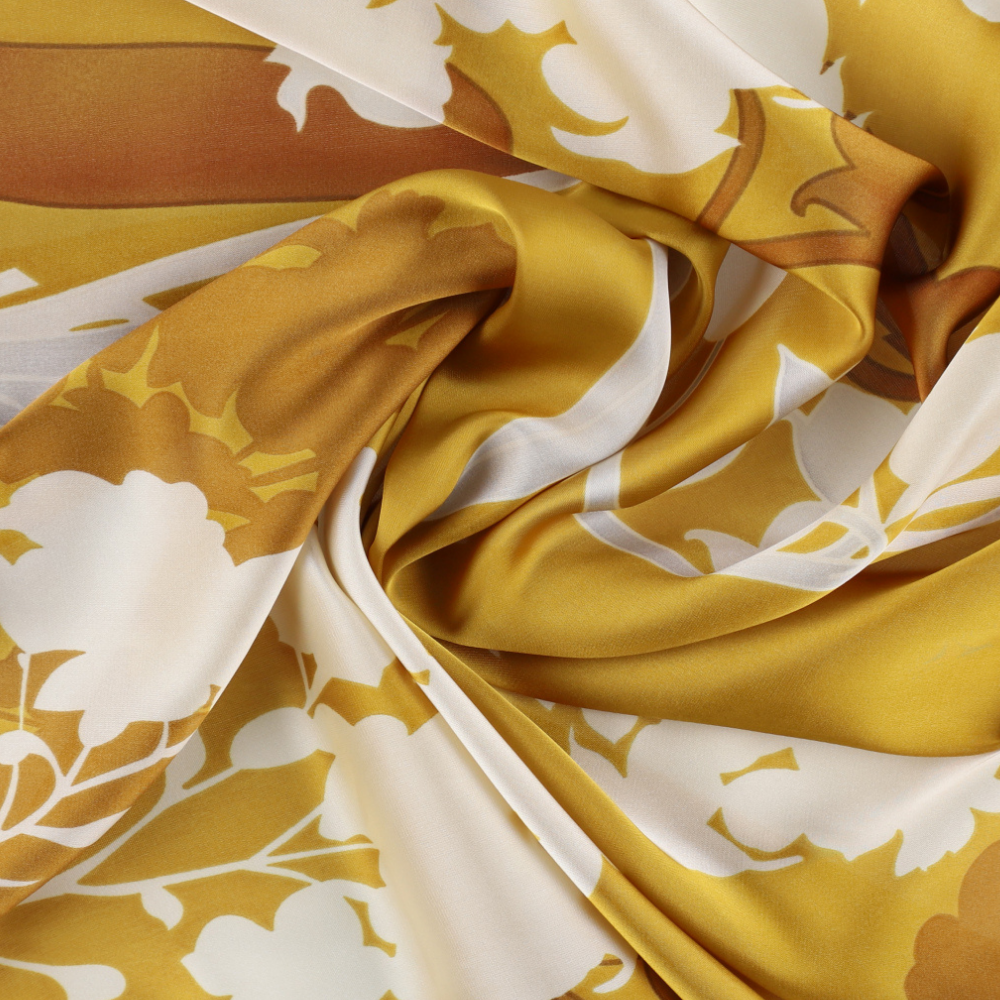
90×90 cm / 35×35 in
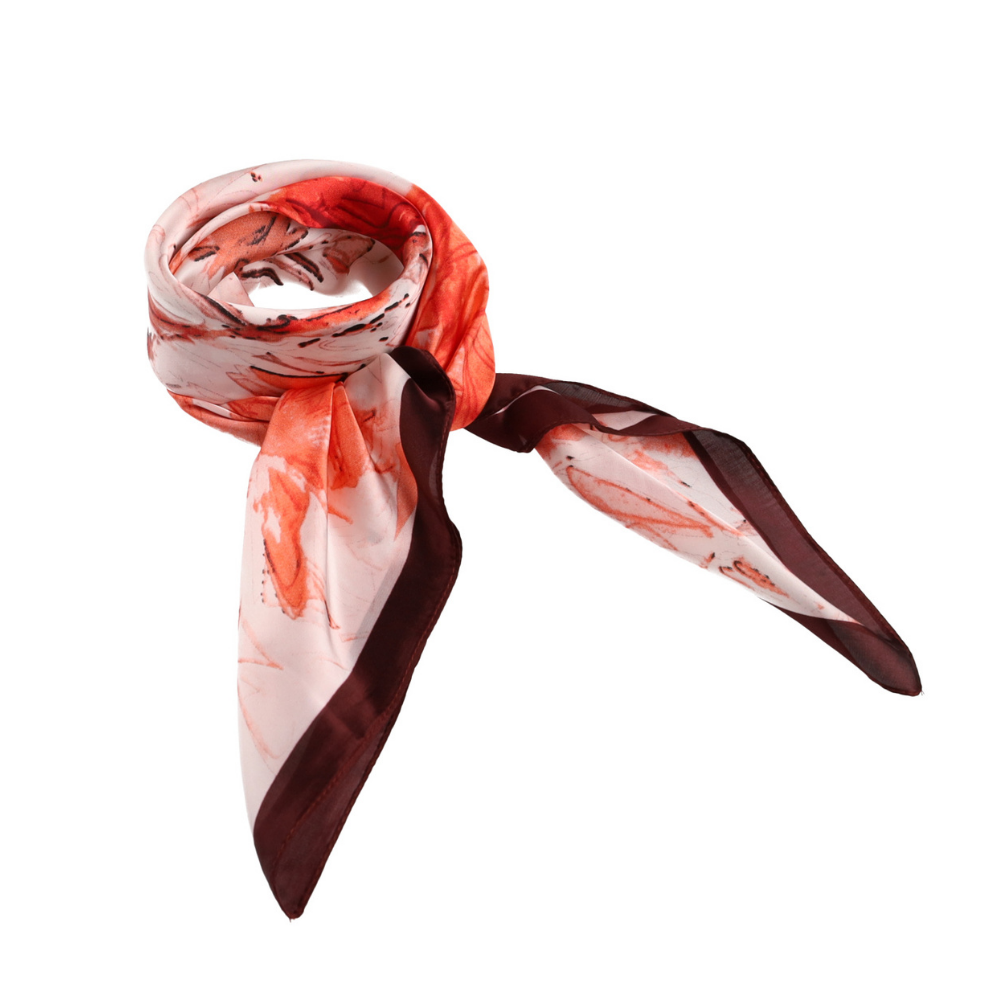
90×90 cm / 35×35 in
90×90 cm / 35×35 in
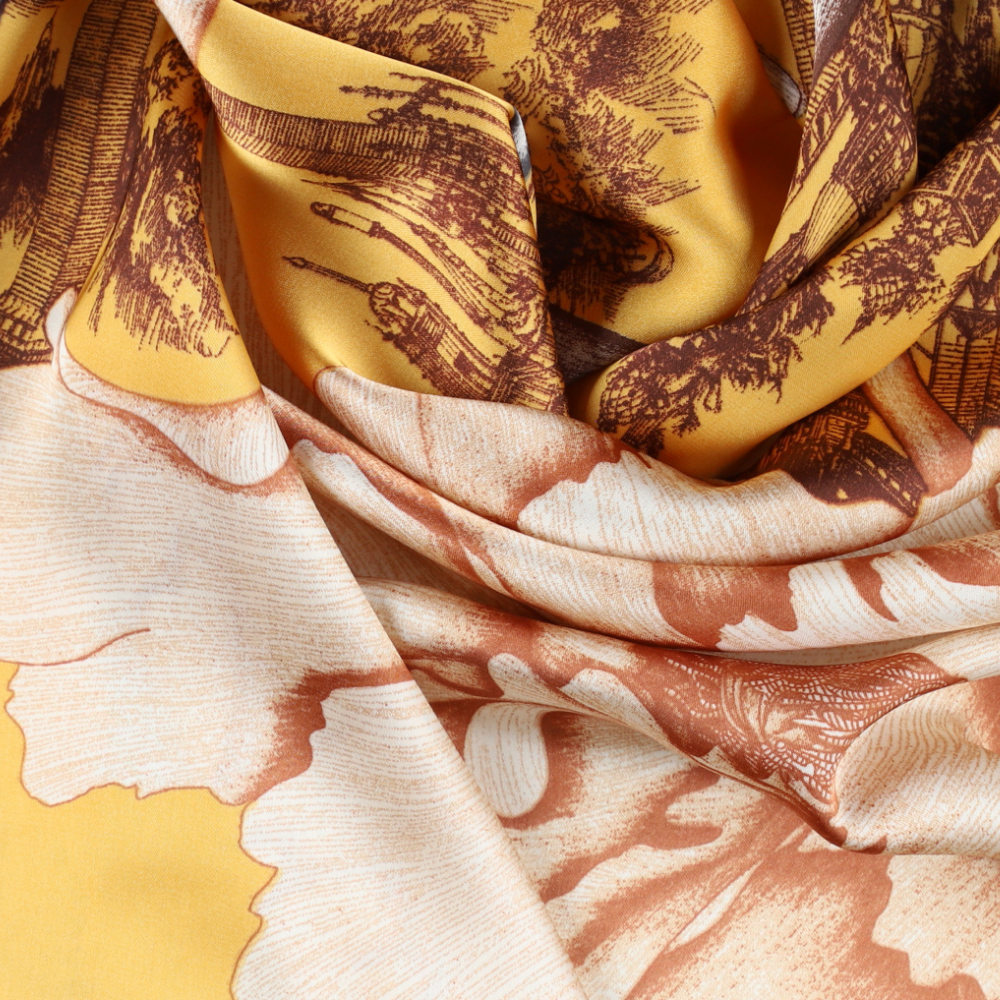
90×90 cm / 35×35 in
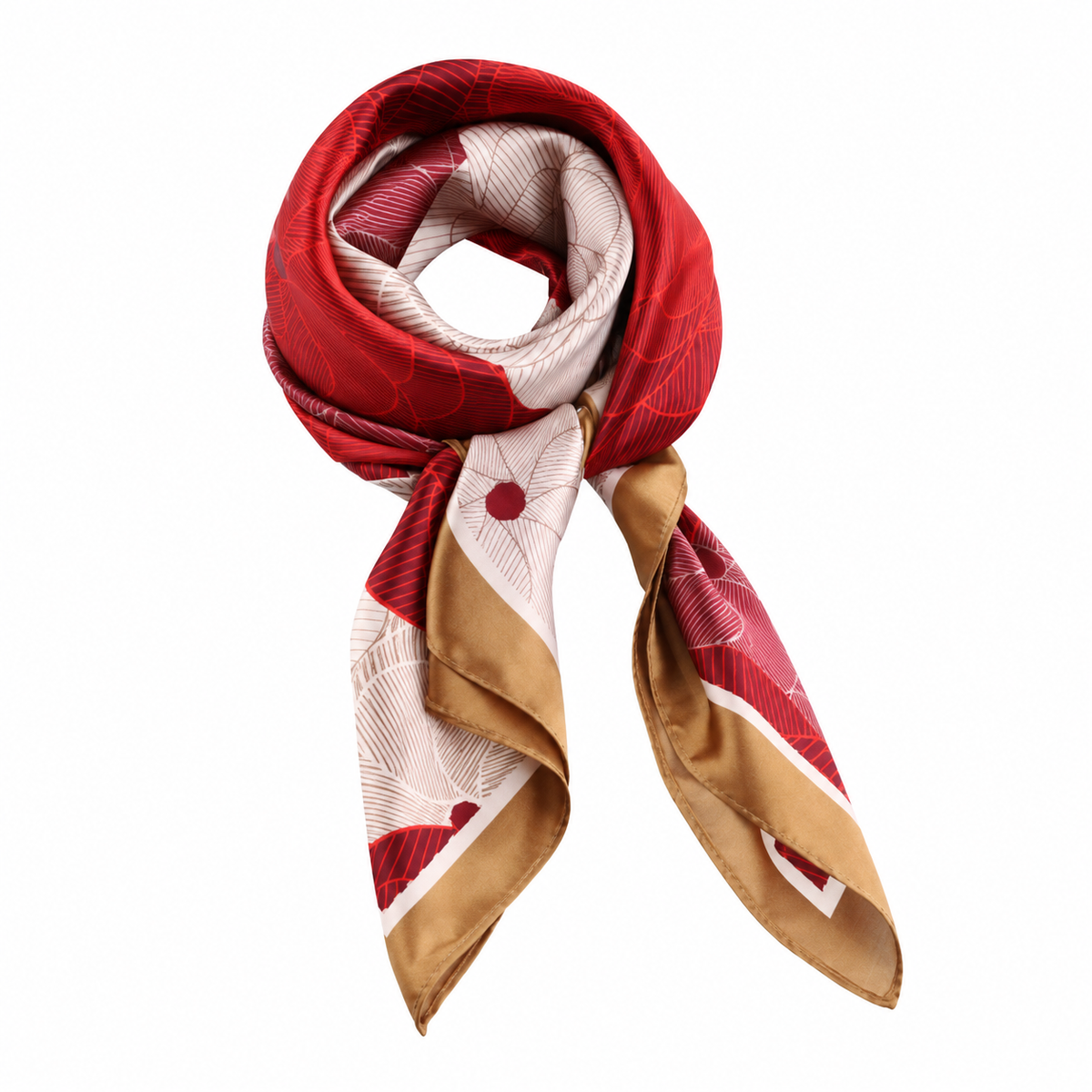
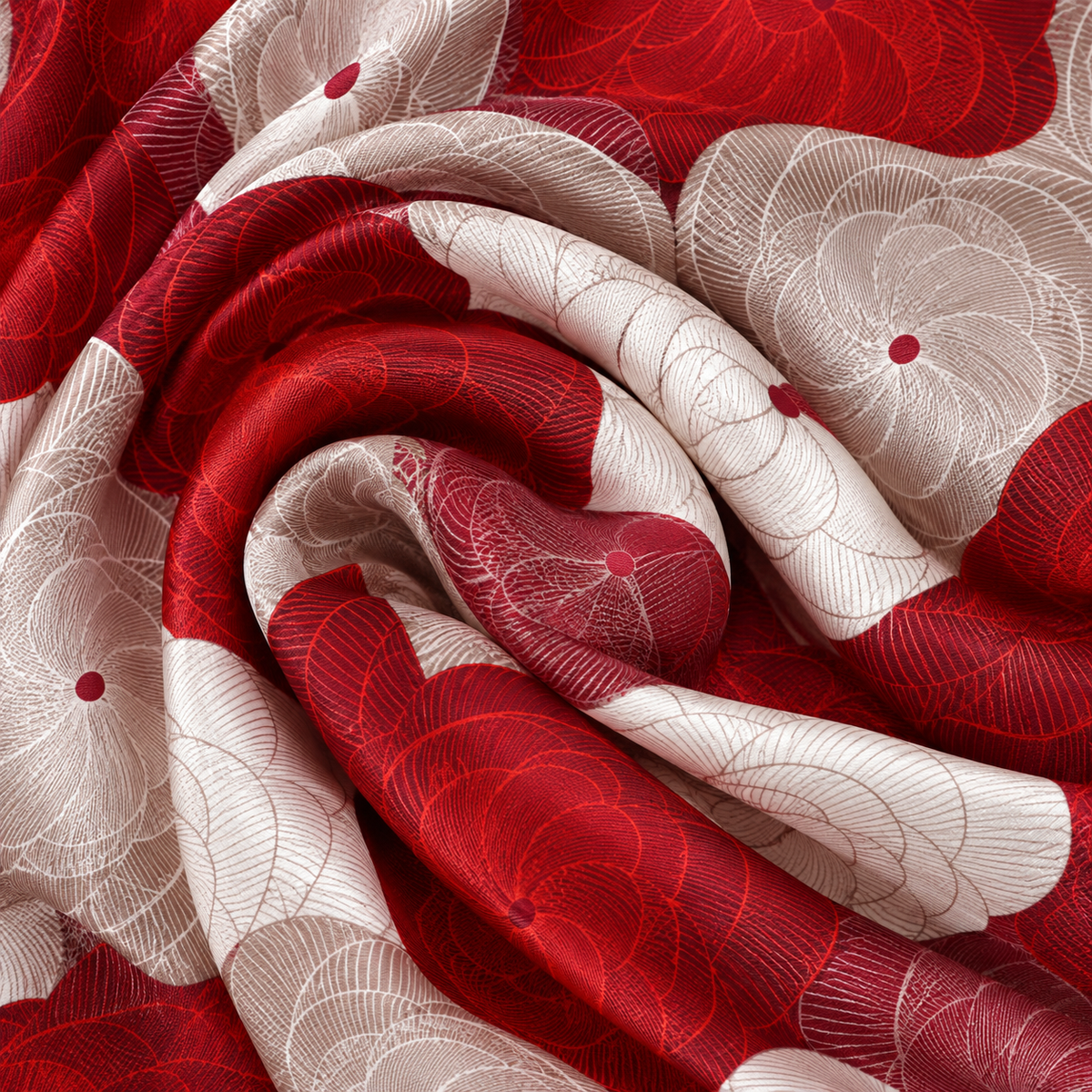
90×90 cm / 35×35 in
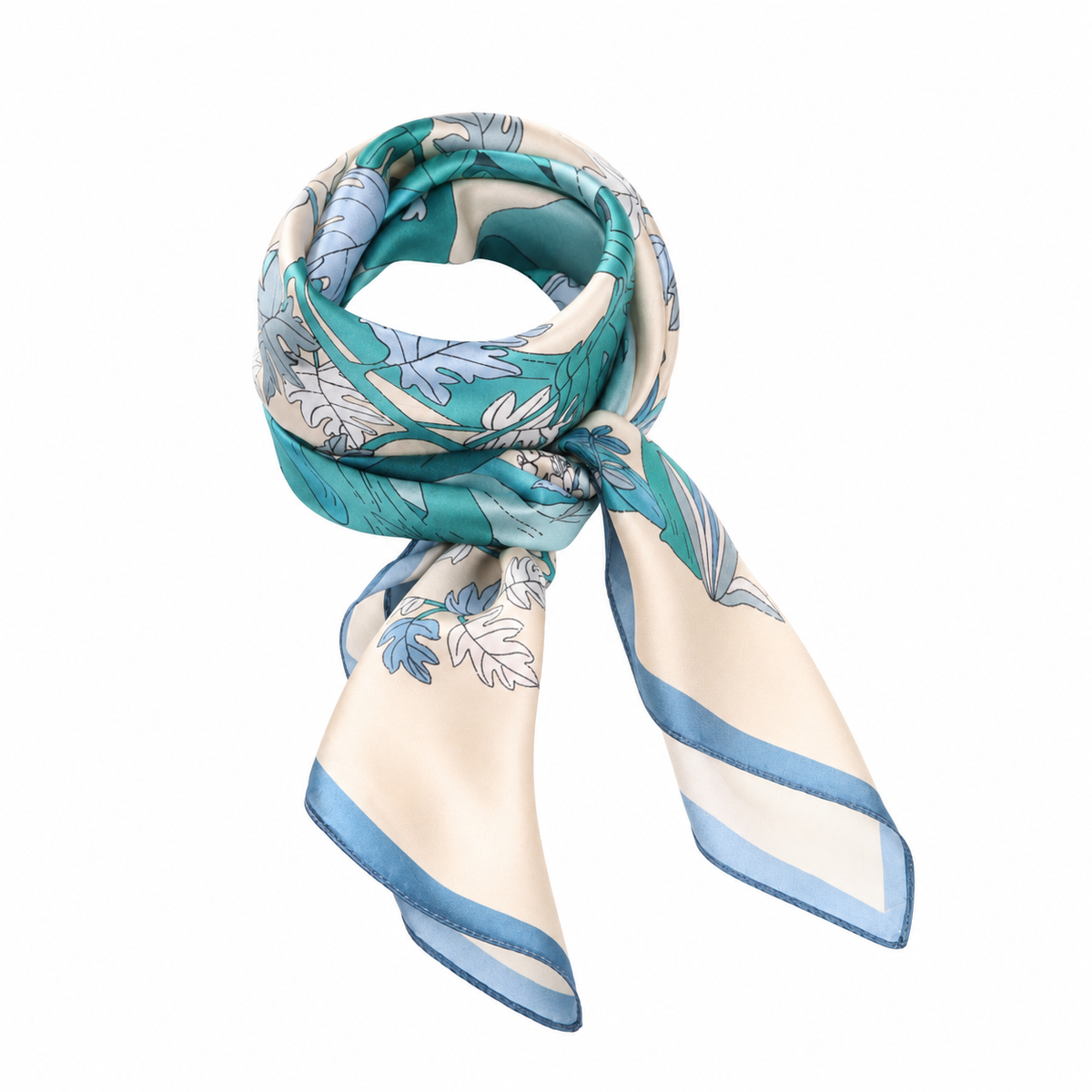
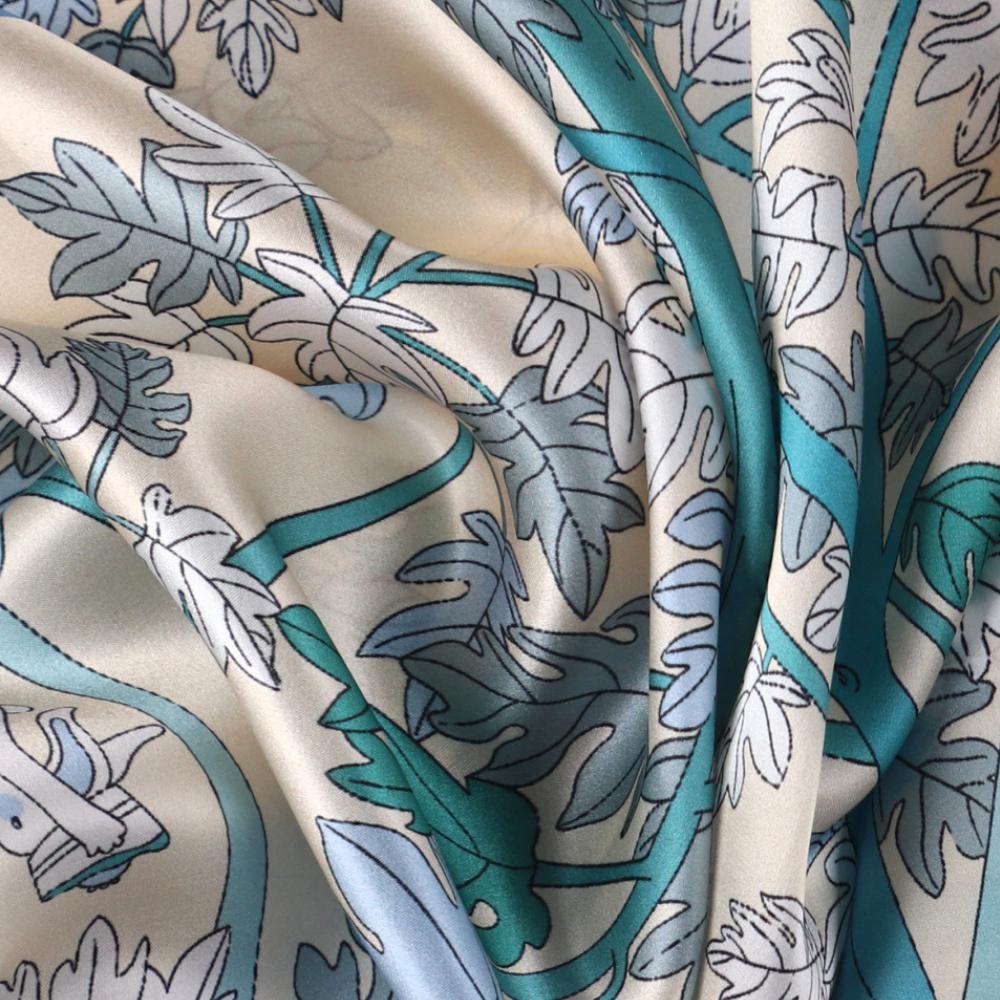
90×90 cm / 35×35 in
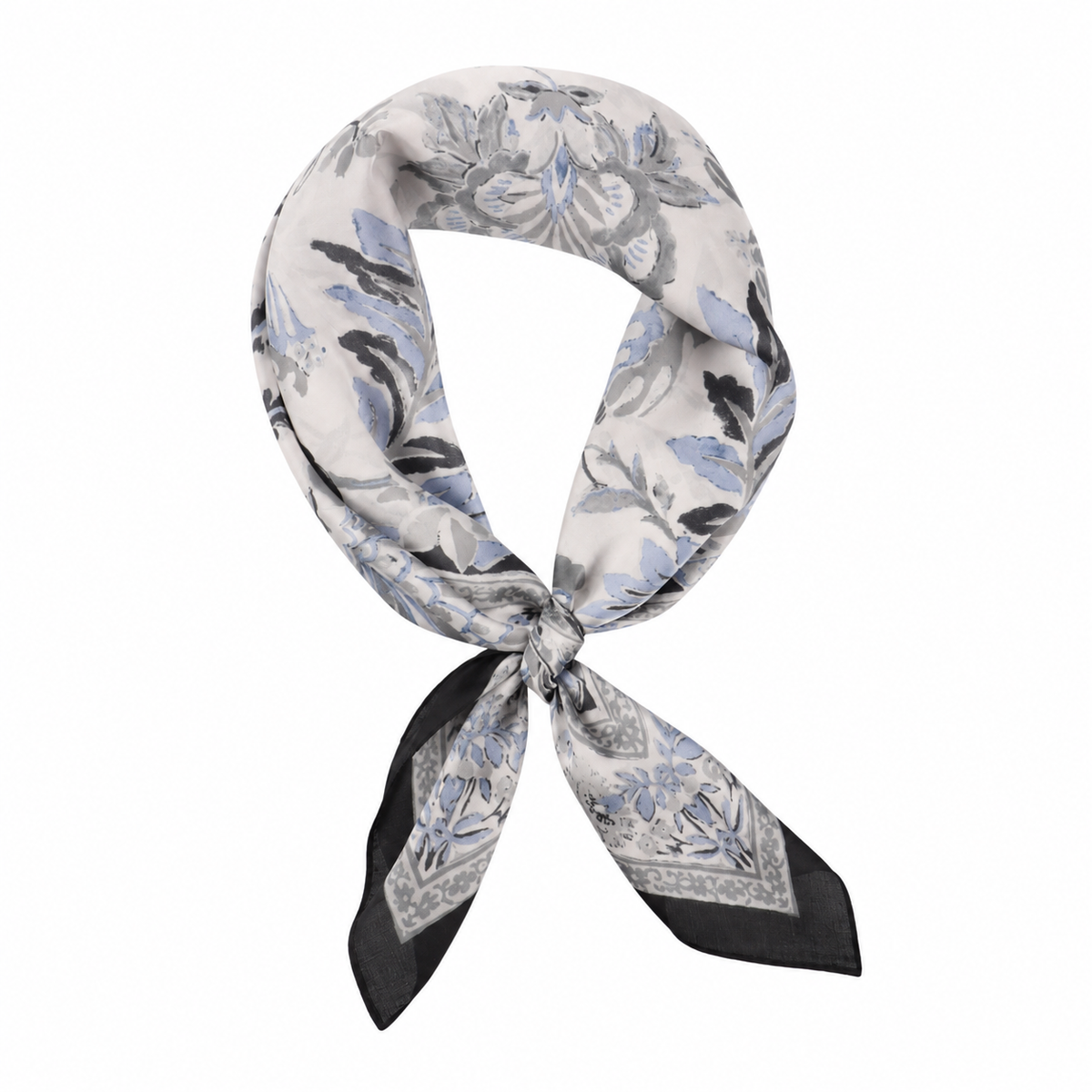
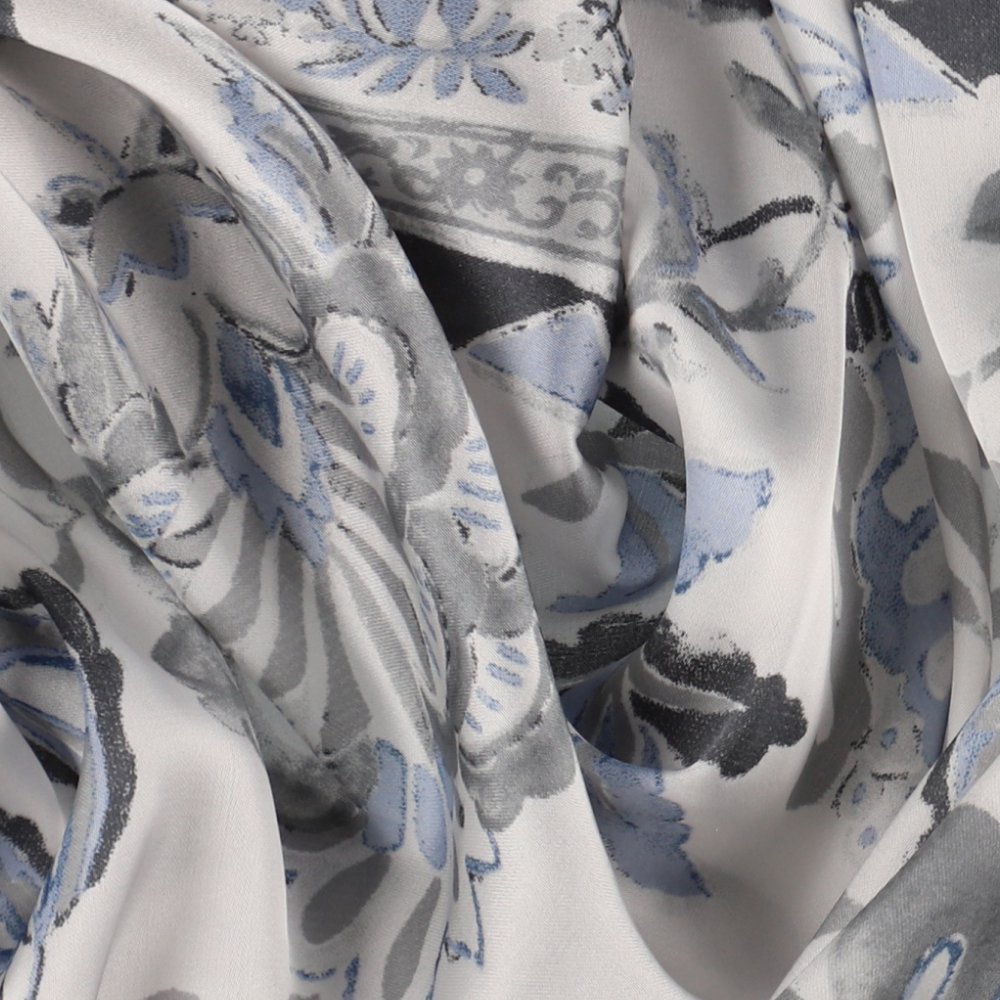
70×70 cm / 28×28 in
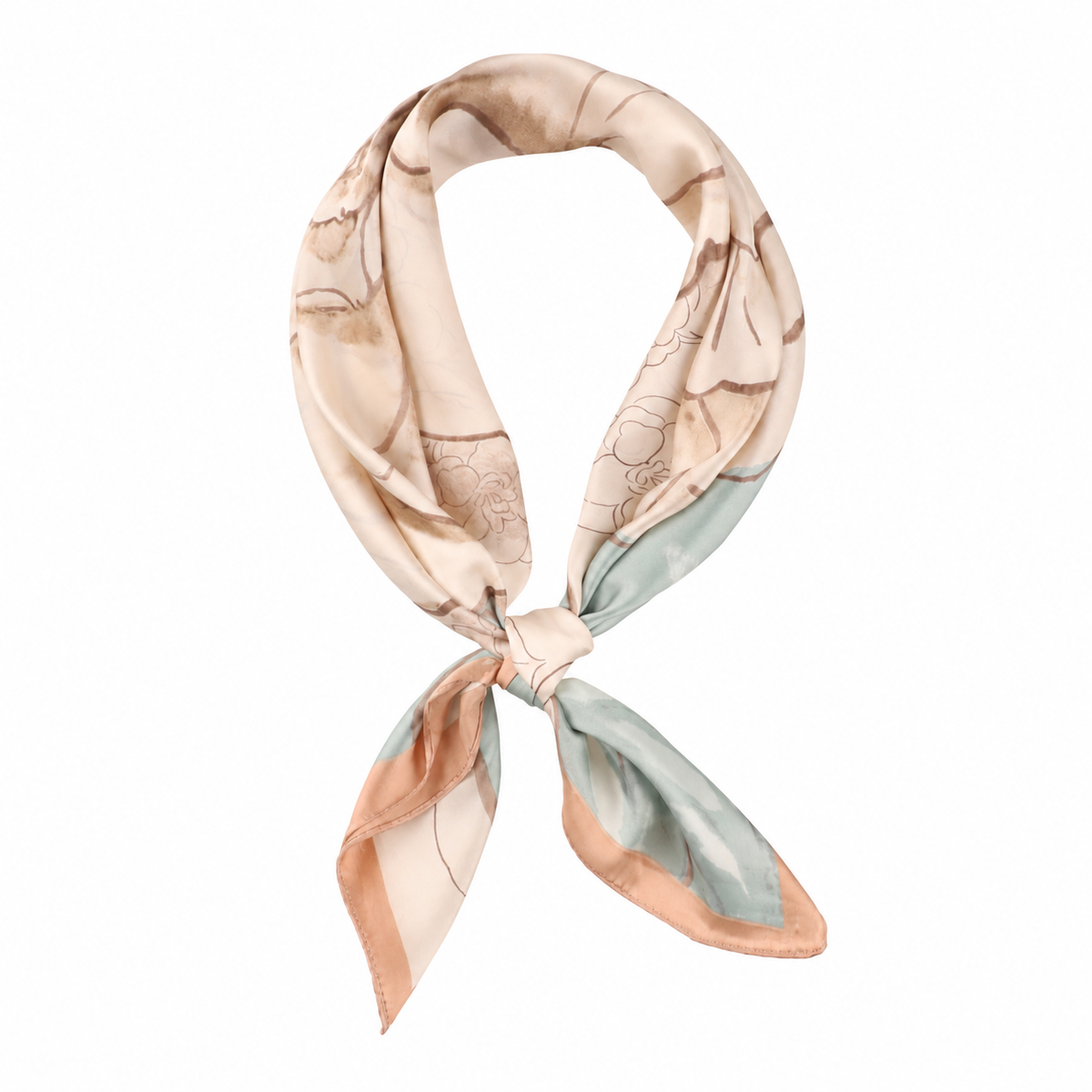
70×70 cm / 28×28 in
70×70 cm / 28×28 in
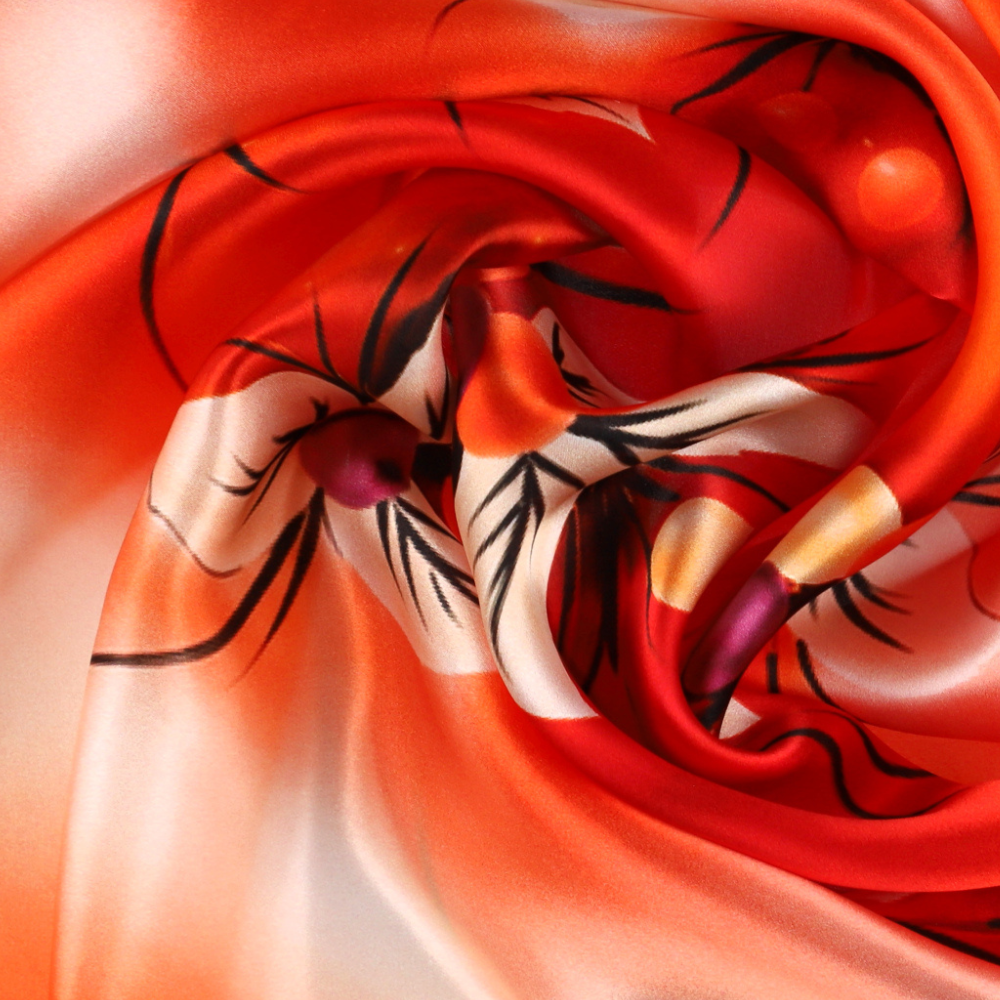
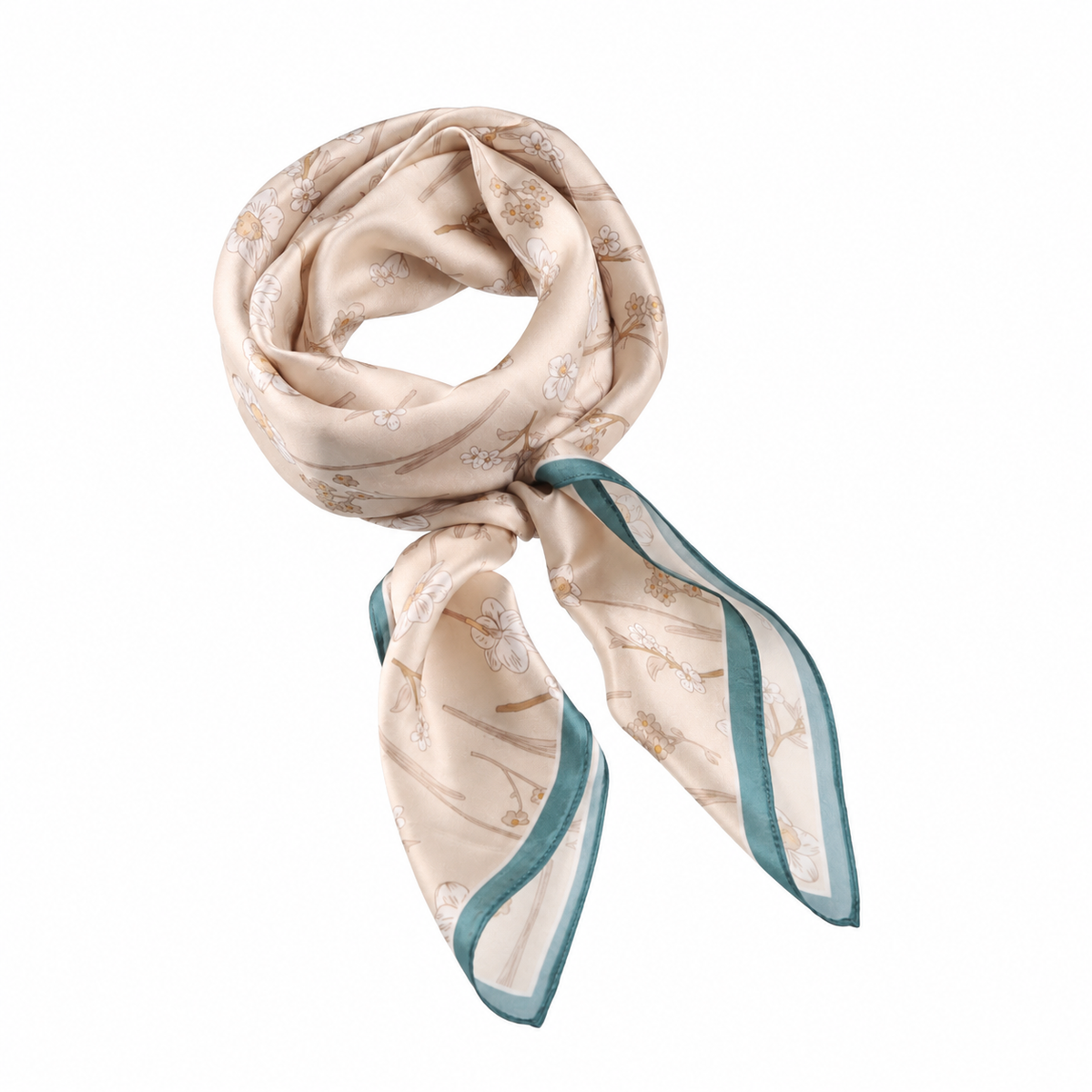
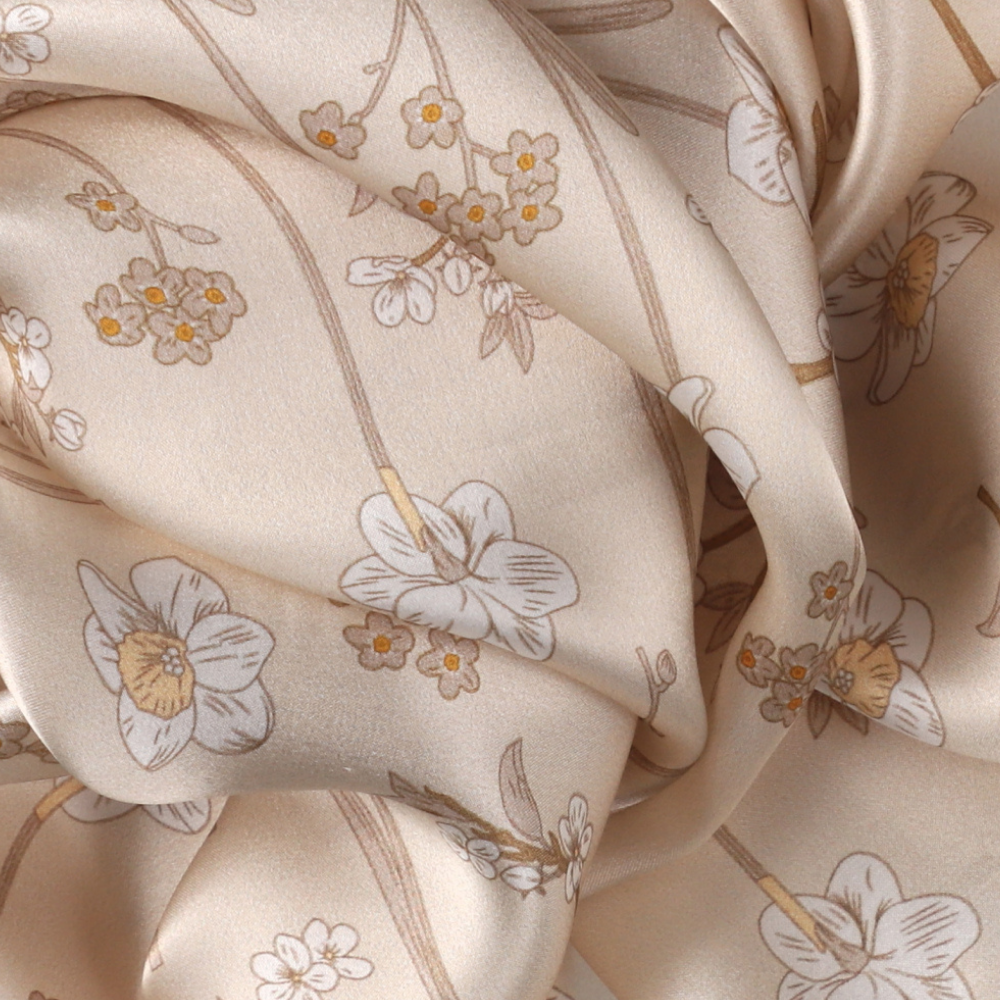
90×90 cm / 35×35 in
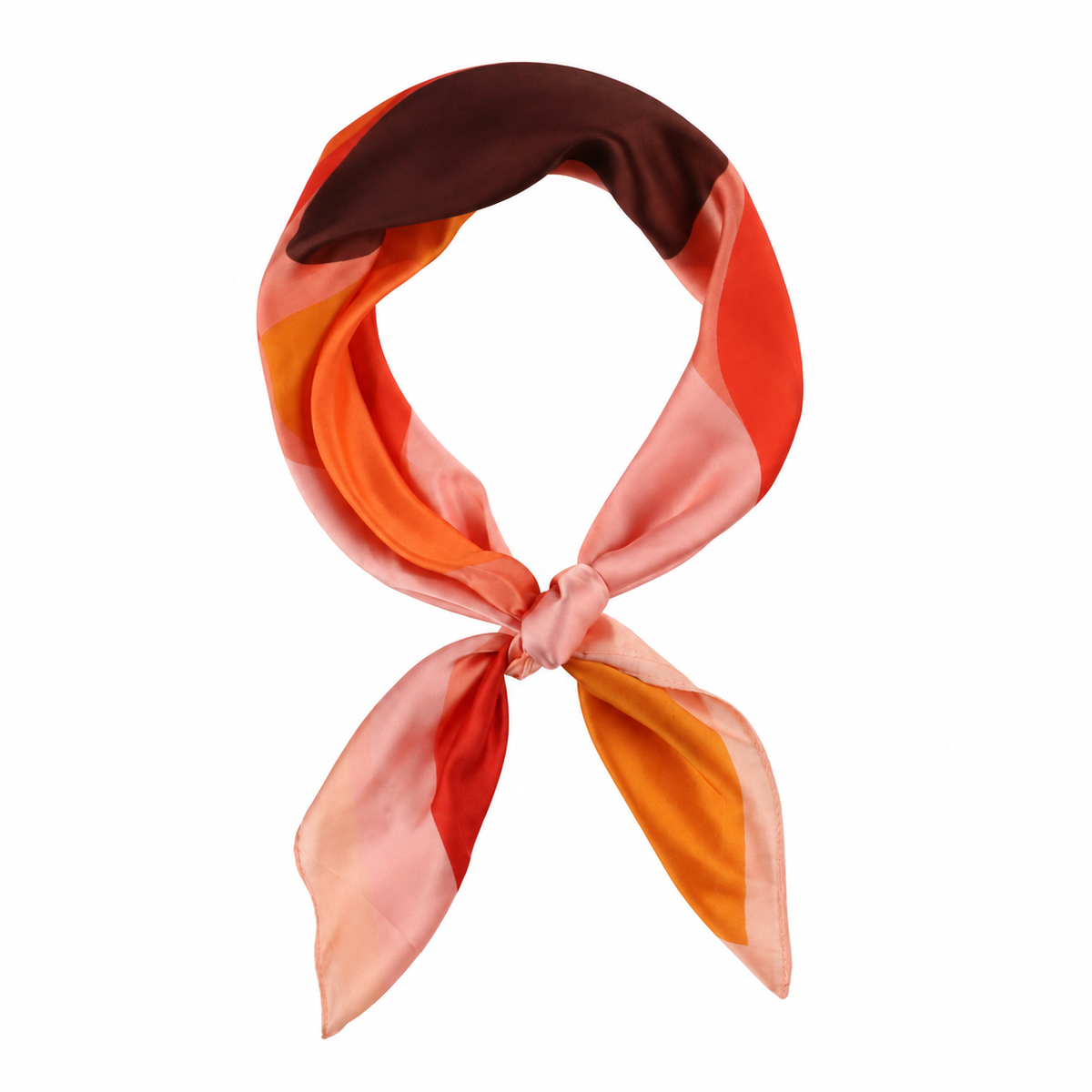
70×70 cm / 28×28 in
70×70 cm / 28×28 in
70×70 cm / 28×28 in
90×90 cm / 35×35 in
90×90 cm / 35×35 in
70×70 cm / 28×28 in
70×70 cm / 28×28 in
70×70 cm / 28×28 in
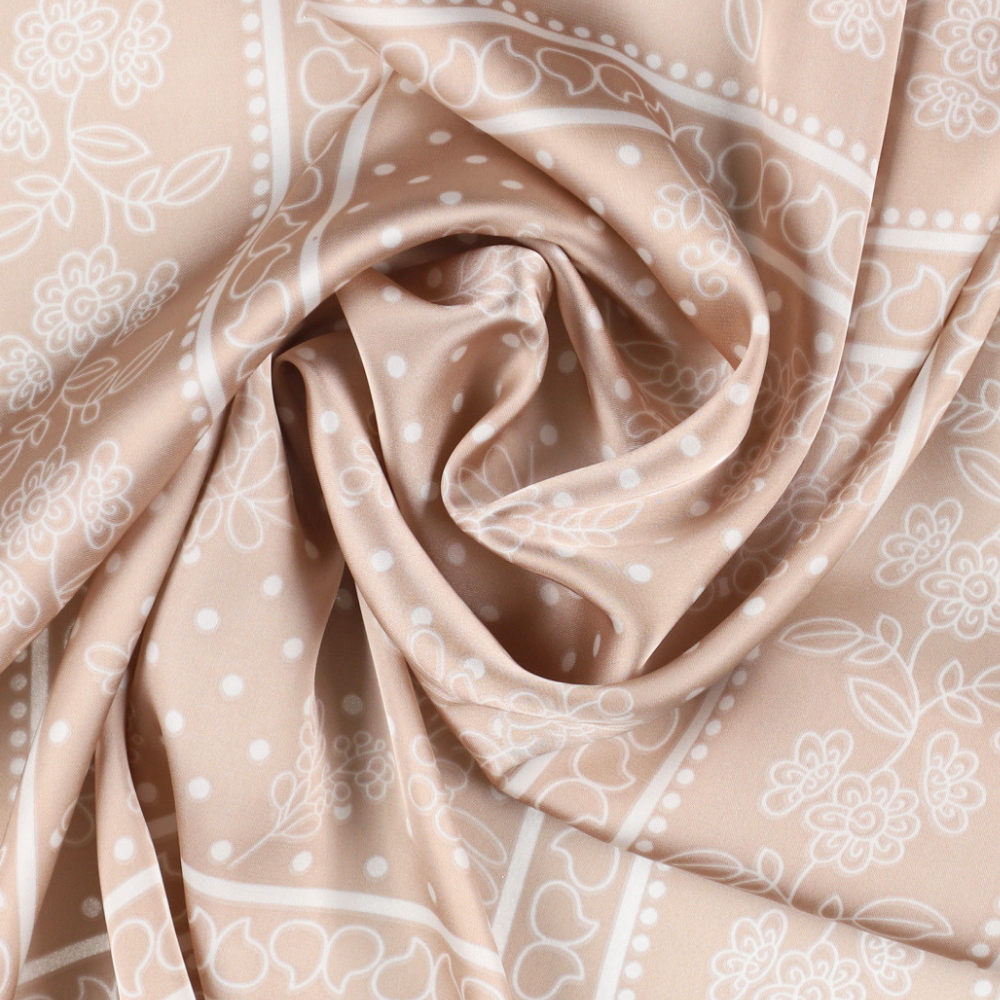
70×70 cm / 28×28 in
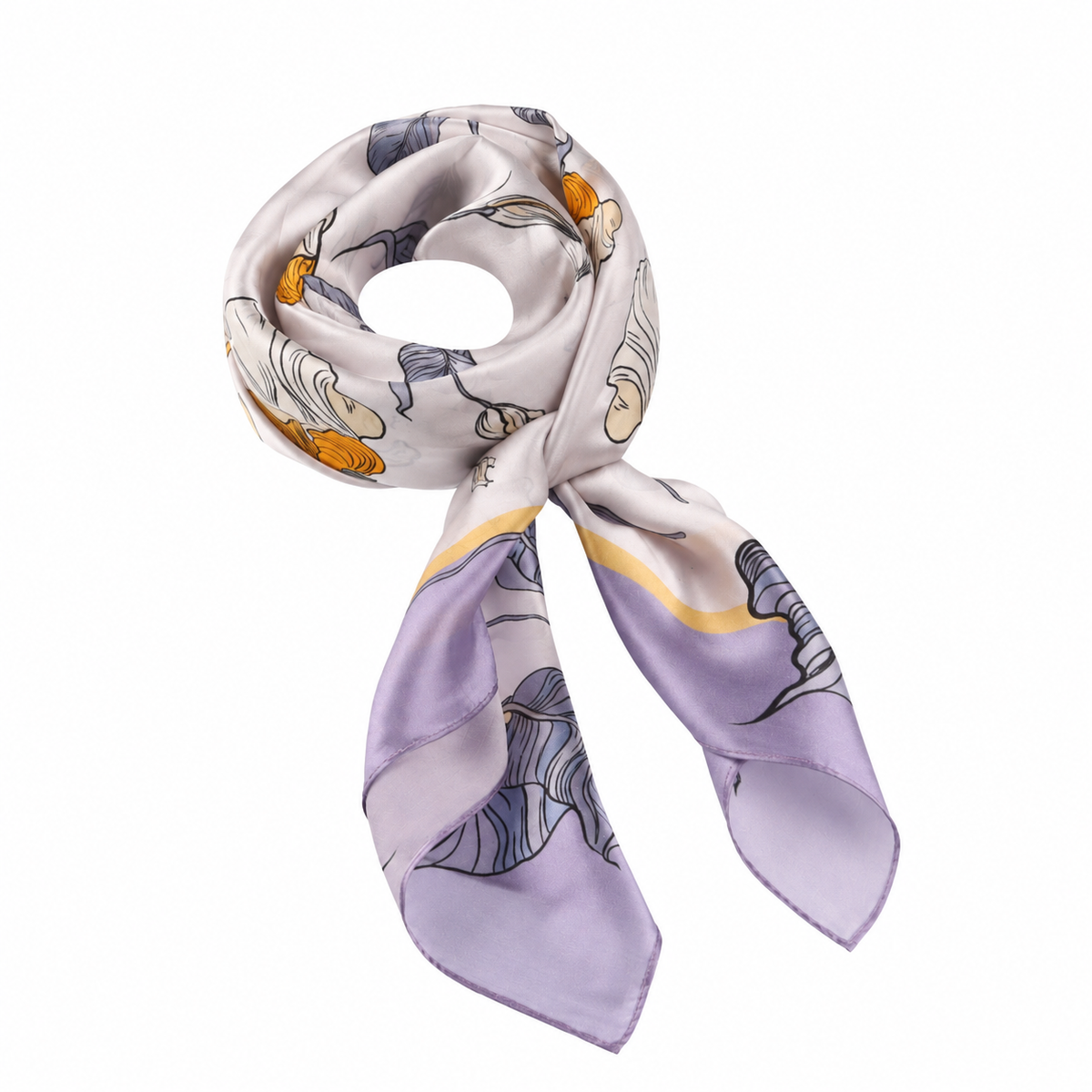
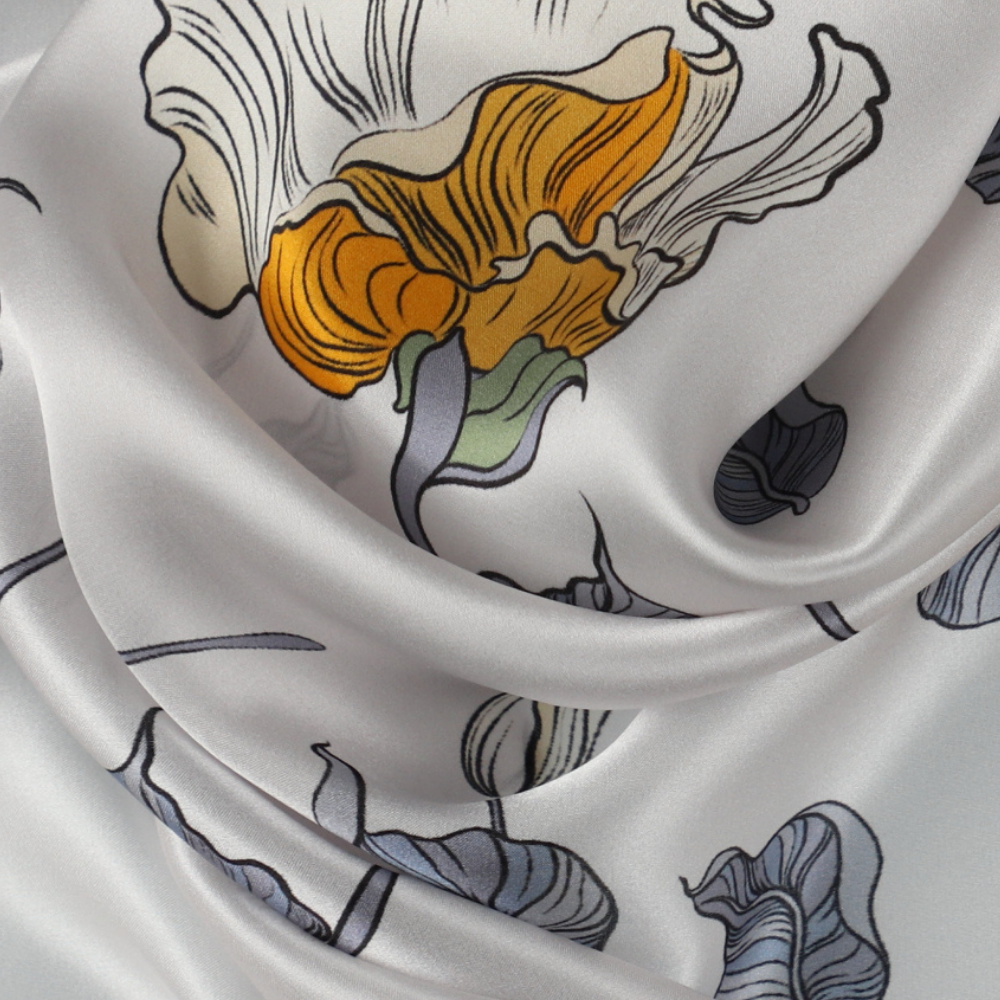
90×90 cm / 35×35 in
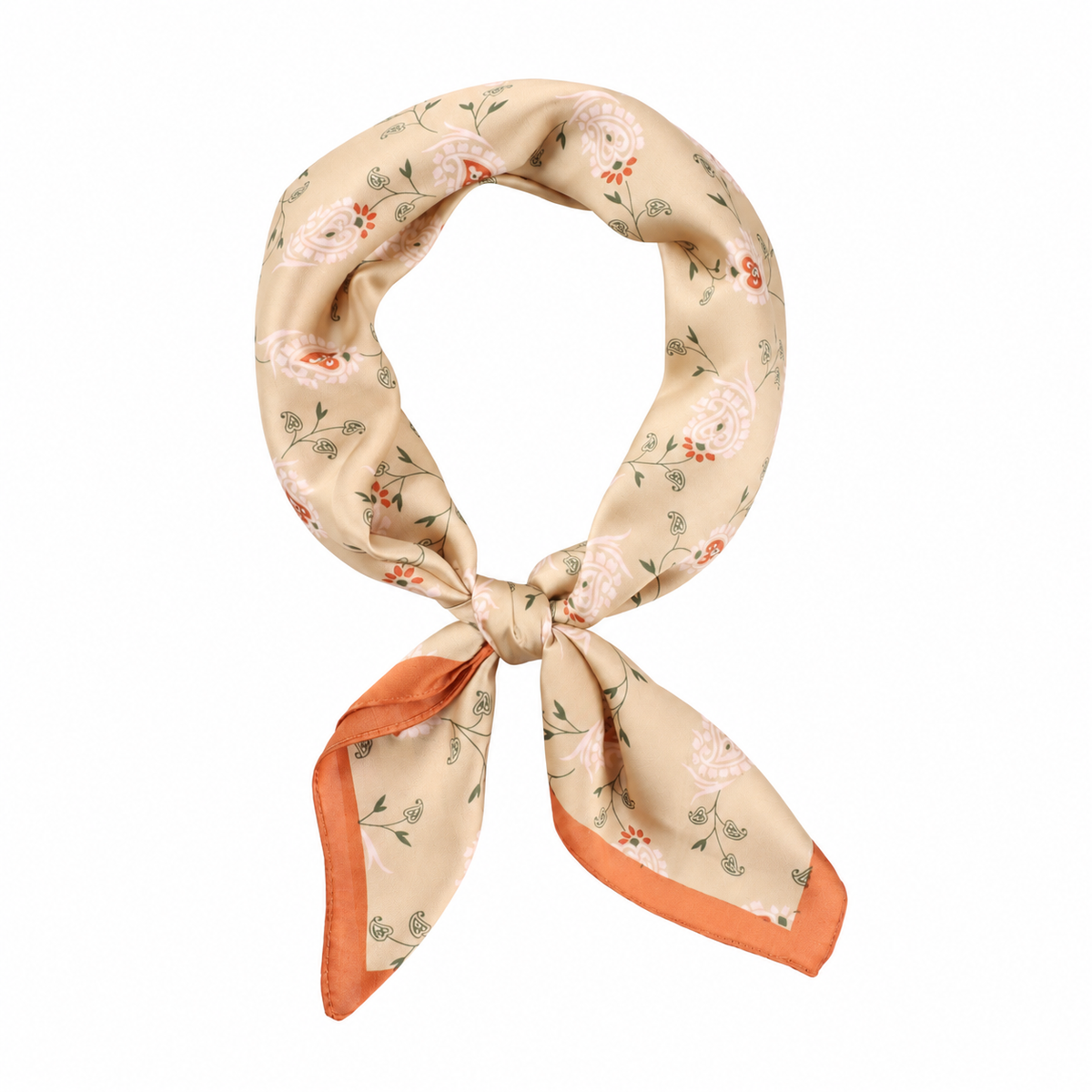
70×70 cm / 28×28 in
70×70 cm / 28×28 in
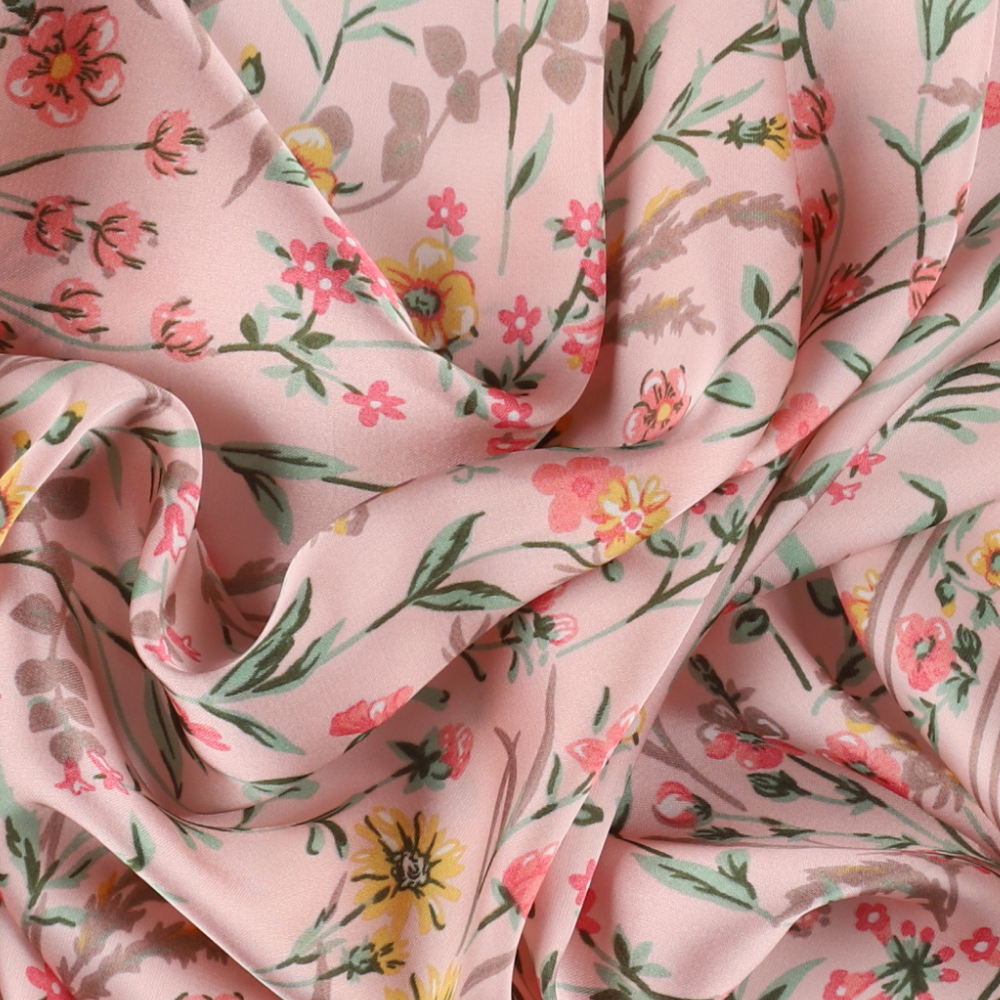
70×70 cm / 28×28 in
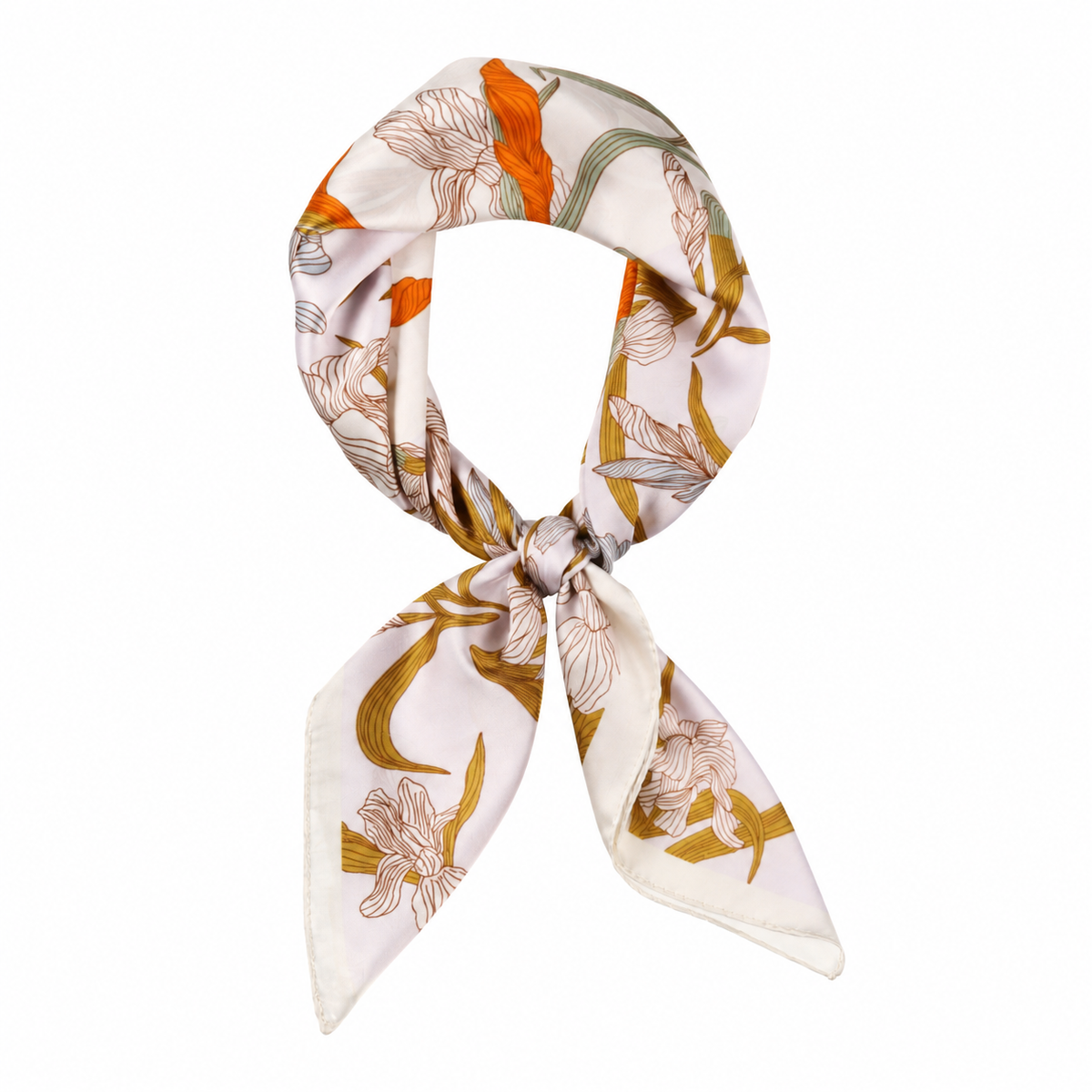
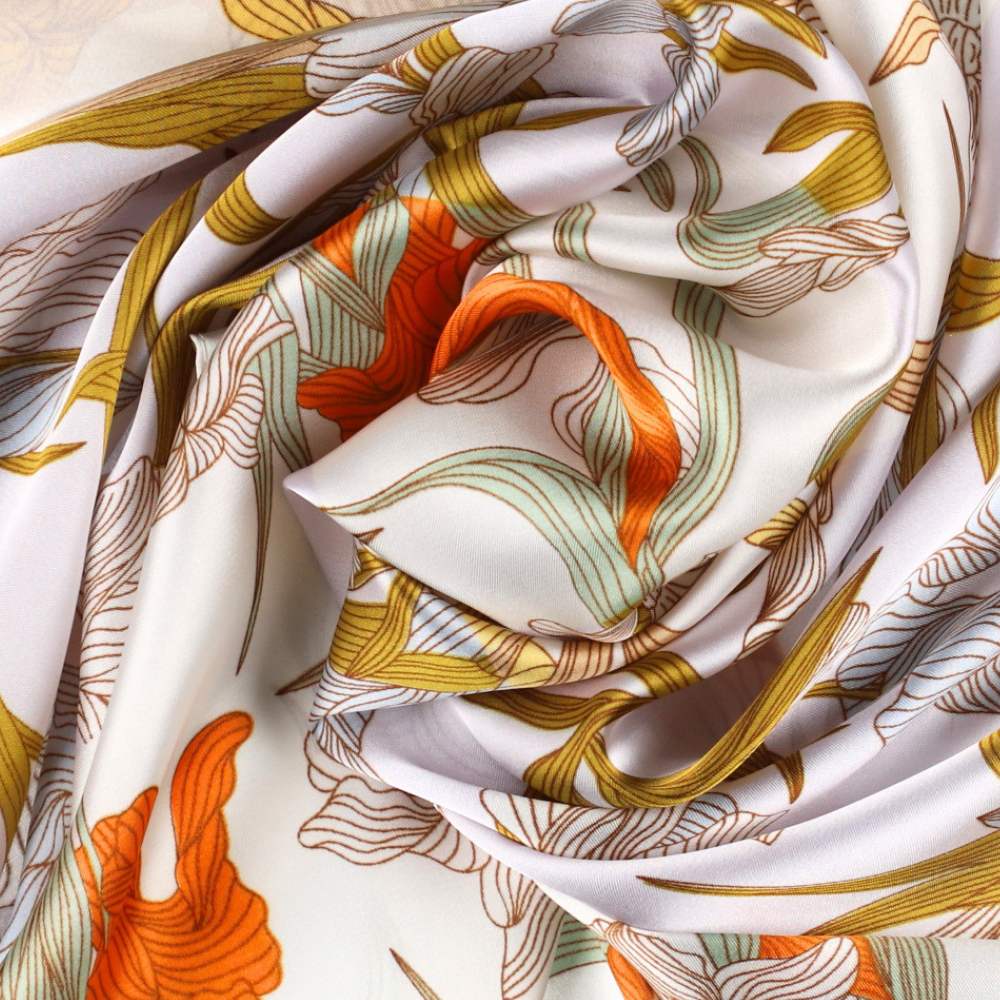
70×70 cm / 28×28 in
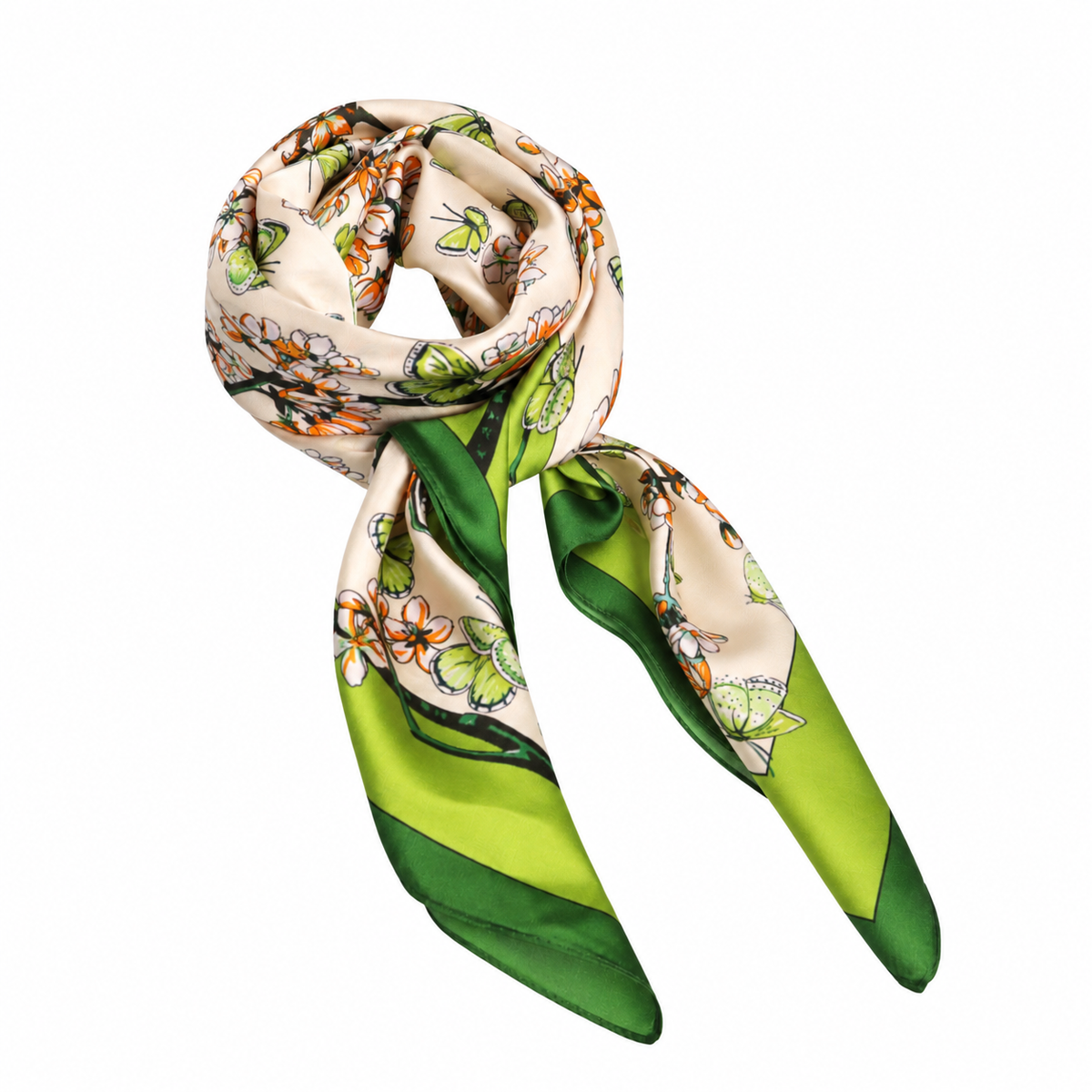
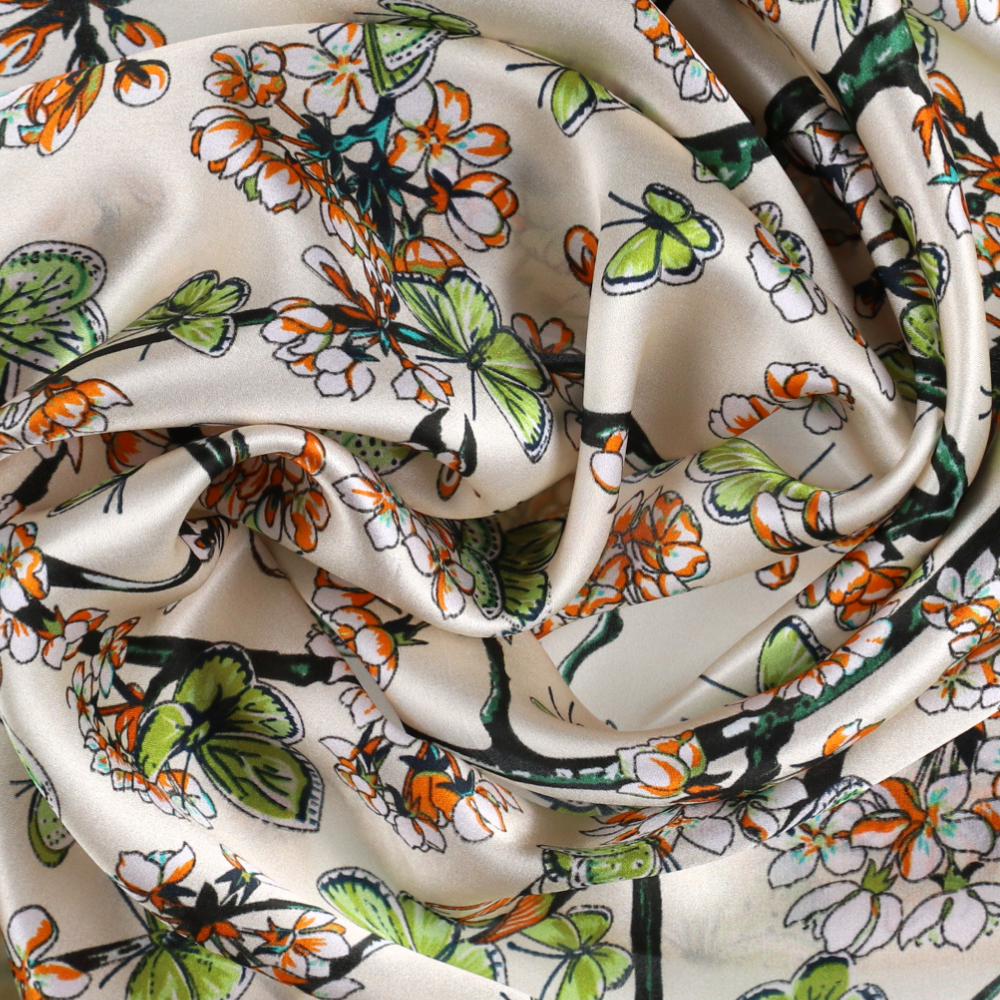
90×90 cm / 35×35 in
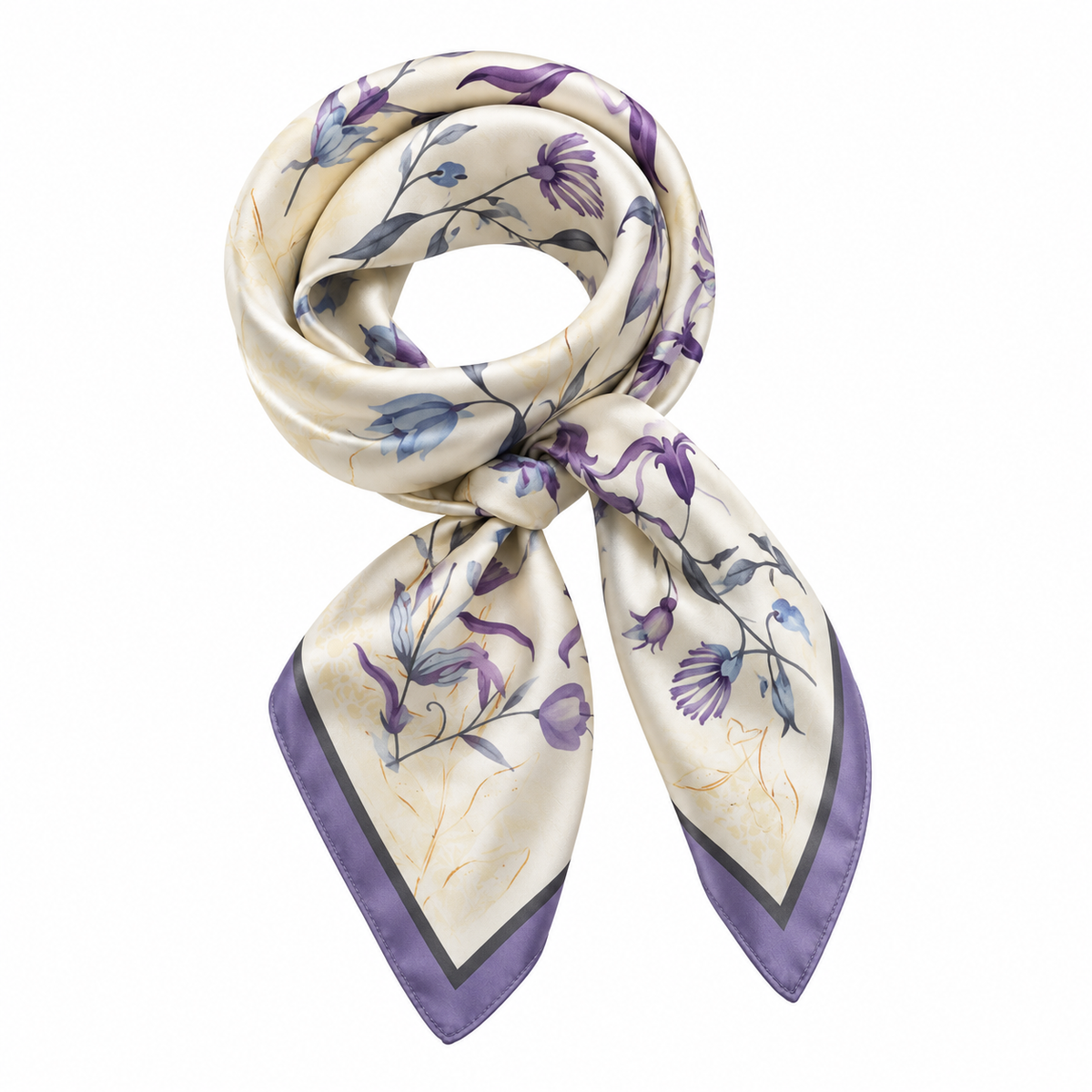
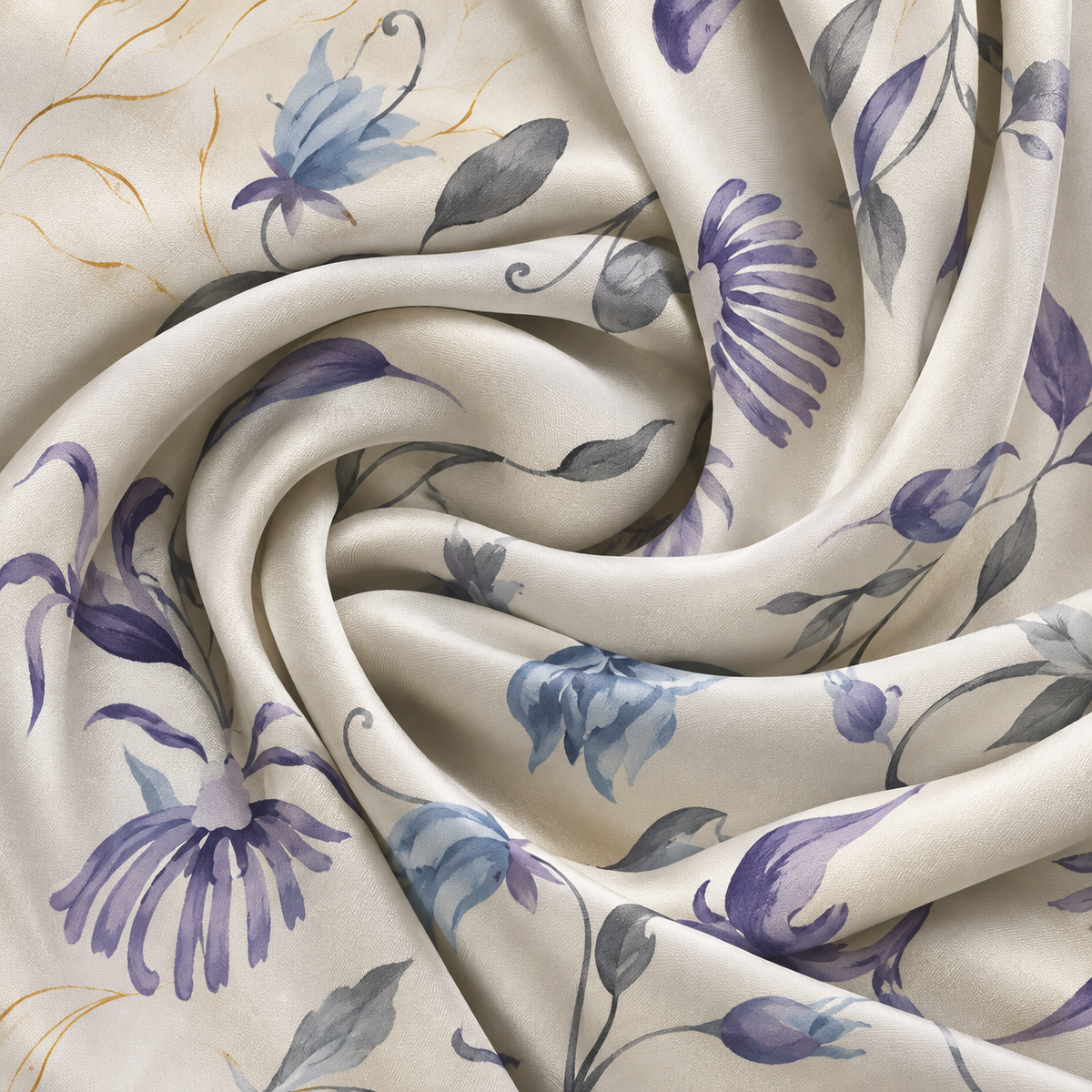
90×90 cm / 35×35 in
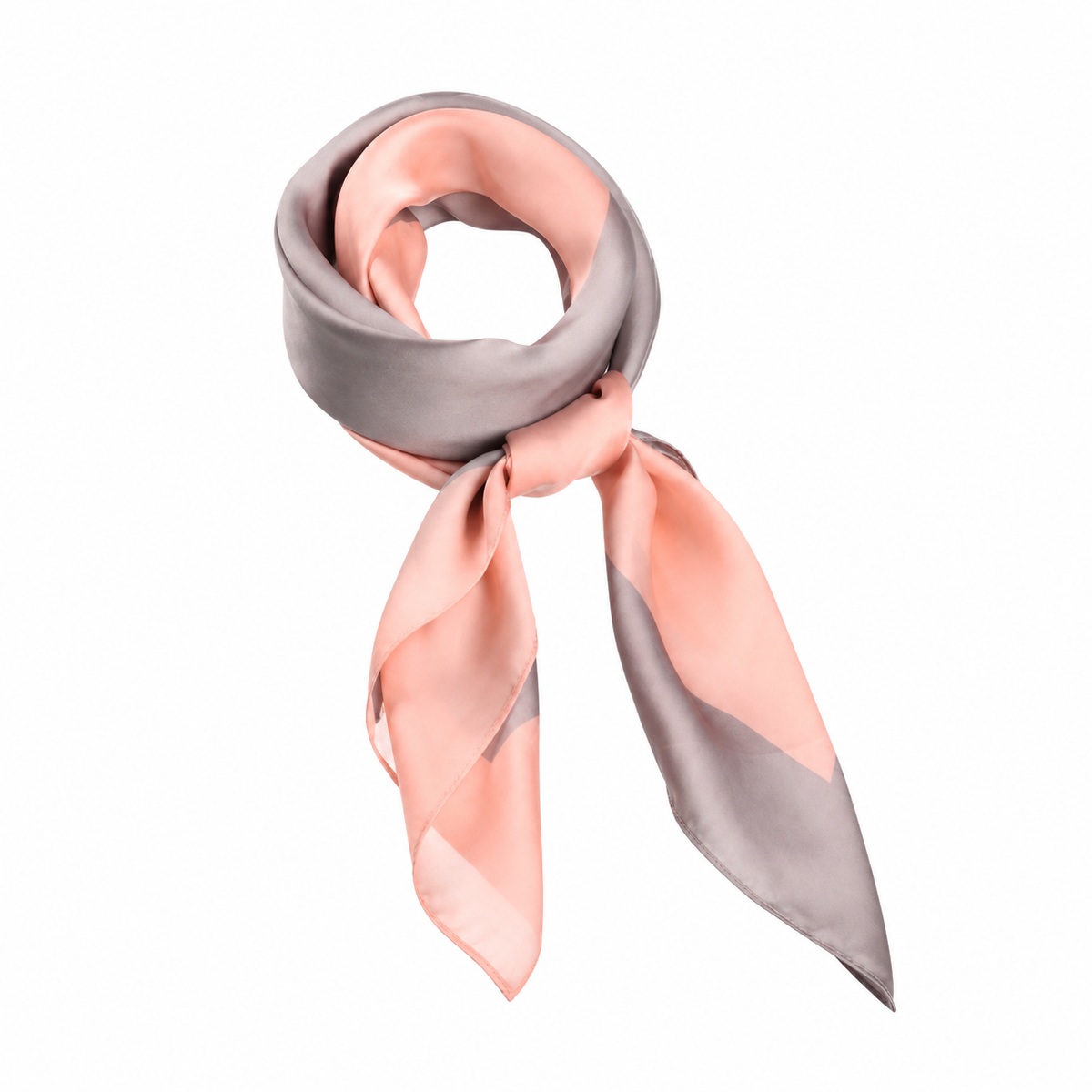
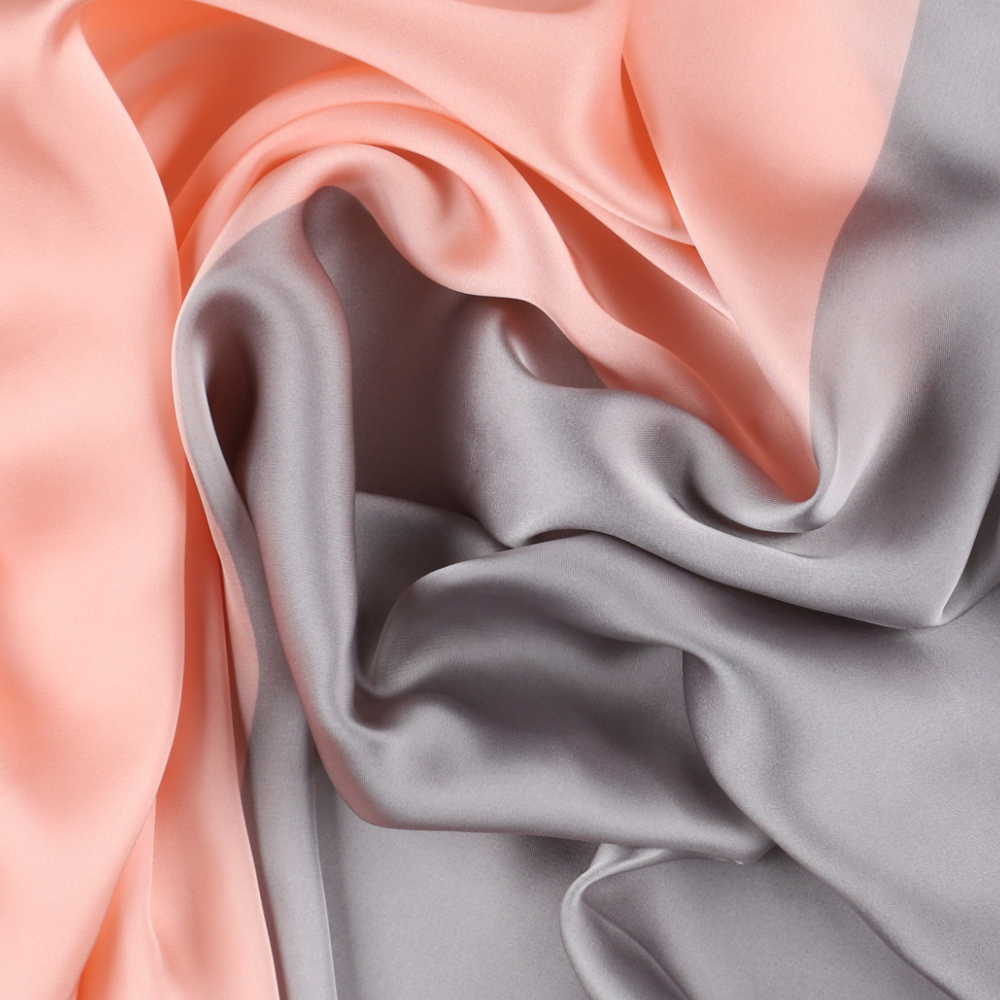
90×90 cm / 35×35 in
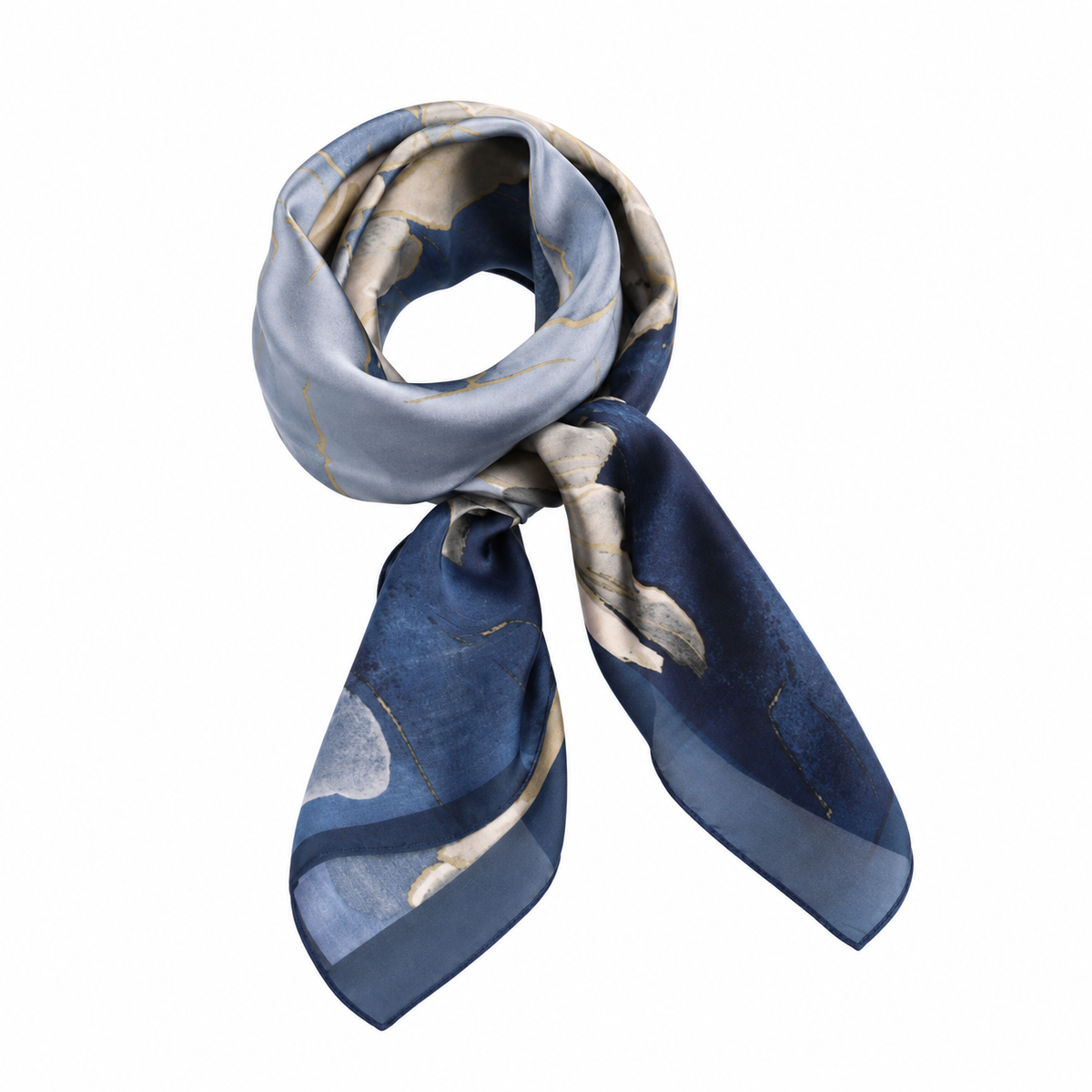
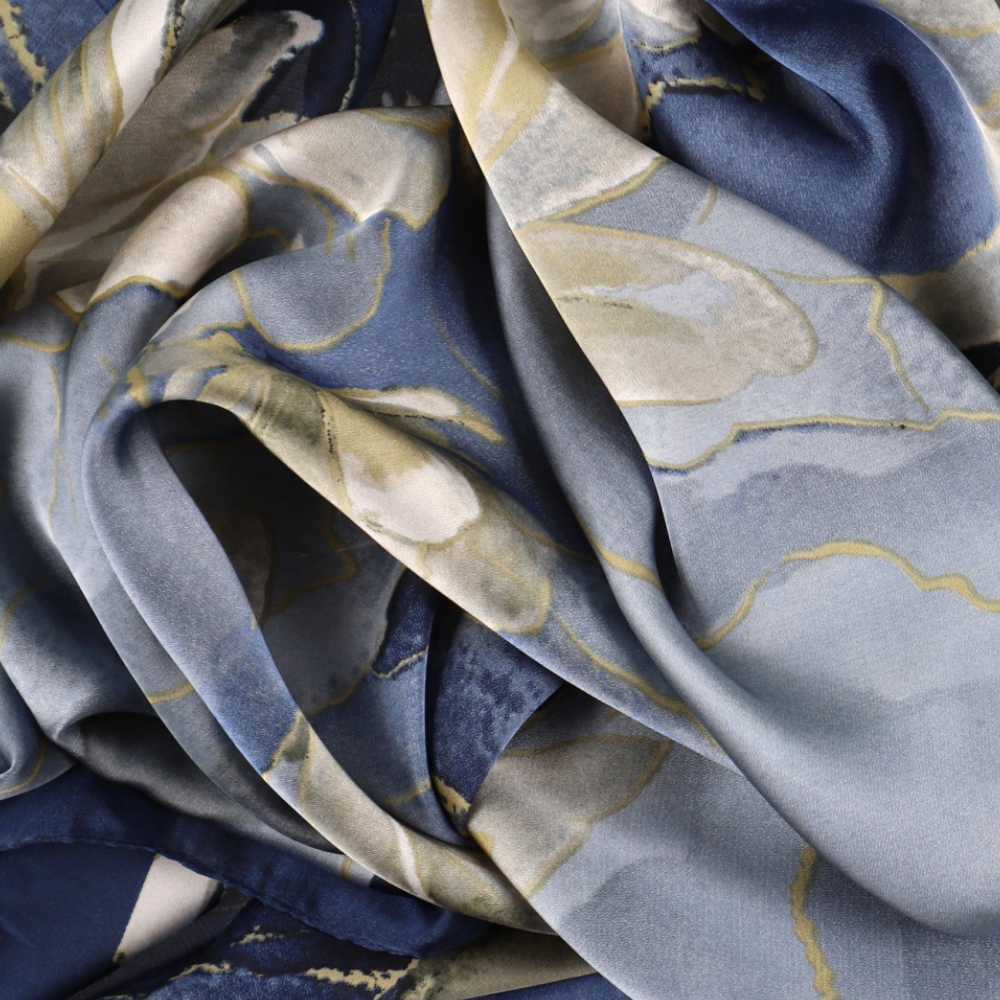
90×90 cm / 35×35 in
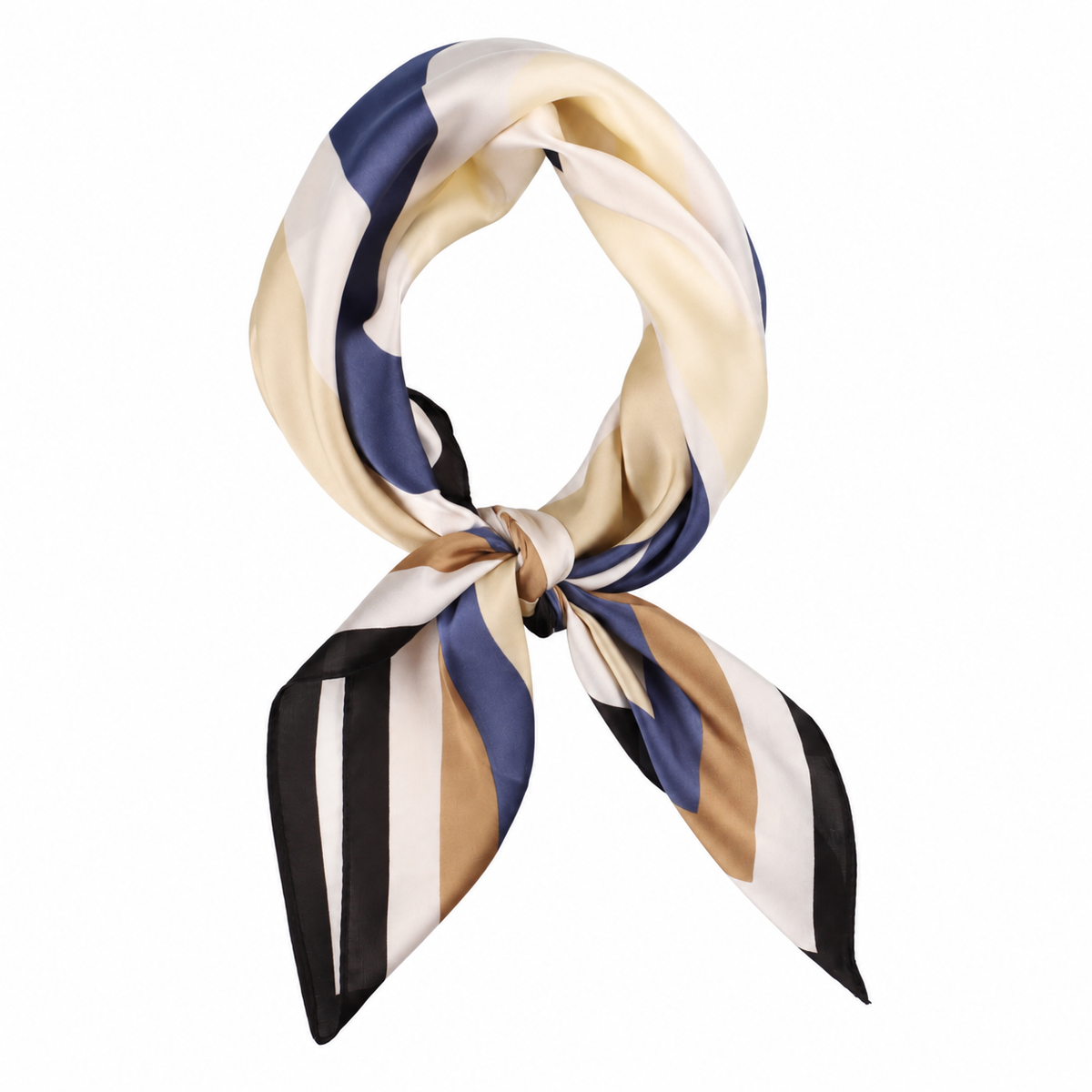
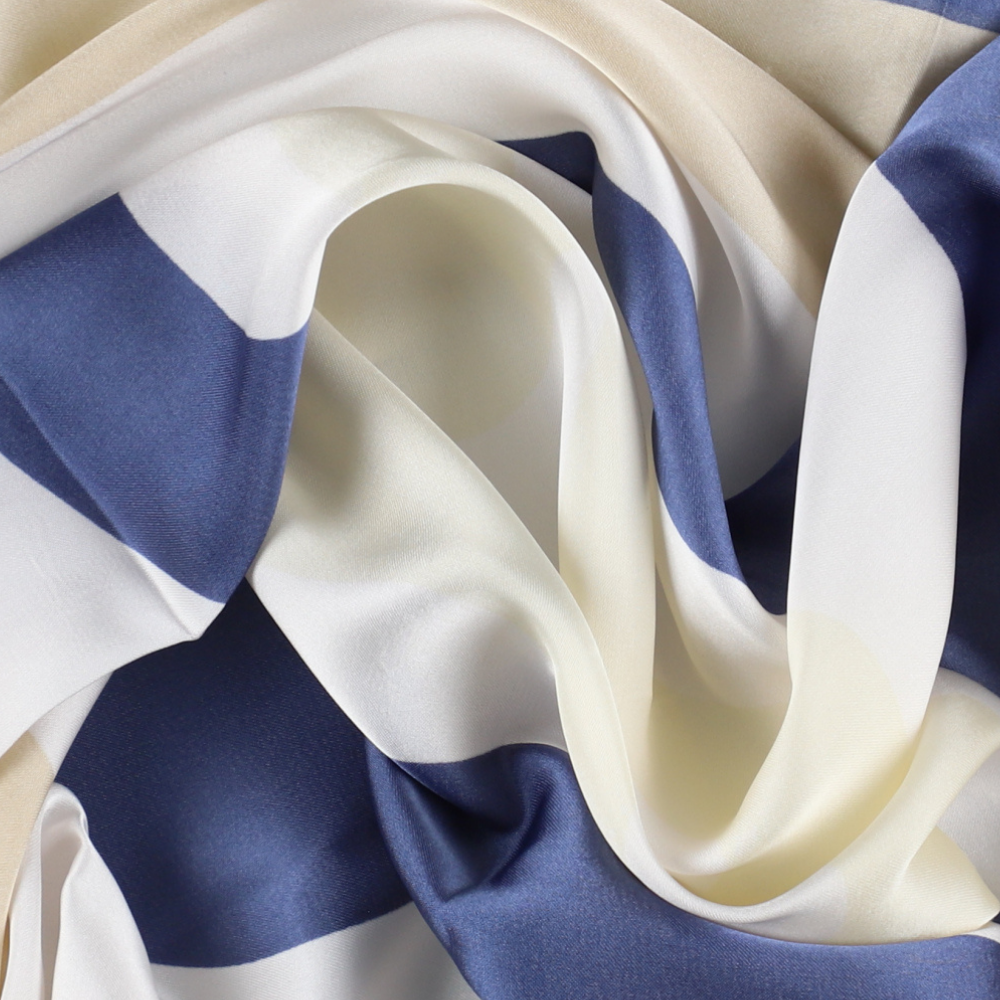
70×70 cm / 28×28 in
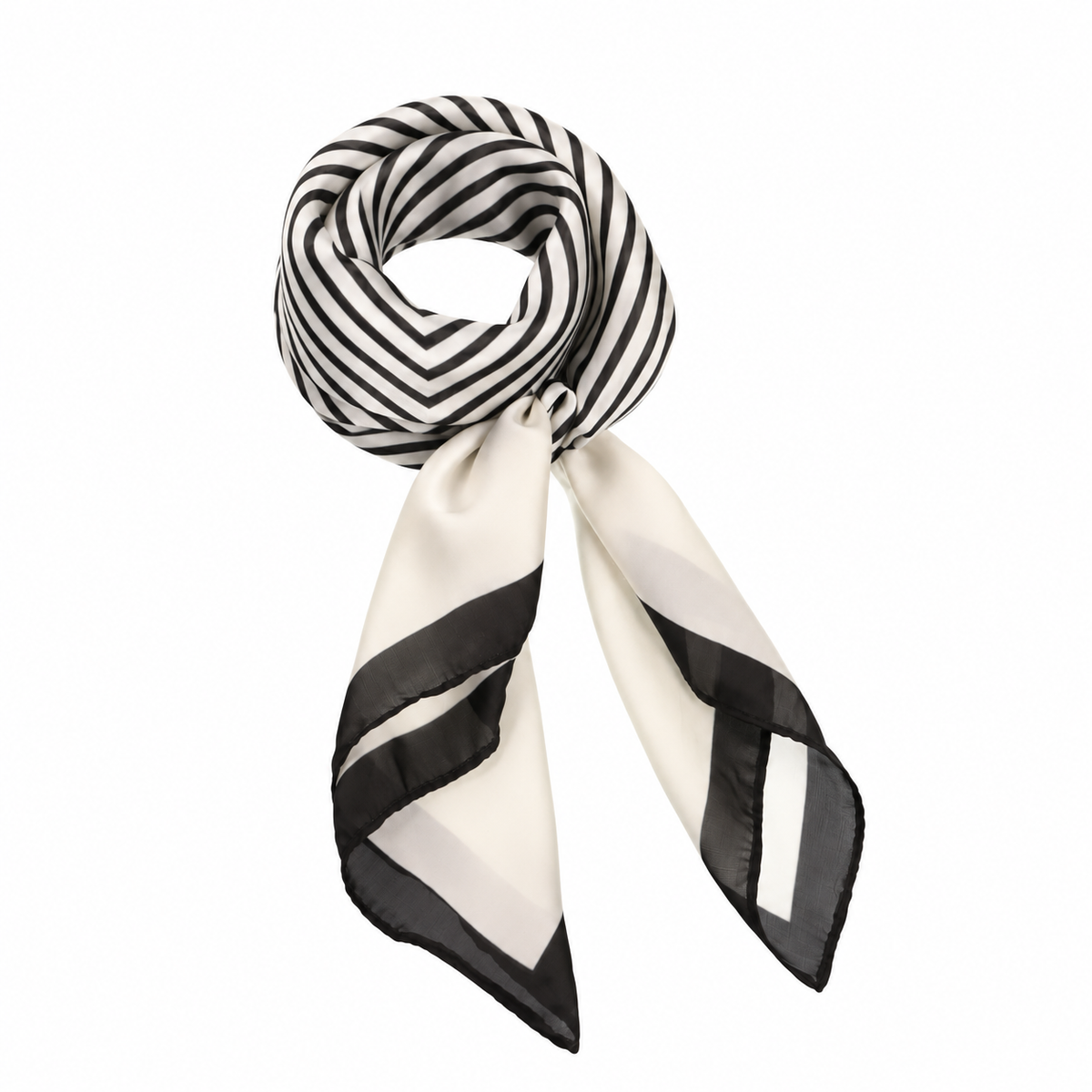
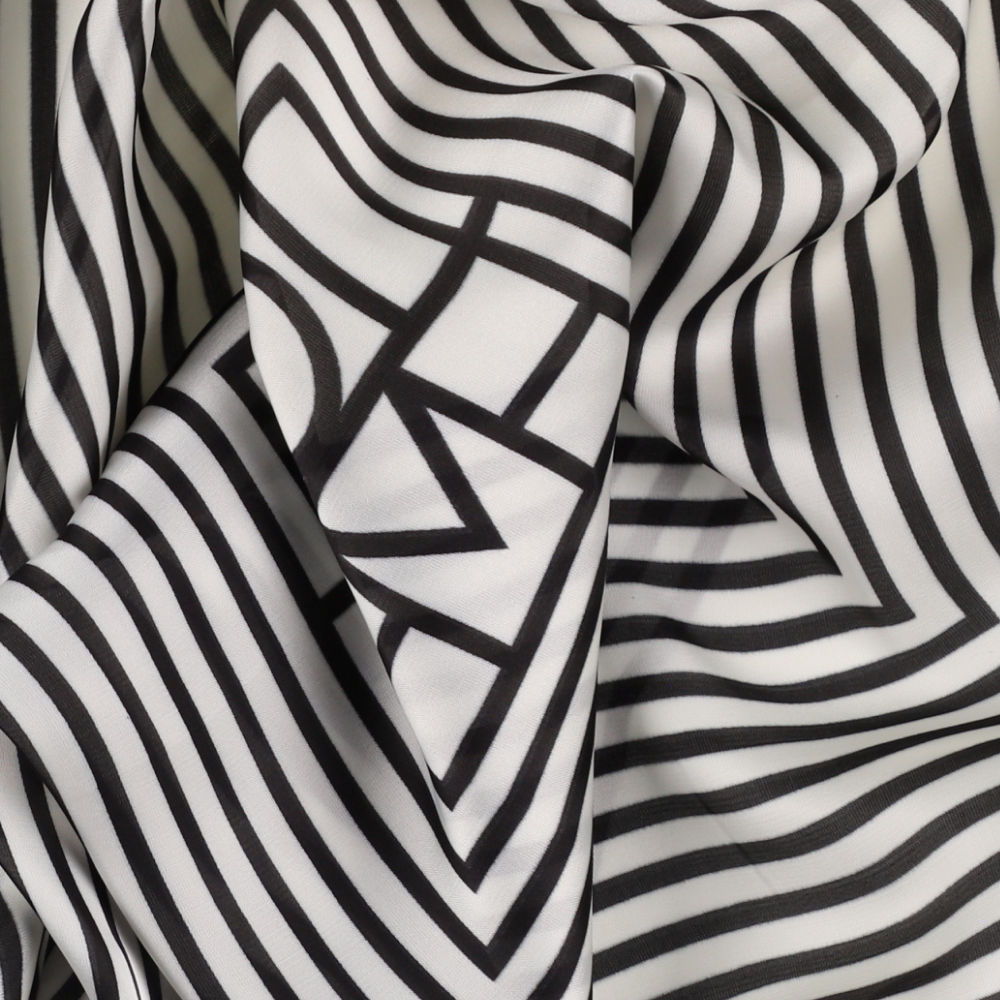
90×90 cm / 35×35 in
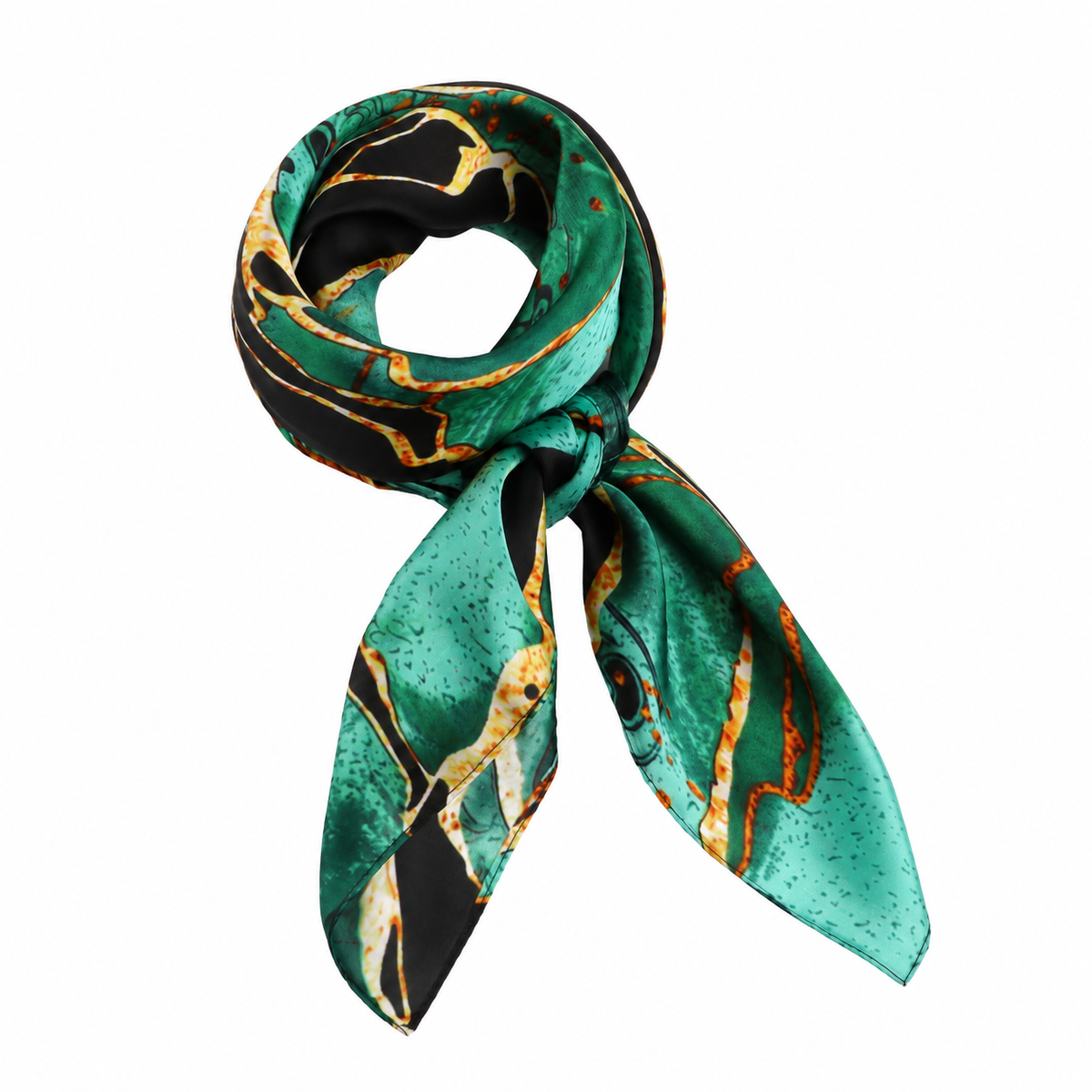
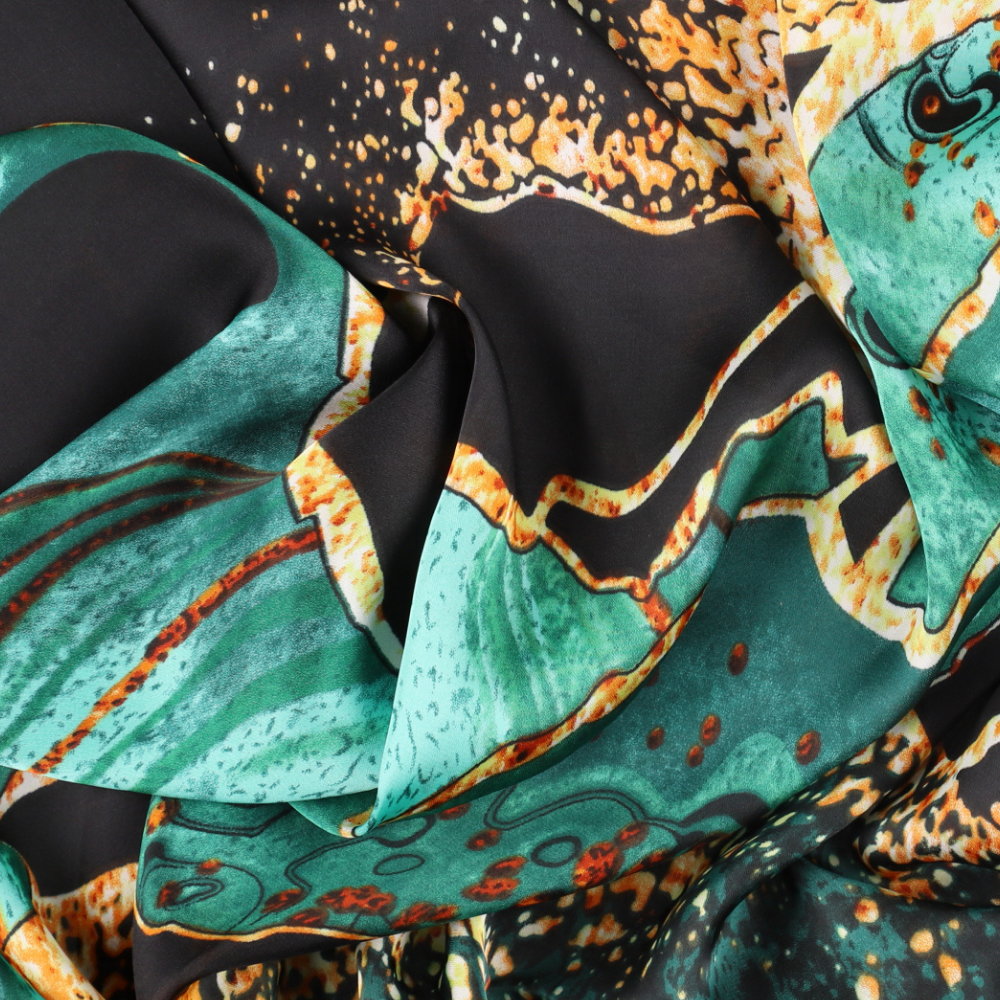
90×90 cm / 35×35 in
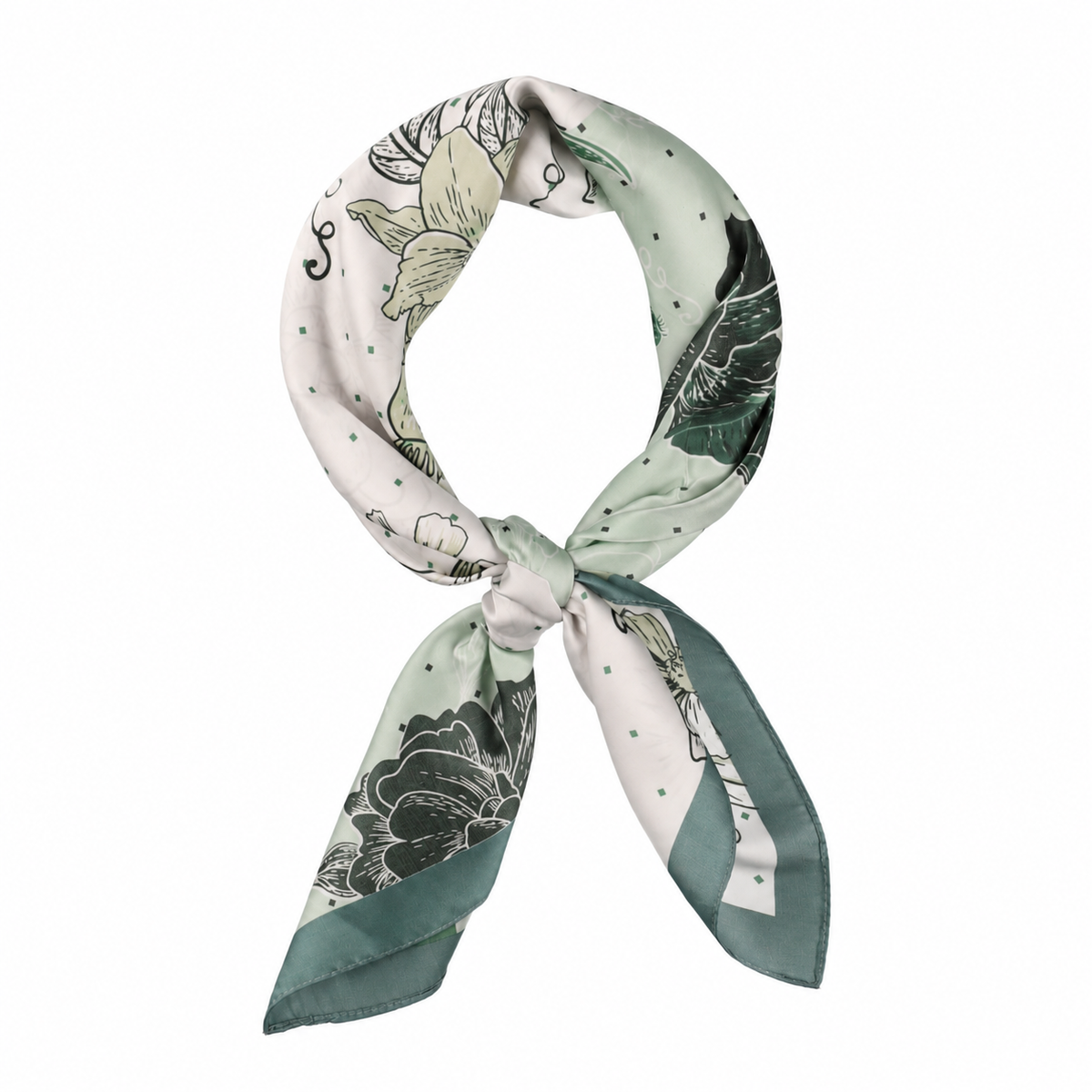
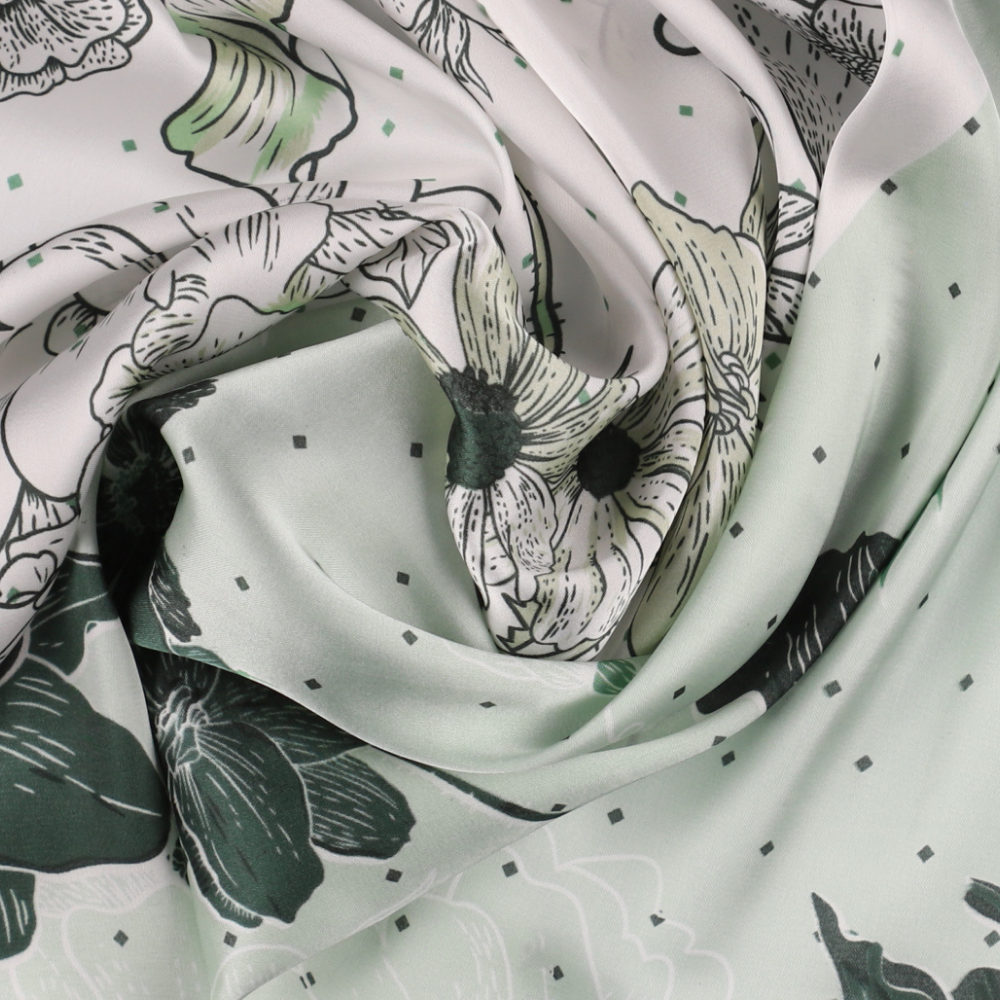
70×70 cm / 28×28 in
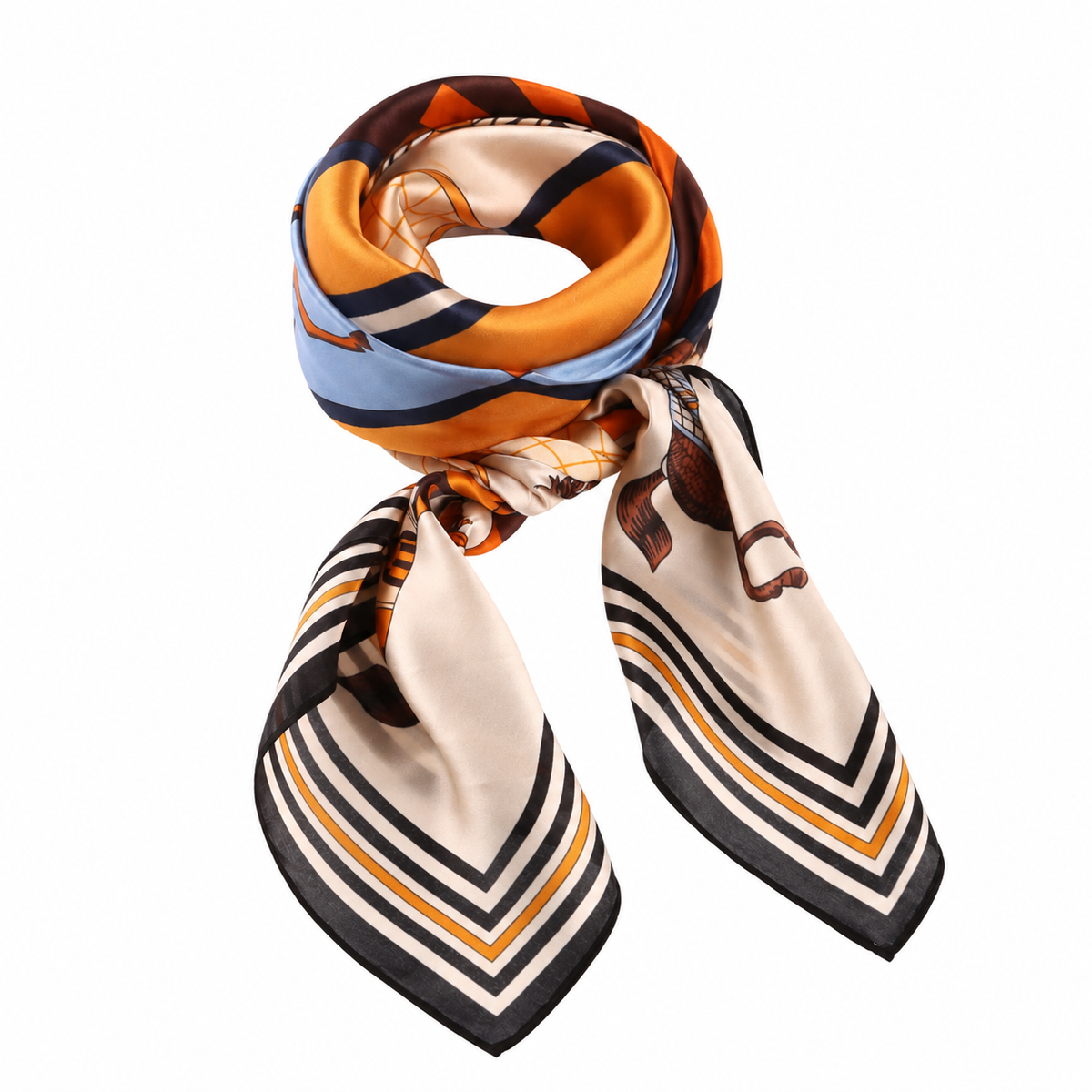
90×90 cm / 35×35 in
90×90 cm / 35×35 in
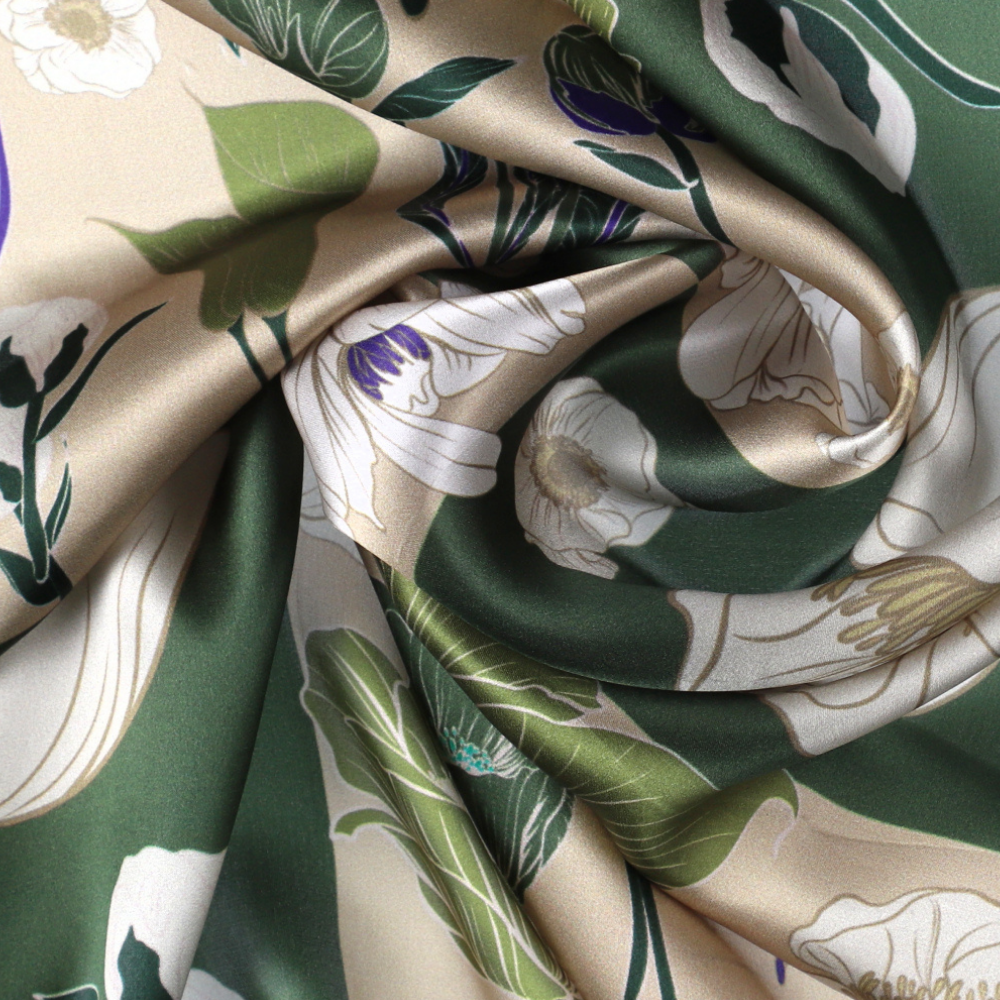
90×90 cm / 35×35 in
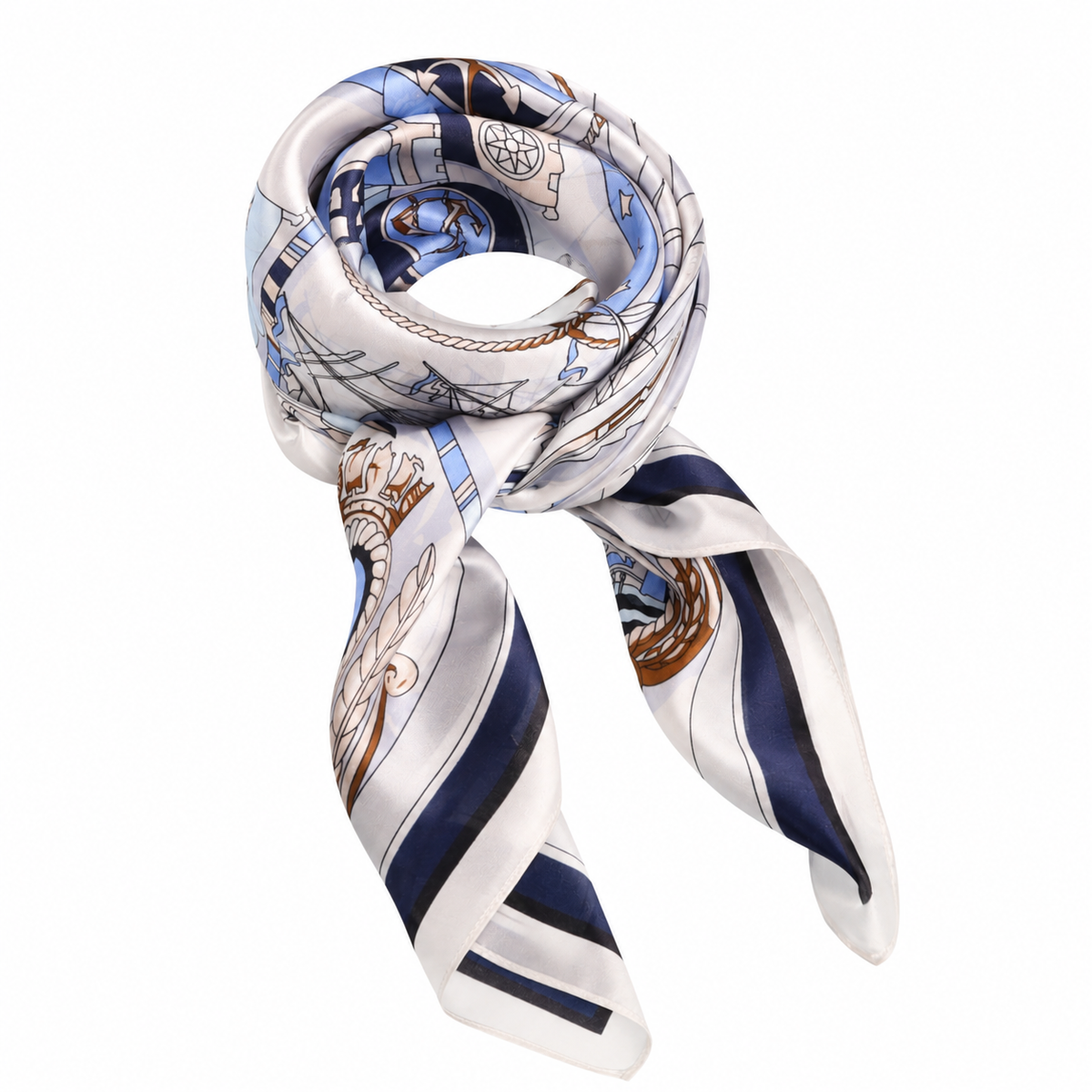
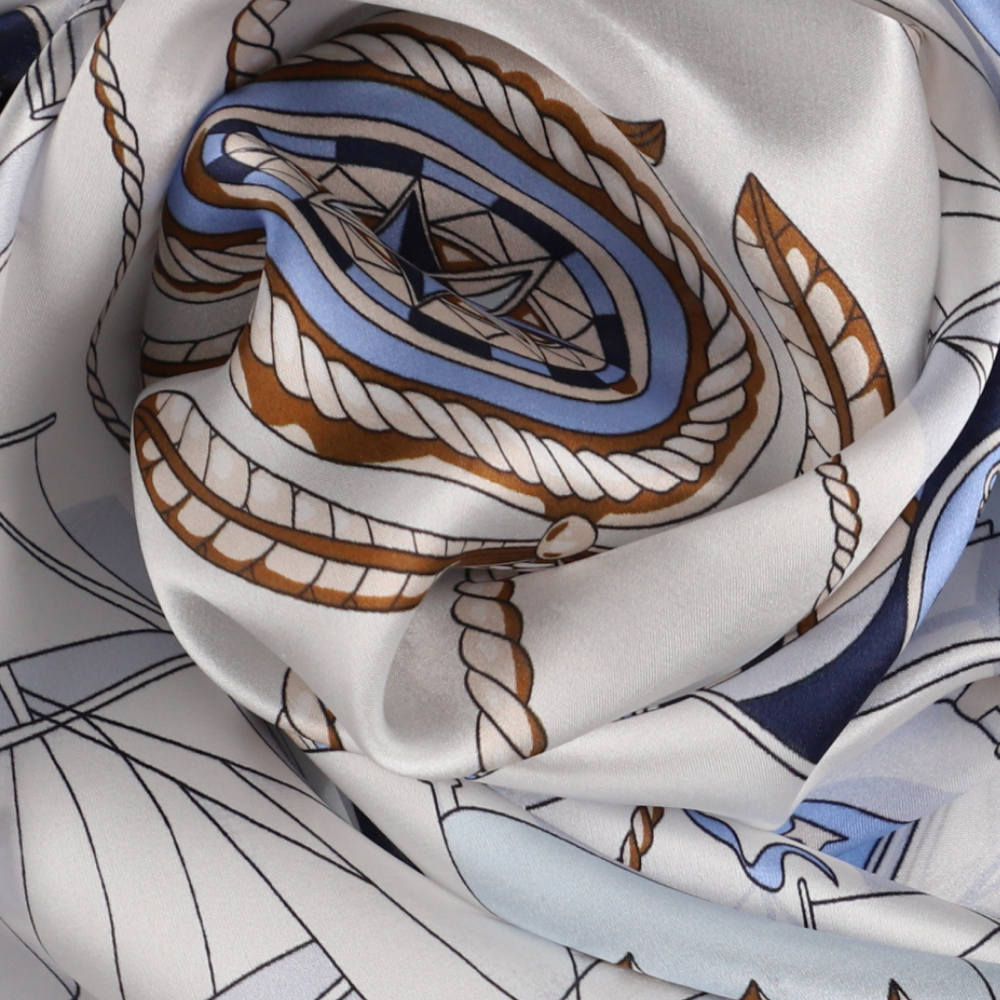
90×90 cm / 35×35 in
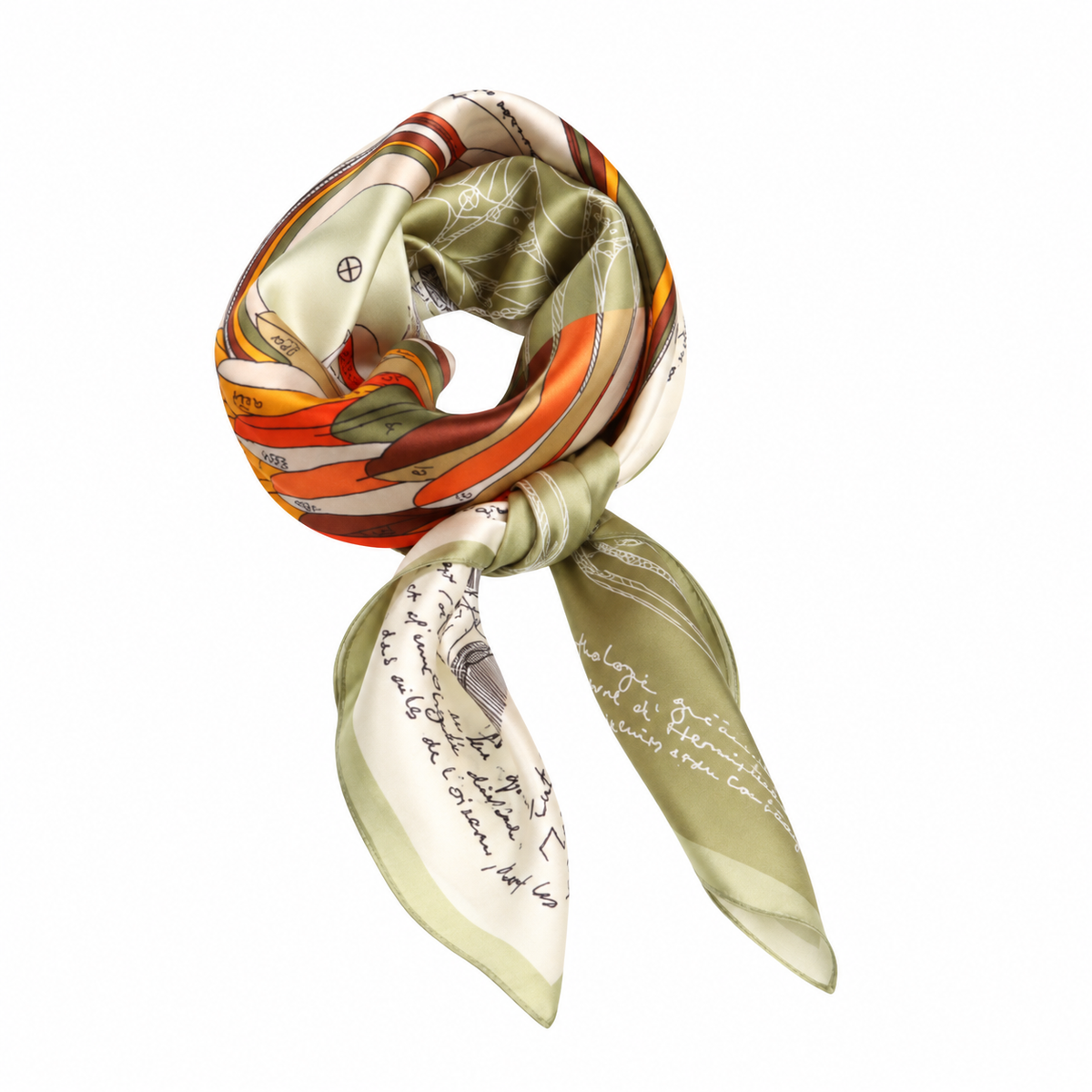
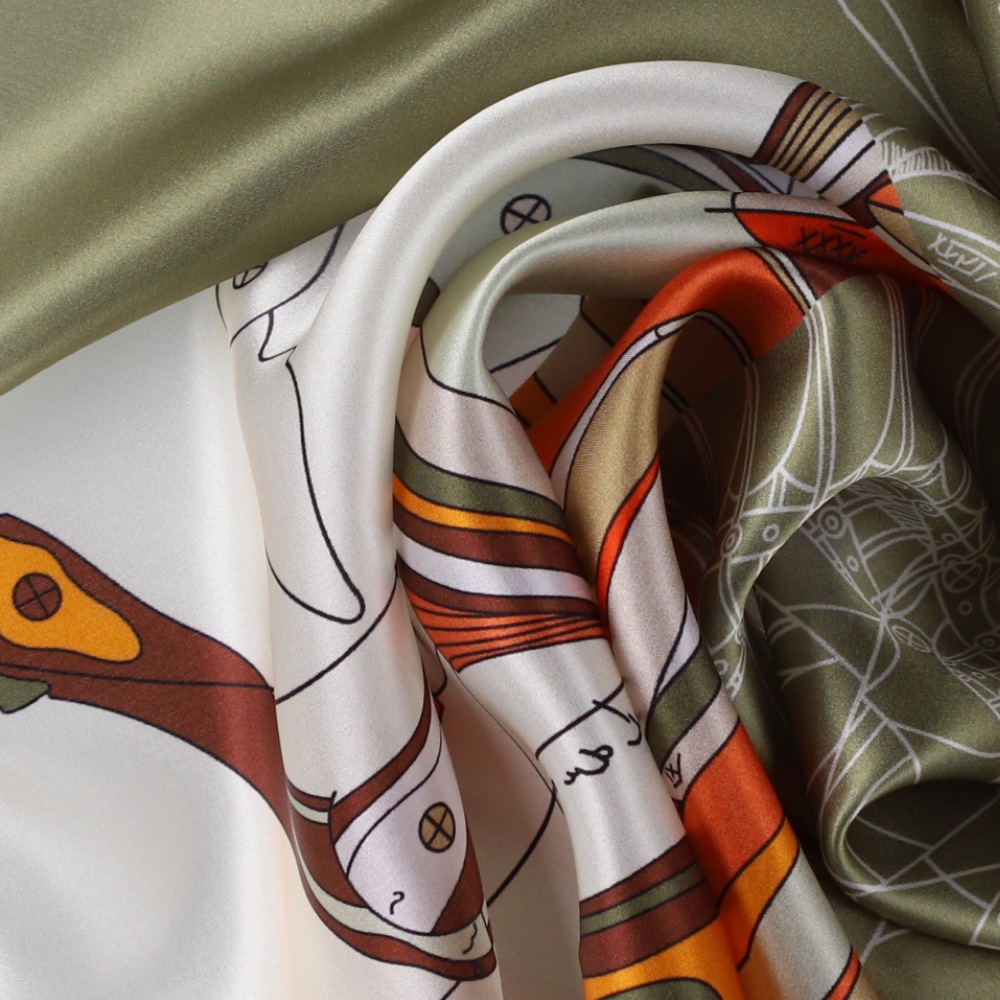
90×90 cm / 35×35 in
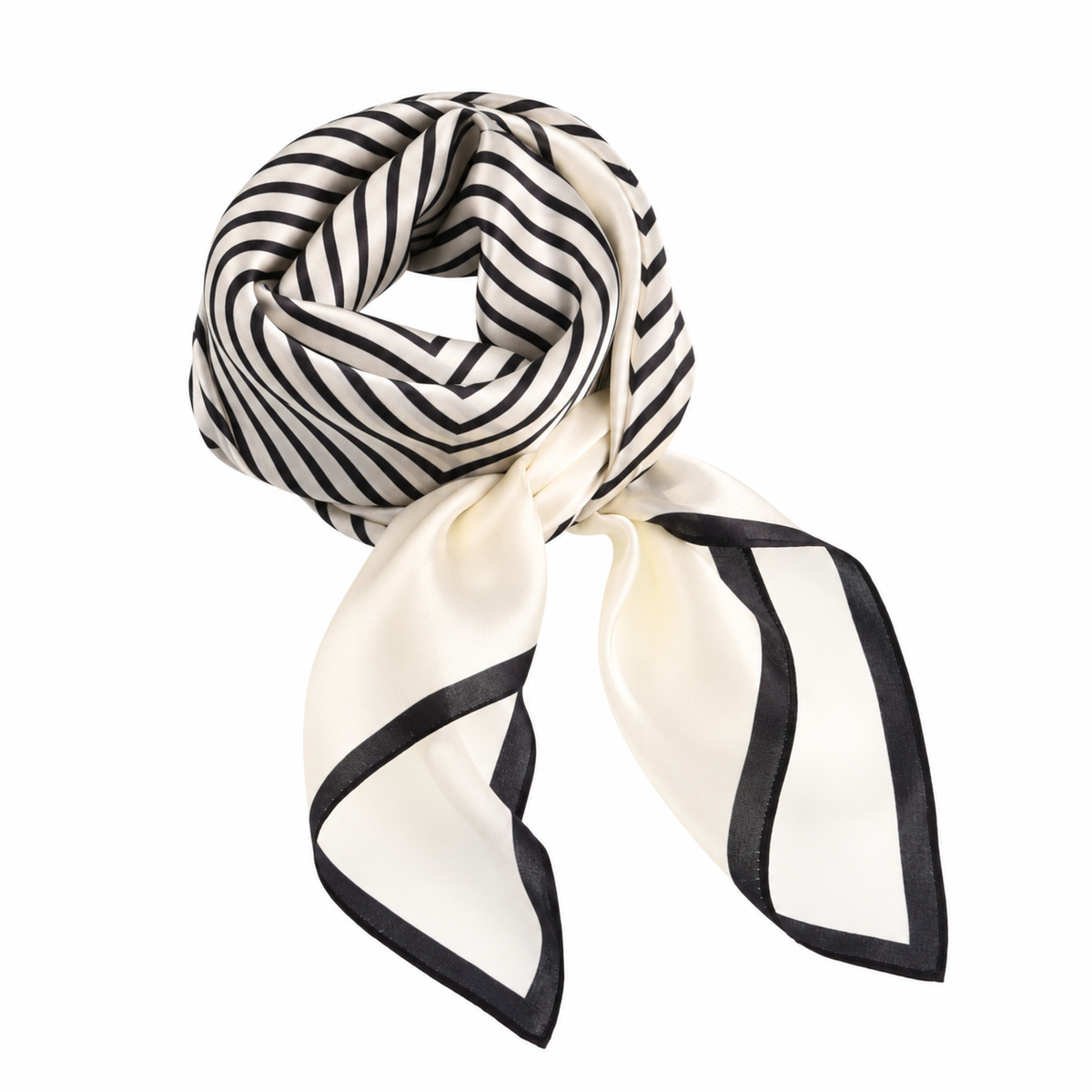
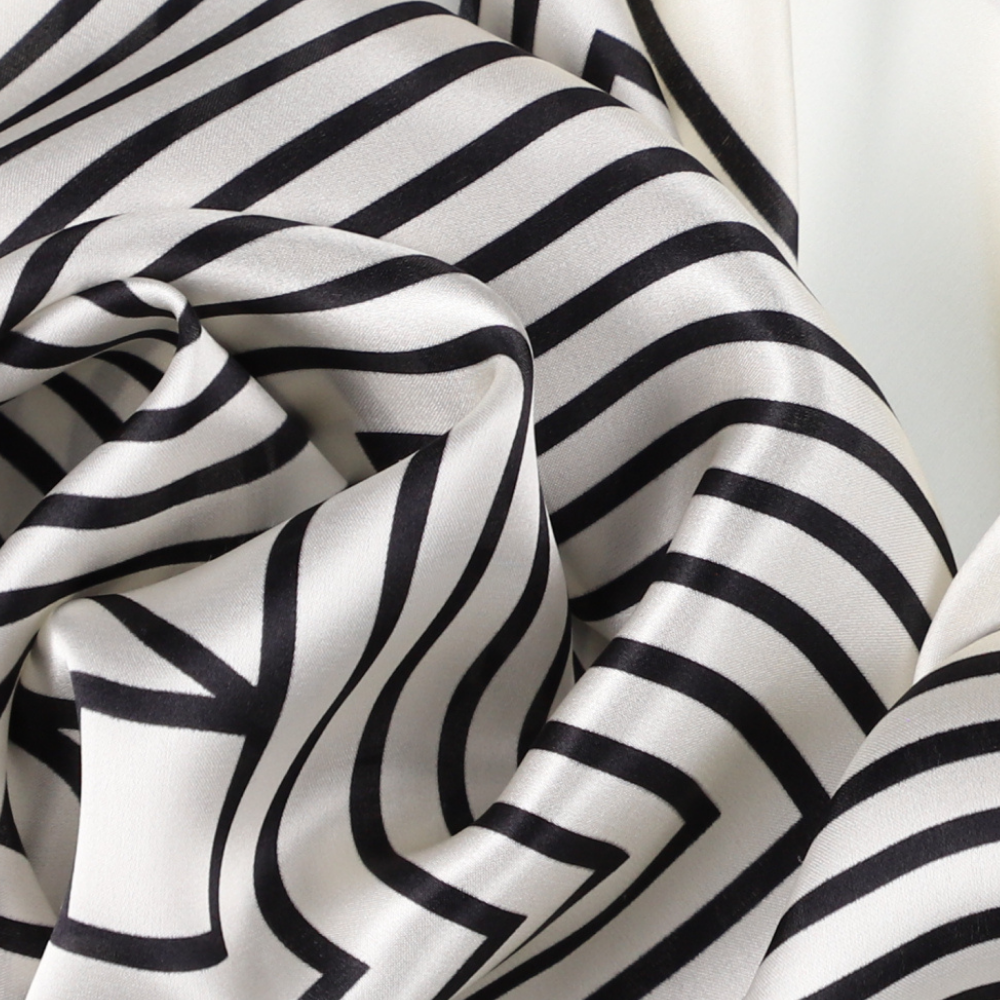
90×90 cm / 35×35 in
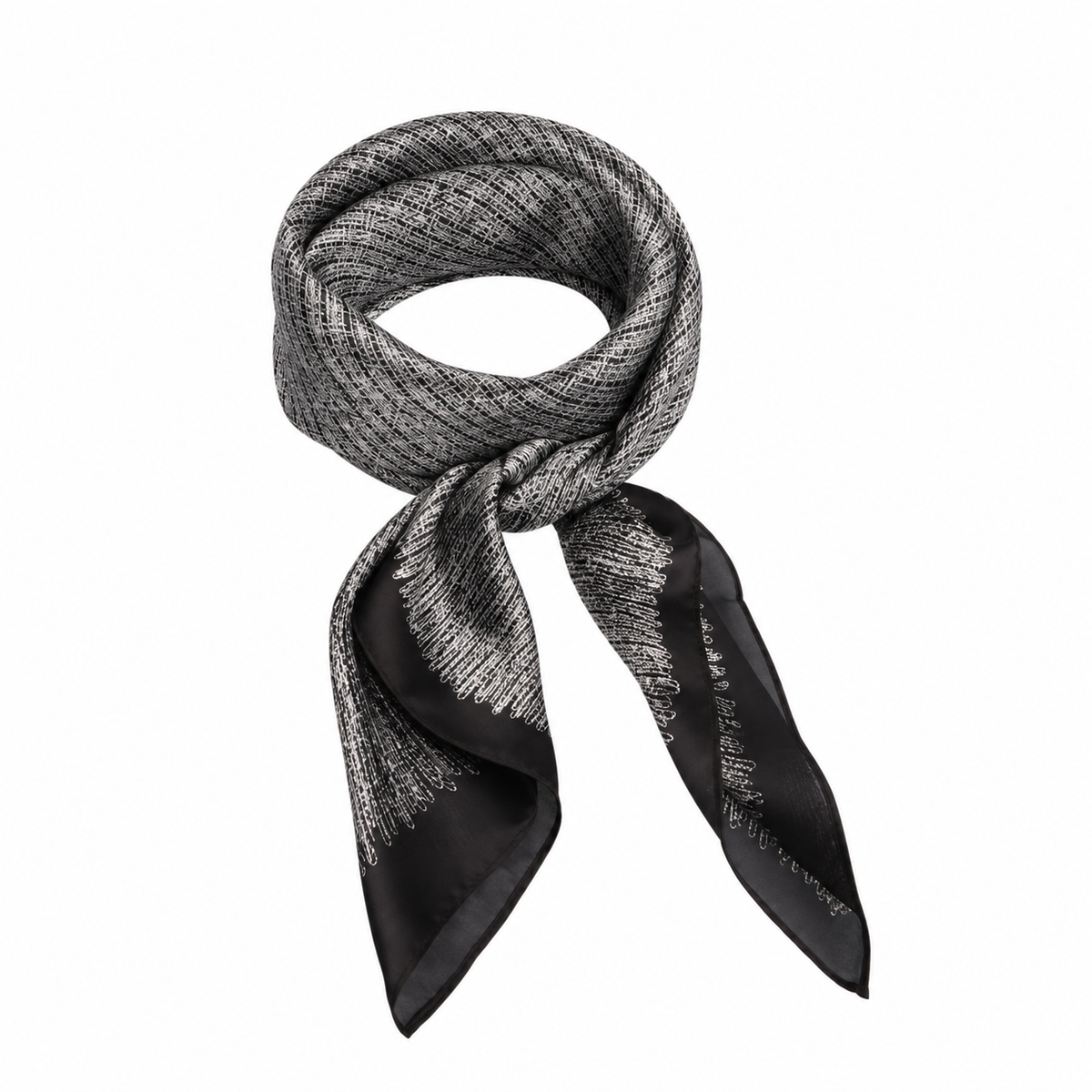
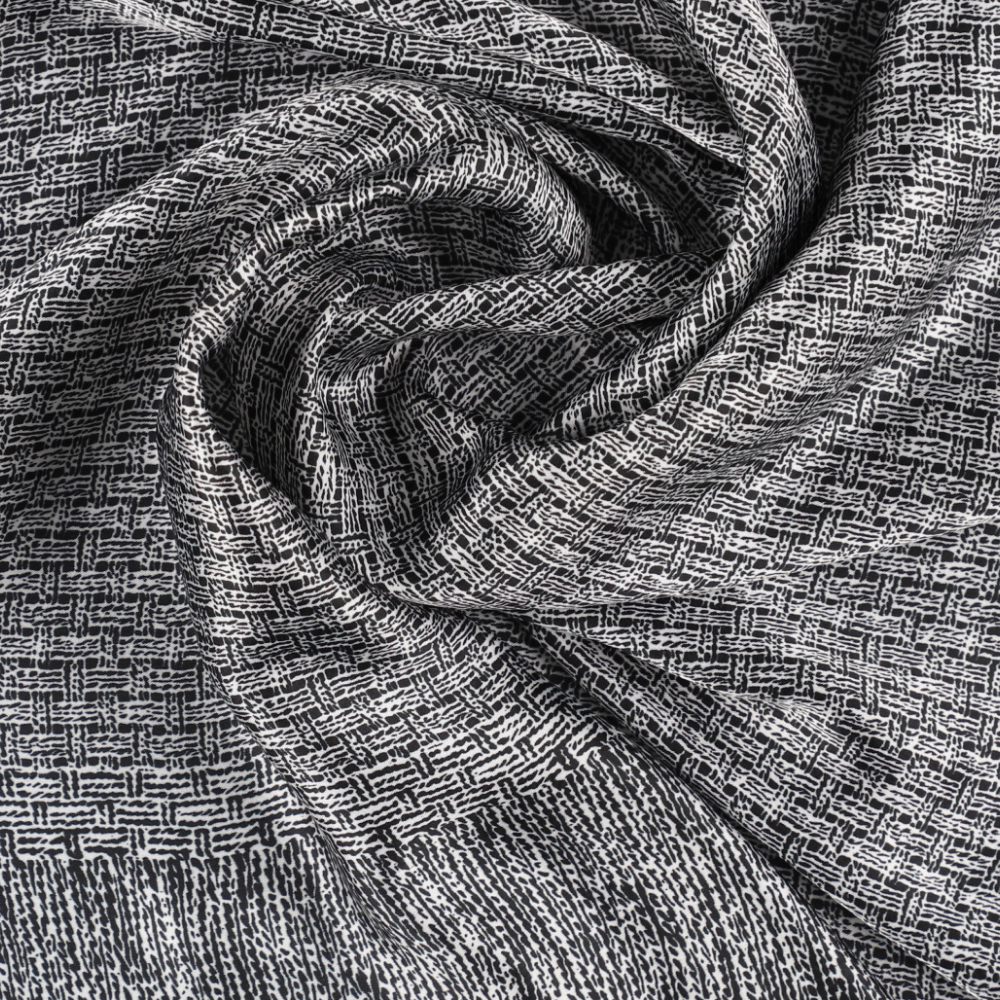
90×90 cm / 35×35 in
Head Shawl – How to Choose and Style the Perfect Wrap for Your Hair and Outfits
Head Shawls at UniqueYou – What You'll Find in This Collection
A head shawl is one of the most versatile accessories you can own – it protects your hair, warms your ears and instantly changes the character of any outfit. In this collection you'll find head shawls and wraps ranging from light, decorative pieces for spring dresses to softer, fuller-coverage styles that pair with autumn coats and winter parkas. UniqueYou focuses on feminine, elegant accessories, so every shawl for head here is chosen to work with the things you already wear: a trench coat, a simple top and jeans, a wool dress or a favourite jacket. Browse at your own pace, use the arrows and filters on the page to select items by colour or size, and add whichever piece catches your eye to your basket.
Types of Head Shawls
Head scarves and shawls differ in size, material and the way they sit on your head, so understanding the main types makes it much easier to shop for the right one.
Light Square Head Shawls
A square head shawl – typically around 90×90 cm – is the classic starting point. A square scarf can be folded into a headband easily, or folded diagonally into a triangle and tied under the chin in the timeless Babushka style, which covers most of your head. Light squares work beautifully as a colour accent with a coat, trench or simple shirt, and they're practical on windy days when you want to tame your hair without fully covering it. The Grace Kelly style, where the scarf is knotted loosely under the chin, is great for windy weather and remains a perennial trend.
Elongated Head Shawls and Wraps
Long, rectangular shawls – often around 180×70 cm – open up a wider range of styling options. Classic rectangular shawls are versatile and can be worn in multiple styles: wrapped around the head and neck, twisted into a turban, folded into a wide headband, or even braided into your hair with the Scarf Braid technique that incorporates a scarf into a braid. The Low Bun style uses a long scarf for wrapping around a gathered bun at the nape, creating an effortless, polished look. These longer formats are ideal for city walks with a coat, travel days or cooler evenings over a dress or jumper.
Warm Head Shawls for Colder Weather
Thicker, softer shawls made from denser weaves protect ears and hair from cold while still looking elegant. They suit autumn and winter outerwear – woollen jackets, padded parkas, structured coats – provided their dimensions allow wrapping over both head and neck without excessive bulk. Head shawls serve practical purposes such as warmth or sun protection depending on the season, and a warm head wrap shawl can simply slip down onto your shoulders when you step indoors, so you never need to stuff it into a pocket.
Decorative Head Shawls for Occasions
For weddings, evening events or celebrations, a more refined head shawl with a subtle sheen, delicate pattern or soft fringe can replace jewellery as the main style accent. Silk and fine fabrics are recommended for formal events and weddings because they drape beautifully and catch the light without appearing heavy. Pair them with dresses, jumpsuits or elegant suits as a soft drape over hair or a loosely tied head wrap. After the event they can be worn classically around the neck, which makes them far more versatile than a single-use accessory.
What to Look For in a Head Shawl
The same shawl can look and feel very different depending on its material, size and pattern, so it's worth checking a few details before you decide. Exact composition and dimensions are always listed with each product; here we explain how to read those details and why they matter.
Material and Thickness
Lighter fabrics – viscose, fine wool blends, airy synthetics – drape easily around the head without adding bulk, making them suitable for spring, summer and indoor wear. Cotton and lightweight materials are often preferred for everyday casual wear because they breathe well and feel comfortable against the skin. Thicker weaves are better for cooler days and for wearing over outerwear, but they will create more volume around the head. Silk scarves prevent hair damage better than cotton ones because their smooth surface reduces friction, and silk scarves also help retain moisture in hair, preventing dryness and breakage. Compare the material description with your planned use – a breezy viscose square for an everyday accent, a dense wool blend for genuine weather protection.
Size and Shape
Size determines what you can realistically do with the shawl on your head. A 90×90 cm square folds neatly into a triangle for a classic tied style. A 70×70 cm square works well as a headband or a smaller bandanna knot. Rectangular shawls around 180×70 cm give you enough length for turban-style wraps, multi-layer looks, or winding around a ponytail – you can use a hair tie to secure a scarf for a ponytail style, keeping everything neat. Check the product's measurements and compare them with how much coverage you want: only the hairline, or the full head and part of your shoulders.
Colour and Pattern
Because a head shawl sits close to the face, its colour strongly affects the whole look. Color and pattern choice in head shawls can enhance stylistic expression – neutral tones like beige, grey or navy blend with many coats, while bolder shades or prints turn the shawl into the main accent. A simple styling rule: pair one patterned element with a plain dress, or choose a calm shawl when your coat already has a strong colour or texture. Head scarves can hide bad hair days effectively, but a well-chosen colour also lifts your complexion and pulls an entire outfit together.
Edges, Finish and Comfort
Soft seams, non-scratchy fibres and smooth edges matter more than they seem, because they rest directly on the forehead, hairline and neck. Some models have fringes or decorative borders that look elegant when draped but can add bulk under a hood or high collar – fringes longer than about five to seven centimetres are the ones to watch. Check product photos for fringe length and hemming type to imagine how the shawl will feel when tied on the head all day.
How to Choose the Right Head Shawl for You
Choosing the right shawl style depends on fabric, shape, and occasion. Turn the features above into a quick checklist:
Planned way of wearing – if you want a simple knot at the nape or a Babushka look, a medium square head shawl will be enough. For turban-style wraps and multi-layer looks, select a longer, rectangular model. Head scarves can be styled in over 13 different ways, so the format you pick sets the range of possibilities.
Season and weather – pick lighter, airy fabrics for spring, summer and indoor outfits. Choose denser, softer weaves for autumn and winter, especially when the shawl is meant to cover ears and protect from wind. Head scarves can protect hair from wind and rain, so consider weather protection alongside style.
Outfits you already own – match neutrals to coats and jackets you wear most often, or use a head shawl with a stronger colour or pattern to liven up classic jeans, a plain dress or a simple wool coat. They can be worn in multiple styles, from casual to elegant.
Preferred level of coverage – decide if you're interested in a discreet accent that only partially covers hair, or a shawl that can comfortably cover the whole head and wrap once around the neck.
Ease of tying – if you like quick solutions, softer, more pliable fabrics and moderate sizes are easy to handle. The Pony Tie is an easy head scarf style that takes seconds. More structured, larger shawls suit those who enjoy experimenting with wraps and knots.
Frequently Asked Questions About Head Shawls
Below are practical answers to the questions we hear most often about choosing, tying and caring for a head shawl.
How do I tie a head shawl so it stays in place all day?
Tie on dry hair and avoid pairing a very slippery fabric with very smooth hair – the combination tends to slide. Folding a square shawl into a triangle and tying under the hairline is one of the most stable options for daily wear. Place the knot at the nape or slightly to the side rather than on the smooth crown of the head, and if you have fine or straight hair, skip the struggle and tuck in a couple of discreet hairpins or a thin elastic under the shawl. Head scarves offer versatile styling options for various looks, so don't hesitate to try different positions until one feels secure.
Can I wear a head shawl with a coat or jacket that has a hood?
Yes, but check how much material gathers around your neck so the hood can still sit comfortably over it. Choose a less bulky shawl and tie it closer to the head when you plan to pull a hood over. Try the shawl with your favourite coat in front of a mirror to see whether the proportions feel right before you head out. If the combination feels too heavy, a thinner square folded into a narrow headband might be a better fit.
Which head shawl works best for a dress and a more formal occasion?
For events like weddings, receptions or theatre outings, smoother, more refined fabrics and calmer patterns work best. Coordinate the shawl with one element of the outfit – the colour of the dress, shoes or handbag – rather than matching everything identically. For evening, a shawl that can move from head onto shoulders is especially practical, giving you two looks in one piece. Head shawls serve as both practical coverings and statements of identity, so choose one that reflects the tone of the event.
How do I care for my head shawl so it keeps its shape and colour?
Always follow the care label on the specific shawl. As a general rule, avoid high temperatures and strong wringing. Gentle hand washing or a delicate machine cycle works for most light shawls; dry them flat to prevent stretching. Store shawls folded or rolled rather than hanging on a single hook – this helps avoid pulling and deforming edges over time. Head shawls help maintain hairstyles and shield hair from environmental damage, so keeping the fabric in good condition matters for both appearance and hair health.
Is a head shawl suitable for all hair types and lengths?
Head shawls can be adapted to straight, wavy, curly and coily hair, as well as short cuts and long lengths. Long hair can be gathered in a low bun under a shawl, while shorter styles work well with simple bandanna or headband ties. Curly and textured hair benefits from smoother fabrics like silk or viscose blends that reduce friction and frizz. The key is choosing a tying method that feels comfortable and secure for your hair, not following one universal rule. Head coverings can communicate various meanings including faith, identity, and beauty – but above all, yours should feel right for you.
Explore Head Shawls at UniqueYou
Choosing a head shawl starts with deciding how you want to wear it and what you already have in your wardrobe. Browse the collection below, compare sizes, materials and colours, and pick a shawl that will work both on the head and draped over your shoulders whenever you need a quick change of look.
FINEST MATERIALS
Softness, comfort and attention to detail.

Express Delivery
Within 24 hours by courier to your home or a pickup point.
EASY RETURNS
Shop with confidence, with the option to return.
SECURE PAYMENTS
Choose your preferred payment method.